- Company Articles
- Products and Technology
- Product knowledge
- Plastic Pipe End Caps for Mechanical Manufacturing: Withstanding Heavy-Duty Use

Plastic Pipe End Caps for Mechanical Manufacturing: Withstanding Heavy-Duty Use
Related Product
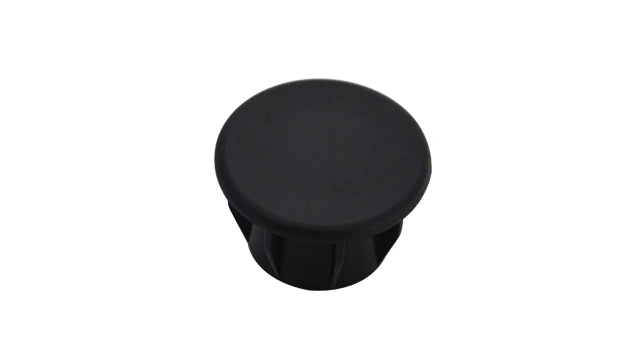
Plastic pipe end cap
Plastic pipe cover, used for 28mm two end cover and protection, to avoid any scratch from sharp metal surface.
Walk through any busy manufacturing plant, and your eyes might be drawn to the big machines—the robotic arms assembling cars, the conveyor belts zipping products along, the towering storage racks holding pallets of materials. But if you look closer, you'll notice the unsung heroes keeping everything running smoothly: the small, unassuming components that hold systems together, protect equipment, and ensure safety. Among these quiet workhorses? Plastic pipe end caps. These tiny caps, often overlooked, play a critical role in mechanical manufacturing, especially when it comes to heavy-duty applications. In this article, we'll dive into why plastic pipe end caps are indispensable, how they're built to withstand the toughest conditions, and why they're a cornerstone of reliable, efficient manufacturing setups—from lean pipe workbenches to turnover trolleys and beyond.
What Are Plastic Pipe End Caps, Anyway?
At first glance, a plastic pipe end cap might seem simple: a small, often cylindrical piece of plastic designed to fit snugly over the end of a pipe. But simplicity is part of its strength. These caps serve three key purposes that make them irreplaceable in manufacturing environments.
First, they protect the pipes themselves. Imagine a lean pipe—used to build workbenches, material racks, or assembly line structures—left uncovered. Over time, dust, debris, and even moisture could seep into the open end, causing corrosion (especially in metal pipes) or clogging internal components. A plastic end cap seals that opening, acting as a barrier against the elements and extending the life of the pipe.
Second, they enhance safety. Exposed pipe ends can be sharp, posing a risk to workers who might brush against them or reach into tight spaces. A smooth, rounded plastic cap eliminates that hazard, turning a potential injury point into a harmless edge. In fast-paced environments where every second counts, reducing even small risks like cuts or scrapes can make a big difference in workplace safety and productivity.
Third, they maintain system integrity. In setups like roller tracks or flow racks, pipes are often part of a larger network that relies on precision. An uncovered pipe end might catch on materials, disrupt the flow of goods, or even throw off the alignment of connected components. End caps ensure that pipes remain uniform, smooth, and ready to perform their role in the system—whether that's supporting a workbench or guiding products along a conveyor.
Simply put, plastic pipe end caps are the silent guardians of manufacturing infrastructure. They don't grab headlines, but remove them, and you'll quickly see just how much depends on their presence.
Materials Matter: Why Plastic for Heavy-Duty?
Not all plastics are created equal, and when it comes to heavy-duty manufacturing applications, choosing the right material for end caps is non-negotiable. Manufacturers don't just pick any plastic off the shelf—they select options that can stand up to constant use, heavy loads, and harsh conditions. Let's break down the most common materials used and why they're trusted for the job.
Common Plastics for Heavy-Duty End Caps
Plastic pipe end caps are typically made from one of three materials: polyvinyl chloride (PVC), polypropylene (PP), or nylon. Each has unique properties that make it suited to specific heavy-duty tasks. For example, PVC is prized for its rigidity and chemical resistance, making it ideal for pipes that might come into contact with oils or cleaning agents. Polypropylene, on the other hand, is lightweight yet surprisingly strong, with excellent impact resistance—perfect for end caps on turnover trolleys that get moved around warehouses daily. Nylon, the strongest of the three, offers superior wear resistance and can handle higher temperatures, making it a top choice for end caps on lean pipe workbenches in automotive or aerospace plants where heat and friction are constant factors.
But why plastic at all? Why not metal, which might seem sturdier? The answer lies in plastic's unique combination of strength, flexibility, and cost-effectiveness. Metal end caps can rust, add unnecessary weight to systems like portable trolleys, and conduct heat or electricity—all drawbacks in manufacturing settings. Plastic, by contrast, is corrosion-resistant, lightweight, and insulating. It also offers more design flexibility: manufacturers can mold plastic end caps into custom shapes to fit unique pipe sizes or add features like grip textures or drainage holes without driving up production costs.
To illustrate just how tough these plastics are, let's look at some key properties. The table below compares the three main materials used in heavy-duty plastic pipe end caps:
| Material | Impact Resistance (kJ/m²) | Max Operating Temperature (°C) | Chemical Resistance | Typical Applications |
|---|---|---|---|---|
| PVC | 20-50 | -15 to 60 | Excellent (acids, alkalis, oils) | Static workbenches, chemical processing areas |
| Polypropylene (PP) | 40-80 | -20 to 100 | Good (solvents, water, most chemicals) | Turnover trolleys, outdoor storage racks |
| Nylon | 50-100+ | -40 to 120 | Excellent (greases, fuels, hydraulic fluids) | High-heat assembly lines, heavy-load workbenches |
These numbers tell a clear story: even "simple" plastic end caps are engineered to perform under stress. Take impact resistance, for example. A nylon end cap with an impact resistance of 100 kJ/m² can withstand being hit by a falling tool or a heavy part without cracking—critical in environments where accidents happen. Similarly, polypropylene's ability to handle temperatures up to 100°C means it won't warp or melt near industrial ovens or welding stations. For manufacturers, these properties aren't just nice-to-haves; they're essential for minimizing downtime and ensuring that systems like lean pipe workbenches or roller tracks keep running, day in and day out.

The Lean Connection: End Caps in Lean Manufacturing Systems
Lean manufacturing is all about efficiency—eliminating waste, streamlining processes, and maximizing value. At the heart of many lean systems are modular setups built with lean pipe (also known as "flexible pipe")—lightweight, easy-to-assemble pipes that can be configured into workbenches, material racks, flow racks, and turnover trolleys. These systems are designed to adapt quickly to changing production needs, but their flexibility doesn't mean they skimp on durability. In fact, lean systems often face the same heavy loads and constant use as fixed infrastructure, which is where plastic pipe end caps step in.
Consider a lean pipe workbench, a staple in assembly lines from electronics to furniture manufacturing. These workbenches are built by connecting lean pipes with joints, creating a sturdy frame that supports tools, parts bins, and even heavy equipment like soldering stations. The pipes that form the legs, shelves, and rails of the workbench are all capped with plastic end caps. Why? Because a workbench isn't just a table—it's a dynamic workspace where workers lean on rails, parts are dropped or slid across surfaces, and cleaning solutions are regularly applied. Without end caps, the pipes would absorb that wear and tear directly: the legs might scratch floors, the edges might chip, and moisture from cleaning could seep into the joints, causing them to loosen over time. End caps protect the pipes, ensuring the workbench stays stable, safe, and functional for years—even with daily use.
Pro Tip for Lean System Maintenance: When inspecting your lean pipe workbench or turnover trolley, don't overlook the end caps! A cracked or loose cap might seem minor, but it can lead to bigger issues down the line. replace worn end caps promptly to prevent pipe damage, maintain safety, and keep your lean system operating at peak efficiency.
Turnover trolleys and racks, another key component of lean manufacturing, rely even more heavily on end caps. These trolleys are used to transport materials between workstations, often carrying loads of 50kg or more. They're pushed, pulled, and sometimes even lifted slightly to navigate uneven floors or thresholds. The pipes on these trolleys—especially those on the bottom or corners—take a beating. A plastic end cap on the base of a trolley leg acts as a shock absorber, reducing the impact when the trolley is set down hard. On the sides, end caps prevent materials from catching on exposed pipe ends as they're loaded or unloaded. In flow racks, where products slide along roller tracks, end caps on the pipe rails ensure that items don't get snagged or damaged as they move—keeping the "flow" in flow racks smooth and efficient.
In short, plastic pipe end caps are the unsung enablers of lean manufacturing. They allow lean systems to be both flexible and durable, adapting to change without sacrificing performance. Without them, lean pipes would degrade faster, systems would require more frequent repairs, and the efficiency that lean manufacturing promises would be harder to achieve.

Heavy-Duty in Action: Real-World Applications
Talking about materials and lean systems is one thing, but seeing how plastic pipe end caps perform in real-world heavy-duty scenarios is where their value truly shines. Let's take a closer look at three industries where these small components play a outsized role: automotive manufacturing, warehouse logistics, and electronics assembly.
Automotive Manufacturing: Where Stress Is Constant
In an automotive plant, the assembly line never stops. Cars are built 24/7, with each workstation handling parts ranging from small screws to heavy engine blocks. Lean pipe workbenches here are subjected to extreme stress: workers stand for hours, leaning on the bench rails; power tools vibrate against the surface; oils, greases, and cleaning solvents are spilled regularly. The plastic end caps on these workbenches must withstand all of this. Take a typical workbench leg cap made of nylon: it's exposed to daily impacts from dropped tools (which can weigh 5kg or more), constant friction from workers' shoes, and chemical exposure from lubricants. Yet nylon's high impact resistance and chemical resistance mean the cap holds up, protecting the pipe underneath and keeping the workbench stable. In fact, automotive manufacturers often report that end caps on their lean pipe workbenches last 3-5 years with minimal maintenance—impressive for a component that costs just a few dollars.
Warehouse Logistics: Moving Heavy Loads, All Day Long
Warehouses are another environment where plastic pipe end caps prove their mettle. Turnover trolleys here are workhorses, ferrying pallets of goods, boxes, and even machinery parts across large facilities. A single trolley might make 20+ trips a day, carrying loads up to 100kg. The end caps on the trolley's wheels (yes, even caster wheels often have small end caps to seal axle holes) and frame pipes are critical. For example, a polypropylene end cap on a trolley's corner pipe must resist cracking when the trolley bumps into a rack or another trolley (a common occurrence in busy warehouses). It also needs to stand up to temperature extremes—from the sweltering heat of a summer warehouse to the cold of a refrigerated storage area. Polypropylene's wide temperature range (-20°C to 100°C) and flexibility make it perfect for this job, ensuring the trolley stays operational without frequent repairs.
Electronics Assembly: Precision and Protection
Electronics manufacturing demands precision, and even small defects can ruin a product. Lean pipe workbenches in this industry are used to assemble delicate items like circuit boards or smartphones, where static electricity, dust, and scratches are major concerns. Plastic end caps here do double duty: they protect the pipes from dust buildup (which could contaminate sensitive components) and prevent static discharge. Many end caps for electronics workbenches are made with conductive plastics or treated with anti-static coatings, ensuring they don't generate static electricity when touched or rubbed against other surfaces. Additionally, the smooth, non-marring surface of plastic caps prevents scratches on parts that might slide across the workbench—critical for maintaining product quality.
In each of these industries, the common thread is reliability. Plastic pipe end caps don't just "work"—they work consistently, under pressure, and in environments that would degrade lesser materials. They're the reason manufacturers can focus on producing goods instead of repairing infrastructure.
Testing and Reliability: How End Caps Prove Their Mettle
You might be wondering: How do manufacturers ensure that a tiny plastic cap can handle the rigors of heavy-duty manufacturing? The answer lies in rigorous testing. Before a plastic pipe end cap ever reaches a factory floor, it undergoes a battery of tests to prove its durability, safety, and performance. Let's pull back the curtain on what these tests entail.
Impact Testing: Surviving the drop
One of the most common tests is impact resistance testing. Manufacturers use machines to drop weighted objects onto end caps (simulating a tool being dropped on a workbench rail) or strike them with hammers (mimicking a trolley bumping into a rack). The goal is to see if the cap cracks, chips, or deforms. For heavy-duty end caps, the standard is often a 1kg weight dropped from 1 meter onto the cap—if it survives without damage, it passes. Nylon caps, known for their toughness, often withstand even higher impacts, making them a favorite for high-stress applications.
Temperature Cycling: Thriving in Extremes
Manufacturing environments aren't climate-controlled everywhere. A warehouse in Arizona might hit 40°C in summer, while a food processing plant could be near freezing. To ensure end caps perform in these conditions, they're subjected to temperature cycling tests. Caps are placed in ovens and freezers, alternating between high and low temperatures for days at a time. After cycling, they're checked for brittleness, warping, or loss of flexibility. A good end cap should remain functional even after exposure to -40°C to 120°C—covering the range of most industrial settings.
Chemical Resistance: Standing Up to Fluids
Oils, solvents, cleaning agents, and even water can degrade plastics over time. To test chemical resistance, end caps are submerged in common industrial fluids (like motor oil, degreasers, or acidic cleaning solutions) for weeks. Afterward, they're inspected for swelling, discoloration, or loss of structural integrity. PVC and nylon caps excel here, often showing minimal change even after prolonged exposure—critical for workbenches in automotive or chemical processing plants.
Load Testing: Bearing the Weight
End caps on workbench legs or trolley bases must support heavy loads without cracking. In load tests, caps are placed under a hydraulic press and subjected to pressure equal to the maximum expected load (often 100kg or more for workbench legs). They're held under that load for hours to ensure they don't creep (slowly deform) or fail. A cap that can support 150kg without breaking is considered heavy-duty enough for most manufacturing applications.
These tests aren't just box-checking exercises—they're essential for ensuring workplace safety and system reliability. A failed end cap could lead to a collapsed workbench, a damaged product, or a worker injury. By investing in testing, manufacturers of plastic pipe end caps demonstrate their commitment to quality—and give factory managers peace of mind that their infrastructure is built to last.
Choosing the Right End Cap: A Buyer's Guide
Now that you understand why plastic pipe end caps are so important, how do you choose the right one for your needs? With so many options on the market, it's easy to feel overwhelmed. But by focusing on a few key factors, you can select end caps that will stand up to your specific heavy-duty application.
1. Match the Pipe Size
This might seem obvious, but it's critical: the end cap must fit your pipe snugly. A cap that's too loose will fall off, leaving the pipe exposed; one that's too tight could crack when installed. Most end caps are labeled by pipe diameter (e.g., 25mm, 30mm), but it's always a good idea to measure your pipes first—especially if you're using non-standard or older lean pipes. Some manufacturers also offer adjustable or universal-fit caps, which can be useful if you have pipes of varying sizes.
2. Consider the Application
What will the end cap be used for? If it's on a lean pipe workbench leg that supports heavy equipment, prioritize impact resistance and load-bearing capacity—nylon or polypropylene are good choices. If it's on a turnover trolley that's moved outdoors, look for UV-resistant plastic to prevent sun damage. For electronics workbenches, anti-static or conductive caps are a must. Think about the daily wear and tear the cap will face, and choose a material that matches that stress.
3. Evaluate the Environment
Where will the end cap live? If your facility uses harsh chemicals, opt for PVC or nylon for better chemical resistance. If temperatures fluctuate widely, polypropylene or nylon (with their broader temperature ranges) are safer bets. In wet environments, look for caps with drainage holes to prevent water buildup inside the pipe—this is especially important for outdoor or washdown areas.
4. Check for Certifications
Reputable manufacturers will test their end caps to industry standards, such as ISO certifications for quality or RoHS compliance for electronics (ensuring no hazardous substances are used). Don't hesitate to ask suppliers for test reports or certification documents—this is a sign they take quality seriously.
5. Don't Skimp on Quality
It might be tempting to buy the cheapest end caps available, but remember: a $2 cap that fails in a month will cost more in repairs and downtime than a $5 cap that lasts five years. Invest in quality upfront, and you'll save money in the long run.
Future Trends: Innovations in Plastic Pipe End Caps
As manufacturing evolves, so too do the components that power it. Plastic pipe end caps are no exception—innovations in materials, design, and sustainability are making them even more durable, efficient, and eco-friendly. Here's a glimpse of what the future holds.
Sustainable Materials: Greener Caps for a Greener Industry
With sustainability becoming a top priority for manufacturers, end cap producers are exploring recycled and bio-based plastics. Companies are already experimenting with end caps made from recycled polypropylene (rPP), which offers the same strength as virgin plastic but reduces reliance on fossil fuels. Bio-based plastics, derived from plant materials like corn starch or sugarcane, are also on the horizon. These materials biodegrade more easily at the end of their life cycle without sacrificing performance—good news for both the planet and factory floors.
Smart Design: End Caps with Built-In Intelligence
Industry 4.0 is bringing connectivity to every corner of manufacturing, and end caps are getting in on the action. Imagine an end cap embedded with a tiny sensor that monitors temperature, vibration, or even cap tightness. If a cap becomes loose or the pipe it's protecting starts to degrade, the sensor could send an alert to maintenance staff, allowing for proactive repairs before a failure occurs. While this technology is still in early stages, it's a sign that even the smallest components are becoming part of the smart factory ecosystem.
Customization on Demand: 3D-Printed End Caps
3D printing is revolutionizing manufacturing, and end caps are benefiting from its flexibility. For unique or low-volume applications—like a custom lean pipe workbench with non-standard pipe sizes—3D printing allows manufacturers to produce one-off end caps quickly and cost-effectively. This means better fit, faster turnaround, and the ability to iterate designs without expensive tooling. As 3D printing materials improve (including high-strength nylons and carbon fiber-reinforced plastics), we'll see more heavy-duty end caps made this way.
Conclusion: Small Parts, Big Impact
Plastic pipe end caps might be small, but their impact on mechanical manufacturing is enormous. They protect equipment, enhance safety, enable lean systems, and withstand the toughest conditions—all while costing just a fraction of the systems they support. From the legs of a lean pipe workbench to the corners of a turnover trolley, these unassuming components are the glue that holds manufacturing infrastructure together.
As we've explored, choosing the right end cap—one made from durable materials, tested for reliability, and suited to your specific application—can make a world of difference in productivity, safety, and long-term cost savings. And with innovations in sustainability, smart design, and customization on the horizon, the future of plastic pipe end caps looks brighter than ever.
So the next time you walk through a factory, take a moment to appreciate the small things—the plastic end caps that keep the big machines running. They might not get the glory, but they've earned our respect.