- Company Articles
- Products and Technology
- Product knowledge
- Plastic Pipe End Caps for Storage Racks: Preventing Dust and Contamination

Plastic Pipe End Caps for Storage Racks: Preventing Dust and Contamination
Related Product
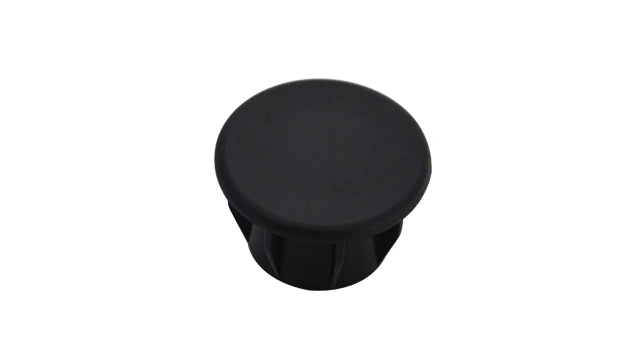
Plastic pipe end cap
Plastic pipe cover, used for 28mm two end cover and protection, to avoid any scratch from sharp metal surface.
Walk into any busy warehouse, factory floor, or workshop, and you'll notice one thing right away: storage racks are the unsung heroes keeping everything organized. From raw materials stacked on high shelves to finished products waiting to ship, these structures form the backbone of efficient operations. But here's a question: when was the last time you thought about the tiny parts that keep these racks working their best? Today, we're shining a spotlight on a component so small it's easy to overlook—but so critical it can save you from costly mistakes: plastic pipe end caps.
You might be thinking, "End caps? Really? How important can a piece of plastic be?" Let me paint you a picture. Imagine a food processing plant where ingredients are stored in flow racks made from lean pipe . Over time, dust drifts into the open ends of those pipes, mixing with moisture from the air and creating a grimy buildup. When that rack is used to hold bags of flour or sugar, tiny particles of that dust could sift into the products, leading to contamination, recalls, or even health risks. Or consider a electronics workshop with a lean pipe workbench —open pipe ends might collect metal shavings or debris, which could scratch delicate circuit boards placed on the bench. Suddenly, those "insignificant" end caps don't seem so trivial anymore.
The Hidden Cost of Dust and Contamination in Storage
Dust and contamination might seem like minor nuisances, but in the world of storage and production, they're silent profit killers. Let's break down why they matter:
Product Quality: For industries like pharmaceuticals, food and beverage, or electronics, even a speck of dust can ruin a batch. A study by the Manufacturing Extension Partnership found that dust-related defects cost U.S. manufacturers over $30 billion annually. That's not just lost products—it's wasted time, labor, and customer trust.
Equipment Longevity: Dust isn't just bad for products; it's bad for your racks, too. When dust accumulates inside pipe frames, it traps moisture, leading to rust (especially in metal pipes) or degradation (in plastic or coated pipes). Over time, this weakens the structure, making racks less stable and more prone to failure. Replacing a bent rack or a collapsed shelf is far more expensive than preventing the issue in the first place.
Safety Risks: Open pipe ends aren't just dust magnets—they're also hazards. Sharp, exposed edges can snag gloves, clothing, or even skin, leading to cuts or trips. In busy environments where workers are moving quickly, these small risks add up to big liability concerns.
Maintenance Headaches: Cleaning out dust from pipe ends is a tedious, time-consuming task. Employees could be spending hours wiping, vacuuming, or even disassembling racks to reach hidden dust—time that could be better spent on more productive work. And if you skip the cleaning? The problem only gets worse.
What Are Plastic Pipe End Caps, Anyway?
Let's start with the basics. Plastic pipe end caps are exactly what they sound like: small, usually cylindrical or domed pieces of plastic designed to fit snugly over the open ends of pipes. They're made from durable materials like polypropylene (PP), polyethylene (PE), or PVC, chosen for their resistance to impact, moisture, and chemicals. Most are flexible enough to stretch slightly for a tight fit but rigid enough to hold their shape over time.
These caps come in all shapes and sizes to match different pipe diameters—from thin 0.5-inch tubes used in small workbenches to thicker 2-inch pipes in heavy-duty storage racks. Some are plain and functional, while others come in colors like yellow or grey to match your facility's aesthetic or safety coding (think: yellow for high-traffic areas, grey for standard use). And while they're simple in design, their job is complex: to seal off pipe ends, keeping out dust, debris, moisture, and pests—all while adding a layer of safety and extending the life of your racks.

The Unsung Benefits of Plastic Pipe End Caps
Now that we know what they are, let's dive into why they matter. Plastic pipe end caps offer a surprising number of benefits that go far beyond "just covering a hole." Here's how they make a difference in real-world operations:
1. Dust Prevention: Keeping Your Racks (and Products) Clean
Dust is everywhere—even in the cleanest facilities. It drifts through the air, settles on surfaces, and, worst of all, finds its way into open spaces like pipe ends. Once inside, it's hard to remove. Over time, that dust mixes with condensation, oil, or other residues, turning into a sticky sludge that's a nightmare to clean. Plastic end caps act as a barrier, sealing off those open ends and stopping dust in its tracks. No more cringing when you peer into a pipe and see a year's worth of grime!
2. Contamination Control: Protecting What Matters Most
For industries where cleanliness is non-negotiable—like food processing, pharmaceuticals, or electronics—contamination is a constant threat. Even a tiny amount of debris from a pipe end could ruin a batch of medication or cause a recall of packaged snacks. Plastic end caps add an extra layer of protection, preventing not just dust but also pests (think: small insects), moisture, and even chemical spills from seeping into pipes. In facilities that use roller tracks for moving products, capped ends mean less debris getting caught in the rollers, keeping material flow smooth and reducing jams.
3. Safety First: No More Sharp Edges
Ever brushed against an open pipe end and winced at the sharp edge? Uncapped pipes can have rough, jagged edges from cutting or drilling, which pose a risk of cuts, scrapes, or torn gloves. Plastic end caps smooth those edges, turning a potential hazard into a safe, rounded surface. This is especially important in areas where workers move quickly—like loading docks or assembly lines—or where products are handled manually. A small cap could be the difference between a minor scratch and a trip to the first-aid station.
4. Durability: Making Your Racks Last Longer
Pipes are tough, but their open ends are vulnerable. Bumps from forklifts, accidental kicks, or even just the weight of stacked items can dent or bend exposed pipe ends, weakening the structure over time. Plastic end caps act as a buffer, absorbing impact and protecting the pipe's integrity. They also shield the inside of the pipe from corrosion by blocking moisture and chemicals, which is a game-changer for metal pipes or lean pipe with PE coatings. In short: capped pipes last longer, meaning you spend less on replacements and repairs.
5. Aesthetics: Polishing Your Facility's Look
Okay, this one might seem less critical, but hear us out. A facility with neat, finished-looking racks sends a message: "We care about details." Open pipe ends can make even the most organized space look messy or unfinished. Plastic end caps give your racks a clean, professional appearance—like adding a fresh coat of paint to a room. It's a small touch, but it can boost morale (no one likes working in a space that feels neglected) and impress visitors, from clients to auditors.

Finding the Right Fit: Types of Plastic Pipe End Caps
Not all end caps are created equal. To get the most out of them, you need to choose the right type for your pipes and application. Here's a breakdown of the most common options, along with when to use them:
| End Cap Type | Compatible Pipe Size | Material | Best For | Color Options |
|---|---|---|---|---|
| Standard Round End Cap | 0.5–2 inches | Polypropylene (PP) | General use: lean pipe racks, workbenches, small flow racks | Grey, white, black |
| Flanged End Cap | 1–1.5 inches | Polyethylene (PE) | Heavy-duty applications: roller tracks, conveyor frames | Yellow, red (safety colors) |
| Domed End Cap | 0.75–2 inches | PVC | High-traffic areas: walkways, low-hanging racks | Blue, green (customizable) |
| Tapered End Cap | 1–3 inches | PP + rubber blend | Uneven or slightly damaged pipe ends | Grey, black |
Standard Round End Caps: The workhorses of the end cap world. These are your go-to for most applications, from lean pipe storage racks to the legs of a workbench . They're affordable, easy to install, and come in neutral colors that blend in. If you're not sure which cap to get, start here—they'll work for 90% of cases.
Flanged End Caps: These have a small lip (or "flange") around the base, which adds extra stability and prevents the cap from slipping off. They're ideal for pipes that see a lot of movement or vibration, like those in roller tracks or conveyor systems. The flange also makes them easier to remove if you need to access the pipe end later (no prying with a screwdriver!).
Domed End Caps: Shaped like a half-sphere, these are all about safety. The rounded top eliminates sharp edges entirely, making them perfect for areas where people or equipment might bump into pipes—think: low-hanging racks in walkways or the corners of workbenches . They're also great for outdoor use, as the dome shape sheds rain and snow.
Tapered End Caps: Designed for pipes with uneven or slightly damaged ends, these caps have a flexible, cone-like shape that can stretch to fit imperfect diameters. If your pipes are a little bent or have rough edges from cutting, tapered caps will still seal them tightly—no need to sand or file the pipe first.
Installing Plastic Pipe End Caps: A Quick How-To
The best part about plastic pipe end caps? They're incredibly easy to install. You don't need special tools, glue, or technical expertise—just a few minutes and a steady hand. Here's a step-by-step guide to get it right:
Step 1: Measure Your Pipe Diameter
First, figure out what size cap you need. Use a tape measure or caliper to measure the outer diameter of your pipe (not the inner diameter—end caps fit over the outside). Write this number down—common sizes are 0.5 inch, 1 inch, 1.5 inches, and 2 inches. If you're unsure, take a sample pipe to your supplier—they'll help you match it to the right cap.
Step 2: Clean the Pipe End
Before installing the cap, wipe the pipe end with a clean cloth to remove dust, grease, or debris. If there's rust or caked-on grime, use a wire brush or sandpaper to clean it off—you want the cap to sit flush against the pipe, not on top of gunk. A clean surface also helps the cap grip better, so it won't fall off over time.
Step 3: Choose the Right Cap (and Test the Fit)
Grab your cap and check that it matches your pipe size. Most caps are labeled with their diameter (e.g., "1 inch PP cap"), but it never hurts to test it first. Gently press the cap onto the pipe end—it should fit snugly, with no gaps. If it's too loose, it will fall off; if it's too tight, you might tear the cap trying to install it. If the fit is off, swap it for a different size.
Step 4: Press or Tap into Place
For most caps, a firm press is all you need. Hold the pipe steady with one hand and push the cap onto the end with the other, applying even pressure until it "pops" into place. If it's a tight fit, try warming the cap slightly with a hair dryer (plastic softens when warm) or tapping it gently with a rubber mallet (avoid metal hammers—they can crack the plastic). Stop when the cap is flush with the pipe end—no part of the pipe should stick out.
Step 5: Check the Fit (and Repeat)
Give the cap a gentle tug to make sure it's secure. It should stay in place without sliding off. If it moves, press it on again with more force. Once you're happy with the fit, move on to the next pipe end. Depending on the size of your rack, you can usually cap 10–15 pipes in 10 minutes—quick enough to fit into a lunch break!
Real-World Impact: Case Studies
Still not convinced these small caps make a big difference? Let's look at two real-life examples of facilities that started using plastic pipe end caps and saw tangible results.
Case Study 1: A Food Packaging Warehouse Cuts Contamination by 40%
A mid-sized food packaging company in Ohio was struggling with mysterious dust particles in their sealed snack bags. After months of investigation, they traced the issue to their flow racks , which used uncovered lean pipe frames. Dust had accumulated inside the pipes over years, and when the racks were loaded or unloaded, vibrations shook loose particles that fell onto the products below.
The solution? Installing grey plastic end caps on all pipe ends. Within three months, dust-related quality checks passed 40% more often, and customer complaints dropped by 35%. The warehouse manager later joked, "We spent thousands on air purifiers, but all we needed was 50 cents worth of plastic caps!"
Case Study 2: An Electronics Workshop Reduces Scrap Rates by 25%
A small electronics workshop in Texas builds circuit boards for medical devices. Their workbenches were made from aluminum pipes, and open ends were collecting metal shavings and solder residue. These particles would sometimes fall onto circuit boards during assembly, causing short circuits and costly scrap.
After switching to yellow plastic end caps (chosen for visibility, to ensure none were missed during inspections), the workshop saw a 25% drop in scrap rates. "We used to throw away 5–10 boards a week because of dust," said the lead technician. "Now it's maybe one. The caps paid for themselves in a month."
Why Plastic? Comparing End Cap Materials
Plastic isn't the only material used for end caps—you'll also find metal (like steel or aluminum) and rubber options. So why choose plastic? Let's break down the pros and cons:
Plastic vs. Metal End Caps
Metal end caps are durable, no doubt—but they're heavy, prone to rust (unless coated), and expensive. They also conduct heat and cold, which can be a problem in extreme temperatures (think: a freezing warehouse or a hot factory). Plastic caps, on the other hand, are lightweight, rust-proof, and cheaper—often costing 50% less than metal. They're also safer: metal caps can dent or bend, leaving sharp edges, while plastic stays smooth even after impact.
Plastic vs. Rubber End Caps
Rubber caps are flexible and great for sealing, but they degrade faster than plastic—especially in sunlight or around oils and chemicals. They also tend to attract dust (rubber is slightly sticky), defeating the purpose of capping in the first place. Plastic caps are more resistant to wear and tear, and their smooth surface doesn't trap dust. For long-term use, plastic is the clear winner.
Maintenance Tips for Long-Lasting End Caps
Plastic pipe end caps are low-maintenance, but a little care goes a long way. Here's how to keep them working their best:
- Inspect Regularly: Check caps monthly for cracks, looseness, or discoloration. If a cap is cracked, replace it immediately—even a small split can let in dust.
- Clean Gently: Wipe caps with a damp cloth or mild soap and water to remove dirt. Avoid harsh chemicals like bleach, which can weaken the plastic.
- replace When Worn: Over time, caps can stretch or become brittle (especially in extreme temperatures). If a cap no longer fits snugly, swap it for a new one—don't wait for it to fall off.
- Stock Spares: Keep a few extra caps on hand for quick replacements. You never know when a cap might get knocked off during a busy day.
Conclusion: Small Caps, Big Results
At the end of the day, plastic pipe end caps are a classic example of "small investment, big returns." They cost pennies on the dollar compared to the price of contaminated products, damaged racks, or safety incidents. Whether you're running a food warehouse, an electronics workshop, or a busy factory, these tiny pieces of plastic can make a huge difference in keeping your operations clean, safe, and efficient.
So the next time you walk past your storage racks or workbenches , take a second look at those pipe ends. Are they capped? If not, it might be time to pick up a pack of plastic end caps. Your products, your team, and your bottom line will thank you.