- Company Articles
- Products and Technology
- Product knowledge
- Plastic Pipe End Caps for Turnover Carts: Securing Pipes in Material Handling

Plastic Pipe End Caps for Turnover Carts: Securing Pipes in Material Handling
Related Product
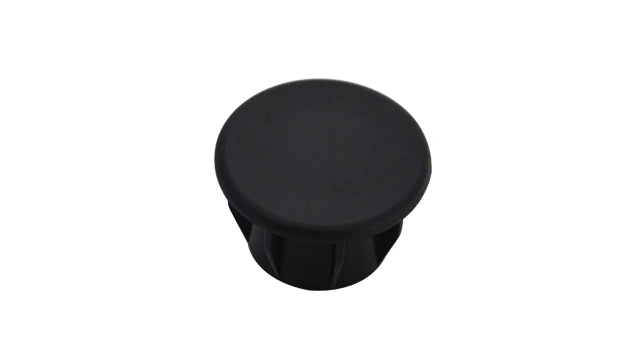
Plastic pipe end cap
Plastic pipe cover, used for 28mm two end cover and protection, to avoid any scratch from sharp metal surface.
In the fast-paced world of warehouses, manufacturing plants, and distribution centers, efficiency isn't just a buzzword—it's the backbone of operations. Every tool, every piece of equipment, and every small component plays a role in keeping the workflow smooth, safe, and productive. One such unsung hero in material handling is the turnover cart. These versatile, mobile units zip through aisles, carry heavy loads, and connect workstations, making them indispensable for moving parts, finished goods, and supplies. But have you ever stopped to think about what holds these carts together? Behind their sturdy frames and smooth-rolling caster wheels lies a critical component: the pipes that form their structure. And to keep those pipes—and the entire cart—performing at their best, there's one small but mighty part you can't overlook: the plastic pipe end cap.
In this article, we'll dive deep into the world of plastic pipe end caps for turnover carts. We'll explore why they matter, how they work, and why they're a game-changer for anyone relying on these carts to keep their material handling operations running. Whether you're a warehouse manager, a manufacturing supervisor, or simply someone curious about the mechanics of everyday industrial tools, this guide will show you how a tiny component can make a huge difference in safety, durability, and efficiency.
The Role of Turnover Trolleys in Modern Material Handling
Before we get into the specifics of pipe end caps, let's take a moment to appreciate the star of the show: the turnover trolley and rack system. These carts—often called "turnover trolleys" or "material handling carts"—are the workhorses of countless industries. From automotive assembly lines to e-commerce fulfillment centers, they're designed to transport goods quickly and safely between workstations, storage areas, and shipping docks. What makes them so popular? Their flexibility. Unlike fixed shelving or heavy machinery, turnover trolleys are mobile (thanks to those trusty caster wheels), customizable, and easy to maneuver in tight spaces. They can be loaded with anything from small electronic components to bulky raw materials, and they adapt to the unique needs of each facility.
But here's the thing: a turnover trolley is only as strong as its weakest link. If its frame is wobbly, its wheels are faulty, or its components are poorly secured, it can slow down operations, create safety hazards, and even lead to damaged goods. That's where the structure of the cart comes into play. Most modern turnover trolleys are built using a modular system of pipes and joints—often lean pipe or aluminum pipe—that can be configured into shelves, racks, or flatbeds. This modular design makes them easy to assemble, disassemble, and reconfigure, but it also means that every part of the frame needs to be properly secured to ensure stability.
Anatomy of a Turnover Trolley: The Unsung Heroes (Pipes and Their Ends)
Let's break down the structure of a typical turnover trolley. At its core, you'll find a frame made of interconnected pipes. These pipes—usually lean pipe, aluminum pipe, or stainless steel pipe—form the vertical supports, horizontal rails, and crossbars that give the cart its shape and strength. Attached to these pipes are joints, brackets, and accessories that hold everything together, along with shelves, bins, or platforms for carrying goods. And, of course, at the bottom, you'll find caster wheels that allow the cart to roll smoothly across floors.
Now, focus on the pipes themselves. When these pipes are cut to length during assembly, their ends are often left raw—sharp, uneven, and vulnerable. Without any protection, these exposed ends can cause a host of problems. For starters, they're a safety risk: a worker rushing to move a cart could brush against an exposed pipe end and get a cut or scrape. Over time, the raw edges can also damage other components, like the joints that connect the pipes, or even the goods being transported. Dust, dirt, and moisture can seep into the open ends of the pipes, leading to corrosion or internal damage, which weakens the frame over time. And perhaps most frustratingly, loose or unprotected pipe ends can create a wobbly, unstable cart—making it harder to push, more likely to tip, and less reliable for carrying heavy loads.
This is where plastic pipe end caps enter the picture. These small, often overlooked components are designed to fit snugly over the ends of pipes, sealing them off, protecting them, and stabilizing the entire structure. Think of them as the "caps" on a pen—simple, but essential for keeping the ink from drying out and the pen from scratching surfaces. In the case of turnover trolleys, plastic pipe end caps do more than just "cap" the pipes; they're a critical line of defense against wear, tear, and workplace hazards.

Why Plastic? The Benefits of Pipe End Caps for Turnover Carts
You might be wondering: why plastic? Why not metal, rubber, or another material? The answer lies in plastic's unique combination of durability, flexibility, and cost-effectiveness. Let's break down the key benefits of using plastic pipe end caps for your turnover carts:
Safety First: Sharp pipe ends are a liability in any workplace. Plastic end caps soften these edges, turning a potential hazard into a smooth, rounded surface. This reduces the risk of cuts, scrapes, and bruises for workers who handle or pass by the carts. In busy environments where every second counts, the last thing you need is an avoidable injury slowing down your team.
Protection Against the Elements: Warehouses and factories are tough on equipment. Dust, dirt, oil, and moisture are everywhere, and they love to sneak into open pipe ends. Plastic end caps create a tight seal, preventing these contaminants from entering the pipes. This not only extends the life of the pipes but also keeps the cart's frame strong and free from corrosion—critical for carts that need to withstand heavy daily use.
Stability and Structural Integrity: A wobbly cart is more than just annoying; it's dangerous. When pipe ends are left unprotected, they can shift inside their joints or wear down the connecting components over time. Plastic end caps add a layer of stability by creating a snug fit between the pipe and its joint. They act as a buffer, absorbing minor shocks and vibrations from movement, which helps keep the entire frame rigid and secure.
Cost-Effective Durability: Plastic might seem "flimsy" compared to metal, but modern industrial plastics—like polypropylene or nylon—are surprisingly tough. They resist impact, chemicals, and temperature changes, making them ideal for harsh industrial environments. And because they're lightweight and easy to produce, plastic end caps are also affordable, which means you can protect every pipe on every cart without breaking the bank.
Versatility: Turnover trolleys come in all shapes and sizes, and so do the pipes that build them. Plastic pipe end caps are available in a range of diameters (from 0.5 inch to 2 inches or more) to fit different pipe types, including lean pipe, aluminum pipe, and stainless steel pipe. They can also be customized with colors (like yellow or grey, to match your facility's color-coding system) or even embossed with logos or part numbers for easy identification.

Types of Plastic Pipe End Caps: Finding the Right Fit for Your Trolley
Not all plastic pipe end caps are created equal. To get the most out of them, you need to choose the right type for your turnover trolley's pipes. Let's take a look at the most common options, their features, and when to use them. The table below compares three popular sizes of plastic pipe end caps, perfect for common pipe types used in turnover carts:
| End Cap Size (Inner Diameter) | Material | Recommended Pipe Type | Typical Load Capacity | Best For | Color Options |
|---|---|---|---|---|---|
| 0.5 inch | Polypropylene (PP) | Small lean pipe, aluminum pipe (miniature frames) | Up to 50 lbs per pipe end | Light-duty carts, electronic component transport, small parts bins | Grey, White |
| 1 inch | Nylon | Standard lean pipe, 1-inch aluminum pipe | Up to 150 lbs per pipe end | Medium-duty carts, general warehouse use, assembly line trolleys | Yellow, Grey, Black (ESD-safe for electronics) |
| 1.5 inch | Reinforced Polypropylene | Heavy-duty lean pipe, stainless steel pipe, large aluminum profile | Up to 300 lbs per pipe end | Heavy-load carts, raw material transport, industrial machinery parts | Black, Blue (high-visibility) |
0.5 Inch End Caps: These tiny caps are perfect for small-diameter pipes, often used in lightweight turnover trolleys or specialized carts for delicate items (like circuit boards or medical supplies). Their small size means they add minimal bulk, but they still provide essential protection against sharp edges. Made from polypropylene, they're resistant to chemicals and easy to clean, which is a plus for industries with strict hygiene standards (like food processing or pharmaceuticals).
1 Inch End Caps: The workhorse of the bunch, 1-inch end caps are the most commonly used size for standard turnover trolleys. They fit snugly on 1-inch lean pipe or aluminum pipe—the go-to materials for most medium-duty carts. Made from durable nylon, they can handle the daily wear and tear of warehouse use, including bumps from other carts or accidental drops. Many 1-inch caps also come in ESD-safe black, which is critical for electronics manufacturing, where static electricity can damage sensitive components.
1.5 Inch End Caps: When you need to protect larger, heavier pipes (like those used in heavy-duty turnover trolleys or material racks), 1.5-inch end caps are the way to go. These are often made from reinforced polypropylene, which adds extra strength to withstand higher loads and more frequent use. They're ideal for carts that carry metal parts, machinery components, or bulk materials, where the pipes themselves are under more stress. The high-visibility blue color option is also a favorite in busy facilities, making the carts easier to spot and reducing collision risks.
Installing Plastic Pipe End Caps: A Step-by-Step Guide
Now that you know what type of end cap you need, let's talk about how to install them. The good news? It's a simple process that doesn't require special tools or expertise—just a little attention to detail. Here's a step-by-step guide to getting it right:
Step 1: Measure Your Pipes – Before you buy end caps, measure the outer diameter of your trolley's pipes. This will ensure you get the right size (remember: end caps are sized by their inner diameter, which should match the pipe's outer diameter). For example, a 1-inch lean pipe has an outer diameter of 1 inch, so you'll need a 1-inch end cap.
Step 2: Clean the Pipe Ends – Over time, pipe ends can collect dirt, grease, or rust, which can prevent the end cap from fitting tightly. Use a clean cloth or a wire brush to wipe away any debris. For stubborn grime, a mild detergent or rubbing alcohol can help—just make sure the pipe is dry before moving on.
Step 3: Choose a Fit Style – Most plastic end caps are "press-fit," meaning they slip over the pipe end and stay in place with friction. Some may have a slight taper or ribs on the inner surface to create a tighter seal. For extra security (especially on carts that carry heavy loads), you can add a small drop of industrial adhesive (like epoxy) to the pipe end before installing the cap. Just be careful not to use too much—you want to be able to remove the cap later if you need to reconfigure the trolley.
Step 4: Press the Cap Into Place – Align the end cap with the pipe end, making sure it's straight. Then, apply firm, even pressure to push it on. You should feel a slight "pop" or resistance when it's fully seated. If it's too loose, you may have the wrong size; if it's too tight, try warming the cap slightly with a hair dryer (the plastic will expand a bit, making it easier to fit).
Step 5: Inspect and Test – After installing all caps, give each one a gentle tug to make sure it's secure. Then, roll the trolley around a test area to see how it handles. The frame should feel stable, with no rattling or wobbling—signs that the end caps are doing their job.
Real-World Impact: How Plastic End Caps Improved One Warehouse's Efficiency
To understand just how much plastic pipe end caps matter, let's look at a real example. Consider a mid-sized automotive parts warehouse in the Midwest that relied on a fleet of 50 turnover trolleys to move components between its receiving dock and assembly line. For years, the warehouse struggled with two recurring issues: frequent worker injuries from sharp pipe ends (leading to lost workdays) and wobbly carts that slowed down transport times and occasionally damaged parts.
The warehouse manager initially tried ignoring the problem—after all, the carts still "worked," and replacing them would be expensive. But when a new safety audit flagged the exposed pipe ends as a critical hazard, they decided to take action. Instead of buying new carts, they invested in 1-inch nylon end caps (matching their lean pipe frames) and spent a weekend installing them on every trolley.
The results were immediate. Within a month, worker injuries from cart-related cuts dropped to zero. The carts, now stabilized by the end caps, rolled more smoothly, reducing transport time by 15% (workers no longer had to slow down to steady wobbly loads). And because the end caps prevented dirt from entering the pipes, the carts required less maintenance—saving the warehouse over $2,000 in repair costs in the first year alone. "It's amazing how something so small could make such a big difference," the manager later said. "We should have done this years ago."
Plastic vs. the Alternatives: Why End Caps Beat Metal, Rubber, and DIY Fixes
You might be thinking: "Can't I just use something else to cover pipe ends?" It's a fair question. Let's compare plastic end caps to some common alternatives to see why they're the best choice:
Metal End Caps: Metal caps are durable, but they're also heavy, expensive, and prone to rust. They can scratch floors, damage goods, and even conduct electricity—making them a bad fit for electronics or cleanrooms. Plus, their hard edges can still cause injuries if they're not perfectly smooth.
Rubber Caps: Rubber is flexible and shock-absorbent, but it's not as durable as plastic. It can crack in cold temperatures, degrade in hot environments, or break down when exposed to oils or chemicals—common in industrial settings. Rubber also tends to "grab" onto surfaces, which can make the trolley harder to roll.
DIY Fixes (Duct Tape, Foam, etc.): Duct tape might seem like a quick fix, but it wears out fast, leaving sticky residue and exposed edges. Foam is soft, but it tears easily and absorbs moisture, leading to mold or mildew. These "solutions" might work for a day, but they'll cost you more in the long run in replacements and downtime.
Plastic End Caps: As we've seen, plastic strikes the perfect balance. It's lightweight, durable, affordable, and resistant to the elements. It won't scratch, rust, or degrade, and it provides a consistent, reliable seal for pipe ends. When it comes to protecting turnover trolleys, there's really no better option.
Maintaining Your Plastic Pipe End Caps: Tips for Longevity
Like any component, plastic pipe end caps need a little care to last. Here are some simple maintenance tips to keep them (and your turnover trolleys) in top shape:
Inspect Regularly: Make end cap checks part of your routine equipment inspections. Look for cracks, chips, or looseness—signs that a cap needs replacing. Pay extra attention to caps on carts that are used heavily or in rough environments (like outdoor yards or construction sites).
Clean When Needed: Wipe down end caps with a damp cloth to remove dirt or grease. For stubborn stains, use a mild soap and water—avoid harsh chemicals (like bleach or solvents), which can weaken the plastic.
replace Promptly: If a cap is damaged or missing, replace it right away. A single exposed pipe end can undo all the safety and stability benefits you've gained. Keep a few spare caps on hand (in different sizes) so you're never caught without a replacement.
Adjust for Temperature Changes: Plastic expands and contracts with temperature. In very cold weather, caps might become brittle, so avoid hitting or dropping the trolley. In hot weather, caps might loosen slightly—check them after a heatwave and press them back into place if needed.
Conclusion: Small Components, Big Results in Material Handling
In the grand scheme of material handling, plastic pipe end caps might seem (tiny). But as we've explored, their impact is anything but small. They protect workers from injuries, extend the life of turnover trolleys, improve stability, and reduce maintenance costs—all while being affordable and easy to install. In a world where every second and every dollar counts, these little caps deliver a huge return on investment.
So the next time you see a turnover trolley gliding through your facility, take a moment to look at its frame. Chances are, there's a plastic pipe end cap keeping it together. And now that you know how much work that small component is doing, you'll never take it for granted again. Whether you're building new trolleys, upgrading old ones, or simply looking to boost efficiency in your material handling operations, don't overlook the power of plastic pipe end caps. They might just be the missing piece that takes your workflow from "good" to "great."