- Company Articles
- Products and Technology
- Solution
- Plastic Pipe End Caps for Workbench E: Enhancing Lean Workstation Setup

Plastic Pipe End Caps for Workbench E: Enhancing Lean Workstation Setup
Related Product
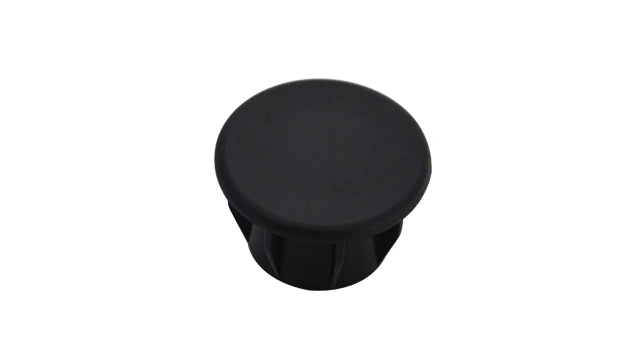
Plastic pipe end cap
Plastic pipe cover, used for 28mm two end cover and protection, to avoid any scratch from sharp metal surface.
Walk into any well-run manufacturing facility, and you'll notice something immediately: the best workstations aren't just about big, flashy equipment. They're about the small, intentional choices that turn a cluttered space into a streamlined hub of productivity. That's the heart of lean manufacturing—focusing on efficiency, reducing waste, and creating systems that work with your team, not against them. And when it comes to building that perfect lean workstation, few tools are as quietly essential as the humble Workbench E. But even the sturdiest workbench needs a finishing touch to truly shine: plastic pipe end caps. Let's dive into why these tiny components are a game-changer for anyone looking to enhance their lean workstation setup.
Meet Workbench E: The Backbone of Lean Assembly Lines
First, let's get to know Workbench E. If you're in production assemble, you've probably seen it—or even used it—without realizing its full potential. Designed as a single-deck workbench without casters, Workbench E is the unsung hero of static workstations. It's the spot where operators assemble components, inspect products, or prep materials before they move down the line. Its simplicity is its strength: no wheels mean stability, a single deck keeps surfaces uncluttered, and its modular design makes it easy to customize with lean pipe accessories like shelves, tool holders, or material racks. But here's the thing: even the most thoughtfully designed workbench can fall short if the details are overlooked. And that's where plastic pipe end caps come in.
Why Small Components Matter in Lean Systems
Lean systems thrive on precision. Every part of the workstation should serve a purpose—whether it's reducing motion waste, improving ergonomics, or keeping tools within arm's reach. But too often, we focus on the "big ticket" items: the workbench itself, the conveyor, or the flow rack. We forget that the smallest parts can have the biggest impact on daily operations. Take, for example, the exposed ends of lean pipes that frame Workbench E. Without protection, those raw pipe edges can snag gloves, scratch tools, or even damage delicate products. Over time, that leads to wasted time (stopping to fix snags), wasted materials (scrapped products), and even safety risks (cuts or scrapes for operators). In lean terms, that's the opposite of efficiency—it's waste, plain and simple. Plastic pipe end caps eliminate that waste by turning those sharp, ragged edges into smooth, safe surfaces. They're the final puzzle piece that turns a "good" workstation into a "great" one.

Plastic Pipe End Caps: More Than Just a Cover-Up
At first glance, plastic pipe end caps might seem like a trivial addition. "It's just a cap," you might think. "How much difference can it make?" But anyone who's spent a day on a busy production floor knows better. Let's break down their benefits, one by one:
- Safety First: Exposed lean pipe ends are sharp—even if they're "finished" at the factory. A quick brush against one can tear through gloves or skin, leading to injuries and downtime. Plastic end caps create a soft, rounded barrier that eliminates this risk. For teams prioritizing 5S (the lean methodology focusing on sorting, setting in order, shining, standardizing, and sustaining), this is a critical step in creating a "shine" (clean, safe) workspace.
- Product Protection: If your Workbench E is used for assembling electronics, medical devices, or other delicate items, even a small scratch can render a product defective. Plastic end caps prevent those sharp pipe edges from marring surfaces or damaging components as they're moved across the workbench. Think of it as insurance for your products—cheap to implement, but priceless in avoiding costly rework.
- Longevity for Your Workbench: Lean systems are built to last, but wear and tear happen. Exposed pipe ends can collect dust, debris, or moisture over time, leading to rust (if you're using steel pipes) or degradation (for aluminum or plastic pipes). End caps seal off those ends, keeping contaminants out and extending the life of your Workbench E. That means fewer replacements, less downtime for repairs, and more value from your initial investment.
- Aesthetics and Morale: It might sound small, but a clean, polished workstation boosts team morale. When surfaces are free of jagged edges and everything has a "finished" look, operators feel like their workspace is cared for—and that translates to pride in their work. Plus, a tidy workstation is easier to clean, which supports the "sustain" step of 5S. No more dust bunnies hiding in pipe ends!

Choosing the Right Plastic Pipe End Caps for Workbench E
Not all end caps are created equal. To get the most out of your Workbench E, you'll want to pick end caps that match your specific needs. Here's what to consider:
| Feature | What to Look For | Why It Matters |
|---|---|---|
| Size | Matches the diameter of your lean pipes (common sizes: 0.5 inch, 1 inch) | A snug fit prevents caps from falling off during use, ensuring consistent protection. |
| Material | Durable, impact-resistant plastic (e.g., polypropylene) | Withstands daily wear, chemical exposure (if using cleaning agents), and temperature changes in factory environments. |
| Color | Neutral tones (grey, black) or brand-matching hues | Blends with your workstation's aesthetic; colored caps can also be used for visual organization (e.g., yellow for high-traffic areas). |
| ESD Compatibility | Non-conductive plastic (for ESD workstations) | Prevents static buildup, critical for electronics manufacturing where static discharge can damage sensitive components. |
For most Workbench E setups, a standard 1-inch plastic end cap in grey or black will do the trick. But if you're working in a specialized environment—like an ESD workstation—opting for non-conductive plastic is a must. And don't forget to check compatibility with your lean pipe joints! Most end caps are designed to slip easily over standard lean pipe ends, but it never hurts to confirm with your lean pipe supplier to avoid mismatched parts.
Installing Plastic Pipe End Caps: A 5-Minute Upgrade
One of the best things about plastic pipe end caps? They're incredibly easy to install. No tools, no complicated instructions—just a quick push, and you're done. Here's how it works:
- Prep the Pipe Ends: Wipe down the exposed ends of your Workbench E's lean pipes to remove dust or debris. A clean surface ensures the cap stays in place.
- Align and Press: Hold the end cap at a slight angle, aligning the opening with the pipe end. Gently push until it slides on—you should feel a snug fit, but it shouldn't require force. If it's too tight, check that you have the right size; if it's too loose, you may need a different style (some caps have ribs or friction fits for added grip).
- Inspect: Give the cap a light tug to make sure it's secure. That's it! No screws, no adhesives, no downtime. You can even keep a few extra caps in a drawer for quick replacements if one gets lost or damaged.
This simplicity is key for lean systems. When upgrades are quick and painless, your team is more likely to implement them—and keep them up. Unlike larger workstation overhauls, adding end caps won't disrupt production. You can do it during a shift change, a lunch break, or even while the line is running (safely, of course!).
Real-World Impact: How End Caps Transform Workbench E
Let's ground this in a real scenario. Imagine a production assemble line where operators use Workbench E to assemble small electronic components. Before adding plastic pipe end caps, the team noticed a few recurring issues: gloves getting caught on pipe ends, leading to minor cuts; delicate circuit boards occasionally getting scratched when slid across the bench; and maintenance spending 10 minutes each week cleaning dust out of exposed pipe ends. It wasn't catastrophic, but it added up—wasted time, frustrated operators, and the occasional defective product.
Then, the facility manager ordered a pack of 1-inch grey plastic end caps from their trusted lean pipe workbench supplier. Within an hour, every Workbench E on the line had capped pipe ends. The results? Gloves stopped snagging, scratches on circuit boards dropped by 90%, and maintenance time for cleaning plummeted. Best of all, the operators commented on how "cleaner" and "more professional" the workstations felt. That's the power of a small change in a lean system—it's not just about fixing problems; it's about creating a space where your team can do their best work.
Why Your Lean Pipe Supplier Matters
Of course, none of this works if you skimp on quality. A flimsy end cap that cracks after a week or a cap that doesn't fit your pipes properly will only create more waste. That's why choosing a reliable lean pipe supplier is so important. Look for suppliers who specialize in lean system components—they'll understand the nuances of Workbench E and can recommend end caps that fit perfectly with your existing setup. A good supplier will also offer durable materials, consistent sizing, and maybe even bulk pricing if you're outfitting multiple workstations. Remember: lean manufacturing is about long-term value, not short-term savings. Investing in quality end caps now will pay off in fewer replacements, less downtime, and a more efficient line.
Final Thoughts: The Smallest Parts, the Biggest Difference
At the end of the day, lean manufacturing isn't about perfection—it's about progress. It's about looking at every part of your process, no matter how small, and asking, "How can this work better?" For Workbench E, the answer often lies in plastic pipe end caps. They protect your team, your products, and your equipment. They simplify maintenance, boost morale, and support the core principles of lean: efficiency, safety, and waste reduction.
So, the next time you're evaluating your workstation setup, don't overlook the details. Grab a pack of plastic pipe end caps, install them on your Workbench E, and watch how a tiny change can make a world of difference. After all, in lean systems, the best innovations are often the ones that work quietly, behind the scenes—making every day a little smoother, a little safer, and a lot more productive.