- Company Articles
- Products and Technology
- Product knowledge
- Plastic Pipe End Caps in Automotive Assembly: Protecting Hydraulic Pipes

Plastic Pipe End Caps in Automotive Assembly: Protecting Hydraulic Pipes
Related Product
Plastic pipe end cap
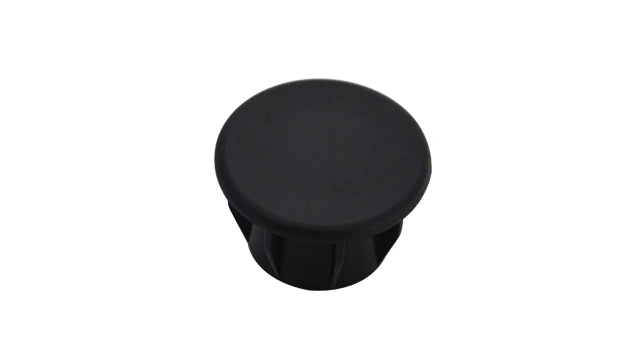
Plastic pipe cover, used for 28mm two end cover and protection, to avoid any scratch from sharp metal surface.
Walk into any modern automotive assembly plant, and you'll witness a carefully choreographed dance of technology and human skill. Robots with precision arms weld steel frames, workers in ergonomic workstations fit intricate components, and conveyor belts glide silently, carrying half-assembled vehicles from one station to the next. In this high-stakes environment, where every second counts and quality is non-negotiable, even the smallest components play a role in keeping the operation running smoothly. One such unsung hero? The plastic pipe end cap. These tiny, often overlooked parts are the first line of defense for hydraulic pipes—the critical lifelines that power everything from braking systems to power steering in today's vehicles. Let's take a closer look at how plastic pipe end caps protect these vital components, and why they're indispensable in the world of automotive manufacturing.
The Backbone of Automotive Systems: Hydraulic Pipes
Before diving into the role of plastic pipe end caps, it's important to understand why hydraulic pipes themselves are so crucial. Hydraulic systems rely on the transmission of pressurized fluid to generate force, making them ideal for applications that require precision, power, and responsiveness. In cars, this translates to systems we often take for granted: anti-lock braking systems (ABS) that prevent skidding, power steering that makes turning effortless, convertible tops that glide open and closed, and even adjustable suspension systems that adapt to rough roads. Without properly functioning hydraulic pipes, these systems would fail, putting drivers at risk and grinding production lines to a halt.
But hydraulic pipes face unique challenges during the assembly process. From the moment they arrive at the plant—often as raw, cut lengths of metal or plastic—until they're installed in the vehicle, they're exposed to a host of threats. Dust and debris from the factory floor can clog their interiors, moisture can cause corrosion, and accidental impacts from tools or other components can dent or crack their ends. Even a tiny scratch or blockage can compromise the pipe's ability to handle pressurized fluid, leading to leaks, reduced performance, or catastrophic failure down the line. That's where plastic pipe end caps step in: they seal off the open ends of hydraulic pipes, creating a barrier against contaminants and damage from the moment the pipes enter the assembly process until they're ready to be connected.
What Are Plastic Pipe End Caps, Exactly?
At first glance, a plastic pipe end cap might seem simple: a small, cup-shaped piece of plastic designed to fit snugly over the end of a pipe. But looks can be deceiving. These caps are engineered with precision to meet the demands of automotive manufacturing. They're typically made from durable, lightweight plastics like polyethylene (PE), polyvinyl chloride (PVC), or nylon, chosen for their resistance to chemicals, temperature fluctuations, and impact. Some are even formulated with anti-static properties to prevent electrostatic discharge (ESD), a critical feature in environments where sensitive electronic components are present.
The design of a plastic pipe end cap is equally thoughtful. Most feature a flexible, slightly tapered edge that allows them to stretch over the pipe's end, creating a tight, secure seal without the need for adhesives or tools. This "snap-on" design is intentional: in a fast-paced assembly line, workers need components that are quick and easy to install and remove. A well-designed end cap can be applied in seconds, ensuring that pipes are protected from the moment they're unboxed, and just as easily removed when it's time to connect them to hoses or valves.
But not all end caps are created equal. Depending on the pipe's diameter, material, and the conditions it will face during assembly, manufacturers might opt for different styles. Some caps have a ribbed interior to grip the pipe more securely, while others are smooth for easier removal. There are also "vented" end caps, which allow air to escape during installation (preventing a vacuum that could make removal difficult) and "closed" caps for maximum protection against liquids. For hydraulic pipes, which often carry oil-based fluids, chemical resistance is key—so end caps made from nylon or PVC are preferred, as they stand up to exposure to hydraulic fluid residues and cleaning solvents used in the plant.

Why Plastic? The Case for Non-Metal End Caps
You might be wondering: why use plastic for end caps when metal (like aluminum or steel) is stronger? It's a fair question, but in automotive assembly, plastic offers unique advantages that make it the material of choice. For starters, plastic is lightweight, which matters when you're handling thousands of pipes per day. A metal end cap might add unnecessary weight to a pipe bundle, increasing worker fatigue and slowing down the assembly process. Plastic, by contrast, is easy to carry, install, and dispose of (many are recyclable, aligning with sustainability goals in modern plants).
Plastic is also non-abrasive, which is critical for protecting the pipe's surface. Metal end caps, if not perfectly smooth, could scratch or mar the pipe's exterior during transport or storage, weakening it over time. Plastic, with its softer texture, acts as a buffer, preventing damage even if pipes rub against each other on a conveyor or in a storage rack. Additionally, plastic is naturally resistant to corrosion—a must in factories where humidity levels can fluctuate or where pipes might be exposed to water-based cleaning solutions. Unlike metal, plastic won't rust or degrade when exposed to moisture, ensuring long-lasting protection from the factory floor to the final vehicle.
Cost is another factor. Plastic end caps are significantly cheaper to produce than metal alternatives, making them ideal for high-volume manufacturing. In an industry where margins are tight and every penny counts, this cost savings adds up quickly—especially when you consider that each vehicle might require dozens of hydraulic pipes, each needing its own end cap. And because plastic is easy to mold, manufacturers can create custom shapes and sizes to fit unique pipe designs, ensuring a perfect seal every time.

Design Matters: How End Caps Are Engineered for the Assembly Line
In automotive manufacturing, where efficiency is king, even the smallest design flaw can disrupt the entire production line. That's why plastic pipe end caps are engineered with the assembly process in mind. Let's break down the key design features that make them so effective:
- Snug Fit, Easy Installation: The most critical feature of any end cap is its ability to stay in place without requiring tools. Manufacturers achieve this by designing caps with a slightly smaller inner diameter than the pipe's outer diameter. When stretched over the pipe, the plastic flexes, creating a tight seal that won't pop off during transport or handling. This "interference fit" ensures the cap stays put, even when pipes are jostled on a conveyor or stacked in a storage bin.
- Compatibility with Lean Systems: Modern automotive plants rely heavily on lean manufacturing principles, which prioritize reducing waste, streamlining workflows, and maximizing productivity. Plastic pipe end caps align perfectly with these goals. Their lightweight design reduces the energy needed to transport pipes, their low cost minimizes material waste, and their quick installation saves workers time—time that can be spent on more complex tasks. In a lean system, every second saved adds up, and end caps help keep the assembly line moving without unnecessary delays.
- Visibility and Color Coding: To avoid mix-ups, many end caps are color-coded by pipe size or application. For example, a red cap might indicate a pipe for the braking system, while a blue cap could signal a power steering pipe. This visual cue helps workers quickly identify the right pipe for the job, reducing errors and speeding up installation. Some caps even feature embossed labels or barcodes, allowing for easy tracking via the plant's inventory management system.
- Resistance to Factory Conditions: Automotive plants are harsh environments. Pipes and their end caps might be exposed to extreme temperatures (from welding stations or paint ovens), chemical spills (like lubricants or degreasers), and physical impacts (from robotic arms or heavy tools). Plastic end caps are tested rigorously to withstand these conditions, with materials chosen for their heat resistance (up to 120°C for some PVC caps) and chemical inertness. This ensures they don't degrade or become brittle, even after hours of exposure to factory conditions.
From Storage to Assembly: Where End Caps Protect Hydraulic Pipes
The journey of a hydraulic pipe in an automotive plant is long and fraught with potential hazards. Let's follow a typical pipe from arrival at the factory to installation in a vehicle, and see how plastic end caps protect it at every step:
1. Arrival and Storage
Hydraulic pipes arrive at the plant in bulk, often shipped in cardboard boxes or on pallets. Without protection, their open ends would immediately become magnets for dust, dirt, and moisture. As soon as the boxes are opened, workers place plastic end caps on each pipe, sealing off the interior. This initial step ensures that even during storage—whether in a rack, on a shelf, or in a bin—the pipes remain clean and dry. For plants that use automated storage systems, end caps prevent debris from falling into the pipes while they're being moved by robotic arms or conveyor systems.
2. Transport on Conveyors
Once the pipes are needed on the assembly line, they're loaded onto conveyors that carry them to the appropriate workstation. Conveyors are efficient, but they're not gentle—pipes can shift, bump against each other, or even slide off if not properly secured. End caps act as a buffer, absorbing minor impacts and preventing the pipe ends from becoming dented or crushed. They also keep out any debris that might fall onto the conveyor from above, such as metal shavings from nearby machining stations or dust from the air vents.
3. Handling at the Workbench
At the workstation, workers retrieve the pipes and prepare them for installation. Here, the end cap's easy-removal design shines. With a quick twist or pull, the cap comes off, revealing a clean, debris-free interior. This is critical because even a small speck of dirt inside a hydraulic pipe can damage valves or clog filters once the system is pressurized. By keeping the pipe's interior clean, end caps reduce the need for time-consuming cleaning steps, allowing workers to focus on assembling the vehicle rather than prepping components.
4. Post-Installation Protection
Even after the pipe is installed in the vehicle, end caps may still play a role. During the final testing phase, some hydraulic systems are pressure-tested to ensure there are no leaks. If a pipe needs to be temporarily disconnected for adjustments, an end cap can be reattached to keep contaminants out until the system is sealed again. This temporary protection ensures the system remains clean and functional, even during the final stages of production.
Material Matters: Comparing Plastic End Cap Options
Not all plastic pipe end caps are made from the same material, and choosing the right one depends on the specific needs of the application. Let's compare the most common materials used in automotive manufacturing:
| Material | Temperature Resistance | Chemical Resistance | Flexibility | Common Applications |
|---|---|---|---|---|
| Polyethylene (PE) | -40°C to 80°C | Resistant to water, mild acids, and alkalis | Highly flexible, ideal for tight fits | General-purpose hydraulic pipes, low-temperature environments |
| Polyvinyl Chloride (PVC) | -10°C to 60°C | Resistant to oils, greases, and most solvents | Moderate flexibility, rigid enough for secure sealing | Pipes exposed to lubricants or cleaning chemicals |
| Nylon | -40°C to 120°C | Excellent resistance to hydraulic fluids, fuels, and oils | Stiff yet durable, maintains shape under pressure | High-temperature applications, critical hydraulic systems (e.g., ABS) |
Nylon is often the material of choice for critical hydraulic pipes, thanks to its superior chemical and temperature resistance. For example, in the engine bay, where temperatures can soar, nylon end caps won't soften or deform, ensuring the pipe remains protected even in extreme conditions. PE and PVC, on the other hand, are better suited for less demanding applications, such as pipes in the vehicle's interior or undercarriage, where exposure to heat and chemicals is minimal.
Testing and Quality Control: Ensuring End Caps Perform When It Counts
In automotive manufacturing, there's no room for error. A single faulty component can lead to product recalls, safety risks, and damage to a brand's reputation. That's why plastic pipe end caps undergo rigorous testing before they ever reach the assembly line. Let's take a look at the quality control measures manufacturers use to ensure their caps are up to the task:
Leak Testing: The primary job of an end cap is to keep contaminants out, so manufacturers test how well they seal. This involves placing a capped pipe under water and applying pressure to the interior. If bubbles escape, the seal is compromised, and the cap is rejected. Only caps that maintain a perfect seal pass this test.
Impact Resistance: To simulate the rough-and-tumble of the assembly line, caps are dropped from heights (typically 1–2 meters) onto concrete floors. They're then inspected for cracks, splits, or deformation. Caps that fail this test are redesigned to be more durable.
Temperature Cycling: Automotive plants and vehicles themselves experience extreme temperature swings, so end caps must perform in both hot and cold conditions. Manufacturers subject caps to cycles of freezing (-40°C) and heating (up to 120°C) to ensure they don't become brittle in the cold or melt in the heat. After cycling, the caps are tested for flexibility and seal integrity.
Compatibility Testing: Since end caps come into contact with hydraulic fluids, oils, and cleaning agents, they're tested for chemical compatibility. Caps are submerged in these substances for extended periods (often 1000+ hours) and checked for swelling, discoloration, or degradation. Only materials that remain stable pass this test.
These tests ensure that plastic pipe end caps can withstand the harsh realities of automotive manufacturing, providing reliable protection from start to finish.
The Future of Plastic Pipe End Caps: Innovation in a Fast-Changing Industry
As automotive technology evolves, so too do the components that support it. Electric vehicles (EVs), for example, rely less on hydraulic systems than traditional gas-powered cars, but they still use hydraulic pipes for braking and suspension. Meanwhile, autonomous vehicles require even more precise hydraulic control, putting greater demands on pipe protection. So, what does the future hold for plastic pipe end caps?
One trend is the development of "smart" end caps embedded with tiny sensors. These sensors could monitor temperature, pressure, or moisture levels inside the pipe, alerting workers to potential issues before they become problems. For example, if a cap detects moisture inside a pipe, it could trigger a warning, preventing corrosion from taking hold. While still in the experimental stage, this technology could revolutionize quality control in automotive plants.
Sustainability is another growing concern. As the automotive industry shifts toward eco-friendly practices, manufacturers are exploring biodegradable or recyclable plastics for end caps. Companies like BASF and Dow are already developing plant-based plastics that offer the same durability as traditional materials but break down naturally after use. This would reduce waste and align with the industry's goal of achieving carbon neutrality.
Finally, customization will play a bigger role. As vehicles become more specialized (think electric trucks, luxury EVs, and autonomous shuttles), hydraulic systems will become more unique. End cap manufacturers will need to create custom designs to fit non-standard pipe sizes or shapes, using 3D printing to prototype and produce small batches quickly. This flexibility will allow plants to adapt to new vehicle designs without slowing down production.
Conclusion: Small Parts, Big Impact
In the grand scheme of automotive manufacturing, plastic pipe end caps might seem insignificant. They're small, cheap, and easy to overlook. But as we've seen, their role is anything but minor. By protecting hydraulic pipes from dust, debris, moisture, and damage, they ensure that critical vehicle systems work as intended—keeping drivers safe and production lines running smoothly. They align with lean systems, save time and money, and are engineered to withstand the toughest conditions the factory floor can throw at them.
The next time you see a car on the road, take a moment to appreciate the invisible components that make it work. From the hydraulic pipes that power its brakes to the plastic end caps that protect them, every part has a story. And in the world of automotive assembly, even the smallest story can have the biggest impact.