- Company Articles
- Products and Technology
- Product knowledge
- Plastic Pipe End Caps in Automotive Manufacturing: Protecting Conveyor Pipes

Plastic Pipe End Caps in Automotive Manufacturing: Protecting Conveyor Pipes
Related Product
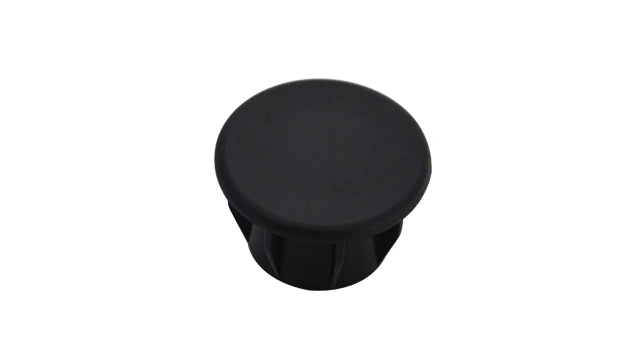
Plastic pipe end cap
Plastic pipe cover, used for 28mm two end cover and protection, to avoid any scratch from sharp metal surface.
The Unsung Guardians of Automotive Assembly Lines
Walk into any automotive manufacturing plant, and you'll be met with a symphony of precision: robotic arms gliding, workers in blue coveralls assembling components, and the steady hum of conveyor systems moving parts from one station to the next. These conveyors are the circulatory system of the plant, carrying everything from engine blocks to dashboard panels. But beneath the surface of this well-oiled operation lies a small yet critical component that often goes unnoticed: the plastic pipe end cap . These unassuming caps play a quiet but vital role in keeping the assembly line running smoothly, protecting both the equipment and the people who rely on it.
Automotive manufacturing is a world of tight deadlines and even tighter tolerances. A single breakdown in the conveyor system can bring production to a halt, costing manufacturers thousands of dollars per minute. That's why protecting every part of the conveyor infrastructure is non-negotiable—including the ends of the pipes that form the backbone of these systems. Without proper protection, raw pipe ends can become sharp, prone to corrosion, or damaged by repeated impacts, all of which threaten the reliability of the entire line. This is where plastic pipe end caps step in: simple, affordable, and surprisingly effective, they're the first line of defense for conveyor pipes.
Why Conveyor Pipes Need Protection: The Hidden Risks
To understand the importance of plastic pipe end caps, let's start with the basics: what exactly are conveyor pipes, and why are their ends so vulnerable? In automotive plants, conveyors are often built using lean pipe systems—lightweight, modular pipes that can be configured into custom layouts to suit specific production needs. These pipes are typically made of steel, aluminum, or stainless steel, and while they're durable, their open ends are surprisingly delicate.
Imagine a standard steel lean pipe cut to length for a conveyor frame. The cut end is rough, with burrs and sharp edges. Over time, these edges can snag on wiring, scratch worker gloves, or even damage the plastic components being transported. Worse, exposed metal ends are prone to rust and corrosion, especially in plants where lubricants, coolants, or cleaning agents are frequently used. Once corrosion sets in, the pipe weakens, increasing the risk of cracks or breaks. In extreme cases, a corroded pipe could collapse, bringing the entire conveyor line down with it.
Then there's the issue of debris. Dust, dirt, and small metal shavings are constant companions in manufacturing environments. Without an end cap, these particles can enter the hollow interior of the pipe, accumulating over time and restricting airflow (if the pipe is part of a pneumatic system) or adding unnecessary weight. In roller track conveyors—where goods slide along a series of rollers—debris inside the pipes can even cause the rollers to jam, slowing down material flow and creating bottlenecks in production.

Plastic Pipe End Caps: More Than Just a "Cap"
At first glance, a plastic pipe end cap might seem like a trivial accessory—little more than a plug to cover an open pipe. But in reality, these caps are engineered to address multiple challenges in automotive manufacturing. Let's break down their key functions:
- Edge Smoothing: The primary job of an end cap is to cover sharp, rough pipe ends, eliminating burrs and creating a smooth, safe surface. This protects workers from cuts and prevents damage to sensitive components like wiring harnesses or plastic trim pieces.
- Corrosion Resistance: Plastic is naturally resistant to rust and chemicals, making end caps an effective barrier against moisture, oils, and cleaning agents. By sealing the pipe's interior, they prevent corrosion from taking hold and extending the life of the lean pipe system.
- Debris Blocking: As mentioned earlier, end caps keep dust, dirt, and other contaminants out of the pipe's interior. This is especially critical for conveyors that use compressed air or vacuum systems, where debris could clog valves or damage motors.
- Impact Absorption: In busy plants, pipes are often bumped by forklifts, pallet jacks, or heavy equipment. Plastic end caps act as a cushion, absorbing minor impacts and reducing the risk of dents or cracks in the pipe itself.
What makes plastic end caps so versatile is their material diversity. Most are made from high-density polyethylene (HDPE), polyvinyl chloride (PVC), or nylon, each offering unique benefits. HDPE caps, for example, are flexible and resistant to impact, making them ideal for high-traffic areas. Nylon caps, on the other hand, have excellent heat resistance, which is useful near welding stations or ovens. PVC caps are cost-effective and easy to mold, making them a popular choice for standard conveyor applications.

A Closer Look: Types of Plastic Pipe End Caps for Automotive Conveyors
Not all plastic pipe end caps are created equal. Manufacturers offer a range of designs to suit different pipe materials, sizes, and installation needs. Below is a comparison of the most common types used in automotive plants:
| End Cap Type | Material | Installation Method | Best For | Temperature Resistance | Key Benefit |
|---|---|---|---|---|---|
| Push-Fit End Cap | HDPE or PVC | Slides over pipe end; friction-fit | Standard steel or aluminum lean pipes | -40°C to 80°C | Quick installation; no tools required |
| Threaded End Cap | Nylon or PP | Screws onto threaded pipe ends | Pipes with pre-threaded ends (e.g., stainless steel) | -30°C to 100°C | Secure, leak-proof seal for pneumatic systems |
| Snap-On End Cap | Flexible PVC | Snaps into place with a locking tab | Lightweight aluminum pipes | -20°C to 60°C | Reusable; ideal for frequently reconfigured lines |
| ESD-Safe End Cap | Conductive HDPE | Push-fit or adhesive-backed | Electronics assembly conveyors | -30°C to 70°C | Prevents static buildup; protects sensitive components |
For example, in electric vehicle (EV) battery production lines, where static electricity can damage lithium-ion cells, ESD-safe end caps are non-negotiable. These caps are made with conductive additives that dissipate static charges, ensuring components remain unharmed as they move along the conveyor. In contrast, a body shop using steel lean pipes for heavy-part conveyors might opt for rugged push-fit HDPE caps, which can withstand impacts from metal panels without cracking.
Aligning with Lean System Principles: How End Caps Boost Efficiency
Automotive manufacturers live and breathe lean manufacturing principles—eliminating waste, optimizing workflows, and continuous improvement. Plastic pipe end caps might seem like a small detail, but they play a big role in supporting these goals. Here's how:
Reducing Downtime: By preventing corrosion and damage to conveyor pipes, end caps extend the lifespan of the lean pipe system. This means fewer replacements and repairs, which translates to less unplanned downtime. In a plant running 24/7, even a 1-hour shutdown can cost upwards of $100,000—so every minute saved counts.
Minimizing Waste: Plastic end caps are affordable and lightweight, but their real value lies in waste reduction. Without end caps, pipes degrade faster, leading to premature replacement. By protecting pipes, end caps reduce the need for new materials, aligning with the "reduce, reuse, recycle" ethos of lean manufacturing.
Improving Safety: Lean systems prioritize worker safety, and sharp pipe ends are a significant hazard. End caps eliminate this risk, reducing the likelihood of workplace injuries and the associated costs (medical bills, lost productivity, workers' compensation claims). A safer workplace is also a more efficient one—employees can focus on their tasks without worrying about avoidable accidents.
Supporting Modularity: Lean pipe systems are designed to be modular, allowing plants to reconfigure conveyors as production needs change. Snap-on or push-fit end caps make it easy to disassemble and reassemble pipes without damaging them, supporting quick layout adjustments.
Real-World Impact: A Case Study in Automotive Manufacturing
To put this into perspective, let's look at a example from a mid-sized automotive parts supplier in Michigan. The plant produces door panels for a major automaker, using a network of roller track conveyors to move panels from the molding station to assembly. A few years ago, the plant was struggling with frequent jams in its roller tracks—parts would get stuck, requiring workers to stop the line and clear the blockage. The maintenance team traced the issue to debris buildup inside the aluminum lean pipes supporting the rollers. Without end caps, dust and metal shavings were entering the pipes, causing the rollers to bind.
The solution? The plant switched to push-fit HDPE end caps for all its conveyor pipes. The results were striking: within three months, roller track jams decreased by 75%, and maintenance time spent cleaning pipes dropped from 8 hours per week to just 1 hour. Workers also reported fewer scratched gloves and minor cuts, leading to a 20% reduction in safety incidents. Best of all, the cost of the end caps was offset by the savings in downtime and maintenance—proving that even small investments in protective components can deliver big returns.
Choosing the Right End Cap: Key Considerations for Buyers
With so many options available, how do automotive manufacturers choose the right plastic pipe end cap? Here are the top factors to consider:
Pipe Material and Size: The end cap must fit snugly on the pipe. Measure the pipe's outer diameter (OD) carefully—even a 1mm difference can mean a loose fit (which won't protect against debris) or a tight fit (which is hard to install). For steel pipes, HDPE or PVC caps work well; for aluminum, flexible snap-on caps are often better to avoid scratching the surface.
Environmental Conditions: Consider the plant's environment. Is the area hot (near ovens or welding)? Choose high-temperature nylon caps. Are chemicals or oils present? Opt for chemical-resistant PP caps. For cleanrooms (e.g., electronics assembly), look for caps with low particle emission ratings.
Installation and Removal Frequency: If the conveyor system is rarely reconfigured, threaded caps (which offer a permanent seal) might be best. If the line is adjusted often, snap-on or push-fit caps are easier to remove and reuse.
Cost vs. Durability: While plastic end caps are generally affordable, higher-quality materials (like nylon) cost more upfront but last longer. For high-traffic areas, investing in durable caps can save money in the long run by reducing replacement frequency.
The Future of Plastic Pipe End Caps: Innovation in Protection
As automotive manufacturing evolves—with the rise of electric vehicles, automation, and smart factories—so too will the demand for advanced conveyor components. Plastic pipe end caps are no exception. Manufacturers are already experimenting with new materials, like recycled plastics (to support sustainability goals) and conductive polymers (for enhanced ESD protection). Some are even adding RFID tags to end caps, allowing plants to track pipe usage and maintenance needs via IoT systems.
Another trend is customization. As plants adopt more unique conveyor layouts, end cap suppliers are offering made-to-order sizes and colors, making it easier to integrate caps into existing systems. For example, a plant using color-coded lean pipes (red for high-voltage lines, blue for pneumatic) can now get end caps in matching colors, improving visual management and reducing errors.
Conclusion: Small Caps, Big Impact
In the grand scheme of automotive manufacturing, plastic pipe end caps may not grab headlines like robotic arms or AI-powered quality control systems. But as we've explored, they're an essential part of the infrastructure that keeps assembly lines moving. By protecting conveyor pipes from damage, corrosion, and debris, these unassuming caps support lean system goals, reduce costs, and keep workers safe.
The next time you walk through an automotive plant, take a moment to look at the conveyor pipes. Chances are, you'll spot a plastic end cap—quietly doing its job, ensuring that the cars we drive are built efficiently, safely, and with the precision that defines the industry. It's a reminder that in manufacturing, as in life, the smallest details often make the biggest difference.