- Company Articles
- Products and Technology
- Product knowledge
- Plastic Pipe End Caps in Communication Equipment Manufacturing: Shielding Components

Plastic Pipe End Caps in Communication Equipment Manufacturing: Shielding Components
Related Product
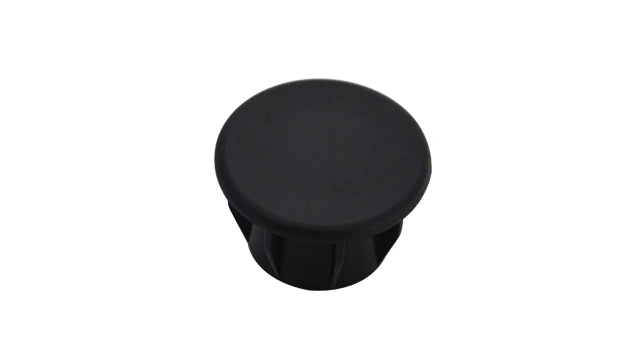
Plastic pipe end cap
Plastic pipe cover, used for 28mm two end cover and protection, to avoid any scratch from sharp metal surface.
In the fast-paced world of communication equipment manufacturing, where precision and reliability are non-negotiable, it's easy to overlook the unsung heroes—the small, unassuming components that hold everything together. Among these, plastic pipe end caps stand out as quiet champions, playing a critical role in shielding sensitive internal parts from external threats. From fiber optic cabinets to server racks, these unpretentious caps are the first line of defense against interference, dust, and moisture, ensuring that our routers, switches, and data centers operate seamlessly. In this article, we'll dive deep into the world of plastic pipe end caps, exploring their design, materials, manufacturing process, and why they're indispensable in keeping our communication networks robust and interference-free.
Understanding Plastic Pipe End Caps: More Than Just "Covers"
At first glance, a plastic pipe end cap might seem like a simple piece of plastic—little more than a "lid" for the end of a pipe. But in reality, its role is far more nuanced, especially in communication equipment. To understand this, let's start by clarifying what we mean by "plastic pipe end cap" and how it differs from similar components like plastic pipe sleeves and plastic pipe covers , terms often used interchangeably but with distinct purposes.
A plastic pipe end cap is a specialized component designed to seal the open end of a pipe or tube. Its primary function is to block access to the pipe's interior, whether to prevent the entry of foreign objects, retain fluids or gases, or—crucially in communication equipment—act as a shielding barrier. Unlike a plastic pipe sleeve , which is typically a longer, hollow tube used to cover the exterior of a pipe (for insulation or protection), or a plastic pipe cover , which might be a flexible sheet or cap used temporarily during storage, end caps are permanent, precision-engineered parts meant for long-term use in operational equipment.
In communication equipment, pipes and tubes are everywhere. They route cables, house wiring, and support structural components in devices like base stations, data servers, and fiber optic distribution frames. The open ends of these pipes are potential weak points: they can let in dust that clogs internal mechanisms, allow moisture to corrode sensitive electronics, or—most critically—permit electromagnetic interference (EMI) and radio frequency interference (RFI) to leak in or out. This is where the end cap steps in: by creating a tight seal, it transforms a vulnerable opening into a protective shield.
The Science of Shielding: Why Communication Equipment Can't Do Without It
To appreciate the importance of plastic pipe end caps as shielding components, we need to first understand the threat they're combating: electromagnetic interference (EMI). In simple terms, EMI is unwanted electrical noise that disrupts the normal operation of electronic devices. In communication equipment, which relies on precise signal transmission, even tiny amounts of EMI can cause dropped calls, data corruption, or slow network speeds. Sources of EMI range from nearby power lines and motors to other electronic devices, making it a pervasive challenge in manufacturing facilities and data centers.
Shielding is the process of creating a barrier that blocks or absorbs EMI, preventing it from interfering with sensitive components. In communication equipment, shielding can take many forms—metal enclosures, conductive coatings, and yes, plastic pipe end caps. What makes end caps unique is their ability to shield at the "micro" level: while a metal cabinet might protect an entire device, end caps shield individual pipes and tubes, which are often pathways for EMI to travel into the heart of the equipment.
Consider a fiber optic router, for example. Inside, thin metal or plastic tubes route fiber optic cables between ports. If these tubes are left open, EMI from the router's internal circuits (or from external sources) can leak into the tubes, disrupting the light signals traveling through the fibers. A plastic pipe end cap, especially one designed with conductive additives, seals the tube, creating a Faraday cage-like effect that traps EMI inside or blocks it from entering. This ensures that the light signals remain pure, resulting in faster, more reliable data transmission.

Materials Matter: Choosing the Right Plastic for Shielding
Not all plastic pipe end caps are created equal. The choice of material is critical, as it directly impacts the cap's shielding effectiveness, durability, and suitability for specific environments. Let's take a closer look at the most common plastics used in manufacturing these caps, their properties, and why they're chosen for communication equipment.
| Material Type | Shielding Effectiveness (dB)* | Temperature Resistance (°C) | Chemical Resistance | Cost (Relative) | Common Applications |
|---|---|---|---|---|---|
| Polyethylene (PE) | 20–30 (unmodified) | -40 to 80 | Excellent (resists acids, alkalis) | Low | Indoor communication cabinets, cable management |
| Polypropylene (PP) | 25–35 (unmodified) | -20 to 100 | Good (resists oils, solvents) | Low-Medium | Outdoor base stations, weather-exposed pipes |
| ABS (Acrylonitrile Butadiene Styrene) | 30–40 (with conductive additives) | -40 to 90 | Moderate (resists water, mild chemicals) | Medium | Server racks, data center equipment |
| PVC (Polyvinyl Chloride) | 25–35 (unmodified) | -15 to 60 | Excellent (resists moisture, corrosion) | Low | Indoor cable trays, non-critical shielding |
| Conductive-Added Plastics (e.g., PE with carbon black) | 40–60 | Varies by base material | Depends on additives | High | High-sensitivity equipment (radar, satellite communication) |
*Shielding effectiveness measured at 1 GHz, a common frequency in communication equipment. Values are approximate and vary by thickness and manufacturing process.
Polyethylene (PE) is a popular choice for its low cost and excellent chemical resistance. It's often used in indoor applications where temperature extremes are rare, such as cable management systems in office buildings. Polypropylene (PP), on the other hand, boasts better temperature resistance, making it ideal for outdoor equipment like base stations that face hot summers and cold winters. ABS, a tougher, more impact-resistant plastic, is a favorite in data centers, where durability is key—server racks are often moved or reconfigured, and end caps need to withstand bumps and knocks.
For high-sensitivity equipment, manufacturers turn to conductive-added plastics . These are base plastics (like PE or ABS) infused with conductive materials such as carbon black, metal particles, or graphene. The additives create a network of conductive paths within the plastic, turning the end cap into a mini-shield that reflects or absorbs EMI. While more expensive, these conductive end caps are indispensable in applications like satellite communication or radar systems, where even minor interference can have catastrophic consequences.

From Design to Production: The Making of a Plastic Pipe End Cap
Creating a plastic pipe end cap that meets the stringent demands of communication equipment isn't a haphazard process. It involves careful design, precision manufacturing, and rigorous testing—all guided by principles of lean system manufacturing to ensure efficiency and consistency. Let's walk through the journey of a plastic pipe end cap, from a concept on a screen to a finished component ready for installation.
Step 1: Design and Engineering
The process starts with a problem: a communication equipment manufacturer needs an end cap for a specific pipe size (say, 20mm diameter) used in a new router model. Engineers begin by analyzing the requirements: What's the pipe's material? What environmental conditions will the end cap face (temperature, moisture, EMI levels)? What's the required lifespan? Using CAD software, they design the cap, focusing on a snug fit (to ensure a tight seal) and structural integrity (to withstand pressure or impacts). They also consider shielding needs—if high EMI resistance is required, they'll specify conductive additives in the material.
Step 2: Prototyping and Testing
Once the design is finalized, a prototype is created, often using 3D printing for speed. This prototype is then tested rigorously: it's fitted onto a sample pipe to check for fit, subjected to temperature cycles (-40°C to 85°C, common in industry standards), and exposed to moisture and dust to simulate real-world conditions. Most importantly, its shielding effectiveness is measured in an anechoic chamber, where engineers use specialized equipment to test how well it blocks EMI at different frequencies (from 30 MHz to 10 GHz, the range for most communication signals).
Step 3: Injection Molding
If the prototype passes testing, production moves to injection molding—the most common method for manufacturing plastic end caps at scale. Here, lean system principles come into play: the production line is optimized to minimize waste, with machines calibrated to run 24/7 with minimal downtime. Plastic pellets (of the chosen material, plus any additives) are melted, injected into a steel mold under high pressure, and cooled to form the end cap shape. The mold is precision-engineered to ensure consistency—each cap must be identical to the last, with tolerances as tight as ±0.1mm to ensure a perfect fit on the pipe.
Step 4: Post-Processing and Quality Control
After molding, the end caps are ejected from the mold, trimmed of any excess plastic (called "flash"), and inspected. Quality control is critical: operators check for defects like cracks, warping, or incomplete filling of the mold. A small sample is pulled for further testing—shielding effectiveness, impact resistance, and chemical compatibility—to ensure the batch meets specifications. This attention to detail is why end caps from reputable manufacturers are so reliable: every step, from design to inspection, is guided by a commitment to quality.
Applications in Communication Equipment: Where End Caps Shine
Plastic pipe end caps are versatile components, finding use in nearly every type of communication equipment. Let's explore some of their most critical applications, and why they're irreplaceable in each.
Fiber Optic Distribution Frames (ODFs)
Fiber optic cables carry data as pulses of light, making them highly sensitive to EMI. ODFs—racks that organize and connect fiber cables—use small-diameter plastic pipes to route individual fibers. Without end caps, these pipes would act like antennas, picking up EMI from nearby electrical equipment and disrupting the light signals. End caps with conductive additives seal the pipes, ensuring that the light pulses remain clean and undistorted, resulting in faster data transfer rates and fewer signal drops.
Server Racks and Data Centers
In data centers, where thousands of servers operate in close proximity, EMI is a constant threat. Server racks use pipes to manage power and network cables, and open pipe ends can allow EMI to leak between racks, causing cross-talk (unwanted signal interference between cables). Plastic pipe end caps (often made of ABS with conductive carbon black) create a barrier, containing EMI within each rack and preventing interference. This is especially critical for high-density data centers, where even minor disruptions can lead to costly downtime.
Outdoor Base Stations
Base stations—those tall towers with antennas—are exposed to the elements: rain, snow, extreme temperatures, and even UV radiation. The pipes inside these stations (used for cable routing) need end caps that can withstand harsh conditions. Polypropylene (PP) end caps are a popular choice here, thanks to their resistance to moisture and UV degradation. They also provide a tight seal to prevent birds or insects from nesting inside the pipes—a surprisingly common problem that can block cables or cause short circuits.
Telecom Cabinets and Enclosures
Telecom cabinets, found on street corners or in utility yards, house routers, switches, and power supplies. Inside, pipes and tubes connect these components, and end caps ensure that dust and moisture don't enter. In coastal areas, where salt spray is a concern, end caps made of PVC (resistant to corrosion) are preferred. They also act as a secondary shield against EMI from passing vehicles or power lines, ensuring that the cabinet's internal electronics remain operational.
Why Plastic? The Advantages Over Metal End Caps
At this point, you might be wondering: Why use plastic end caps when metal (like aluminum or steel) is a better conductor and thus a more effective shield? It's a fair question, and the answer lies in the unique advantages plastic offers—advantages that make it the preferred choice for most communication equipment applications.
Weight and Cost
Metal end caps are heavier, which adds up when you're manufacturing thousands of components. In communication equipment, where weight is often a consideration (especially for portable devices or wall-mounted cabinets), plastic's lightness is a big plus. Plastic is also cheaper than metal, reducing overall production costs—a key factor in an industry where margins are tight. For example, a plastic end cap might cost $0.50 to produce, while a comparable metal one could cost $2.00 or more.
Corrosion Resistance
Metal end caps can rust or corrode, especially in humid or coastal environments. Plastic, on the other hand, is inherently resistant to corrosion. A PP end cap in an outdoor base station can last 10+ years without degrading, whereas a steel cap might start rusting after just a few years, compromising its seal and shielding effectiveness.
Design Flexibility
Plastic is highly moldable, allowing for complex designs that metal can't match. Need an end cap with a built-in gasket for extra moisture resistance? Or a custom shape to fit a non-standard pipe? Plastic can do that. Injection molding allows for intricate details—ribs for strength, grooves for gaskets, or textured surfaces for better grip during installation—all of which enhance the cap's performance.
Non-Conductivity (When Needed)
While metal is a conductor (which can be an advantage for shielding), it can also be a liability if the end cap comes into contact with live wires. Plastic is an insulator, reducing the risk of short circuits or electrical shocks during installation or maintenance. In cases where shielding is still needed, conductive additives give plastic the best of both worlds: insulation and EMI resistance.
Challenges and Innovations: Pushing the Boundaries of Plastic Pipe End Caps
Despite their many advantages, plastic pipe end caps face challenges. As communication equipment becomes smaller, faster, and more powerful, end caps must keep up—offering better shielding, smaller sizes, and greater durability. Let's explore some of these challenges and the innovations addressing them.
Challenge 1: Miniaturization
Modern communication devices are getting smaller: think of the tiny 5G routers or compact fiber optic transceivers. This means pipes and tubes inside are also shrinking, requiring end caps as small as 5mm in diameter. Manufacturing such small caps with tight tolerances is tricky—even a 0.1mm deviation can result in a loose fit. To address this, manufacturers are using advanced mold-making techniques, such as micro-injection molding, which uses precision tools to create tiny, intricate parts with sub-millimeter accuracy.
Challenge 2: Higher EMI Frequencies
5G networks operate at higher frequencies (up to 300 GHz) than previous generations, and these higher frequencies are more prone to EMI leakage. Traditional plastic end caps, even with conductive additives, may struggle to block these ultra-high-frequency signals. Innovators are responding with new materials, such as graphene-infused plastics, which have excellent conductive properties at high frequencies. Early tests show that graphene-added ABS end caps can provide shielding effectiveness of 50+ dB at 100 GHz—far better than standard conductive plastics.
Challenge 3: Sustainability
As the world moves toward greener manufacturing, plastic waste is a growing concern. Many end caps end up in landfills after use, as recycling mixed plastics (especially those with conductive additives) is challenging. To tackle this, manufacturers are developing biodegradable plastics (made from plant-based materials like cornstarch) for non-critical applications. For high-performance caps, they're exploring modular designs, where the conductive layer can be separated from the base plastic for easier recycling.
Innovation: Smart End Caps
Looking to the future, the next frontier for plastic pipe end caps might be "smart" functionality. Imagine an end cap embedded with a tiny sensor that monitors temperature, moisture, or EMI levels inside the pipe. If a leak or EMI spike is detected, the sensor sends an alert to maintenance teams, allowing for proactive repairs. While still in the prototype stage, these smart caps could revolutionize equipment maintenance, reducing downtime and extending the lifespan of communication devices.
Conclusion: The Quiet Guardians of Communication
Plastic pipe end caps may not grab headlines, but they're the unsung guardians of our communication networks. From shielding sensitive fiber optic signals to protecting outdoor base stations from the elements, these small components play a vital role in ensuring that our calls, texts, and data transfers are fast, reliable, and interference-free. As we've explored, their design, materials, and manufacturing process are a testament to the precision and innovation driving the communication equipment industry.
Looking ahead, the future of plastic pipe end caps is bright. With advancements in materials (graphene, biodegradable plastics), manufacturing (micro-injection molding), and smart technology, these components will continue to evolve, keeping pace with the ever-growing demands of 5G, IoT, and beyond. So the next time you stream a video, make a call, or send an email, take a moment to appreciate the quiet work of the plastic pipe end cap—proof that even the smallest parts can make a big difference.