- Company Articles
- Products and Technology
- Application Cases
- Plastic Pipe End Caps in Flexible Production Lines: Supporting Lean Manufacturing Goals

Plastic Pipe End Caps in Flexible Production Lines: Supporting Lean Manufacturing Goals
Related Product
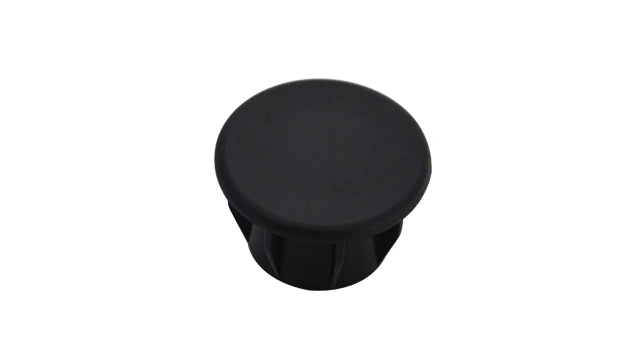
Plastic pipe end cap
Plastic pipe cover, used for 28mm two end cover and protection, to avoid any scratch from sharp metal surface.
Introduction: The Backbone of Modern Manufacturing
In the fast-paced world of manufacturing, where customer demands shift overnight and production lines must adapt in real time, the concept of "lean manufacturing" has become more than just a buzzword—it's a survival strategy. At its core, lean manufacturing is about creating more value with fewer resources: eliminating waste, streamlining processes, and fostering continuous improvement. But lean principles don't exist in a vacuum. They rely on tangible tools and systems to bring flexibility to life, especially in flexible production lines that need to pivot quickly without sacrificing efficiency.
While large machinery and advanced software often steal the spotlight, the unsung heroes of these flexible systems are often the smallest components. Take, for example, the humble plastic pipe end cap . At first glance, it might seem like a trivial piece of hardware—little more than a cap to cover the end of a pipe. But in the context of lean manufacturing, this simple component plays a critical role in maintaining the integrity, safety, and efficiency of modular structures like lean pipe workbenches , flow racks, and assembly stations. In this article, we'll explore how plastic pipe end caps support lean manufacturing goals, why they're indispensable in flexible production lines, and how they contribute to the broader success of lean systems .
Understanding Flexible Production Lines: Adaptability as a Competitive Edge
Before diving into the specifics of plastic pipe end caps, it's important to understand what flexible production lines are and why they matter. Traditional manufacturing lines were often rigid: designed to produce a single product at high volume, with little room for change. But in today's market, where customization is king and product lifecycles grow shorter by the year, rigidity is a liability. Flexible production lines, by contrast, are built to be modular, scalable, and easily reconfigurable. They allow manufacturers to switch between products, adjust batch sizes, and even redesign workflows—all with minimal downtime.
At the heart of these flexible systems is the use of modular building blocks, many of which rely on lean pipes (also known as "lean tubes"). These lightweight, durable pipes—often made of steel with a plastic coating or aluminum—are used to construct everything from workbenches and material racks to conveyor systems and flow racks. What makes them so powerful is their versatility: using simple joints and connectors, workers can assemble, disassemble, and reassemble structures in minutes, adapting to new production needs on the fly. This modularity is the cornerstone of flexibility, and it's where components like plastic pipe end caps start to shine.

Lean Systems: The Foundation of Flexibility
To truly appreciate the role of plastic pipe end caps, we must first understand the broader lean system they support. A lean system is a collection of tools, processes, and principles designed to maximize efficiency by minimizing waste (or "muda," as it's known in Japanese). This includes waste from overproduction, waiting, transportation, defects, and unnecessary inventory, among others. In flexible production lines, lean systems are the glue that holds adaptability and efficiency together—ensuring that even as lines change, they don't become bloated or error-prone.
Lean pipes are a perfect example of this synergy. Unlike fixed steel structures, which require welding or heavy tools to modify, lean pipes use friction-fit joints and simple connectors to create sturdy, lightweight frameworks. This means a lean pipe workbench used for assembling smartphones today can be disassembled tonight and rebuilt as a flow rack for automotive parts tomorrow. But for this modularity to work, every component must play its part—including the caps that seal the ends of these pipes.

Plastic Pipe End Caps: An Overview
So, what exactly is a plastic pipe end cap? As the name suggests, it's a small, often cylindrical component designed to fit over the open end of a pipe, sealing it off. While they come in various materials—including metal and rubber—plastic end caps are particularly popular in lean manufacturing settings for their cost-effectiveness, durability, and versatility. Common plastics used include polyvinyl chloride (PVC), polyethylene (PE), and polypropylene (PP), each offering unique benefits like chemical resistance, flexibility, or impact strength.
Plastic pipe end caps are not one-size-fits-all. They vary in design to suit different pipe types, sizes, and applications. Some are snap-on , designed to quickly click into place without tools; others are threaded , screwing onto the pipe's end for a tighter seal; still others are push-fit , relying on friction to stay in place. The choice depends on factors like the pipe's diameter, the environment (e.g., high moisture, extreme temperatures), and whether the cap needs to be removable for maintenance.
| End Cap Type | Common Materials | Installation Method | Best For | Key Advantage |
|---|---|---|---|---|
| Snap-On | PVC, PE | Manual pressure (no tools) | Quick assembly/disassembly; temporary setups | Rapid installation for frequently changed lines |
| Threaded | PP, Nylon | Screws onto pipe threads | Permanent or semi-permanent structures; high-pressure environments | Secure seal; prevents accidental removal |
| Push-Fit | LDPE (Low-Density Polyethylene) | Push onto pipe end (friction-fit) | Low-stress applications; cleanrooms | Smooth, tool-free installation; no sharp edges |
| Flanged | PVC, PP | Bolted or clamped via flange | Heavy-duty industrial pipes; chemical processing | High load-bearing capacity; leak resistance |
But why plastic? In lean manufacturing, where every penny and minute counts, plastic end caps offer several advantages over metal alternatives. They're lighter, reducing the overall weight of lean pipe structures and making them easier to reconfigure. They're also non-conductive, which is critical in electronics manufacturing where static electricity can damage sensitive components. Additionally, plastic is less likely to corrode than metal, extending the life of both the cap and the pipe it protects.
How Plastic Pipe End Caps Support Lean Manufacturing Goals
Now that we understand what plastic pipe end caps are, let's explore how they directly contribute to lean manufacturing objectives. From reducing waste to improving safety, these small components punch above their weight in keeping flexible production lines running lean.
1. Eliminating Waste: A Small Cap, a Big Impact on "Muda"
Waste reduction is the cornerstone of lean manufacturing, and plastic pipe end caps play a direct role here. Consider the open end of an uncovered lean pipe: over time, it can collect dust, debris, or even small tools that fall into it. This debris not only clogs the pipe but can also damage internal components if the pipe is part of a fluid or air system. Cleaning out these pipes takes time—time that could be spent on value-adding tasks. A plastic end cap seals the pipe, preventing debris buildup and eliminating the need for frequent cleaning, thus reducing waste of time .
Another form of waste is defects . An uncovered pipe end is a potential hazard: sharp edges (even on plastic pipes) can snag gloves, clothing, or materials, leading to tears or damage. In industries like food processing or pharmaceuticals, where contamination risks are high, an open pipe could also allow bacteria or particles to enter, leading to product defects. By covering sharp edges and sealing off the pipe, end caps reduce the likelihood of defects, saving both time and resources that would otherwise be spent on rework or scrapped products.
Finally, plastic end caps extend the lifespan of lean pipes themselves. Without a cap, the pipe's end is vulnerable to dents, cracks, or wear from impacts—common in busy production environments. A damaged pipe may need to be replaced entirely, creating waste of materials . End caps act as a protective barrier, absorbing minor impacts and preventing damage, thus reducing the need for frequent replacements.
2. Boosting Efficiency: Keeping Production Lines Moving
Efficiency is about doing more with less, and in flexible production lines, every second counts. Plastic pipe end caps contribute to efficiency in several ways, starting with quick assembly . In lean systems, where modularity is key, production lines are often built and rebuilt using lean pipes and joints. Snap-on or push-fit end caps can be installed in seconds, without the need for tools, speeding up the assembly process. This is especially valuable during line reconfigurations, where downtime must be minimized.
End caps also ensure that lean pipe structures—like workbenches and flow racks—function as intended. For example, a flow rack uses gravity to move materials from one workstation to the next, relying on smooth, unobstructed rollers. If the supporting lean pipes have open ends, debris could fall into the rack, jamming the rollers and halting material flow. End caps prevent this, ensuring that materials move seamlessly, and workers don't have to stop to clear jams.
Additionally, plastic end caps reduce maintenance time. As mentioned earlier, they prevent debris buildup and pipe damage, meaning fewer interruptions for cleaning or repairs. In a study by the Manufacturing Technology Insights, companies using properly maintained lean systems reported a 15-20% reduction in unplanned downtime—much of which can be attributed to small components like end caps that keep systems running smoothly.
3. Enhancing Safety: Protecting Workers and Products
Safety is non-negotiable in manufacturing, and lean principles emphasize protecting both workers and products from harm. Open pipe ends pose several safety risks: sharp edges can cause cuts, exposed internal surfaces can trap fingers, and in industrial settings, they may even become entry points for pests or contaminants. Plastic pipe end caps mitigate these risks by covering the pipe's end, creating a smooth, rounded surface that eliminates sharp edges and reduces the chance of injury.
In cleanroom environments—common in electronics and pharmaceutical manufacturing—contamination is a major concern. Even a small particle inside an open pipe can be dislodged during production, falling onto sensitive products like microchips or medical devices. Plastic end caps create a hermetic seal, preventing dust, moisture, and other contaminants from entering the pipe, thus maintaining the integrity of the cleanroom and reducing the risk of product recalls.
Moreover, plastic end caps are often color-coded, allowing workers to quickly identify pipe types or functions. For example, red caps might indicate pipes carrying compressed air, while blue caps could mark water lines. This visual cue reduces the risk of errors—like connecting the wrong hose to a pipe—and enhances overall workplace safety.
4. Cost-Effectiveness: Maximizing ROI on Lean Systems
Lean manufacturing is ultimately about creating value, and cost-effectiveness is a big part of that. Plastic pipe end caps are incredibly affordable, often costing just a few cents each. But their low upfront cost belies their long-term value. By extending pipe lifespan, reducing maintenance, and preventing defects, they lower the total cost of ownership (TCO) of lean systems. For example, a single plastic end cap might cost $0.50, but it can prevent a $50 pipe replacement or a $500 production delay due to a jammed flow rack.
Plastic end caps also offer economies of scale. Since they're lightweight and compact, they're easy to store and transport, reducing inventory and shipping costs. Many manufacturers buy them in bulk, taking advantage of volume discounts, and since they have a long shelf life (unlike perishable materials), there's no rush to use them before they expire.
Compared to metal end caps, plastic versions are often more cost-effective, especially in low-stress applications. While metal caps may be necessary for high-temperature or heavy-load environments, plastic caps suffice for most lean pipe systems, providing the same protective benefits at a fraction of the cost.
5. Supporting Adaptability: The Key to Flexible Production
At the heart of flexible production lines is adaptability—the ability to change quickly in response to new demands. Plastic pipe end caps support this adaptability by being compatible with a wide range of lean pipe sizes and types. Whether the line uses 20mm, 28mm, or 40mm diameter pipes, there's a plastic end cap designed to fit. This universality means manufacturers don't need to stock multiple cap types for different pipes, simplifying inventory management.
Additionally, removable end caps (like threaded or snap-on designs) make it easy to modify pipes if needed. For example, if a lean pipe workbench needs to be extended, workers can remove the end cap, add a new section of pipe, and reattach the cap—all without replacing the entire structure. This modularity aligns perfectly with lean principles, allowing for continuous improvement and incremental changes rather than overhauls.
In industries where product customization is key—like automotive or consumer electronics—this adaptability is critical. A single production line might need to switch between assembling different models multiple times a day, and lean systems with plastic end caps ensure that these changes happen quickly and efficiently.
Real-World Applications: Plastic End Caps in Action
To better understand the impact of plastic pipe end caps, let's look at a few real-world scenarios where they play a vital role in supporting lean manufacturing goals.
Case Study 1: Automotive Assembly Lines
The automotive industry is a pioneer in lean manufacturing, with companies like Toyota and Ford relying heavily on flexible production lines. In automotive assembly, lean pipe workbenches are used to hold tools, parts bins, and assembly guides, often customized for each vehicle model. These workbenches are frequently reconfigured to accommodate new models or design changes.
At a Ford plant in Michigan, workers reported that after switching to plastic snap-on end caps for their lean pipe workbenches, assembly time for new workstations decreased by 25%. The caps were easy to install and remove, allowing teams to reconfigure workbenches between shifts without tools. Additionally, the smooth, rounded caps reduced the number of minor cuts and scrapes by 40%, leading to fewer worker absences and higher productivity.
Case Study 2: Electronics Manufacturing
Electronics manufacturing requires precision and cleanliness, as even tiny contaminants can ruin sensitive components like circuit boards. Flow racks are commonly used to transport PCBs between soldering, testing, and packaging stations, with lean pipes providing the rack's structural support.
A Samsung electronics plant in South Korea faced recurring issues with debris jamming the flow racks, causing delays in PCB production. After installing plastic push-fit end caps on all supporting lean pipes, the plant saw a 90% reduction in rack jams. The caps prevented dust and small particles from falling into the racks, ensuring that PCBs moved smoothly through the line. This not only reduced downtime but also improved product quality, as fewer PCBs were damaged during transport.
Case Study 3: Pharmaceutical Packaging
In pharmaceutical manufacturing, compliance with strict hygiene standards is mandatory. Production lines must be easy to clean and free of areas where bacteria can hide. Lean pipe systems are used here to build cleanroom-compatible workbenches and material handling carts, often with plastic components to avoid corrosion.
A Pfizer facility in Ireland switched to PVC plastic end caps for their lean pipe workbenches after metal caps were found to harbor bacteria in hard-to-reach crevices. The smooth, non-porous surface of the plastic caps was easier to sanitize, helping the facility meet FDA cleanliness requirements. Additionally, the lightweight caps made the workbenches easier to move during deep cleaning, reducing the time spent on sanitation by 30%.
Choosing the Right Plastic Pipe End Cap: A Buyer's Guide
With so many options available, selecting the right plastic pipe end cap for your flexible production line can seem daunting. However, by considering a few key factors, you can ensure that you choose a cap that meets your needs and supports your lean goals.
1. Pipe Size and Type
The first step is to match the end cap to your pipe's diameter and material. Most lean pipes come in standard sizes (e.g., 28mm for traditional lean pipes, 40mm for heavy-duty applications), so check the pipe's specifications before purchasing. If you're using aluminum lean pipes (another popular option in lean systems), ensure the cap is compatible with aluminum's smoother surface—some snap-on caps may slip off if not designed for metal.
2. Environment and Conditions
Consider the environment where the cap will be used. For high-moisture areas (e.g., food processing), choose a water-resistant plastic like polyethylene. In chemical plants, opt for chemical-resistant PVC or polypropylene. For cleanrooms, look for caps with a smooth, non-porous surface that's easy to sanitize. If the line operates in extreme temperatures, ensure the plastic can withstand heat or cold without cracking.
3. Installation and Removal Needs
Do you need the cap to be permanent or removable? Threaded caps offer a secure, permanent seal, while snap-on or push-fit caps are better for applications where the pipe may need to be modified later. If tools are scarce or workers need to install caps quickly, snap-on designs are ideal.
4. Cost vs. Performance
While plastic end caps are generally affordable, higher-performance options (e.g., chemical-resistant or high-temperature plastic) may cost more. Balance your budget with your needs—don't overspend on features you don't require, but don't skimp on quality if the cap will be exposed to harsh conditions.
Future Trends: The Evolving Role of Small Components in Lean Manufacturing
As flexible production lines continue to evolve, driven by technologies like Industry 4.0 and the Internet of Things (IoT), the role of small components like plastic pipe end caps is set to grow. For example, smart factories may soon integrate sensors into end caps to monitor pipe stress, temperature, or vibration, providing real-time data on system health and predicting maintenance needs before failures occur. While this is still in the early stages, it highlights how even the smallest components can become part of the larger digital ecosystem.
Additionally, sustainability is becoming a key focus in manufacturing, and plastic end caps are no exception. Manufacturers are developing eco-friendly options, such as caps made from recycled plastics or biodegradable materials, to reduce environmental impact. This aligns with lean principles, which emphasize minimizing waste not just in production, but throughout the product lifecycle.
Finally, as production lines become more automated, there will be a greater need for components that work seamlessly with robotic systems. Plastic end caps with standardized designs and precise dimensions will be critical here, ensuring that robots can install or remove them consistently, further reducing human intervention and errors.
Conclusion: Small Components, Big Impact
In the grand scheme of manufacturing, plastic pipe end caps may seem (negligible). But as we've explored, their impact on lean manufacturing goals—waste reduction, efficiency, safety, cost-effectiveness, and adaptability—cannot be overstated. They are the quiet guardians of flexible production lines, ensuring that lean systems function as intended, even as the world around them changes.
For manufacturers looking to embrace lean principles and build truly flexible production lines, investing in high-quality plastic pipe end caps is not just a smart choice—it's essential. These small components are a testament to the lean philosophy itself: that value often lies in the details, and that even the simplest tools can drive meaningful change.
As we look to the future, where flexibility and efficiency will only grow more critical, the role of plastic pipe end caps will continue to expand. They may not make headlines, but they will remain the unsung heroes keeping our production lines lean, adaptable, and ready to meet whatever the market throws their way.