- Company Articles
- Products and Technology
- Product knowledge
- Plastic Pipe End Caps in Warehousing Logistics: Protecting Pipes During Transport

Plastic Pipe End Caps in Warehousing Logistics: Protecting Pipes During Transport
Related Product
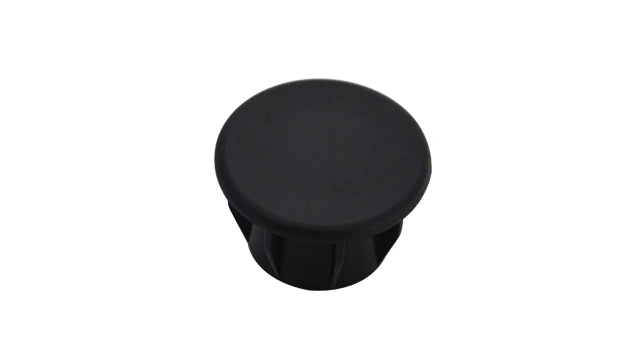
Plastic pipe end cap
Plastic pipe cover, used for 28mm two end cover and protection, to avoid any scratch from sharp metal surface.
The Unsung Heroes of Warehouse Efficiency
Walk into any modern warehouse, and you'll notice a silent network holding everything together: pipes. They're in the
lean pipe workbenches
where assembly line workers sort components, the
turnover trolley and rack
systems shuttling goods across the floor, and the
flow racks
ensuring smooth material flow. These pipes—whether
lean pipe
, aluminum, or stainless steel—are the backbone of a functional
lean system
. But here's the thing: for all their strength, their weakest point is often their ends. A small dent, a scratch, or a chunk taken out of a pipe's edge during transport can throw off an entire setup, leading to wobbly workbenches, stuck trolley wheels, or misaligned flow racks. That's where plastic pipe end caps come in. They might seem, but these little caps are the unsung guardians of your warehouse's most critical infrastructure.
Why Pipes Are Non-Negotiable in Modern Warehouses
Let's start by understanding why pipes matter so much. In the world of warehousing, efficiency is king—and pipes are the quiet enablers of that efficiency. Take
lean pipe
, for example. Its modular design lets you build and reconfigure workstations, trolleys, and racks on the fly, which is why it's a staple in
lean system
setups. Then there's
aluminum pipe
and
aluminum profile
, prized for their lightweight strength—perfect for mobile equipment like
turnover trolleys
that need to be moved frequently without sacrificing durability. Even stainless steel pipes, with their corrosion resistance, play a role in food-grade or cleanroom environments.
These pipes aren't just structural; they're precision tools. A
lean pipe workbench
relies on perfectly aligned pipes to keep surfaces level for accurate assembly work. A
flow rack
uses
roller track
systems mounted on aluminum pipes to ensure gravity-fed materials glide smoothly. If a pipe's end is damaged, the joint connecting it to another pipe or accessory won't fit snugly. Suddenly, that workbench wobbles, that roller track jams, and your once-efficient workflow grinds to a halt. And when you multiply that by dozens of pipes across a warehouse, the cost of ignored pipe ends adds up fast—repairs, replacements, and lost productivity all take a bite out of your bottom line.

The Hidden Risks of Transporting Uncapped Pipes
Pipes rarely stay in one place. Whether you're moving raw materials from the loading dock to the production floor, relocating a
workbench
to a new assembly line, or shipping
lean pipe
components to another facility, transport is a minefield for pipe damage. Let's break down the risks:
Dents and Deformation:
Pipes bumping against walls, forklift tines, or other metal surfaces during transit often end up with dented ends. A dented pipe end won't seat properly into a
lean pipe joint
or
aluminum pipe clamp
, creating weak points in structures like
material rack b (3 row and 3 floor)
.
Scratches and Contamination: Even minor scratches on pipe ends can trap dirt, grease, or moisture. Over time, this leads to corrosion (especially in stainless steel pipes) or compromised grip when attaching accessories like caster wheels or roller track connectors .
Internal Blockages: Open pipe ends are magnets for debris—wood chips, metal shavings, or even small tools can fall inside during transport. When you later try to run wires, cables, or even just air through the pipe (common in some lean system setups), you're met with a blockage that requires time-consuming cleaning.
Safety Hazards: Sharp, damaged pipe ends aren't just bad for your equipment—they're bad for your team. A jagged edge can slice through gloves or skin when workers handle the pipes, turning a routine task into a safety incident.
Scratches and Contamination: Even minor scratches on pipe ends can trap dirt, grease, or moisture. Over time, this leads to corrosion (especially in stainless steel pipes) or compromised grip when attaching accessories like caster wheels or roller track connectors .
Internal Blockages: Open pipe ends are magnets for debris—wood chips, metal shavings, or even small tools can fall inside during transport. When you later try to run wires, cables, or even just air through the pipe (common in some lean system setups), you're met with a blockage that requires time-consuming cleaning.
Safety Hazards: Sharp, damaged pipe ends aren't just bad for your equipment—they're bad for your team. A jagged edge can slice through gloves or skin when workers handle the pipes, turning a routine task into a safety incident.

How Plastic Pipe End Caps Solve These Problems
Plastic pipe end caps are simple in design but powerful in function. Made from durable materials like polyethylene (PE), polyvinyl chloride (PVC), or polypropylene (PP), they slip over the end of a pipe, creating a protective barrier. Here's how they tackle the risks we just discussed:
Physical Protection:
The primary job of an end cap is to absorb impact. A well-fitted cap acts like a buffer, taking the brunt of bumps against walls or other equipment so the pipe itself stays intact. This is especially critical for
lean pipe
and
aluminum pipe
, which are lightweight but more prone to denting than steel.
Sealing Against Debris: By covering the pipe's opening, end caps prevent dirt, moisture, and debris from entering. This is a game-changer for pipes used in clean environments, like esd workstations where dust can damage sensitive electronics, or food-grade warehouses where contamination risks are high.
Preserving Joint Compatibility: Most lean pipe joint and aluminum profile accessories require precise pipe end dimensions to lock in place. End caps keep those dimensions intact, ensuring that when you go to build a workbench e (single deck-without caster) or assemble a roller track , every connection fits like it's supposed to—no gaps, no wobbles, no last-minute trips to the lean pipe supplier for replacements.
Safety First: Capped pipe ends eliminate sharp edges, turning a potential hazard into a smooth, safe surface. This is a small detail that makes a big difference for warehouse staff handling pipes daily.
Sealing Against Debris: By covering the pipe's opening, end caps prevent dirt, moisture, and debris from entering. This is a game-changer for pipes used in clean environments, like esd workstations where dust can damage sensitive electronics, or food-grade warehouses where contamination risks are high.
Preserving Joint Compatibility: Most lean pipe joint and aluminum profile accessories require precise pipe end dimensions to lock in place. End caps keep those dimensions intact, ensuring that when you go to build a workbench e (single deck-without caster) or assemble a roller track , every connection fits like it's supposed to—no gaps, no wobbles, no last-minute trips to the lean pipe supplier for replacements.
Safety First: Capped pipe ends eliminate sharp edges, turning a potential hazard into a smooth, safe surface. This is a small detail that makes a big difference for warehouse staff handling pipes daily.
Choosing the Right Plastic Pipe End Cap: It's Not One-Size-Fits-All
Not all end caps are created equal. To get the best protection, you need to match the cap to the pipe. Let's break down the key factors to consider:
Material Matters:
PE (polyethylene) caps are flexible and impact-resistant—great for
lean pipe
and
aluminum pipe
used in mobile equipment like
turnover trolleys
. PVC caps offer better chemical resistance, making them ideal for pipes exposed to cleaning agents. PP (polypropylene) caps handle higher temperatures, so they're a good fit for pipes near heat sources, like those in industrial ovens or packaging lines.
Size and Fit: A cap that's too loose will fall off during transport; one that's too tight might crack or damage the pipe end when removed. Measure your pipe's outer diameter carefully—common sizes include 0.5 inch (for small mini aluminum roller track pipes) up to 2 inches (for heavy-duty stainless steel pipe series ). Many suppliers, like lean pipe suppliers or aluminum profile suppliers , offer caps tailored to their specific pipe lines.
Design for the Job: Some caps are simple "plug" styles, while others have flanges or ridges for extra grip. For pipes that will be stacked, flanged caps prevent slipping. For roller track systems, low-profile caps avoid interfering with wheel movement. And for pipes that need occasional access (like those with internal wiring), reusable caps with pull tabs make removal easier.
Size and Fit: A cap that's too loose will fall off during transport; one that's too tight might crack or damage the pipe end when removed. Measure your pipe's outer diameter carefully—common sizes include 0.5 inch (for small mini aluminum roller track pipes) up to 2 inches (for heavy-duty stainless steel pipe series ). Many suppliers, like lean pipe suppliers or aluminum profile suppliers , offer caps tailored to their specific pipe lines.
Design for the Job: Some caps are simple "plug" styles, while others have flanges or ridges for extra grip. For pipes that will be stacked, flanged caps prevent slipping. For roller track systems, low-profile caps avoid interfering with wheel movement. And for pipes that need occasional access (like those with internal wiring), reusable caps with pull tabs make removal easier.
| End Cap Material | Suitable Pipe Types | Temperature Resistance | Impact Strength | Best For |
|---|---|---|---|---|
| Polyethylene (PE) | Lean pipe, aluminum pipe, basic aluminum tube | -40°C to 80°C | High (flexible, absorbs shocks) | Turnover trolleys, mobile workbenches |
| Polyvinyl Chloride (PVC) | Stainless steel pipe series, plastic roller track guide rail | -10°C to 60°C | Medium (rigid, less flexible) | Food-grade warehouses, chemical storage areas |
| Polypropylene (PP) | Aluminum extrusion profile, heavy-duty lean pipe | -20°C to 120°C | Medium-High (resistant to cracking) | Heat-exposed areas, industrial ovens |
Real Results: Warehouses That Got It Right
Case Study 1: Electronics Warehouse Cuts Repair Costs by 35%
A mid-sized electronics manufacturer in the Midwest relied heavily on lean pipe workbenches and esd workstations for circuit board assembly. Their biggest headache? Damaged lean pipe ends during weekly workstation reconfigurations. Bent or dented pipes led to wobbly workbenches, which in turn caused assembly errors and worker frustration. After switching to PE plastic end caps on all transportable lean pipes, they saw a 35% drop in pipe repairs and a 15% reduction in time spent adjusting misaligned workbenches. "We used to replace 5-6 pipes a month," said the warehouse manager. "Now, it's maybe one—if that."
Case Study 2: Logistics Firm Reduces Shipping Damage for Resold Pipes
A lean pipe wholesale distributor was losing money on returns: 10-15% of shipped lean tube and aluminum pipe orders came back with damaged ends, deemed "unusable" by customers. After adding custom-sized PVC end caps to every pipe in their inventory, return rates plummeted to 2%. "Customers noticed the difference immediately," said the sales director. "They started commenting on how 'professional' and 'well-protected' our shipments were. It even helped us win new clients who'd had bad experiences with other suppliers."
Pro Tips: Making the Most of Your End Caps
Even the best end caps won't work if they're not used correctly. Here are some best practices to ensure maximum protection:
Install Them Properly:
Tap caps gently with a rubber mallet to seat them fully—don't use a steel hammer, which can crack plastic. For extra security, a small dab of non-permanent adhesive (like rubber cement) can keep caps in place during rough transport, but avoid super glues that might damage pipe ends when removed.
Store Caps with Pipes: Keep a stock of caps near your pipe storage area so capping becomes second nature. Many warehouses attach caps immediately after cutting pipes to length, preventing "naked" ends from sitting around waiting to get damaged.
Inspect and replace: Check caps for cracks, tears, or wear during regular warehouse audits. A damaged cap is better than none, but it won't offer full protection. replace them as needed—they're inexpensive compared to the cost of a bent aluminum profile or a broken lean pipe joint .
Label for Reuse: If you're capping pipes that will be disassembled and reused (common in lean system setups), mark caps with the pipe's length or intended use. This saves time when reassembling workbenches or racks later.
Store Caps with Pipes: Keep a stock of caps near your pipe storage area so capping becomes second nature. Many warehouses attach caps immediately after cutting pipes to length, preventing "naked" ends from sitting around waiting to get damaged.
Inspect and replace: Check caps for cracks, tears, or wear during regular warehouse audits. A damaged cap is better than none, but it won't offer full protection. replace them as needed—they're inexpensive compared to the cost of a bent aluminum profile or a broken lean pipe joint .
Label for Reuse: If you're capping pipes that will be disassembled and reused (common in lean system setups), mark caps with the pipe's length or intended use. This saves time when reassembling workbenches or racks later.
The Future of Pipe Protection in Lean Logistics
As warehouses embrace smarter, more sustainable practices, plastic pipe end caps are evolving too. Here's what to watch for:
Eco-Friendly Materials:
With sustainability a growing focus, suppliers are developing end caps from recycled plastics or biodegradable materials. These caps perform as well as traditional ones but reduce environmental impact—aligning with the waste-reduction goals of
lean management
.
Integrated Tracking: Imagine end caps with tiny RFID tags that let you track pipe inventory during transport. This could revolutionize how lean pipe suppliers and warehouses manage assets, ensuring pipes don't get lost and reducing over-ordering.
Smart Fit Designs: New cap designs with "memory foam" inner liners or adjustable ridges could fit multiple pipe sizes, reducing the need for bulky inventory of different cap sizes. This flexibility would be a boon for small warehouses with limited storage space.
Integrated Tracking: Imagine end caps with tiny RFID tags that let you track pipe inventory during transport. This could revolutionize how lean pipe suppliers and warehouses manage assets, ensuring pipes don't get lost and reducing over-ordering.
Smart Fit Designs: New cap designs with "memory foam" inner liners or adjustable ridges could fit multiple pipe sizes, reducing the need for bulky inventory of different cap sizes. This flexibility would be a boon for small warehouses with limited storage space.
Conclusion: Small Caps, Big Impact
Plastic pipe end caps might not be the flashiest part of your warehouse's
lean system
, but they're a critical one. They protect your
lean pipe
, aluminum, and stainless steel pipes from the daily grind of transport, ensuring your
workbenches
,
turnover trolleys
, and
flow racks
stay sturdy, safe, and efficient. By choosing the right caps, installing them properly, and treating them as an essential part of your logistics process, you'll save time, money, and frustration—proving that sometimes, the smallest tools make the biggest difference.