- Company Articles
- Products and Technology
- Product knowledge
- Plastic Pipe Sleeve Adhesion: Ensuring a Secure Fit on Aluminum Lean Tubes Without Slippage

Plastic Pipe Sleeve Adhesion: Ensuring a Secure Fit on Aluminum Lean Tubes Without Slippage
Related Product
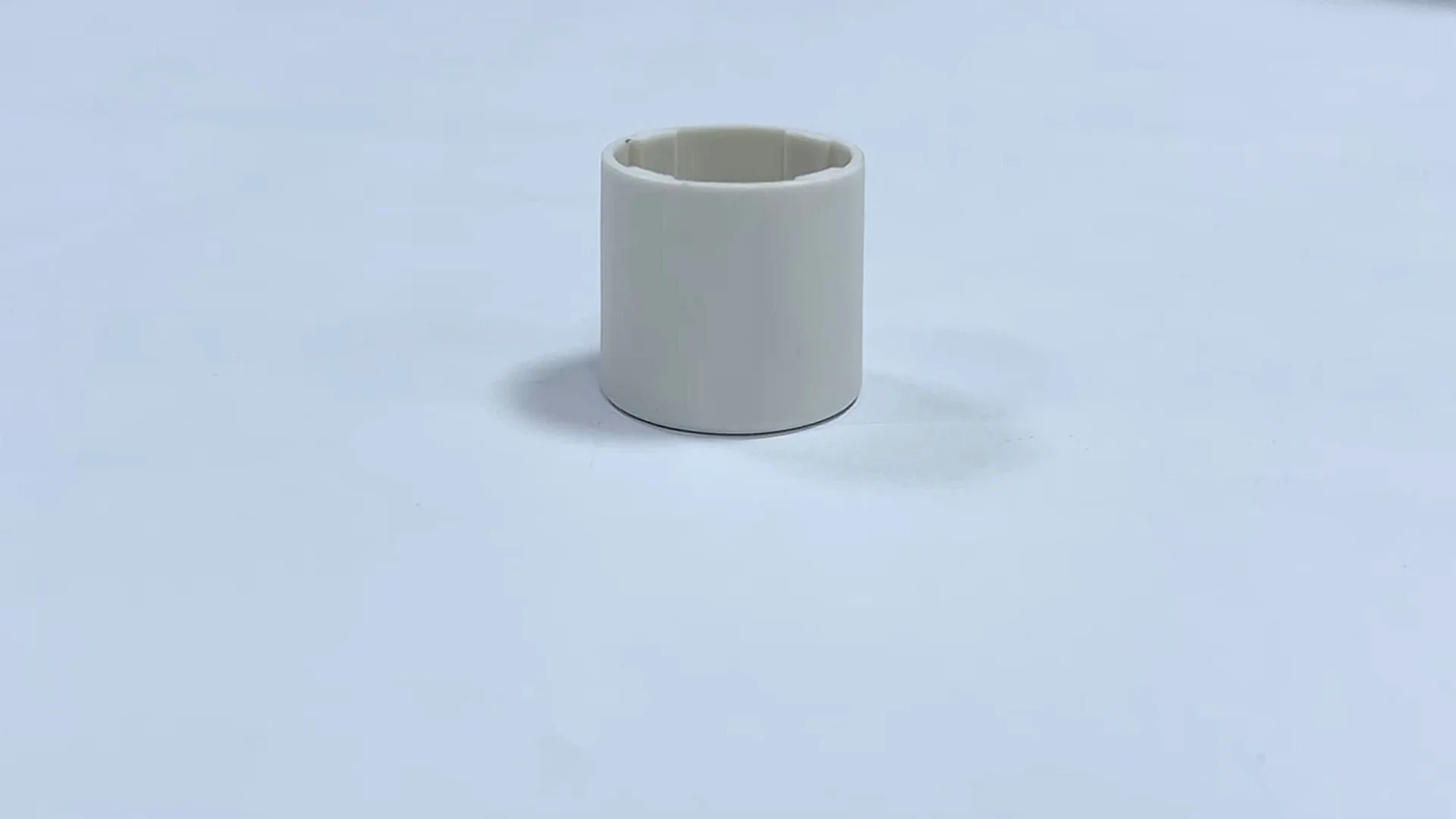
Plastic Pipe Sleeve
Plastic pipe sleeve to cover dia 28MM aluminum pipe end to contact with ground.
Why Slippage Isn't Just an Inconvenience—It's a Production Killer
Picture this: You're walking through a busy manufacturing floor. Conveyors hum, workers move with purpose, and every station seems to click like a well-oiled machine. But then you notice it—a slight wobble in a workbench's side rail. Upon closer look, the plastic pipe sleeve covering the aluminum lean pipe has started to slip, creating a tiny gap. At first glance, it might seem trivial. But that small slip? It's the first domino. A few hours later, a tool rolls off the bench because the rail isn't level. Then a worker pauses to readjust the sleeve, slowing down their task. By the end of the day, that "tiny" issue has snowballed into missed deadlines and frustrated team members.
In the world of lean manufacturing, where efficiency and precision are everything, plastic pipe sleeves on aluminum lean tubes aren't just about aesthetics. They're about stability, safety, and keeping the entire production assemble line moving. When a sleeve slips, it's not just a loose part—it's a threat to the lean system principles that keep your operation running smoothly. That's why getting plastic pipe sleeve adhesion right isn't optional. It's essential.
The Dynamic Duo: Aluminum Lean Pipes and Plastic Sleeves
Before we dive into adhesion, let's talk about the stars of the show: aluminum lean pipes and plastic pipe sleeves. Aluminum lean pipes have become a staple in modern manufacturing for good reason. They're lightweight yet surprisingly strong, resistant to corrosion, and flexible enough to adapt to changing production needs. Unlike traditional steel pipes, they won't rust when exposed to moisture, making them ideal for environments where cleanliness (like ESD workstations) or durability is key.
But aluminum lean pipes rarely stand alone. Enter the plastic pipe sleeve—a simple component with a big job. These sleeves are typically made from materials like polyethylene or PVC, chosen for their friction, impact resistance, and ability to cushion the aluminum pipe. They protect the pipe from scratches, reduce noise when parts bump against it, and, crucially, provide grip. Without a sleeve, aluminum's smooth surface can make it hard to secure accessories like lean pipe joints or workbench components. The sleeve adds texture, ensuring that when you tighten a joint or mount a shelf, everything stays put.
Think of it like a good pair of shoes. The aluminum pipe is the sturdy sole, and the plastic sleeve is the tread. Without tread, you slip. Without a well-adhered sleeve, your aluminum lean pipe setup slips—literally.

What Causes Slippage? The Hidden Culprits Behind Loose Sleeves
If plastic pipe sleeves are supposed to stay put, why do they slip? Let's break down the usual suspects. First up: poor surface preparation. Aluminum lean pipes might look clean, but even a thin layer of oil, dust, or fingerprints can create a barrier between the pipe and the sleeve. When the sleeve is slid on without cleaning, it's sitting on a layer of gunk, not the actual metal. Over time, vibration from production equipment or regular use will cause it to shift.
Then there's sleeve sizing. Imagine buying a sweater that's two sizes too big—it's going to slide around, right? The same goes for plastic pipe sleeves. If the inner diameter of the sleeve is too large for the aluminum pipe, there's too much wiggle room. Even if it feels snug at first, temperature changes (common in factories with varying heat or AC) can cause the plastic to expand or contract, making the fit even looser. On the flip side, a sleeve that's too tight might seem secure, but forcing it on can stretch the plastic, weakening its structure and leading to cracks or tears down the line.
Environmental factors play a role too. Humidity can make plastic sleeves slippery, while extreme heat can soften the material, reducing its grip. In busy production areas, constant contact with tools, parts, or even workers brushing against the pipe can gradually wear down the sleeve's friction, making slippage more likely. And let's not forget about improper installation. Rushing through the process—sliding the sleeve on without aligning it properly or skipping steps like using adhesion aids—sets the stage for failure.

The Adhesion Process: Step-by-Step to a Slip-Free Fit
Now that we know what causes slippage, let's talk about how to prevent it. Achieving a secure bond between plastic pipe sleeves and aluminum lean pipes isn't rocket science, but it does require attention to detail. Let's walk through the process step by step, from prep to final check.
Step 1: Clean the Aluminum Lean Pipe—No Shortcuts
Start with a clean slate. Even if the pipe looks new, it's probably coated in a thin layer of factory oil or dust. Grab a lint-free cloth and a solvent like isopropyl alcohol (90% or higher works best). Wipe the entire length of the pipe, applying gentle pressure. Pay extra attention to the areas where the sleeve will overlap with lean pipe joints or other aluminum pipe accessories—these are high-stress points where adhesion matters most. Let the pipe dry completely before moving on. A few minutes of waiting now saves hours of troubleshooting later.
Step 2: Choose the Right Sleeve Size—Measure Twice, Slide Once
This might seem obvious, but it's worth repeating: size matters. Most plastic pipe sleeves are labeled with their inner diameter (ID) and the outer diameter (OD) of the pipe they're designed for. For example, a sleeve with a 25mm ID should fit a 20mm OD aluminum lean pipe (leaving a small gap for a snug fit). If you're unsure, measure the pipe's OD with a caliper—don't guess. If the sleeve is too loose, consider a smaller size or look for sleeves with a slightly tapered design, which can create a tighter fit as you slide them on.
Step 3: Apply Adhesion Aids (When Needed)
For most applications, a clean, properly sized sleeve will stay put with friction alone. But in high-vibration areas (like near a conveyor) or where heavy loads are involved, adding an adhesion aid can provide extra security. Look for products specifically designed for plastic-to-aluminum bonding, like a thin layer of cyanoacrylate glue (super glue) applied sparingly to the pipe before sliding on the sleeve. Alternatively, some manufacturers offer sleeves with a built-in adhesive lining—just peel off the backing and press into place. Pro tip: Avoid using too much glue, as excess can squeeze out and create a messy, uneven surface.
Step 4: Slide and Secure—Take It Slow
Now it's time to put the sleeve on. Start by aligning one end of the sleeve with the end of the pipe. Apply gentle, even pressure as you slide it into place. If the sleeve is tight, twist it slightly while pushing—this helps it glide on without stretching. Once it's in the desired position, give it a firm press along the entire length to ensure full contact. If you're using a lean pipe joint, position the sleeve so that the joint will clamp down on the sleeve, not the bare aluminum. The joint's pressure will help hold the sleeve in place over time.
Step 5: Let It Set—Patience Pays Off
If you used glue, let it cure fully before putting the pipe into use. Check the glue's instructions for curing time—most take 24 hours to reach full strength. Even without glue, give the sleeve a few hours to "settle" before attaching heavy accessories. The plastic will conform slightly to the pipe's surface over time, creating a better grip.

Troubleshooting Slippage: Common Problems and Quick Fixes
Even with the best prep, slippage can happen. Here's how to fix it:
Problem: Sleeve slides after a few weeks of use.
Solution: Check for dirt or oil buildup. Clean the pipe and sleeve with alcohol, then reposition the sleeve. If it still slips, add a small dot of glue at the sleeve's ends (avoiding the area where lean pipe joints will clamp, as glue can make disassembly harder later).
Problem: Sleeve tears when sliding on.
Solution: You're using a sleeve that's too small, or the pipe has burrs. File down any sharp edges on the pipe, then try a larger sleeve size. If tearing persists, look for sleeves made from a more flexible material like polyurethane, which can stretch without breaking.
Problem: Sleeve slips in cold environments.
Solution: Cold temperatures can make plastic more rigid, reducing friction. Opt for sleeves with a rubberized coating, which stays flexible in the cold, or use a heat-resistant glue designed for low temperatures.
Aluminum Pipe Accessories: The Unsung Heroes of Sleeve Security
Plastic pipe sleeves don't work alone. They're part of a team that includes aluminum pipe accessories, and one of the most important teammates is the lean pipe joint. Lean pipe joints are the connectors that hold your aluminum lean pipe structure together—think elbows, tees, or flanges. When properly tightened, they clamp down on the plastic pipe sleeve, creating a vice-like grip that prevents slippage.
For example, a 90-degree lean pipe joint wraps around the sleeve, and as you tighten its bolt, the joint's metal jaws dig slightly into the plastic, creating friction. This not only secures the joint itself but also locks the sleeve in place. That's why it's crucial to position the sleeve so that joints are clamping directly onto it, not the bare aluminum. Without the sleeve, the joint would just slide on the smooth metal.
Other accessories can help too. Caster wheels, when mounted to a workbench frame, add mobility, but the sleeves on the frame's pipes ensure that the casters don't wobble. Material racks, like the "Material Rack B (3 row and 3 floor)" often rely on sleeves to keep their shelves level and stable. Even small parts like roller track connectors, which link sections of roller track, depend on the underlying pipe sleeves for a secure mount.
In short, aluminum pipe accessories and plastic sleeves are a package deal. You can't have one without the other if you want a setup that stays tight and reliable.
Real-World Results: How Proper Adhesion Boosts Production
Let's ground this in reality with a quick case study. A mid-sized electronics manufacturer was struggling with frequent slippage on their ESD workstations. The plastic sleeves on the aluminum lean pipe frames would shift, causing the work surfaces to tilt. This led to parts rolling off, worker frustration, and even a few minor injuries when tools fell. The team tried re-tightening the lean pipe joints, but the sleeves just kept slipping.
After assessing the issue, they realized the problem was twofold: the pipes hadn't been cleaned before sleeving, and the sleeves were slightly oversized. They implemented a new process: cleaning each aluminum lean pipe with alcohol, measuring sleeves to ensure a snug fit, and adding a small amount of adhesive at the joints. Within a week, slippage stopped. The workstations stayed level, parts stayed put, and production line downtime due to adjustments dropped by 40%. Workers reported feeling more confident in their setup, and the team could focus on building products, not fixing pipes.
This isn't an isolated incident. From automotive assembly lines to small parts warehouses, the impact of proper plastic pipe sleeve adhesion is clear: fewer disruptions, safer workspaces, and a smoother path to meeting production goals.
Best Practices for Long-Term Sleeve Security
Now that you know how to achieve a secure fit, let's talk about keeping it that way. Regular inspections are key. Once a month, walk through your production area and check for slipping sleeves, especially in high-traffic or high-vibration zones. Tighten any lean pipe joints that might have loosened over time—this not only secures the joint but also the sleeve underneath.
Cleanliness matters too. Wipe down aluminum lean pipes and sleeves with a mild detergent (avoid harsh chemicals that can degrade plastic) to remove grease or debris. If a sleeve becomes cracked or worn, replace it immediately—even a small tear can compromise its grip.
Finally, train your team. Make sure everyone who works with aluminum lean pipes knows how to properly clean, size, and install plastic sleeves. A quick 10-minute demo during onboarding can save hours of troubleshooting later. After all, the best adhesion process in the world won't work if it's not followed consistently.
Wrapping Up: Small Details, Big Impact
Plastic pipe sleeve adhesion might seem like a small detail in the grand scheme of a production line. But as we've seen, small details can have big consequences. A slipped sleeve isn't just a loose part—it's a bottleneck waiting to happen, a safety risk, and a threat to the lean principles that drive efficient manufacturing.
By taking the time to clean your aluminum lean pipes, choose the right sleeve size, and leverage aluminum pipe accessories like lean pipe joints, you're not just fixing a potential problem—you're investing in a smoother, safer, more productive operation. So the next time you reach for a plastic pipe sleeve, remember: it's not just about sliding it on. It's about building something that lasts.
After all, in lean manufacturing, the difference between good and great often comes down to how well you master the details. And when it comes to plastic pipe sleeves, mastery means no slippage—just solid, reliable performance, day in and day out.
Comparison Table: Common Plastic Sleeve Materials and Their Adhesion Properties
| Material | Friction Grip | Impact Resistance | Best For | Potential Slippage Risks |
|---|---|---|---|---|
| Polyethylene (PE) | Medium | High | General-purpose workbenches, material racks | Low in dry environments; higher in humid or oily areas |
| Polyvinyl Chloride (PVC) | High | Medium | ESD workstations, cleanrooms | Can become brittle in cold temperatures, reducing grip |
| Polyurethane (PU) | Very High | Very High | High-vibration areas (near conveyors), heavy-load racks | Low overall; may stretch if over-tightened during installation |
| Nylon | Medium-High | High | Outdoor or moisture-exposed setups | Absorbs moisture, which can slightly reduce friction |