- Company Articles
- Products and Technology
- Product knowledge
- Plastic Pipe Sleeve Compatibility: Matching with Inner Rotating Aluminum Joints in Lean Systems

Plastic Pipe Sleeve Compatibility: Matching with Inner Rotating Aluminum Joints in Lean Systems
Related Product
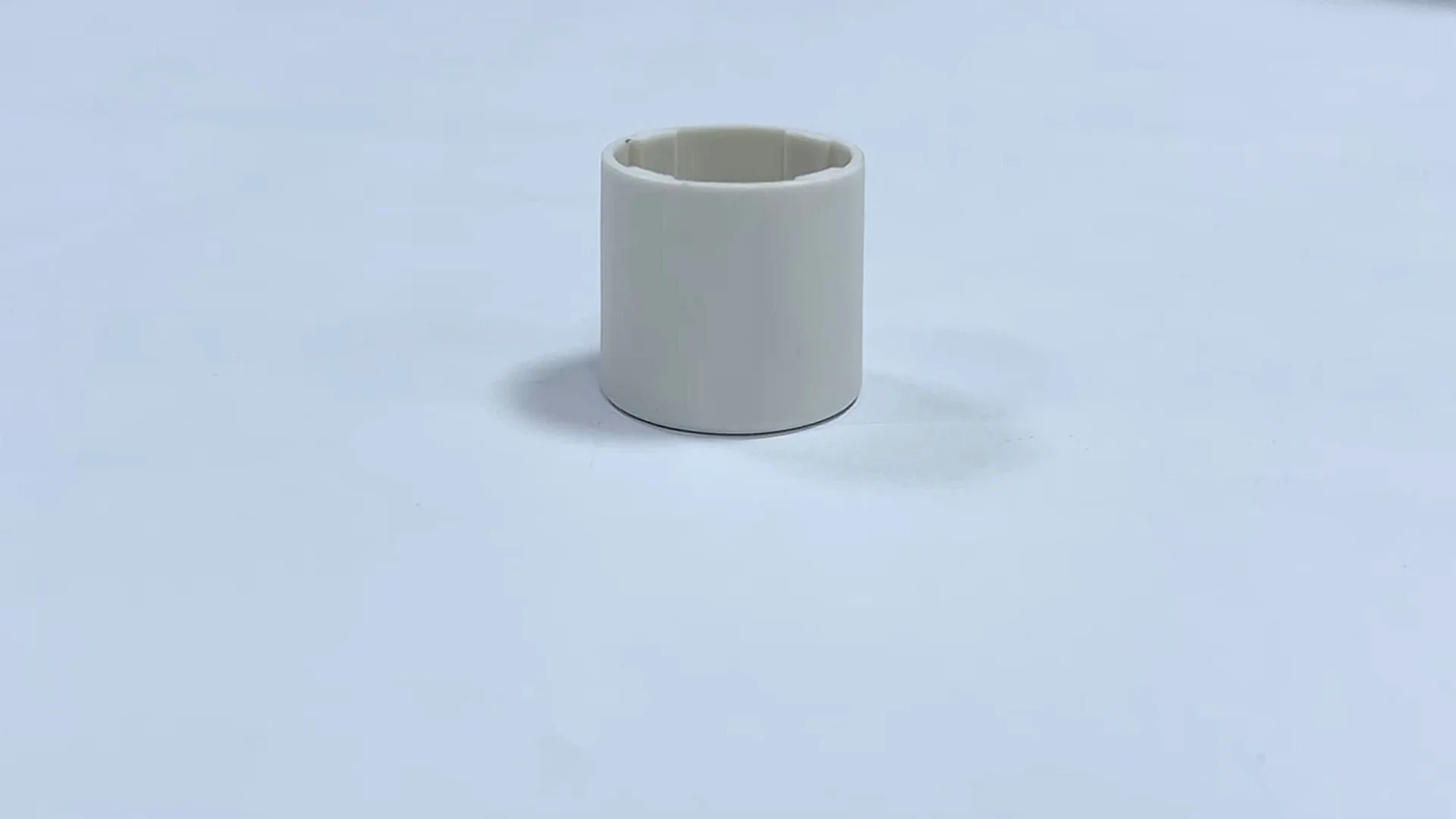
Plastic Pipe Sleeve
Plastic pipe sleeve to cover dia 28MM aluminum pipe end to contact with ground.
In the world of manufacturing and workflow optimization, lean systems stand as a testament to the power of efficiency, flexibility, and adaptability. At the heart of these systems lies a network of modular components—pipes, joints, workbenches, and accessories—that come together to create customized solutions for everything from assembly lines to warehouse storage. But here's the thing: even the most well-designed lean system is only as strong as the compatibility between its parts. Today, we're zeroing in on a critical pairing that often goes unnoticed but plays a huge role in keeping operations running smoothly: plastic pipe sleeves and inner rotating aluminum joints. Let's dive into why their compatibility matters, how to ensure a perfect match, and the real-world impact this has on lean system performance.
Lean Systems: The Backbone of Modern Workflow
First, let's ground ourselves in what lean systems are all about. Lean isn't just a buzzword—it's a philosophy centered on minimizing waste, maximizing value, and creating seamless workflows. Whether you're assembling electronics, packaging goods, or managing inventory, a lean system is designed to adapt to your needs, not the other way around. This adaptability hinges on modular components that can be easily reconfigured, expanded, or repurposed as your operations evolve.
Enter aluminum lean pipe—a staple in lean systems worldwide. Lightweight yet surprisingly strong, aluminum lean pipe has become the go-to material for building everything from workbenches to material racks. Its corrosion resistance and sleek finish make it ideal for both indoor and controlled environments, while its modular nature means you can snap together a functional structure in hours, not days. But aluminum lean pipe alone isn't enough. To unlock its full potential, it needs reliable joints that allow for movement and adjustment—and that's where inner rotating aluminum joints come into play.
Plastic Pipe Sleeves: The Unsung Heroes of Component Protection
Before we get to the joints, let's talk about plastic pipe sleeves. At first glance, they might seem like simple, unassuming pieces—just a tube of plastic slipped over a metal pipe. But don't let their simplicity fool you. These sleeves serve a handful of critical roles that keep your lean system in top shape:
Protection First: Plastic sleeves act as a buffer between the aluminum lean pipe and the environment. They shield the pipe from scratches, dents, and corrosion, especially in high-traffic areas where carts, tools, or materials might bump against the structure. This isn't just about aesthetics—protecting the pipe extends its lifespan, reducing the need for replacements and cutting down on maintenance costs.
Friction Reduction: When pipes rub against joints or other surfaces, friction can wear down both components over time. Plastic sleeves create a smooth, low-friction barrier, minimizing wear and tear. This is especially important in moving parts, like roller tracks or adjustable shelving, where constant motion could otherwise lead to premature failure.
Grip and Stability: Ever tried tightening a joint on a bare metal pipe? It can slip, leading to wobbly structures that compromise safety. Plastic sleeves add a slight texture and grip, making it easier to secure joints tightly and keep them from loosening during use. They also help dampen vibrations, which is crucial in high-activity areas where constant movement might shake components loose.
Material Matters: Not all plastic pipe sleeves are created equal. Most are made from durable plastics like polyethylene (PE) or polyvinyl chloride (PVC), chosen for their flexibility, chemical resistance, and ability to withstand temperature fluctuations. Some sleeves even come with ESD (electrostatic discharge) properties, making them ideal for electronics manufacturing where static buildup can damage sensitive components. The key is selecting a sleeve that aligns with your environment—whether you need something tough for heavy use or lightweight for quick adjustments.

Inner Rotating Aluminum Joints: Flexibility in Motion
Now, let's turn to the other half of our pairing: inner rotating aluminum joints. If aluminum lean pipe is the bones of a lean system, these joints are the joints—literally. They connect pipes at various angles, allow for rotation, and enable the kind of flexibility that makes modular systems so powerful. But what sets inner rotating aluminum joints apart?
Designed for Movement: Unlike fixed joints that lock pipes into a rigid angle, inner rotating joints feature a mechanism that lets one pipe rotate relative to another. This is game-changing for applications where you need to adjust the orientation of a shelf, swing a tool holder into place, or tilt a work surface. Imagine a workbench where you can rotate a parts bin from horizontal to vertical with a simple twist—that's the magic of an inner rotating joint.
Aluminum Advantage: These joints are made from aluminum for good reason. Aluminum is lightweight, so it doesn't add unnecessary bulk to the structure. It's also resistant to rust and corrosion, ensuring longevity even in humid or temperature-controlled environments. Plus, aluminum's natural strength means these joints can support significant weight without bending or breaking—critical for workbenches loaded with tools or material racks holding heavy inventory.
Reusability and Sustainability: In lean systems, waste reduction includes minimizing the need for new parts. Inner rotating aluminum joints are designed to be disassembled and reused. Swap out a pipe, adjust an angle, or repurpose the joint in a completely new structure—no need to throw it away. This not only saves money but aligns with the sustainability goals many businesses are prioritizing today.

Why Compatibility Between Plastic Pipe Sleeves and Inner Rotating Aluminum Joints Matters
Okay, so we know plastic pipe sleeves protect pipes and add grip, and inner rotating aluminum joints enable flexibility. But why does their compatibility matter so much? Let's put it this way: if the sleeve is too loose, it might slip inside the joint, causing the structure to wobble. If it's too tight, it could jam the rotation mechanism, making adjustments impossible. A poor fit can even lead to premature wear—either the sleeve tears, the joint cracks, or both. In short, compatibility isn't just about "fitting together"—it's about ensuring the pairing works as a team to deliver the performance, safety, and longevity your lean system needs.
Let's break down the key areas where compatibility comes into play:
1. Dimensions: Size Really Does Matter
The first check is dimensional compatibility. Let's start with the basics: the inner diameter of the plastic pipe sleeve should match the outer diameter of the aluminum lean pipe. If the sleeve is too small, you'll struggle to slide it on (and might even tear it in the process). If it's too large, it'll bunch up, slip, or create gaps that let dirt and moisture in. Most manufacturers standardize on common pipe sizes—for example, 28mm or 30mm outer diameter for aluminum lean pipe—so sleeves are usually available in matching sizes. But always double-check the specs: a sleeve labeled "for 28mm pipe" should have an inner diameter of around 28.5mm to 29mm to ensure a snug but not tight fit.
Next, consider the inner rotating aluminum joint's opening. These joints are designed to clamp around the pipe (or pipe-and-sleeve combo), so the joint's clamping range must accommodate the combined thickness of the pipe and sleeve. For example, if your aluminum lean pipe has an outer diameter of 28mm and the plastic sleeve adds 1mm of thickness, the joint should comfortably clamp around 29mm. A joint with a maximum clamping diameter of 28mm will either fail to close properly or crack under pressure—definitely not what you want.
2. Material Interaction: Avoiding Unpleasant Surprises
Plastic and aluminum might seem like a harmless pair, but material interaction can cause issues if you're not careful. For starters, some plastics react poorly to certain chemicals or temperatures. If your workspace uses cleaning agents, oils, or solvents, make sure the plastic sleeve is resistant to those substances—otherwise, it could degrade, become brittle, or even melt. Most polyethylene or PVC sleeves are chemical-resistant, but it's always worth checking the manufacturer's data sheet.
Another consideration is galvanic corrosion, though this is less of a risk here since aluminum is already corrosion-resistant, and the plastic sleeve acts as a barrier between metal components. Still, if the sleeve wears thin in spots, exposing the aluminum pipe to another metal (like steel fasteners in the joint), corrosion could occur over time. Choosing a high-quality, thick-walled plastic sleeve minimizes this risk by maintaining that protective barrier longer.
3. Functional Performance: Does the Pairing Actually Work?
At the end of the day, the plastic pipe sleeve and inner rotating aluminum joint need to work together functionally. Let's say you've got the dimensions right and the materials play nice—now, does the joint still rotate smoothly with the sleeve in place? A sleeve that's too thick or has a rough inner surface could create friction, making rotation stiff or jerky. On the flip side, a sleeve that's too slippery might cause the pipe to spin inside the joint, defeating the purpose of a "fixed" rotation point.
This is where testing comes in. Before committing to a large order, grab a sample pipe, sleeve, and joint, and assemble them. Twist the joint back and forth—does it move freely? Tighten the joint's clamp—does the sleeve stay in place, or does it shift? Apply a little pressure (simulating the weight of tools or materials)—does the structure hold firm? A few minutes of hands-on testing can save you from weeks of frustration down the line.

A Closer Look: Compatibility Table
To make this more tangible, let's put compatibility to the test with a quick comparison table. We'll use a common scenario: a 28mm aluminum lean pipe, a standard plastic pipe sleeve (1mm thickness), and an inner rotating aluminum joint designed for 25-30mm pipes. Here's how they stack up across key compatibility factors:
| Compatibility Factor | Plastic Pipe Sleeve | Inner Rotating Aluminum Joint | Combined Performance |
|---|---|---|---|
| Inner Diameter (Sleeve) vs. Outer Diameter (Pipe) | 29mm (ideal for 28mm pipe) | Clamping range: 25-30mm | Sleeve fits pipe snugly; joint clamps securely around sleeve. |
| Material Resistance | Polyethylene (resistant to oils, water, mild chemicals) | Aluminum alloy (corrosion-resistant, no reaction with PE) | No chemical degradation; sleeve protects aluminum from scratches. |
| Rotation Functionality | Smooth inner surface, 1mm thickness | Internal bearing mechanism for 360° rotation | Joint rotates freely without binding; sleeve reduces friction between pipe and joint. |
| Installation Ease | Flexible, easy to slide onto pipe | Quick-release lever for clamping | Sleeve slides on in seconds; joint clamps in place with minimal effort. |
| Durability Under Load | Abrasion-resistant, withstands 50+ lbs of pressure | Supports up to 150 lbs per joint | Combined, handles typical workbench loads (tools, parts, materials) without deformation. |
Real-World Application: Workbenches and Beyond
Let's bring this down to earth with a practical example: the workbench. A workbench is the heart of any assembly or packing station, and in a lean system, it needs to be customizable. Imagine a workbench E (single deck, without casters) built using aluminum lean pipe, plastic pipe sleeves, and inner rotating aluminum joints. The goal? To create a surface where operators can adjust the height of tool holders, rotate parts bins for easy access, and reconfigure the layout as new tasks come in.
Without compatible plastic pipe sleeves and inner rotating joints, this flexibility falls apart. If the sleeves slip, the tool holder might sag mid-use. If the joints jam, operators can't rotate the parts bin, leading to wasted time and frustration. But with a well-matched pair, the workbench becomes a dynamic tool: tighten the joint to lock a position, loosen it to rotate, and rely on the sleeve to keep everything stable. Over time, this translates to faster task completion, fewer errors, and a happier, more productive team.
And it's not just workbenches. Material racks, turnover trolleys, and roller tracks all rely on this compatibility. A material rack B (3 rows, 3 floors) uses inner rotating joints to adjust shelf angles, while plastic sleeves protect the pipes from the constant sliding of boxes. A roller track with plastic guide rails? Those rails are essentially specialized sleeves, ensuring smooth movement of goods without damaging the aluminum track beneath.
Tips for Ensuring Compatibility: From Selection to Installation
Now that you understand why compatibility matters, let's talk about how to ensure you get it right. Here are some actionable tips to guide you:
1. Stick to a Single Supplier (When Possible): The easiest way to guarantee compatibility is to source your aluminum lean pipe, plastic sleeves, and inner rotating joints from the same supplier. Suppliers design their components to work together, so you won't have to guess if a sleeve from Brand A fits a joint from Brand B. If you must mix suppliers, ask for spec sheets and compare dimensions (inner diameter, clamping range, material thickness) side by side.
2. Test Before Scaling: As mentioned earlier, always test a small sample before placing a large order. Assemble a mini-structure—a short pipe with a sleeve and joint—and put it through its paces. Twist the joint, apply weight, spray it with water or cleaning solution (if applicable), and see how it holds up. This is especially important if you're using a new type of plastic sleeve or a specialized joint (like an internal rotatory aluminum joint with a unique mechanism).
3. Consider the Environment: Your workspace's conditions will influence compatibility. In a cold storage facility, for example, you'll need plastic sleeves that stay flexible at low temperatures (avoid brittle plastics like some types of PVC). In a high-heat environment, look for heat-resistant sleeves (silicone or polypropylene might be better than standard PE). The inner rotating joint's lubrication (if it has any) should also be temperature-appropriate—otherwise, it could thicken or thin out, affecting rotation.
4. Don't Skimp on Quality: It's tempting to cut costs with cheaper plastic sleeves or off-brand joints, but this often backfires. A low-quality sleeve might tear after a month of use, while a poorly made joint could crack under minimal weight. Invest in mid-to-high quality components—they'll last longer, perform better, and save you money on replacements in the long run.
Troubleshooting Common Compatibility Issues
Even with careful planning, you might run into issues. Here are some common problems and how to fix them:
Sleeve Slipping Inside the Joint: If the sleeve shifts when you rotate the joint, it's likely too loose. Try a thicker sleeve (e.g., 1.5mm instead of 1mm) or one with a textured inner surface for better grip. You can also wrap a thin layer of friction tape around the pipe before adding the sleeve (just make sure it doesn't add too much thickness for the joint to clamp).
Joint Won't Rotate Smoothly: A stiff joint could mean the sleeve is too thick, the joint is dirty, or the internal mechanism is faulty. First, check for debris inside the joint—dust or grit can jam the rotation. If that's not it, try a thinner sleeve. If the problem persists, the joint might be defective; contact the supplier for a replacement.
Sleeve Cracking or Tearing: This is usually due to excessive pressure or incompatible materials. If the joint is clamping too tightly, adjust the clamp (most have a tension screw). If the sleeve is cracking in cold temperatures, switch to a more flexible material like polyethylene terephthalate (PET) or silicone.
Final Thoughts: Compatibility as a Foundation for Lean Success
In the grand scheme of lean systems, plastic pipe sleeves and inner rotating aluminum joints might seem like small players. But as we've explored, their compatibility is the glue that holds modular structures together—ensuring flexibility, durability, and efficiency. From protecting pipes to enabling smooth rotation, this pairing impacts everything from workbench functionality to material flow.
So, the next time you're designing or upgrading a lean system, take a moment to consider the plastic pipe sleeves and inner rotating aluminum joints. Check their dimensions, test their performance, and prioritize quality. Your team, your workflow, and your bottom line will thank you. After all, in lean systems, it's the little details—the compatible parts, the snug fits, the smooth rotations—that add up to big results.