- Company Articles
- Products and Technology
- Procurement Guidelines
- Plastic Pipe Sleeve Cost Analysis: Is It a Worthwhile Investment for Small Manufacturers?

Plastic Pipe Sleeve Cost Analysis: Is It a Worthwhile Investment for Small Manufacturers?
Related Product
Plastic Pipe Sleeve
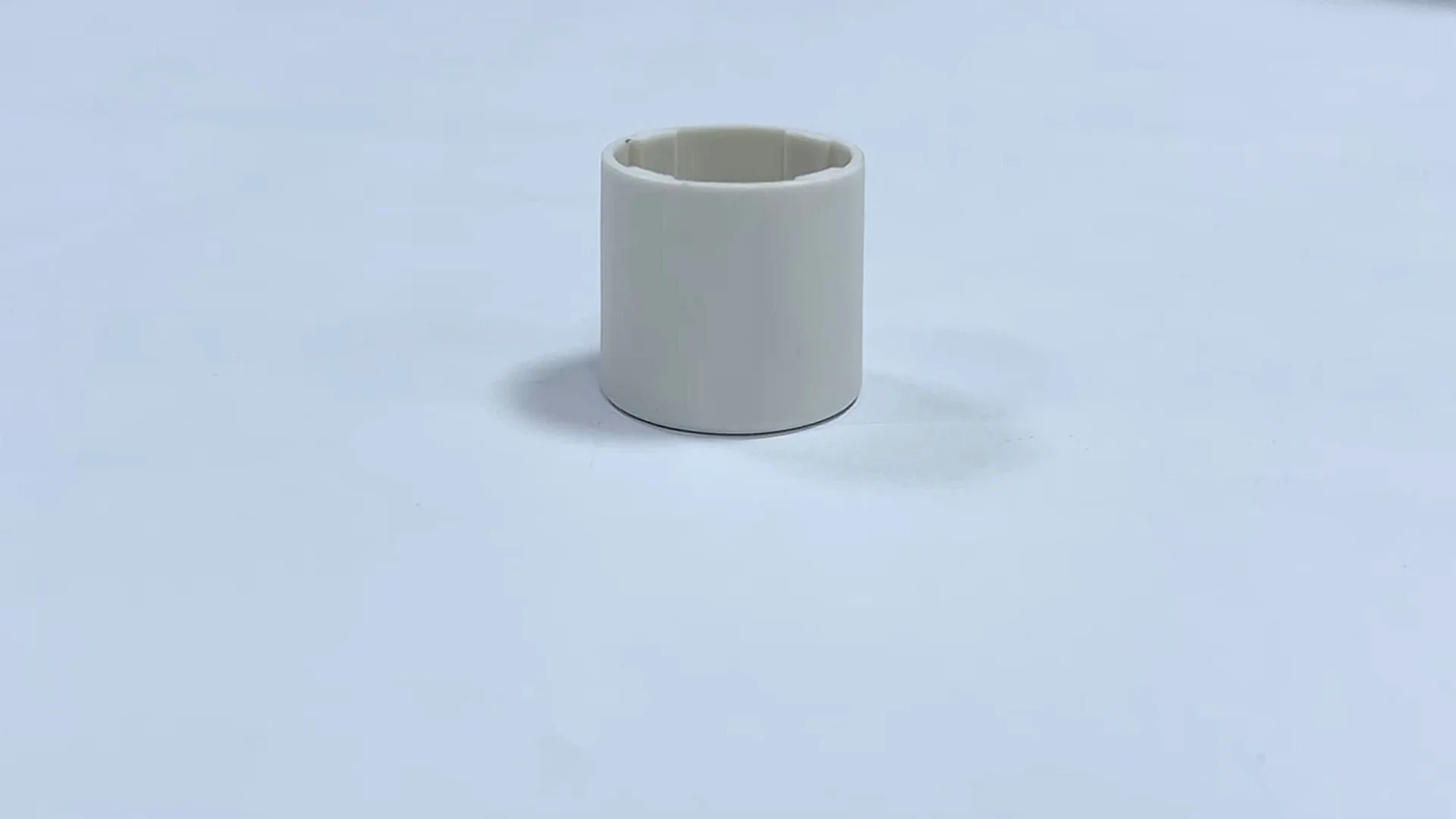
Plastic pipe sleeve to cover dia 28MM aluminum pipe end to contact with ground.
Running a small manufacturing business often feels like walking a tightrope—balancing quality, efficiency, and budget is no easy feat. Every tool, every component, and every process tweak has to justify its place in your workflow, especially when resources are limited. That's why today, we're diving into a but surprisingly impactful component: the plastic pipe sleeve. You might have seen these small, unassuming tubes in workshops, on assembly lines, or even in your own storage areas. But are they worth the investment for small manufacturers? Let's break it down—no jargon, just real talk about costs, benefits, and whether this tiny accessory can deliver big returns.
First Things First: What *Is* a Plastic Pipe Sleeve?
Let's start with the basics. A plastic pipe sleeve is exactly what it sounds like: a protective covering, usually made of durable plastics like PVC or polypropylene, designed to fit over lean pipes (those metal or aluminum tubes you see in workbenches, flow racks, and material handling systems). Think of it as a "sock" for your lean pipes—simple, but with a big job: shielding the pipes from scratches, dents, corrosion, and wear and tear. They come in different sizes (like 0.5 inch or 1 inch) and colors (yellow, grey, black), but their core purpose stays the same: to extend the life of your lean pipe structures.
But here's the thing: plastic pipe sleeves aren't just "add-ons." They're part of the broader ecosystem of lean pipe accessories—the nuts, bolts, and small parts that make lean systems tick. In lean manufacturing, every component is supposed to reduce waste and boost efficiency, and plastic sleeves fit right into that philosophy. They're cheap, easy to install, and designed to solve a common problem: keeping your equipment in shape without overspending.
Why Lean Systems Need Plastic Pipe Sleeves (Yes, Even Small Ones)
You've probably heard of "lean systems"—the approach to manufacturing that focuses on cutting waste (time, materials, effort) and streamlining workflows. For small manufacturers, lean systems aren't just a buzzword; they're survival tools. When you're working with limited space and staff, you can't afford to have a workbench break down or a flow rack start rusting mid-shift. That's where plastic pipe sleeves come in.
Lean pipes are the backbone of many lean structures. They're used to build workbenches, turnover trolleys, material racks, and conveyor systems—all the things that keep your production line moving. But lean pipes (especially metal or aluminum ones) are prone to damage. Forklifts bump them, tools scrape them, and moisture can make them rust. Over time, a dented or corroded pipe weakens the entire structure, leading to wobbly workbenches, stuck conveyor tracks, or even collapsed racks. And replacing a whole pipe? That's expensive. But a plastic sleeve? It acts as a buffer, absorbing impacts and keeping moisture out. Suddenly, that $1 sleeve could save you from a $50 pipe replacement (or worse, a $500 production delay).

The Cost Breakdown: Let's Crunch the Numbers
Small manufacturers care about one question above all: "How much will this cost me?" Let's get specific. We'll look at upfront costs, long-term savings, and how plastic pipe sleeves stack up against alternatives. Spoiler: The numbers might surprise you.
Upfront Investment: Pennies on the Dollar
Plastic pipe sleeves are cheap. Like, really cheap. Depending on the size and supplier, you're looking at $0.50 to $2 per sleeve. For example, a 1-inch swivel roller ball sleeve might cost $1.20, while a 0.5-inch grey plastic roller track guide rail sleeve could be as low as $0.75. Even if you need 100 sleeves for a small workbench setup, that's $50 to $200 upfront. Compare that to, say, metal sleeves (which can cost $3–$5 each) or replacing a bent lean pipe ($20–$30 per pipe), and the initial outlay is tiny.
But here's the catch: Small manufacturers often skip sleeves to save those upfront pennies. "Why spend $100 on sleeves when I can use the pipes as-is?" It's a fair thought—until the pipes start failing. Let's see what happens next.
Long-Term Savings: The "Cost of Not Sleeving"
Let's do a quick scenario. Imagine you build a basic workbench using 10 lean pipes (common for a small assembly station). Without sleeves, those pipes might last 1–2 years before they get dented, rusted, or bent enough to need replacement. With sleeves? They could last 5+ years. Let's plug in numbers:
- Without sleeves: 10 pipes × $25 each = $250 initial cost. replace every 2 years: $250 × 3 replacements (over 6 years) = $750 total.
- With sleeves: 10 pipes × $25 = $250 + 10 sleeves × $1 = $10 → $260 initial cost. replace pipes every 6 years: $250 (one replacement) → $260 + $250 = $510 total.
Over 6 years, sleeves save you $240. And that's just for one workbench. If you have flow racks, conveyor tracks, or turnover trolleys (all made with lean pipes), the savings multiply. Suddenly, that $100 upfront for sleeves feels like a steal.
How Do They Compare to Alternatives?
Still on the fence? Let's put plastic sleeves head-to-head with other options. We'll use a 5-year timeline (a typical lifespan for small manufacturing equipment) to see which choice is cheapest long-term.
| Option | Initial Cost (10 Pipes + Accessories) | Annual Maintenance Cost | 5-Year Total Cost |
|---|---|---|---|
| No Sleeves | $250 (pipes only) | $50 (pipe replacements, repairs) | $250 + ($50 × 5) = $500 |
| Plastic Pipe Sleeves | $250 (pipes) + $10 (sleeves) = $260 | $10 (occasional sleeve replacement) | $260 + ($10 × 5) = $310 |
| Metal Sleeves | $250 (pipes) + $50 (metal sleeves) = $300 | $15 (metal sleeves rarely need replacement, but pipes still wear) | $300 + ($15 × 5) = $375 |
| Stainless Steel Pipes (No Sleeves) | $400 (stainless steel pipes are pricier) | $20 (more durable, but still scratch/corrode) | $400 + ($20 × 5) = $500 |
Plastic sleeves come out on top by a mile. They're cheaper than metal sleeves, more cost-effective than upgrading to stainless steel, and way less expensive than replacing pipes every year or two. For small manufacturers watching every dollar, this is a no-brainer.

Beyond Cost: Why Plastic Sleeves Make Life Easier for Small Teams
Cost savings are great, but small manufacturers need more than just cheap tools—they need tools that make work easier . Plastic pipe sleeves deliver here, too. Let's talk about the "soft" benefits that don't show up on a spreadsheet but matter just as much.
1. They're DIY-Friendly (No Expert Needed)
Small teams rarely have a dedicated maintenance crew. If something breaks, you or your staff have to fix it. Plastic sleeves? They're so easy to install, a new hire could do it in 5 minutes. Just slide them over the pipe—no glue, no screws, no special tools. Need to replace a torn sleeve? Pull off the old one, pop on a new one. Done. Compare that to metal sleeves, which often require clamps or adhesives, or repainting rusted pipes (a messy, time-consuming chore).
2. They Protect Your Products (and Your Reputation)
Scratched or dented pipes don't just look bad—they can damage your products. Imagine sliding a fragile part down a conveyor track with a rusty, jagged lean pipe. Ouch. Plastic sleeves create a smooth, non-abrasive surface, so your products (and your customers) stay happy. For small manufacturers competing with bigger brands, quality control is everything. A $1 sleeve could save you from a $100 customer complaint.
3. They're Flexible (Just Like Your Business)
Small manufacturers don't have the luxury of static workflows. You might reconfigure your assembly line next month, or add a new workbench to handle a big order. Plastic sleeves make it easy to adapt. They're lightweight, so you can disassemble and reassemble lean pipe structures without worrying about damaging the sleeves (or the pipes). Metal sleeves? They're heavier and more likely to crack if you bend or move the pipes too much. Plastic? It bends, flexes, and keeps working—just like your business.

Real Talk from a Small Manufacturer: "We Should Have Bought Sleeves Years Ago"
Don't just take my word for it. Let's hear from Mike, who runs a small electronics assembly shop with 12 employees. A year ago, he was tired of replacing bent lean pipes on his workbenches. "We'd spend $300 every few months on new pipes, and the downtime was killing us—our line would stop for an hour while we swapped out a rusted section," he told me. "A buddy in the industry mentioned plastic sleeves, so we tried them. Now, a year later, not a single pipe has needed replacing. We spent $80 on sleeves for 8 workbenches, and we've already saved over $600 in pipe replacements. Plus, the workbenches look cleaner, and our team doesn't complain about scratched hands from rough pipes anymore."
Mike's story isn't unique. Small manufacturers across industries—from furniture making to auto parts—are realizing that plastic pipe sleeves aren't just "nice to have." They're essential for keeping lean systems running smoothly, even on a shoestring budget.
So, Is It Worth It? The Verdict for Small Manufacturers
Let's wrap this up. For small manufacturers, plastic pipe sleeves are a classic "penny-wise, pound-foolish" test. Upfront, they cost almost nothing—$0.50 to $2 per sleeve. Long-term, they save you hundreds (if not thousands) in pipe replacements, downtime, and product damage. They're easy to install, flexible, and they make your workspace safer and more efficient.
Could you run your business without them? Sure. But why would you? When every dollar counts, investing in something that pays for itself in months (and keeps paying) is a no-brainer. Think of it this way: If you bought one sleeve per day for a year, you'd spend $365. The savings from not replacing one lean pipe? $25. Do the math—you'd break even in 15 days. After that, every sleeve is pure profit.
So, is a plastic pipe sleeve a worthwhile investment for small manufacturers? Absolutely. It's not glamorous, it's not fancy, but it works—hard, and cheaply. And in small manufacturing, that's the ultimate win.