- Company Articles
- Products and Technology
- Product knowledge
- Plastic Pipe Sleeve Flexibility: Supporting Adjustable Lean Structures in Dynamic Production Lines

Plastic Pipe Sleeve Flexibility: Supporting Adjustable Lean Structures in Dynamic Production Lines
Related Product
Plastic Pipe Sleeve
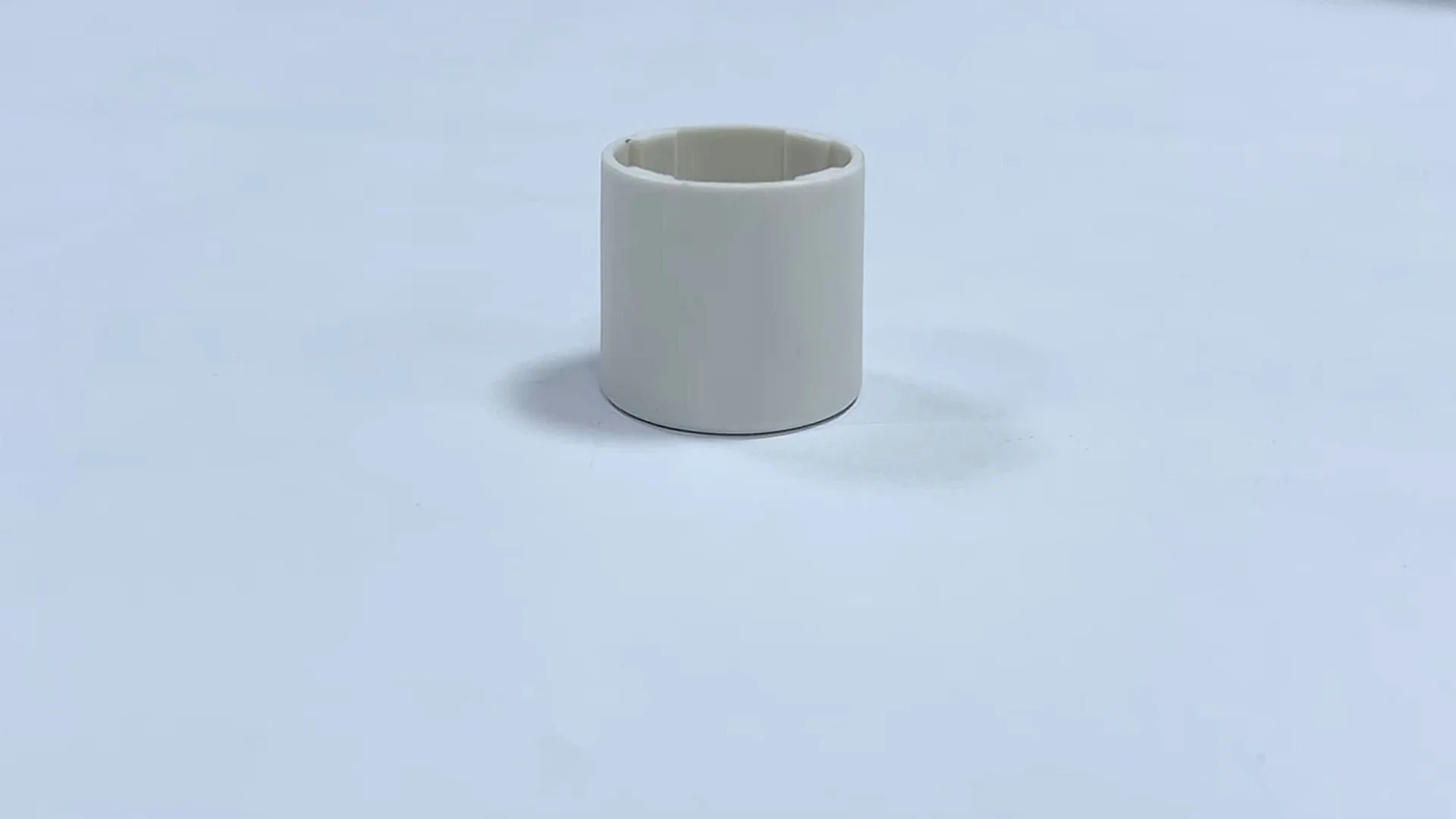
Plastic pipe sleeve to cover dia 28MM aluminum pipe end to contact with ground.
In today's fast-paced manufacturing world, production lines are no longer static entities. They're living, breathing systems that need to pivot quickly—whether to accommodate a new product design, scale up for seasonal demand, or optimize workflow based on real-time data. For plant managers, engineers, and frontline supervisors, this constant need for adaptability can feel like a high-wire act: balance efficiency with flexibility, reduce waste without sacrificing productivity, and keep operations running smoothly even as requirements shift. Enter the unsung hero of lean manufacturing: the plastic pipe sleeve. Though small in size, this unassuming component plays a pivotal role in building the adjustable, resilient structures that power dynamic production lines. Let's dive into how plastic pipe sleeves are redefining what's possible in lean systems, from workbenches to turnover trolleys, and why they've become a go-to solution for teams aiming to stay agile in an ever-changing industry.
The Role of Plastic Pipe Sleeves in Lean Manufacturing
Lean manufacturing isn't just a buzzword—it's a philosophy centered on eliminating waste, streamlining processes, and continuously improving efficiency. At its core, lean relies on tools and structures that can evolve with the needs of the business. Traditional fixed structures—think rigid metal frames or welded workbenches—often stand in the way of this evolution. They're expensive to modify, time-consuming to reconfigure, and prone to becoming obsolete when production needs change. This is where plastic pipe sleeves step in: as a lightweight, versatile alternative that aligns perfectly with lean principles.
A plastic pipe sleeve is essentially a hollow tube, typically made from durable materials like polypropylene or polyethylene, designed to fit over lean pipes (also known as or "lean tubes"). When paired with lean pipe joints, these sleeves transform basic pipes into modular building blocks. Imagine being able to assemble a workbench in the morning, reconfigure it into a material rack by afternoon, and break it down into a turnover trolley by the end of the day—all without welding, drilling, or specialized tools. That's the flexibility plastic pipe sleeves bring to the table. They turn static structures into dynamic, "plug-and-play" systems that grow and change with your production line.
Key Features of Plastic Pipe Sleeves: Why They Stand Out
What makes plastic pipe sleeves so effective in supporting adjustable lean structures? It all comes down to their unique combination of features, tailored to meet the demands of dynamic manufacturing environments. Let's break down the qualities that make them indispensable:
1. Unmatched Flexibility
Unlike metal or wooden sleeves, plastic pipe sleeves are inherently flexible. They can be easily cut to custom lengths with a standard hacksaw, bent (within reason) to fit non-linear designs, and even stacked or layered to adjust height or width. This means if your team suddenly needs a workbench that's 6 inches taller to accommodate a new assembly process, you don't need to order a whole new bench—just trim a few sleeves, adjust the lean pipes, and you're good to go. For production lines that handle multiple product variants, this flexibility is a game-changer. A single set of sleeves and pipes can be repurposed across dozens of configurations, eliminating the need to store dedicated structures for every scenario.
2. Lightweight Yet Durable
Plastic pipe sleeves strike the perfect balance between weight and strength. They're significantly lighter than metal sleeves, making them easy for a single operator to handle during reconfiguration. This not only speeds up setup times but also reduces the risk of workplace injuries—no more straining to lift heavy steel components. Don't let their lightness fool you, though: modern plastic sleeves are built to withstand the rigors of manufacturing. They're resistant to scratches, dents, and most industrial chemicals, and they hold up well to repeated use. In fact, many sleeves are rated to support weights of up to 500 pounds when properly paired with lean pipe joints, making them suitable for everything from small tool storage to heavy material racks.
3. Cost-Effective and Low-Maintenance
For budget-conscious operations, plastic pipe sleeves are a smart investment. They cost a fraction of metal alternatives, and their reusability means you'll spend less on replacement parts over time. Unlike wood, they don't warp or rot when exposed to moisture, and unlike metal, they won't rust or corrode—even in humid or dusty factory environments. Maintenance is minimal, too: a quick wipe with a damp cloth is usually all it takes to keep them clean. This low-maintenance profile frees up your maintenance team to focus on more critical tasks, rather than repairing or refinishing sleeves.
4. Seamless Compatibility with Lean Pipe Joints
Plastic pipe sleeves are designed to work hand-in-hand with lean pipe joints—the connectors that hold lean structures together. Their inner diameter is precisely calibrated to fit standard lean pipes (typically 28mm or 30mm), ensuring a snug, secure fit when paired with joints like 90° elbows, parallel connectors, or three-way adapters. This compatibility means you don't need to source specialized parts; a basic set of sleeves, pipes, and joints from any lean pipe supplier is all you need to build everything from simple shelves to complex conveyor systems. It also ensures consistency across your facility: structures built in the assembly area will use the same components as those in the warehouse, making training and troubleshooting a breeze.

Applications in Lean Structures: From Workbenches to Turnover Trolleys
Plastic pipe sleeves aren't just a theoretical solution—they're practical, real-world tools that power some of the most essential structures in manufacturing. Let's explore how they're used in key applications, and why teams keep coming back to them:
Workbenches: The Heart of Assembly Lines
Workbenches are where the magic happens in production—whether it's assembling circuit boards, packaging products, or inspecting components. But a one-size-fits-all bench rarely works for dynamic teams. Enter plastic pipe sleeve workbenches. These benches are built by connecting lean pipes with sleeves and joints, then adding a tabletop (often made of plywood or aluminum honeycomb panels). The beauty? Every aspect is adjustable. Need a shelf for tools? Slide a few sleeves and pipes into place. Want to add a bin for scrap materials? Clip on a plastic container using a sleeve-mounted bracket. Even the height can be tweaked by swapping out shorter sleeves for longer ones. For example, a electronics manufacturer in China recently reported cutting their workbench reconfiguration time by 70% after switching to plastic sleeve-based benches. What used to take a full day (and a team of two) now takes an hour with just one operator.
Turnover Trolleys and Racks: Moving Materials with Ease
In any production line, moving materials from point A to point B is a daily challenge. Turnover trolleys and material racks need to be lightweight enough for operators to push, sturdy enough to hold heavy loads, and customizable to fit different part sizes. Plastic pipe sleeves excel here. A turnover trolley built with plastic sleeves and lean pipes weighs 30-40% less than a metal equivalent, reducing strain on operators and making it easier to maneuver in tight spaces. Plus, the sleeves can be paired with casters (another key accessory in lean systems) to create trolleys that glide smoothly across factory floors. For material racks, sleeves allow for quick adjustments to shelf heights—critical when storing everything from small components (like 0.5-inch swivel roller balls) to larger assemblies. A automotive parts supplier in Germany, for instance, uses plastic sleeve-based material racks to store both small bolts and bulky engine parts on the same rack, simply by adjusting the sleeve spacing between shelves.
Flow Racks and Roller Tracks: Streamlining Material Flow
Flow racks and roller tracks are essential for "kanban" systems, where materials flow seamlessly from storage to assembly. Plastic pipe sleeves play a supporting role here by providing a lightweight framework for roller tracks (like plastic roller track guide rails in yellow or grey). By mounting roller tracks onto a structure built with plastic sleeves and lean pipes, teams can create gravity-fed flow racks that automatically move materials to the front as items are removed. The sleeves ensure the rack can be angled slightly (for optimal flow) and adjusted in width to fit different track sizes. For example, a food packaging plant in the U.S. used plastic sleeves to build a flow rack for plastic containers, and was able to reduce material retrieval time by 45%—all because the rack could be customized to match the exact dimensions of their containers, eliminating jams and wasted motion.
| Structure Type | Key Benefit of Plastic Pipe Sleeves | Example Use Case |
|---|---|---|
| Workbench | Adjustable height, easy addition of accessories (shelves, tool holders) | Electronics assembly line switching between smartphone and tablet production |
| Turnover Trolley | Lightweight design, customizable shelf spacing | Warehouse team moving small parts to assembly stations |
| Material Rack | Modular shelf heights, compatible with roller tracks | Automotive plant storing varying sizes of brake components |
| Flow Rack | Angle-adjustable framework for gravity-fed material flow | Food packaging facility moving plastic containers to filling stations |

Compatibility with Lean Pipe Joints and Accessories
A plastic pipe sleeve is only as good as the components it works with. Fortunately, these sleeves are designed to integrate seamlessly with a wide range of lean pipe joints and accessories, creating a cohesive system that's greater than the sum of its parts. Let's take a closer look at how this compatibility enhances their utility:
Lean Pipe Joints: The Glue That Holds It All Together
Lean pipe joints (like 90° lean pipe joints, parallel lean pipe joints, or three-way lean pipe joints) are the connectors that attach sleeves and pipes to form structures. Plastic sleeves fit snugly over lean pipes, and when a joint is clamped into place, the sleeve creates a secure, non-slip grip. This ensures that structures like workbenches or trolleys don't wobble or loosen over time, even with repeated use. For example, a 90° crossing lean pipe joint can connect four sleeves at once, creating a stable corner for a material rack. The plastic sleeve's slight flexibility even helps absorb minor shocks—like when a heavy part is placed on a shelf—reducing wear and tear on the joint itself.
Accessories: Expanding Possibilities
Beyond joints, plastic pipe sleeves work with a host of accessories to add functionality. Need to mount a tool holder on a workbench? Slide a plastic pipe clamp over the sleeve and secure it with a screw. Want to add wheels to a trolley? Attach caster accessories (like caster wheels or caster mounts) directly to the sleeves. Even specialized components like swivel roller balls (1 inch or 0.5 inch) can be mounted using sleeve-compatible brackets, turning a basic rack into a smooth-sliding material handler. This compatibility means your lean system isn't limited to the basics—you can customize it with exactly the features your team needs, without overcomplicating the design.

Benefits for Dynamic Production Lines: Beyond Just Flexibility
While flexibility is the star of the show, plastic pipe sleeves offer a host of other benefits that make them a smart choice for dynamic production lines. Let's explore how they impact the bottom line and day-to-day operations:
Reduced Downtime During Reconfigurations
In manufacturing, downtime is the enemy. Every minute a production line is idle costs money. Plastic pipe sleeves slash reconfiguration time by eliminating the need for specialized labor or equipment. A team can disassemble a workbench and rebuild it as a material rack in under an hour, compared to half a day or more with metal structures. This speed is critical for lines that need to switch between products multiple times a week.
Lower Storage Costs
Storing extra structures—like backup workbenches or dedicated racks—eats up valuable floor space. With plastic pipe sleeves, you can store a few bundles of sleeves and pipes instead of dozens of pre-built structures. This frees up space for more production activities or inventory, making your facility more efficient overall.
Improved Ergonomics for Operators
Ergonomics isn't just a buzzword—it's essential for keeping teams healthy and productive. Plastic pipe sleeves allow for precise adjustments to workbench heights, shelf angles, and trolley handles, ensuring that every operator can work comfortably. For example, a team member who's 5'4" can lower their workbench sleeves to avoid hunching, while a 6'2" colleague can raise theirs to prevent shoulder strain. This customization reduces the risk of repetitive stress injuries and keeps morale high.
Sustainability and Reusability
In an era of increasing focus on sustainability, plastic pipe sleeves shine. They're often made from recyclable materials, and their reusability means less waste. Instead of scrapping a metal workbench when it's no longer needed, you can break down the sleeves and pipes and repurpose them for a new project. This reduces your facility's carbon footprint and aligns with lean principles of minimizing waste.
Real-World Impact: A Closer Look
To truly understand the value of plastic pipe sleeves, let's hear from the teams that use them daily. Take Maria, a production supervisor at a consumer electronics plant in Mexico. Her line assembles everything from smartwatches to Bluetooth speakers, each with different assembly requirements. "Before plastic sleeves, we had a separate workbench for each product," she says. "We were drowning in storage—racks full of benches we only used once a month. Now, we have a core set of lean pipes and sleeves. When we switch to smartwatch production, we reconfigure the benches in 45 minutes. It's saved us 30% on storage costs and cut our changeover time in half."
Or consider Raj, an operations manager at a automotive parts supplier in India. His team struggled with heavy metal turnover trolleys that often caused back strain among operators. "We switched to plastic sleeve-based trolleys, and the difference was immediate," he notes. "The trolleys are 30% lighter, so operators can move them with one hand. We've seen a 25% drop in workplace injuries related to material handling, and productivity is up because less time is spent moving parts."
The Future of Flexible Manufacturing with Plastic Pipe Sleeves
As manufacturing continues to evolve—with trends like Industry 4.0, small-batch production, and on-demand manufacturing—flexibility will only become more critical. Plastic pipe sleeves are poised to play an even bigger role in this future. Imagine integrating IoT sensors into sleeves to track usage or monitor structural integrity, or using 3D-printed custom sleeves for ultra-specific designs. While these innovations are on the horizon, the current generation of plastic pipe sleeves already offers everything teams need to stay agile today.
For lean system suppliers and manufacturers, the message is clear: plastic pipe sleeves aren't a passing trend—they're a foundational component of modern, dynamic production lines. They embody the lean spirit of "do more with less," empowering teams to adapt, innovate, and thrive in an unpredictable market.
Conclusion: Small Component, Big Impact
In the grand scheme of manufacturing, plastic pipe sleeves might seem like a small detail. But as we've explored, their impact is anything but minor. They transform rigid, static structures into dynamic, adaptable systems that keep pace with the demands of modern production. From workbenches that adjust to operator heights to turnover trolleys that glide through tight spaces, plastic pipe sleeves are the unsung heroes enabling lean manufacturing to reach its full potential.
For plant managers, engineers, and operators alike, the message is simple: if you're building a lean system that needs to evolve, don't overlook the power of plastic pipe sleeves. They're affordable, easy to use, and ready to tackle whatever your production line throws at them. In a world where change is the only constant, flexibility isn't just a nice-to-have—it's a necessity. And plastic pipe sleeves deliver flexibility in spades.