- Company Articles
- Products and Technology
- Product knowledge
- Plastic Pipe Sleeve Insulation Properties: Reducing Noise in Flexible Production Workstations

Plastic Pipe Sleeve Insulation Properties: Reducing Noise in Flexible Production Workstations
Related Product
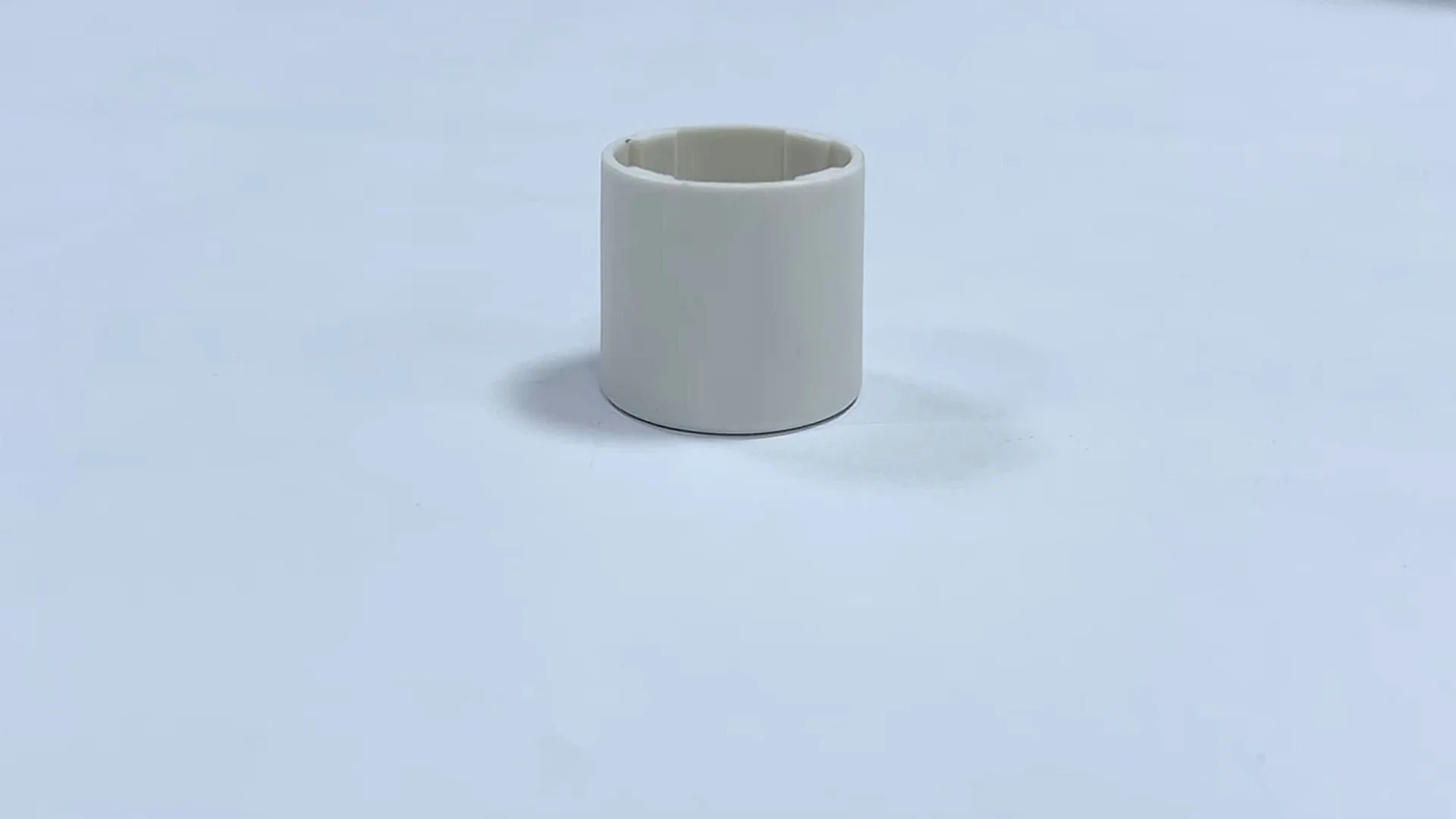
Plastic Pipe Sleeve
Plastic pipe sleeve to cover dia 28MM aluminum pipe end to contact with ground.
Walk into any busy production facility, and you'll likely be greeted by a symphony of sounds: the whir of conveyor belts, the clink of metal parts, the hum of machinery, and the constant movement of materials across workbenches. While this buzz might feel like a sign of productivity, it's often hiding a silent problem—noise. Excessive noise in manufacturing environments isn't just an annoyance; it's a productivity killer, a safety hazard, and a drain on worker well-being. Studies show that prolonged exposure to noise levels above 85 decibels (dB) can lead to hearing loss, increased stress, and even reduced focus, all of which chip away at the efficiency that lean systems strive to build. This is where flexible production workstations—like those built with lean pipe systems—face a unique challenge: how to maintain adaptability and modularity while keeping noise in check. Enter plastic pipe sleeves: a simple, cost-effective solution that's quietly transforming how we think about workstation design. In this article, we'll dive into how these unassuming sleeves leverage their insulation properties to cut noise, boost worker comfort, and make lean pipe workbenches and roller tracks smarter, calmer, and more efficient.
What Are Plastic Pipe Sleeves, and Why Do They Matter?
Before we get into their noise-busting superpowers, let's start with the basics: what exactly are plastic pipe sleeves? At their core, these are cylindrical coverings made from durable plastics—think PVC, polyethylene, or polypropylene—designed to fit snugly over metal pipes, tubes, or rails. In industrial settings, they're most commonly used with lean pipe systems, which are the backbone of flexible workstations, roller tracks, and material racks. If you've ever seen a modular workbench with metal pipes and joints that can be reconfigured in minutes, chances are those pipes are either bare metal or wrapped in a plastic sleeve.
But why add a sleeve at all? Bare metal pipes might seem sturdy, but they're noisy. When parts slide across them, when the pipe vibrates from nearby machinery, or when workers bump tools against them, metal amplifies sound like a drum. Plastic, on the other hand, is a natural dampener. It's softer, more flexible, and less prone to vibrating at the frequencies that make noise travel. That's why plastic pipe sleeves have become a staple for manufacturers who want to keep their lean systems flexible without sacrificing a quiet workspace.
Beyond noise reduction, these sleeves offer other perks. They protect the underlying metal from scratches, corrosion, and wear—extending the life of your lean pipe workbench or roller track. They also add a non-slip surface, which is a small but crucial detail when moving delicate parts or tools. And because they're lightweight and easy to install (most just slip on or secure with simple clips), they fit perfectly with the "quick changeover" ethos of lean manufacturing. No need for specialized tools or downtime; you can upgrade an entire workstation in an afternoon.
The Insulation Properties of Plastic Pipe Sleeves: Beyond Just Thermal
When we hear the word "insulation," we often think of keeping heat in (or out)—like the foam wrap around a hot water pipe. But plastic pipe sleeves offer a different kind of insulation: acoustic. Their ability to reduce noise comes down to two key properties: vibration damping and sound absorption. Let's break that down.
First, vibration damping. When metal pipes vibrate—whether from a nearby motor, parts sliding across a roller track, or even the movement of a turnover trolley—those vibrations travel through the metal and turn into sound waves that fill the air. Plastic, being a viscoelastic material, doesn't vibrate as easily. When a vibration hits the plastic sleeve, the material deforms slightly, converting some of that kinetic energy into heat (a process called hysteresis). The result? Less vibration, and thus less noise. Think of it like wrapping a bell in a thick towel: the towel absorbs the vibration, so the bell rings more quietly.
Second, sound absorption. Unlike hard surfaces (like bare metal), plastic has a porous structure (especially in foam-based sleeves) that traps sound waves. When sound hits the sleeve, instead of bouncing off and echoing, it gets caught in the tiny air pockets within the plastic, where it loses energy and fades. This is why you'll often see plastic sleeves used on roller tracks, where parts glide from one workstation to the next—without the sleeve, each part would create a sharp "clatter" as it hits the metal; with the sleeve, that sound softens into a muted "thud."
To put this in perspective, let's look at some numbers. A typical lean pipe workbench with bare steel pipes might produce noise levels around 75-80 dB when parts are being assembled or moved. Add a plastic pipe sleeve, and that drops to 60-65 dB—about the difference between a busy office and a quiet conversation. On roller tracks, the impact is even more noticeable. Without sleeves, a metal part sliding down a 10-foot track can hit 85 dB; with a sleeve, it's closer to 70 dB, well below the OSHA threshold for mandatory hearing protection. Over a full workday, that 15-20 dB reduction isn't just noticeable—it's transformative for workers on the line.

Integrating Plastic Pipe Sleeves into Lean Systems: A Match Made for Flexibility
Lean manufacturing is all about eliminating waste—whether that's wasted time, materials, or motion. But one form of waste often overlooked is "noise waste": the time lost to distractions, the errors caused by miscommunication, and the turnover driven by uncomfortable working conditions. Plastic pipe sleeves address this waste while staying true to lean principles, making them a natural fit for lean pipe systems, lean pipe workbenches, and roller tracks.
Take modularity, for example. Lean systems thrive on being reconfigurable—today's assembly line might need a U-shaped workstation, tomorrow a straight-line roller track. Plastic pipe sleeves don't get in the way of that. They're lightweight, easy to remove, and compatible with all standard lean pipe joints and accessories. If you need to disassemble a workbench and rebuild it elsewhere, the sleeves can be slipped off, moved, and reused without damage. This contrasts with more permanent noise-reduction solutions, like foam insulation or rubber coatings, which can tear or peel when pipes are taken apart.
Then there's the "continuous improvement" pillar of lean. Installing plastic pipe sleeves isn't a one-and-done fix; it's a starting point. Because they're so affordable, manufacturers can experiment with where noise is worst—maybe the roller track leading to the packaging station, or the edges of the lean pipe workbench where tools are set down—and add sleeves incrementally. Over time, they can measure noise levels, gather worker feedback, and adjust. This iterative approach aligns perfectly with kaizen, the lean philosophy of small, constant improvements.
Perhaps most importantly, plastic pipe sleeves support the human element of lean. A quieter workstation isn't just about comfort; it's about empowering workers to do their best. When noise is reduced, communication improves—no more shouting over the din to ask for a tool or confirm a part. Focus sharpens, which means fewer mistakes and faster cycle times. And when workers feel that their well-being is a priority, morale rises, reducing absenteeism and turnover. In short, plastic pipe sleeves don't just make workstations quieter—they make them more human, which is the heart of any successful lean system.

Real-World Impact: Plastic Pipe Sleeves in Lean Pipe Workstations and Roller Tracks
Let's ground this in a real scenario. Imagine a mid-sized electronics manufacturer that recently switched to a lean pipe system for their assembly line. Their new setup included several lean pipe workbenches, a network of roller tracks to move circuit boards between stations, and turnover trolleys for transporting finished products. Initially, the team was thrilled with the flexibility—they could adjust workbench heights, add or remove roller track sections, and reconfigure the line in hours instead of days. But there was a catch: the noise. The metal-on-metal contact of circuit boards sliding down the roller tracks, the clatter of tools on the bare steel workbench edges, and the rattle of trolleys moving across the floor made the line so loud that workers were using earplugs by mid-morning. Productivity was dipping, and the HR team was fielding complaints about stress and fatigue.
The solution? Plastic pipe sleeves. The manufacturer started by adding yellow plastic roller track guide rails (a common type of sleeve) to their roller tracks. Almost immediately, the sound of circuit boards sliding dropped from a (sharp) 82 dB to a dull 68 dB. Next, they added sleeves to the vertical pipes of their lean pipe workbenches, where tools often banged during use. That cut noise at the workstations by another 10 dB. Finally, they wrapped the handles and edges of their turnover trolleys with the same sleeves, reducing the rattle of movement.
The results were striking. Within a month, worker feedback surveys showed a 30% increase in reported comfort levels. Error rates on the assembly line dropped by 15%, and the team was able to reduce the number of breaks needed to combat fatigue. Perhaps most surprisingly, communication improved—supervisors noted that workers were collaborating more, asking questions, and sharing ideas without having to raise their voices. All of this from a simple upgrade that cost less than $500 for the entire line. It's a testament to how small changes, like adding plastic pipe sleeves, can have outsized impacts on lean system performance.

Comparing Insulation Solutions: Why Plastic Pipe Sleeves Stand Out
Plastic pipe sleeves aren't the only option for reducing noise in production workstations. So how do they stack up against alternatives like foam wraps, rubber coatings, or even stainless steel sleeves? Let's break it down with a side-by-side comparison:
| Insulation Solution | Noise Reduction (dB)* | Durability | Chemical/Oil Resistance | Ease of Installation | Cost (per foot) | Compatibility with Lean Systems |
|---|---|---|---|---|---|---|
| Plastic Pipe Sleeves | 15-25 dB | High (resistant to cracks/scratches) | Excellent (repels most oils/chemicals) | Easy (slip-on; no adhesives) | $2.50-$5.00 | High (reusable, compatible with all lean pipe joints) |
| Foam Wrap | 20-30 dB | Low (prone to tearing, especially with frequent handling) | Poor (absorbs oils/chemicals, breaks down over time) | Moderate (requires adhesive; hard to remove without damage) | $1.00-$3.00 | Low (not reusable; adhesive residue damages pipes) |
| Rubber Coatings | 10-20 dB | Moderate (can crack in cold temperatures) | Good (resistant to oils, but not solvents) | Difficult (requires curing time; professional application often needed) | $4.00-$7.00 | Moderate (permanent; hard to reconfigure pipes) |
| Stainless Steel Sleeves | 5-10 dB | Very High (rust-proof, scratch-resistant) | Excellent | Moderate (tight fit; may require tools to install) | $8.00-$12.00 | High (durable, reusable) |
*Based on average reductions in a typical manufacturing environment with lean pipe workbenches and roller tracks.
As the table shows, plastic pipe sleeves strike a balance that's hard to beat. They offer solid noise reduction (on par with foam, better than rubber), excellent durability, and unbeatable compatibility with lean systems. While foam might reduce noise a bit more, its fragility makes it impractical for flexible workstations. Stainless steel, on the other hand, is durable but does little to cut noise—and costs twice as much. For manufacturers prioritizing both noise reduction and lean flexibility, plastic pipe sleeves are the clear winner.
Installation and Maintenance: Keeping Your Sleeves (and Workstations) Performing
Installing plastic pipe sleeves is straightforward, even if you're new to lean pipe systems. Here's a quick guide to get you started: First, measure your pipes to ensure you get the right sleeve diameter (most lean pipes are 28mm or 30mm, but check your supplier specs). Next, clean the pipes with a dry cloth to remove dust or oil—this helps the sleeve slide on smoothly. If the sleeve is tight, you can warm it slightly with a hair dryer (on low heat) to soften the plastic, making it easier to fit. Once in place, secure the sleeve with plastic clips or zip ties if needed (though many sleeves stay put on their own due to friction). For roller tracks, focus on the areas where parts make the most contact—usually the top rails and corners. For lean pipe workbenches, cover vertical pipes, edges, and any surfaces where tools or parts are set down regularly.
Maintenance is just as simple. Plastic pipe sleeves are resistant to most industrial oils, greases, and cleaning agents, so you can wipe them down with a damp cloth or mild detergent as needed. Check them periodically for signs of wear—like cracks, tears, or discoloration—and replace any damaged sleeves promptly. Since they're so affordable, keeping a few spares on hand is a good idea for quick swaps. And if you need to reconfigure your workstation, just slide the sleeves off, move the pipes, and slip them back on. No mess, no hassle, and no downtime.
Looking Ahead: Innovations in Plastic Pipe Sleeve Technology
As manufacturers push for even quieter, more efficient workspaces, plastic pipe sleeve technology is evolving too. One trend to watch is the development of "smart sleeves" embedded with small sensors that monitor noise levels, temperature, or even pipe vibration. These sleeves could send real-time data to a central dashboard, alerting managers when noise spikes or when a sleeve needs replacement. Another innovation is the use of recycled plastics in sleeve production, aligning with the sustainability goals of many lean systems. Some suppliers are also experimenting with textured surfaces to improve grip (reducing part slippage and further cutting noise) and flame-retardant materials for use in high-heat environments, like automotive or aerospace factories.
Perhaps most exciting is the integration of plastic pipe sleeves with other lean accessories, like anti-fatigue mats and ergonomic workbench add-ons. Imagine a workstation where the sleeves on the roller track work with the mat on the floor to create a fully noise-dampened, comfortable space—all while remaining modular and adaptable. As these innovations roll out, plastic pipe sleeves will only become more integral to building lean systems that are not just efficient, but human-centered.
Conclusion: Quieting the Factory Floor, One Sleeve at a Time
Noise in production workstations is often treated as an unavoidable part of the job—but it doesn't have to be. Plastic pipe sleeves prove that small, intentional design choices can have a big impact, reducing noise, boosting productivity, and making lean pipe workbenches and roller tracks better for everyone who uses them. By leveraging their insulation properties, these sleeves align with lean principles, support continuous improvement, and remind us that the best lean systems aren't just about machines and processes—they're about people.
So the next time you walk through a production facility, listen closely. The quietest lines might not be the ones with the newest robots or the most advanced software—they might be the ones with something simpler: plastic pipe sleeves, quietly working to make lean manufacturing a little more human, one dB at a time.