- Company Articles
- Products and Technology
- Product knowledge
- Plastic Pipe Sleeve Lifespan: How Long Do They Last in Continuous Production Cycles?

Plastic Pipe Sleeve Lifespan: How Long Do They Last in Continuous Production Cycles?
Related Product
Plastic Pipe Sleeve
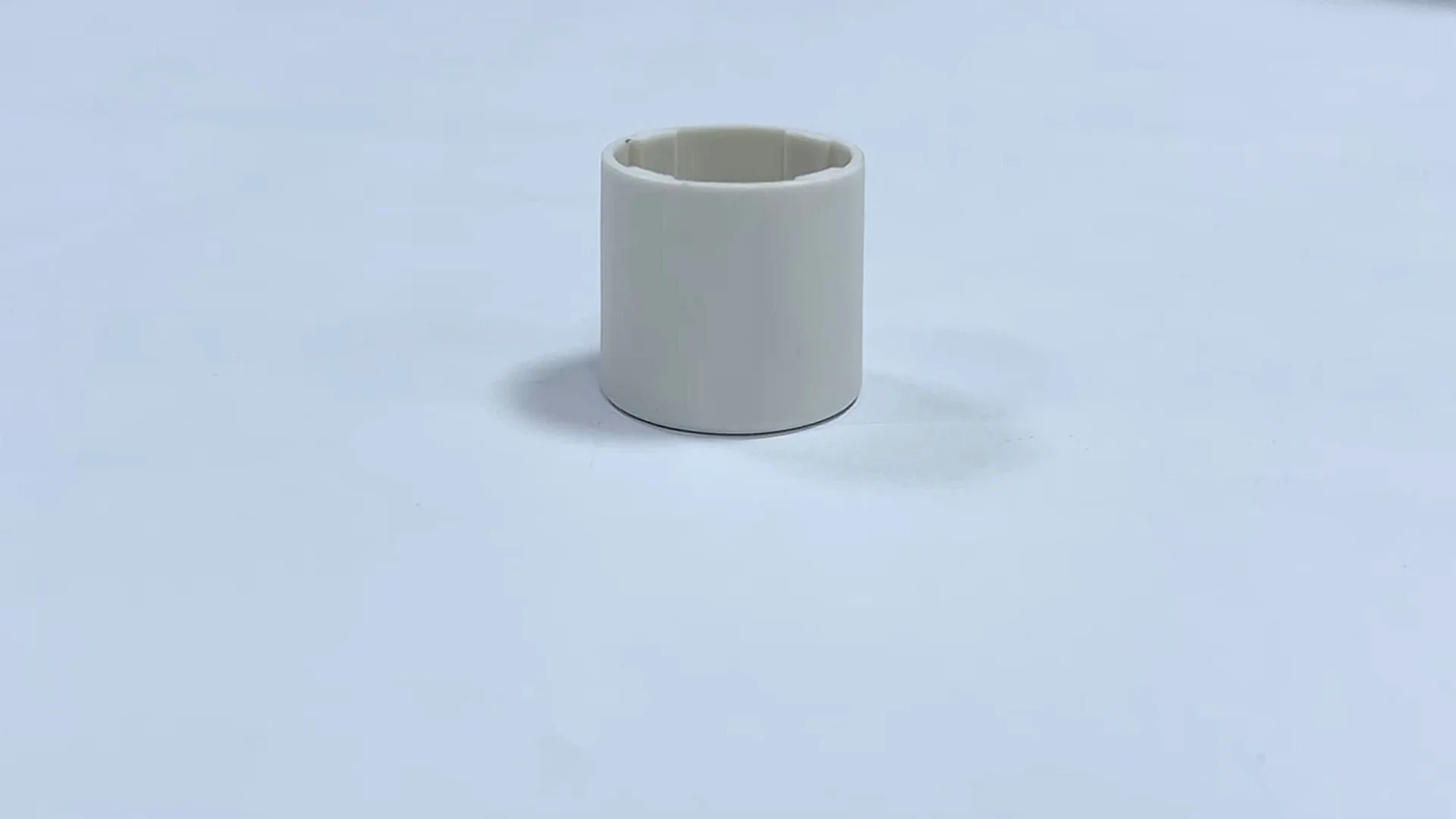
Plastic pipe sleeve to cover dia 28MM aluminum pipe end to contact with ground.
Walk through any busy manufacturing plant, and you'll notice a hidden network holding everything together—lean pipes crisscrossing the floor, connecting workbenches, material racks, and conveyor systems. These systems don't just work on their own, though. Tucked between every lean pipe and joint is a small but mighty component: the plastic pipe sleeve. Quietly doing its job day in and day out, this unassuming accessory keeps pipes aligned, reduces friction, and protects connections from wear. But in continuous production cycles—where lines run 24/7, parts move nonstop, and machines vibrate around the clock—how long can these sleeves really last? Let's dive into the factors that shape their lifespan, the signs that signal it's time for a replacement, and how to keep them performing at their best.
The Hidden Forces That Shape a Plastic Pipe Sleeve's Life
Plastic pipe sleeves might look simple, but their durability depends on a mix of material science, environment, and good old-fashioned wear and tear. Let's break down the key factors that determine how long they'll hold up in the chaos of continuous production.
1. Material Matters: Not All Plastics Are Created Equal
First things first: the type of plastic used in the sleeve makes a huge difference. Most plastic pipe sleeves are made from materials like PVC (polyvinyl chloride), polypropylene (PP), or nylon. Each has its own strengths and weaknesses.
PVC sleeves, for example, are affordable and rigid, making them a common choice for light to medium-duty applications. But they're not great with heat—expose them to temperatures above 140°F (60°C) for extended periods, and they can start to soften or warp. On the flip side, nylon sleeves are more heat-resistant and flexible, handling up to 220°F (104°C) without breaking a sweat. They're also more resistant to chemicals, which is a big plus in factories where coolants, lubricants, or cleaning agents might splash onto the lean pipe system.
Then there's polypropylene, which sits somewhere in the middle. It's stiffer than nylon but more chemical-resistant than PVC. If your production line deals with oils or mild solvents, PP sleeves might outlast PVC ones. The takeaway? Always check the material specs—using a PVC sleeve in a high-heat environment is like putting a Band-Aid on a broken arm; it might work for a bit, but it won't last.
2. The Environment: Heat, Moisture, and Chemicals Play Hardball
Even the toughest plastic sleeve can't withstand a hostile environment. Let's talk about temperature first. In automotive plants, where welding stations or ovens generate constant heat, sleeves near those areas take a beating. Over time, heat causes plastic to lose its elasticity, making it brittle. You might notice small cracks forming around the edges—that's a red flag.
Humidity is another silent killer. Factories in tropical regions or those with steam-based cleaning processes can see sleeves absorb moisture, leading to swelling or mold growth (yes, even plastic can get moldy if it's damp enough). Swollen sleeves might not fit snugly around lean pipes anymore, creating loose connections that rattle during production. And where there's rattle, there's friction—and friction wears down both the sleeve and the lean pipe joint it's supposed to protect.
Chemicals are the third culprit. Think about the fluids used on your production line: degreasers, adhesives, even the soap in floor cleaners. If these drip or splash onto plastic sleeves, they can break down the plastic's molecular structure. Nylon sleeves, for example, hold up well against oils but can degrade in strong acids. PVC, on the other hand, might react poorly to certain solvents. The key is to map out your factory's "chemical zones" and choose sleeves that match the exposure.
3. Mechanical Stress: Vibration, Weight, and the "Bounce Factor"
Continuous production means constant movement. Conveyors hum, robots whir, and workers load/unload parts—all of this creates vibration. Over time, that vibration shakes plastic sleeves loose, especially if they're not installed tightly. A sleeve that's slightly loose will rub against the lean pipe and joint every time the system vibrates, wearing down both the inner surface of the sleeve and the outer layer of the pipe.
Then there's the weight. If your lean pipe system is holding heavy tools or stacks of materials, the sleeves at the connection points bear that load. A sleeve rated for 50 lbs might work fine for a light workbench but will crack under a 200-lb material rack. It's like using a rope meant for a tent to pull a car—eventually, it'll snap.
And let's not forget the "bounce" from repeated use. Take a turnover trolley, for example: every time it's pushed, stopped, or loaded, the sleeves connecting its frame absorb the impact. Do this 50 times a day, 5 days a week, and even durable nylon sleeves will start to show signs of fatigue. The plastic might become less flexible, or you might see indentations where the lean pipe presses against it.
4. Installation: Even the Best Sleeve Fails If Installed Wrong
You could have the most expensive, heat-resistant, chemical-proof sleeve on the market, but if it's installed poorly, it won't last. Common mistakes? Over-tightening, which stretches the plastic and creates weak spots. Under-tightening, which leads to the aforementioned vibration issues. Or misalignment—if the sleeve isn't centered on the lean pipe joint, one side will wear down faster than the other.
Another installation blunder is mixing and matching sleeve sizes. A sleeve that's too small for the lean pipe will crack when forced on; one that's too large will slide around. It's basic, but you'd be surprised how often teams grab whatever sleeve is handy instead of checking the size. Pro tip: Label your sleeve storage bins by pipe diameter (e.g., "1-inch lean pipe sleeves") to avoid mix-ups.
Signs Your Plastic Pipe Sleeve Is About to Fail
No one wants a sleeve to fail mid-production—it can bring a line to a halt, damage equipment, or even cause safety hazards. The good news is that sleeves usually give warning signs before they break. Here's what to watch for:
| Sign of Wear | What It Means | Action to Take |
|---|---|---|
| Cracks (small or large) | The plastic has lost elasticity, often due to heat, over-tightening, or age. | replace immediately—cracks will spread quickly under stress. |
| Discoloration (fading or yellowing) | UV exposure or chemical damage; the plastic's molecular structure is breaking down. | Check surrounding areas for chemicals/UV sources; replace sleeves in affected zones. |
| Brittleness (sleeve cracks when bent slightly) | Heat or prolonged stress has made the plastic rigid. | Swap for a heat-resistant material (e.g., nylon instead of PVC) if heat is the cause. |
| Looseness (sleeve slides on the pipe) | Wear from vibration or incorrect size; the inner diameter has stretched. | replace with a properly sized sleeve and ensure tight (but not over-tight) installation. |
| Sticky or gummy residue | Chemical exposure or degradation; the plastic is melting or breaking down. | Identify the chemical source; switch to a chemical-resistant sleeve (e.g., polypropylene). |
Pro tip: Do a monthly "sleeve check" during your lean system maintenance. Walk the production line, wiggle each joint gently, and inspect sleeves for these signs. Catching issues early saves time and money down the line.

Extending Lifespan: Maintenance Tips for Plastic Pipe Sleeves
You can't make a sleeve last forever, but you can significantly extend its life with simple maintenance habits. Here's how:
1. Clean Them Regularly
Dust, grease, and debris build up on sleeves over time, acting like sandpaper and accelerating wear. Wipe them down monthly with a mild detergent and a soft cloth—avoid harsh scrubbers, which can scratch the plastic. For sleeves in oily environments (like machine shops), use a degreaser that's safe for the sleeve material (check the manufacturer's specs first).
2. Lubricate (Sparingly) When Needed
If your lean pipe system has moving parts (e.g., a conveyor with roller track), a tiny bit of silicone lubricant on the sleeve can reduce friction. But go easy—too much lube attracts dust, which creates a gritty paste that wears down the sleeve. A single drop on the lean pipe joint before installing the sleeve is usually enough.
3. Store Spares Properly
Extra sleeves should live in a cool, dry place—avoid leaving them near windows (UV damage) or heaters (heat warping). Keep them in sealed plastic bags to prevent dust and moisture buildup. And rotate your stock: use the oldest sleeves first to avoid letting them sit unused for years (plastic can degrade over time, even in storage).
4. Upgrade When Necessary
If you notice sleeves failing repeatedly in a specific area, it's time to upgrade. For example, if your welding station's sleeves keep cracking, switch from PVC to nylon. If a high-weight rack is crushing sleeves, try a thicker-walled design. Sometimes spending a little more on a durable sleeve saves money in the long run by reducing downtime.

Real-World Example: A Automotive Plant Extends Sleeve Lifespan by 300%
Let's look at a case study to see how these factors play out in the real world. A mid-sized automotive parts manufacturer was struggling with plastic pipe sleeves failing every 2-3 months on their assembly line workbenches. The line ran 16 hours a day, 6 days a week, so failures were costly—each breakdown took 30 minutes to fix, and there were 2-3 failures a month.
The maintenance team started by auditing the sleeves. They found most failures were due to heat (the workbenches were near welding stations) and vibration (from nearby conveyor belts). The sleeves were made of standard PVC, which wasn't handling the 150°F+ temperatures. Plus, installers were over-tightening them to "make sure they didn't come loose," which caused cracking.
The fix? They switched to nylon sleeves rated for 250°F and trained the team to tighten them to a specific torque (using a torque wrench) instead of "as tight as possible." They also added heat shields around the welding stations to reduce direct heat exposure. The result? Sleeve lifespan jumped from 2-3 months to 8-10 months—a 300% improvement. Downtime from sleeve failures dropped to zero, and the plant saved over $10,000 a year in replacement parts and labor.

Final Thoughts: Small Component, Big Impact
Plastic pipe sleeves might seem like afterthoughts in a lean pipe system, but their lifespan directly impacts your production line's efficiency. A failed sleeve can stop a conveyor, damage a workbench, or even lead to accidents. By understanding the factors that affect their life—material, environment, stress, installation—and watching for warning signs, you can keep your sleeves (and your line) running smoothly.
Remember: proactive maintenance beats reactive repairs. A 5-minute daily check of critical sleeves, proper storage, and using the right sleeve for the job can add months (or even years) to their lifespan. And when in doubt, ask your lean pipe supplier—they can recommend materials and sizes tailored to your specific production environment.
In the end, it's the small things that make a lean system work. And plastic pipe sleeves? They're proof that even the tiniest components deserve attention.