- Company Articles
- Products and Technology
- Installation And Maintenance
- Plastic Pipe Sleeve Maintenance Tips: Extending Lifespan in High-Volume Factories

Plastic Pipe Sleeve Maintenance Tips: Extending Lifespan in High-Volume Factories
Related Product
Plastic Pipe Sleeve
Plastic pipe sleeve to cover dia 28MM aluminum pipe end to contact with ground.
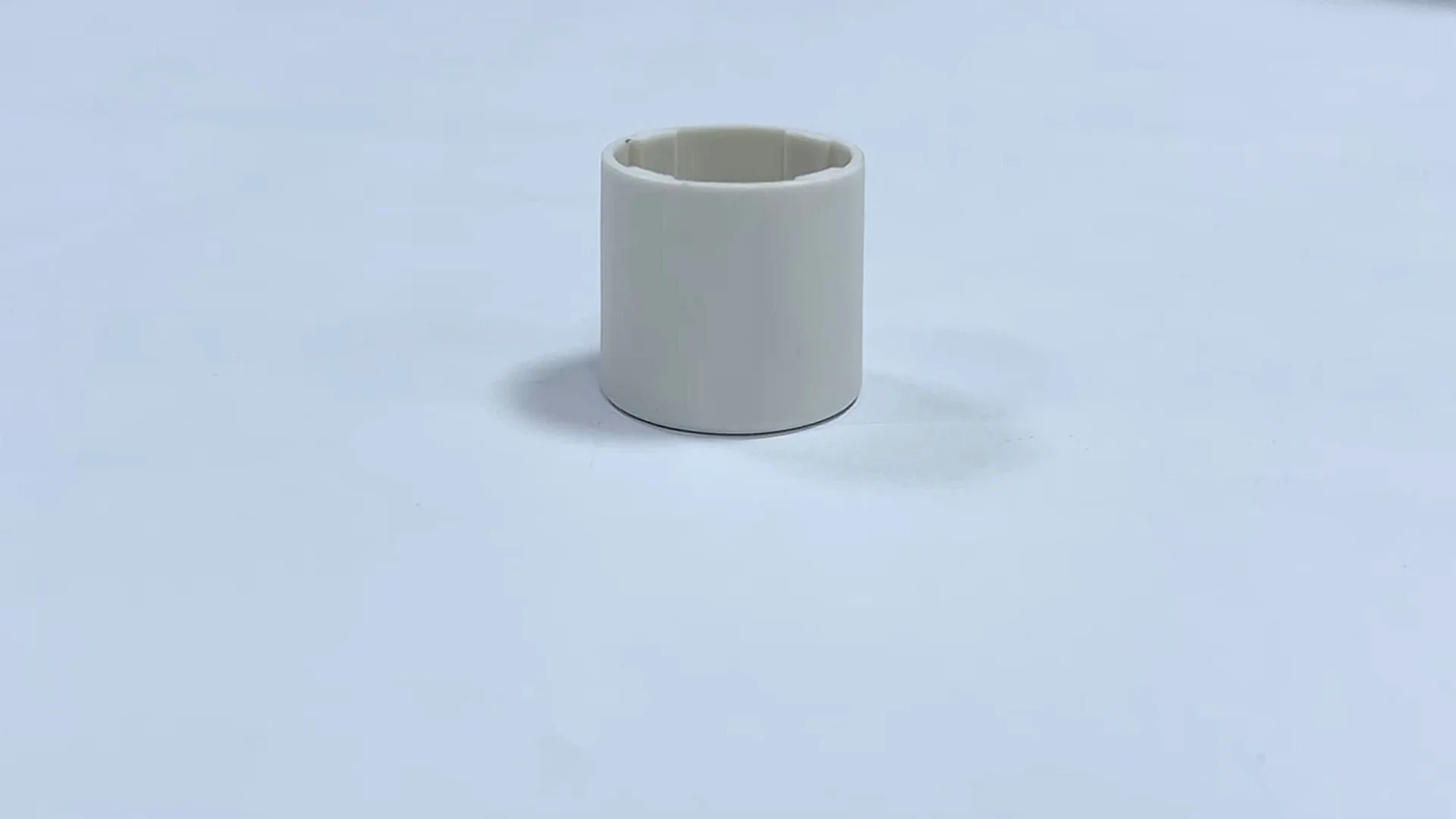
Walk through any high-volume factory, and you'll notice the unsung components that keep operations humming: the smooth-rolling turnover trolleys moving parts between stations, the sturdy workbenches where assembly teams piece together products, and the lean pipes that form the backbone of modular workstations. Among these, plastic pipe sleeves might seem—small, often unassuming tubes that slip over metal or aluminum pipes. But make no mistake: they're the quiet guardians of your facility's efficiency. These sleeves protect pipes from friction, reduce noise, prevent scratches on delicate materials, and even stabilize structures like workbenches and caster wheels. Yet, in the rush of daily production, they're easy to overlook—until a cracked sleeve causes a pipe to rattle, a trolley to jam, or a workbench to wobble. The good news? With the right maintenance habits, you can extend the lifespan of these critical components, cut replacement costs, and keep your lean system running like a well-oiled machine. Let's dive into how.
Understanding Plastic Pipe Sleeves: More Than Just "Covers"
Before we jump into maintenance, let's clarify what plastic pipe sleeves are and why they matter. These sleeves are typically made from durable plastics like polyethylene (PE) or polyvinyl chloride (PVC), designed to fit snugly over lean pipes, aluminum rails, or the metal frames of turnover trolleys and workbenches. Their primary roles? First, protection : they shield underlying pipes from dents, corrosion, and wear caused by constant contact with tools, materials, or other equipment. Second, noise reduction : metal-on-metal contact in a busy factory creates a deafening racket; sleeves muffle that clatter, making the workspace more pleasant for employees. Third, grip and stability : on caster wheels or roller tracks, sleeves add friction to prevent materials from slipping, while on workbench legs, they keep the structure steady on uneven floors.
In a lean system, where every second and every cent counts, even small inefficiencies add up. A worn sleeve on a turnover trolley, for example, might cause the trolley to drag, slowing down material transport and forcing workers to exert extra effort. A cracked sleeve on a workbench could lead to the pipe inside bending or rusting, requiring costly repairs or replacements. And since plastic sleeves are far cheaper than the pipes or equipment they protect, investing in their care is a no-brainer. Think of them as the "first line of defense" for your factory's infrastructure—ignore them, and you're setting yourself up for bigger headaches down the line.
Common Threats to Plastic Pipe Sleeves: What's Hurting Your Sleeves?
To maintain something effectively, you need to know what's working against it. Plastic pipe sleeves face a host of enemies in a factory environment. Let's break down the most common culprits:
1. Friction and Abrasion
Turnover trolleys rolling back and forth, tools leaning against workbench frames, or materials sliding across roller tracks—all of these create friction that wears down sleeve surfaces. Over time, this can cause the plastic to thin, crack, or develop rough patches. For example, a sleeve on a caster wheel axle might rub against the wheel housing thousands of times per day; even a small nick can escalate into a tear if left unchecked.
2. Chemical Exposure
Factories often use cleaning agents, lubricants, or solvents that can degrade plastic. A harsh degreaser spilled near a workbench, for instance, might seep into the sleeve, causing it to become brittle or discolored. Even routine cleaning with ammonia-based products can weaken some plastic formulations over time.
3. Temperature Fluctuations
High-volume factories are rarely climate-controlled uniformly. Welding stations generate intense heat, while cold storage areas (or even air-conditioned zones) can chill sleeves. Plastic expands and contracts with temperature changes, and repeated cycles of heating and cooling cause micro-cracks to form—especially in older sleeves.
4. Impact and Overloading
Accidents happen: a forklift bumps a turnover trolley, a heavy crate is dropped onto a workbench, or a worker kicks a pipe frame in a moment of frustration. These impacts can compress or tear sleeves, leaving the underlying pipe vulnerable. Overloading a trolley or workbench also strains sleeves, as the extra weight increases pressure on contact points.
5. UV Radiation
If your factory has windows or skylights, sleeves near these areas are exposed to sunlight. UV rays break down plastic molecules, leading to discoloration (fading from yellow to gray, for example) and brittleness. Even indirect sunlight over months can weaken sleeves significantly.

Daily and Weekly Maintenance: The "Small Habits" That Prevent Big Problems
Maintenance doesn't have to be a time-consuming chore. In fact, the most effective strategies are simple, daily checks that take just minutes but catch issues before they escalate. Here's a step-by-step guide to integrating plastic pipe sleeve care into your routine:
Start with a Visual Inspection (Daily)
Every shift, assign a team member (or rotate the task among workers) to walk the floor and inspect sleeves on high-use equipment: turnover trolleys, workbenches, caster wheels, and lean pipe frames. What should they look for? Cracks (even hairline ones), tears (especially at joints or bends), discoloration (a sign of chemical exposure or UV damage), and looseness (sleeves that slip or rotate on the pipe). For example, a sleeve on a workbench leg that's started to slide down might expose the metal pipe to moisture, leading to rust. A torn sleeve on a caster wheel axle could cause the wheel to wobble, making the trolley hard to steer.
Pro tip: Create a simple checklist with yes/no questions (e.g., "Are all sleeves intact?" "Any visible cracks?") to ensure nothing is missed. Keep a logbook or digital note (like a shared spreadsheet) to track recurring issues—if the same trolley's sleeves keep tearing, it might be a sign the trolley is overloaded or the path it takes has rough spots that need fixing.
Clean Sleeves Regularly (Weekly)
Dirt, grease, and debris love to cling to plastic sleeves. Over time, this buildup can trap moisture (accelerating corrosion of the underlying pipe) or act like sandpaper, wearing down the sleeve's surface. A weekly wipe-down with a soft cloth and mild soap (avoid harsh chemicals like bleach or acetone) is usually enough. For sleeves on caster wheels or roller tracks, where grime can harden, use a soft-bristled brush to dislodge debris before wiping.
Avoid pressure washing sleeves—high-pressure water can force moisture under the sleeve, causing the pipe to rust, or even tear the plastic if it's already weakened. Stick to gentle cleaning, and dry sleeves thoroughly after wiping to prevent water spots or mold in humid factory areas.
Tighten and Adjust (As Needed)
Sleeves can loosen over time, especially on moving parts like caster wheels or the handles of turnover trolleys. If a sleeve is slipping, don't ignore it—push it back into place and, if needed, secure it with a small amount of heat-resistant adhesive (check the sleeve's material first; some adhesives can react with plastic). For sleeves on fixed structures like workbench legs, ensure they're seated firmly at the base to prevent wobbling.

Monthly Deep Dive: Going Beyond the Basics
While daily and weekly checks handle the "urgent" issues, monthly maintenance lets you get ahead of wear and tear. Set aside an hour each month to perform these more thorough tasks:
Check for "Hidden" Wear
Some sleeves are in hard-to-see places: under workbenches, between the rungs of turnover trolleys, or where lean pipes connect to joints. Use a flashlight to inspect these areas—you might find cracks or thinning that aren't visible at a glance. For example, the sleeve where a lean pipe meets a joint takes extra stress from bending; over time, this can cause the plastic to weaken at the edges.
Test Flexibility
Healthy plastic sleeves should be flexible, not brittle. Gently bend a sleeve (if it's on a non-critical part, like a rarely used trolley) to check for stiffness. If it cracks or snaps when bent, it's a sign of UV damage or chemical degradation, and it's time to replace it. Brittle sleeves can't absorb impact, so they'll fail quickly under normal use.
Lubricate (Sparingly) Where Needed
On sleeves that interact with moving parts—like those on caster wheel axles or roller track guides—a tiny amount of silicone-based lubricant can reduce friction. Avoid oil-based lubricants, which attract dirt and grime. Apply just a drop to the inner surface of the sleeve (where it touches the pipe) and wipe away excess to prevent buildup. This keeps the sleeve sliding smoothly and reduces wear.
Inventory Spare Sleeves
There's nothing worse than a torn sleeve and realizing you don't have a replacement in stock. Monthly, take stock of your spare sleeves (sorted by size and type) and reorder before you run low. Keep a small storage bin near the maintenance area with common sizes—this way, repairs can happen immediately, not days later when a new shipment arrives.

When to replace: Knowing the "Point of No Return"
Even with perfect maintenance, plastic sleeves have a lifespan—typically 1–3 years, depending on use. But how do you know when a sleeve is beyond saving? Here are the red flags that mean it's time to swap it out:
- Cracks longer than 1 inch : Small cracks can sometimes be patched with plastic repair tape (temporarily), but longer ones weaken the sleeve's structure and can spread quickly.
- Brittleness : If the sleeve cracks when bent or crumbles when pressed, it's lost its elasticity and won't protect the pipe effectively.
- Looseness that can't be fixed : If a sleeve slides off the pipe even after cleaning and adjusting, it's stretched out and no longer fits snugly.
- Discoloration with texture changes : Yellowing (from UV exposure) or a sticky/gummy surface (from chemical damage) means the plastic has degraded at a molecular level—even if it looks intact, it's weaker.
When replacing, always match the sleeve size to the pipe: a sleeve that's too tight will tear when installed, while one that's too loose won't stay in place. If you're unsure, measure the pipe's diameter with a caliper and check the manufacturer's specs—most lean pipe suppliers or workbench suppliers list sleeve sizes for their products.
A Maintenance Checklist for Busy Teams
To make maintenance even easier, we've compiled a quick-reference table for daily, weekly, and monthly tasks. Print this out and post it near your team's workstation or add it to your digital checklist app:
| Task | Frequency | What to Do | Why It Matters |
|---|---|---|---|
| Visual inspection | Daily | Check for cracks, tears, discoloration, or looseness on high-use equipment (trolleys, workbenches, caster wheels). | Catches issues early before they worsen. |
| Clean sleeves | Weekly | Wipe with a soft cloth and mild soap; brush away debris from caster wheels/roller tracks. | Prevents dirt buildup that causes wear or traps moisture. |
| Tighten/adjust sleeves | As needed (daily checks) | Push loose sleeves back into place; secure with adhesive if slipping. | Keeps sleeves protecting pipes and stabilizing structures. |
| Deep inspection (hidden areas) | Monthly | Use a flashlight to check sleeves under workbenches, between trolley rungs, and at pipe joints. | Finds wear that's not visible during daily checks. |
| Test flexibility | Monthly | Gently bend sleeves to check for brittleness; replace if they crack. | Identifies sleeves weakened by UV or chemical damage. |
| Inventory spares | Monthly | Check stock of replacement sleeves; reorder low sizes. | Ensures quick repairs when sleeves fail. |
Real-World Impact: How One Factory Cut Sleeve Replacements by 60%
Let's look at a practical example. A mid-sized electronics assembly plant in Ohio was struggling with frequent plastic pipe sleeve failures—especially on their turnover trolleys, which moved circuit boards between soldering and testing stations. Workers were replacing sleeves every 2–3 months, costing the factory $500+ per quarter in materials and downtime. The issue? No formal maintenance plan—sleeves were only replaced when they visibly broke, and dirt and grease buildup was common.
The plant implemented a daily 5-minute inspection (rotated among team leads), weekly cleaning with mild soap, and monthly flexibility tests. They also added a "sleeve log" to track which trolleys needed replacements most often. Within three months, they noticed:
- Sleeve lifespan increased to 6–8 months (a 100% improvement).
- Turnover trolley downtime dropped—no more jams from torn sleeves.
- Worker complaints about noise decreased, as intact sleeves muffled metal-on-metal contact.
The total cost? Just 15 minutes per week of labor (split among the team) and a $20 bottle of mild soap. The savings? Over $1,200 per year in replacement sleeves, plus countless hours of avoided downtime. Proof that small, consistent maintenance pays off.
Conclusion: Invest in the "Small Stuff" for Big Returns
Plastic pipe sleeves might not be the flashiest part of your factory's setup, but they're a cornerstone of efficiency. By integrating simple, daily checks, weekly cleaning, and monthly deep dives into your routine, you can extend their lifespan, reduce replacement costs, and keep your lean system running smoothly. Remember: a well-maintained sleeve isn't just a "cover"—it's a shield for your equipment, a noise reducer for your workers, and a silent partner in keeping production on track. So next time you walk through your facility, take a moment to notice those plastic sleeves. A little care today will save you a lot of hassle tomorrow.