- Company Articles
- Products and Technology
- Product knowledge
- Plastic Pipe Sleeve Material Selection: Factors to Consider for Heavy-Duty Applications

Plastic Pipe Sleeve Material Selection: Factors to Consider for Heavy-Duty Applications
Related Product
Plastic Pipe Sleeve
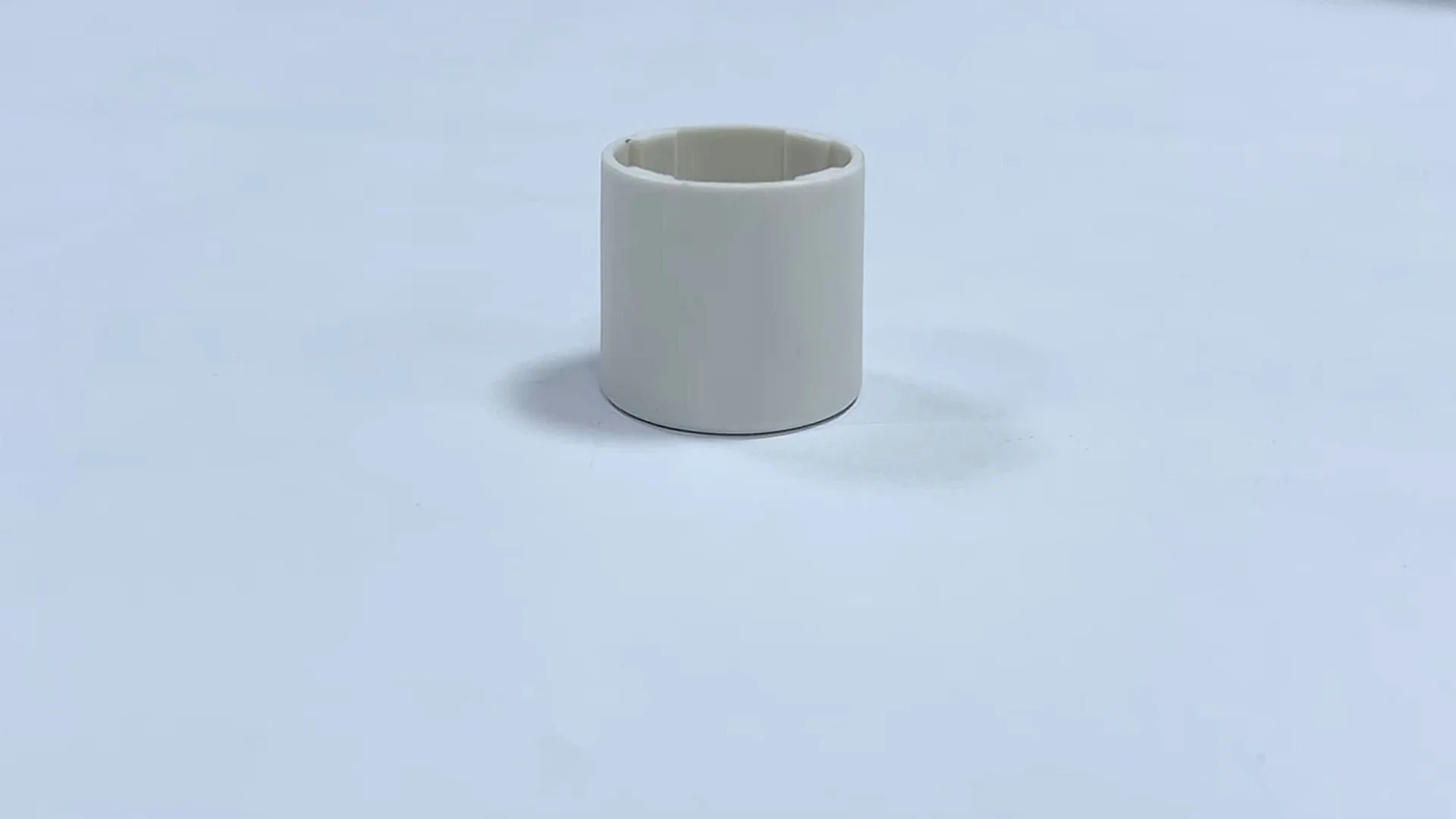
Plastic pipe sleeve to cover dia 28MM aluminum pipe end to contact with ground.
In the bustling world of manufacturing, warehousing, and industrial operations, every component plays a quiet but critical role in keeping systems running smoothly. Among these unsung heroes are plastic pipe sleeves—unassuming cylindrical covers that slip over metal or aluminum pipes, yet wield enormous influence over the durability, efficiency, and safety of heavy-duty structures. Whether you're building a lean pipe workbench, assembling a roller track for material handling, or constructing a robust material rack, the right plastic sleeve can mean the difference between a system that lasts for years and one that falters under pressure.
Heavy-duty applications demand more than just basic protection. They require sleeves that can withstand constant friction, heavy loads, exposure to chemicals, and the daily grind of industrial environments. In lean manufacturing systems, for example, where efficiency and waste reduction are paramount, plastic pipe sleeves protect the underlying lean pipe from wear, reduce noise during operation, and even enhance the flexibility of modular structures. Similarly, in roller track systems, sleeves minimize friction between moving parts, ensuring materials glide smoothly without jamming or damaging the track itself.
But with a dizzying array of plastic materials available—from polyethylene and polypropylene to nylon and polyurethane—how do you choose the right one for your heavy-duty needs? This article dives into the key factors that should guide your decision, helping you balance performance, durability, and cost to build systems that stand the test of time.
Understanding Heavy-Duty Requirements: What Makes an Application "Heavy-Duty"?
Before diving into material specifics, it's essential to define what "heavy-duty" really means in the context of plastic pipe sleeves. This isn't just about handling "heavy things"—it's about sustained stress, frequent use, and harsh conditions. A heavy-duty application might involve:
- High static or dynamic loads: Think of a workbench supporting 500+ pounds of tools and materials daily, or a roller track conveying heavy pallets hour after hour.
- Frequent movement or vibration: Systems with moving parts, like caster wheel-equipped trolleys or oscillating machinery, where sleeves must absorb shock and reduce wear.
- Exposure to harsh environments: Contact with oils, solvents, coolants, or extreme temperatures (e.g., hot manufacturing floors or cold storage facilities).
- Long service life expectations: Structures designed to last 5+ years without major component replacement, such as lean pipe material racks in high-throughput warehouses.
In these scenarios, a flimsy plastic sleeve—say, a thin PVC cover meant for light-duty use—will crack, wear thin, or degrade quickly, leading to costly downtime, repairs, or even safety hazards. Heavy-duty sleeves, by contrast, act as a barrier between the pipe and the elements, absorbing impact, reducing friction, and maintaining structural integrity even under the most demanding conditions.
Key Factors in Material Selection for Heavy-Duty Plastic Pipe Sleeves
Selecting the right plastic material for your pipe sleeves isn't a one-size-fits-all process. It requires a careful evaluation of your application's unique demands. Below are the critical factors to consider:
1. Material Composition & Durability: The Foundation of Longevity
At the heart of any plastic pipe sleeve's performance is its material composition. Different plastics offer varying levels of impact resistance, wear resistance, and tensile strength—all critical for heavy-duty use. Let's break down the most common options and their durability traits:
Polyethylene (PE): A staple in industrial applications, PE is prized for its toughness and chemical resistance. High-density polyethylene (HDPE) is particularly durable, with excellent impact strength even at low temperatures. It's resistant to abrasion and can withstand repeated contact with rough surfaces, making it a solid choice for lean pipe structures and material racks where pipes rub against each other or external objects.
Polypropylene (PP): Stiffer than PE, PP offers good heat resistance (up to 160°F/70°C) and chemical resistance, including to acids and alkalis. However, it's less impact-resistant than PE, especially in cold environments, so it's better suited for moderate heavy-duty applications where temperature stability is key—for example, sleeves on roller tracks in climate-controlled warehouses.
Nylon (Polyamide): For applications demanding extreme wear resistance, nylon is hard to beat. It has a low coefficient of friction, making it ideal for moving parts like roller track components, and it absorbs shock well, reducing noise and vibration. Nylon sleeves are often used in high-load scenarios, such as workbench legs or caster wheel mounts, where constant pressure could wear down softer plastics.
Polyurethane (PU): A flexible, rubber-like plastic, PU excels in applications requiring both elasticity and durability. It's highly resistant to cuts, tears, and abrasion, and it dampens vibrations—making it perfect for sleeves on moving parts like conveyor rollers or caster wheels. However, PU can degrade in high heat, so it's best avoided in environments above 150°F/65°C.
PVC (Polyvinyl Chloride): Rigid PVC is strong and chemical-resistant, but it's brittle compared to PE or nylon, making it prone to cracking under heavy impact. It's more commonly used in light to medium-duty applications, though reinforced PVC (with additives like fiberglass) can work for some heavy-duty needs, such as static material racks where impact is minimal.
When evaluating durability, look for metrics like Izod impact strength (resistance to sudden blows) and Abrasion resistance (weight loss after rubbing against a standard surface). For example, HDPE typically has an Izod impact strength of 20 ft-lb/in (unnotched), while nylon 6/6 can reach 1.5 ft-lb/in (notched)—numbers that translate to real-world performance in high-stress environments.
2. Load-Bearing Capacity: Handling the Weight of the Job
Heavy-duty applications often involve supporting significant weight, whether static (e.g., a workbench loaded with tools) or dynamic (e.g., a roller track moving pallets weighing 500+ pounds). The plastic sleeve must distribute this load evenly across the underlying pipe, preventing deformation or collapse.
Static load capacity refers to the weight a sleeve can support without permanent damage when stationary. For example, a lean pipe workbench with a 1,000-pound capacity requires sleeves that won't compress or crack under the constant weight of machinery. Dynamic load capacity, on the other hand, applies to moving loads—like a trolley rolling over a roller track—where the sleeve must absorb sudden impacts and repeated stress.
Material stiffness plays a big role here. Stiffer plastics like PP or rigid PVC can handle higher static loads but may fail under dynamic stress, while flexible materials like PU or PE absorb impacts better but might compress under heavy static weight. Nylon strikes a balance: it's rigid enough for static loads yet resilient enough to handle dynamic stress, making it a top choice for hybrid applications like adjustable workbenches that see both stationary and moving use.
To gauge load capacity, check the material's compressive strength (the maximum pressure it can withstand before deforming) and flexural modulus (a measure of stiffness). For example, HDPE has a compressive strength of 4,000 psi, while nylon 6/6 can reach 12,000 psi—making nylon better suited for high-load workbench legs or material rack supports.
| Material | Izod Impact Strength (Notched, ft-lb/in) | Compressive Strength (psi) | Abrasion Resistance (mg loss, CS-10 wheel) | Best For |
|---|---|---|---|---|
| HDPE | 2.0 (unnotched: 20+) | 4,000 | 80 | Lean pipe structures, material racks, low-friction surfaces |
| PP | 0.5-1.0 | 5,000 | 100 | Moderate-heat environments, chemical-resistant applications |
| Nylon 6/6 | 1.5 | 12,000 | 30 | High-wear areas, roller tracks, workbench legs |
| PU (85A durometer) | 6.0 (unnotched) | 2,500 | 20 | Moving parts (caster wheels, conveyor rollers), vibration dampening |
| Rigid PVC | 0.4 | 7,000 | 150 | Static racks, low-impact chemical resistance |
3. Chemical & Environmental Resistance: Protecting Against the Elements
Industrial environments are rarely clean or gentle. Pipes and sleeves are often exposed to oils, lubricants, solvents, moisture, and even extreme temperatures—all of which can degrade plastic over time. Choosing a material with the right chemical and environmental resistance is critical to avoiding premature failure.
Chemical Exposure: If your application involves contact with oils (e.g., in automotive manufacturing) or solvents (e.g., in printing facilities), PE and PP are excellent choices—both resist most oils, greases, and weak acids. Nylon, while durable, can absorb moisture and chemicals like alcohols, which may cause swelling over time. PU is resistant to oils but can degrade in the presence of strong solvents like ketones.
Moisture & Humidity: In damp environments (e.g., food processing plants or outdoor storage), mold and mildew can weaken some plastics. PE, PP, and PVC are inherently moisture-resistant and won't rot or corrode, making them safe bets. Nylon, as mentioned, absorbs moisture, which can reduce its tensile strength—though this can be mitigated with moisture-resistant grades (e.g., nylon 6/6 with additives).
Temperature Extremes: High heat can cause plastics to soften or warp, while extreme cold can make them brittle. HDPE remains flexible down to -40°F/-40°C, making it ideal for cold storage facilities. PP handles heat up to 160°F/70°C, while nylon can tolerate up to 250°F/120°C (critical for applications near ovens or heat-treating equipment). PU, however, should be avoided in temperatures above 150°F/65°C, as it may harden or crack.
For example, in a metalworking shop where sleeves are exposed to cutting oils and coolants, HDPE sleeves would outperform nylon, as they won't absorb the fluids or degrade. Conversely, in a bakery with high ambient temperatures, PP or nylon sleeves on roller tracks would be better than PU, which might soften and lose shape near ovens.
4. Friction & Wear Properties: Ensuring Smooth Operation
In moving systems like roller tracks or conveyor belts, friction is the enemy. Excessive friction can slow down material flow, increase energy costs, and wear down both the sleeve and the underlying pipe. The right plastic sleeve minimizes friction, ensuring smooth operation and extending the life of the entire system.
The coefficient of friction (COF) is a key metric here—it measures how easily two surfaces slide against each other. Lower COF means less friction. Nylon and PU have some of the lowest COF values among industrial plastics (around 0.1-0.2), making them ideal for roller track sleeves where materials need to glide freely. PE also has a low COF (0.2-0.3), though it's slightly higher than nylon, so it's a strong runner-up for less demanding applications.
Wear resistance is equally important. Even low-friction materials can wear down if they're not tough enough. Nylon and PU excel here: nylon's crystalline structure resists abrasion, while PU's elasticity allows it to "heal" minor scratches. In contrast, PP, while low-friction, is less wear-resistant than nylon, so it may need replacement sooner in high-use roller tracks.
Consider a lean pipe roller track used to move heavy cardboard boxes. A sleeve with high friction might cause boxes to stick, leading to jams and delays. A nylon sleeve, with its low COF and high wear resistance, ensures boxes glide smoothly, reducing operator effort and preventing damage to both the boxes and the track.
5. Cost vs. Performance: Balancing Short-Term and Long-Term Needs
Budget constraints are a reality for most operations, but choosing the cheapest plastic sleeve upfront can cost more in the long run. It's critical to weigh initial cost against lifecycle cost —the total expense of purchasing, maintaining, and replacing the sleeve over its lifespan.
Low-Cost Options (PE, PP): HDPE and PP sleeves are generally the most affordable, making them attractive for large-scale projects (e.g., hundreds of feet of lean pipe in a warehouse). They offer solid durability for moderate heavy-duty use, so if your application involves low to moderate loads and minimal chemical exposure, they may be the best value.
Mid-Range Options (PVC, Standard Nylon): Rigid PVC and standard nylon sleeves cost more than PE but offer better chemical resistance (PVC) or wear resistance (nylon). They're a good choice for applications where performance needs are higher but budget is still a concern—for example, static material racks in a factory with occasional chemical exposure.
Premium Options (High-Grade Nylon, PU): High-grade nylon (e.g., nylon 6/6 with glass fiber reinforcement) and PU sleeves are the most expensive, but they deliver unmatched durability in extreme conditions. If your system handles heavy dynamic loads (e.g., a roller track moving 1,000-pound pallets hourly) or operates in harsh environments, the higher upfront cost will pay off in fewer replacements and less downtime.
For example, a small workshop building a single lean pipe workbench might opt for HDPE sleeves to save money. But a large automotive plant with miles of roller track would likely invest in nylon sleeves—even at 2-3x the cost of PE—because the reduced friction and longer lifespan would cut maintenance costs and prevent costly production delays.
6. Compatibility with System Components: Ensuring a Seamless Fit
A sleeve is only as good as its ability to work with the other components in your system. In lean pipe structures, for instance, sleeves must fit snugly over the lean pipe to prevent slipping, while still allowing for easy assembly with lean pipe joints. Similarly, in roller track systems, sleeves must align with roller track connectors and guide rails to ensure smooth material flow.
Size & Fit: Sleeves should have a tight but not restrictive fit over the pipe. Too loose, and they'll slide around, causing uneven wear; too tight, and they may crack during installation or when the pipe expands/contracts with temperature changes. Most manufacturers offer sleeves in standard diameters (e.g., 1-inch for lean pipe), but custom sizes may be needed for non-standard aluminum or stainless steel pipes.
Compatibility with Joints & Connectors: Lean pipe joints often require sleeves to be cut to specific lengths or notched to fit around the joint. Materials like PE and PP are easy to cut with standard tools, while nylon may require a hacksaw or power cutter due to its toughness. Similarly, roller track connectors may have sharp edges that could tear softer sleeves like PU, so a more abrasion-resistant material like HDPE is better in such cases.
Adhesion & Bonding: In some cases, sleeves may need to be glued or heat-shrunk onto pipes for a permanent fit. PE and PP are notoriously hard to bond with adhesives, so mechanical fasteners (e.g., clips) may be necessary. Nylon and PVC, by contrast, bond well with epoxy or cyanoacrylate adhesives, offering a secure hold for static applications like material rack supports.

Application Case Studies: Putting Theory into Practice
To better understand how these factors play out in real-world scenarios, let's explore three case studies where material selection directly impacted performance:
Case Study 1: Lean Pipe Workbench in an Automotive Repair Shop
Challenge: A busy auto repair shop needed a durable workbench to support heavy tools (up to 300 pounds) and withstand exposure to motor oil, grease, and occasional water from pressure washing. The workbench would be assembled using lean pipe and lean pipe joints, with sleeves protecting the pipes from scratches and corrosion.
Material Selection: HDPE sleeves were chosen for their combination of chemical resistance, impact strength, and affordability. HDPE resists motor oil and grease, won't absorb water, and stands up to the occasional tool drop. The sleeves fit snugly over the lean pipe, allowing easy assembly with standard joints, and their low friction reduced noise when adjusting the workbench height.
Outcome: After two years of daily use, the HDPE sleeves showed minimal wear, and the underlying lean pipe remained rust-free. The workbench required no sleeve replacements, and the shop reported reduced noise compared to their previous metal-only workbench.
Case Study 2: Roller Track for Frozen Food Distribution
Challenge: A frozen food distributor needed a roller track to move palletized frozen goods (up to 800 pounds) through a cold storage facility (-20°F/-29°C). The track would be exposed to constant low temperatures and occasional condensation when pallets moved from cold storage to loading docks.
Material Selection: HDPE sleeves were selected for their cold-temperature flexibility. Nylon was considered but rejected due to cost, and PU was ruled out because it can harden in extreme cold. The HDPE sleeves were paired with stainless steel swivel roller balls to minimize friction, ensuring pallets glided smoothly even in freezing conditions.
Outcome: The HDPE sleeves maintained their flexibility and impact resistance in the cold, with no cracking or brittleness observed over three years of operation. The track required minimal maintenance, and the distributor reported a 15% reduction in manual effort compared to their previous metal track.
Case Study 3: Material Rack in a Chemical Processing Plant
Challenge: A chemical plant needed a material rack to store drums of industrial solvents (e.g., acetone, mineral spirits). The rack would be built with aluminum pipe and aluminum profile accessories, and sleeves were needed to protect the aluminum from chemical spills and corrosion.
Material Selection: PP sleeves were chosen for their excellent chemical resistance to solvents and heat resistance (the plant's ambient temperature occasionally reached 140°F/60°C). HDPE was considered but rejected because PP offers better resistance to the specific solvents used, and its rigidity prevented the sleeves from sagging under the weight of the drums.
Outcome: After five years, the PP sleeves showed no signs of chemical degradation, and the underlying aluminum pipe remained corrosion-free. Even after multiple accidental spills, the sleeves prevented solvent from reaching the aluminum, avoiding costly repairs and safety hazards.

Conclusion: Building for Durability, One Sleeve at a Time
Plastic pipe sleeves may be small, but their impact on heavy-duty systems is enormous. By carefully considering material composition, load capacity, chemical resistance, friction properties, cost, and component compatibility, you can select sleeves that not only protect your pipes but enhance the overall performance and longevity of your structures—whether you're building a lean pipe workbench, a roller track, or a material rack.
Remember: there's no "one-size-fits-all" solution. What works for a cold storage roller track may fail in a chemical plant, and what's budget-friendly for a small workshop may be insufficient for a large manufacturing facility. Take the time to assess your application's unique demands, consult with suppliers to test materials if possible, and prioritize lifecycle cost over upfront savings. In the end, the right plastic pipe sleeve is an investment in reliability—one that will keep your systems running smoothly, safely, and efficiently for years to come.