- Company Articles
- Products and Technology
- Product knowledge
- Plastic Pipe Sleeve Material Toxicity: Ensuring Safety in Food-Grade Manufacturing Environments

Plastic Pipe Sleeve Material Toxicity: Ensuring Safety in Food-Grade Manufacturing Environments
Related Product
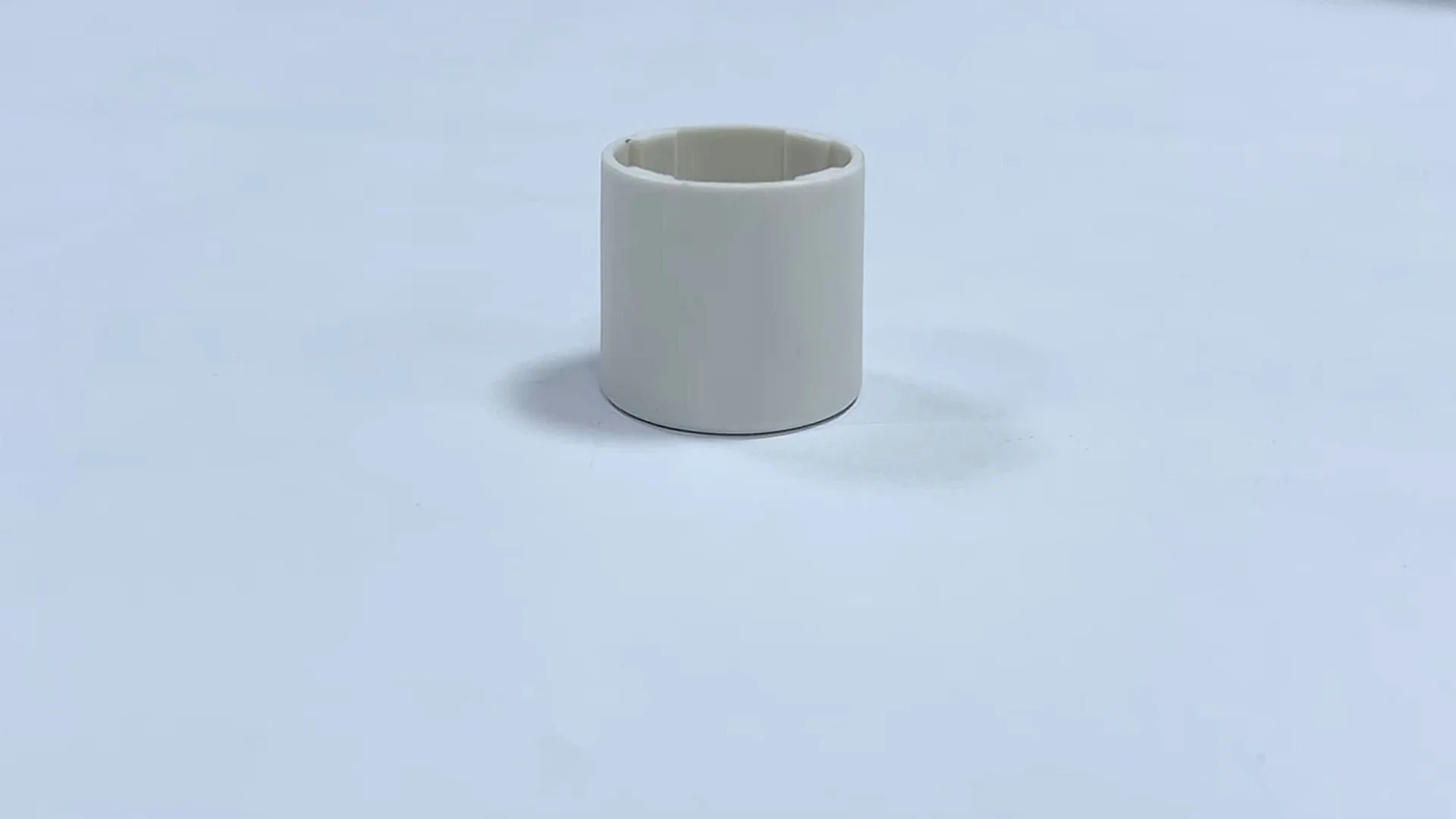
Plastic Pipe Sleeve
Plastic pipe sleeve to cover dia 28MM aluminum pipe end to contact with ground.
Walk into any modern food manufacturing facility, and you'll notice a symphony of organized chaos: conveyor belts gliding ingredients from one station to the next, workbenches where workers package fresh produce, and lean pipe structures weaving through the space to keep tools, materials, and workflows in check. In this high-stakes environment, where even the smallest contaminant can lead to product recalls, brand damage, or worse, public health risks, every component matters—including the unassuming plastic pipe sleeves that cover the lean pipes, line conveyor rails, and protect workbench edges.
At first glance, these sleeves might seem like afterthoughts. They're flexible, often brightly colored, and designed to shield metal pipes from scratches, reduce noise, or prevent materials from sticking. But in food-grade settings, their role is far more critical. Made from various plastics, they can either be silent guardians of safety or hidden sources of toxicity if the wrong materials are used. Today, we're diving deep into the world of plastic pipe sleeves—what they're made of, why their toxicity matters, and how manufacturers can ensure they're choosing the safest options for their lean systems, conveyors, and workbenches.
What Are Plastic Pipe Sleeves, and Why Do They Matter in Food Manufacturing?
Let's start with the basics. Plastic pipe sleeves are thin, cylindrical coverings that slide over metal pipes—most commonly the aluminum or steel pipes used in lean pipe systems, conveyor frames, and workbench supports. Think of them as the "skin" of these structures: they protect the underlying metal from corrosion, insulate against temperature changes, reduce friction when materials slide against them, and even dampen the clatter of moving parts in busy facilities.
In food manufacturing, where cleanliness and compliance are non-negotiable, their importance multiplies. Imagine a lean pipe workstation where workers assemble salad kits: the sleeves on the pipe frame might come into indirect contact with packaging materials, or a conveyor carrying baked goods might have sleeves lining its rails to keep the belt steady. If those sleeves leach harmful chemicals—like phthalates or heavy metals—into the environment, they could contaminate food products, putting consumers at risk and violating strict regulatory standards set by bodies like the FDA or EU's EFSA.
Worse, many manufacturers don't realize these risks until it's too late. A small bakery might opt for budget-friendly PVC sleeves on their lean pipe conveyor, not knowing that PVC can release toxic additives when exposed to heat from ovens nearby. A snack packaging plant might use low-quality polyethylene sleeves that crack over time, shedding microplastics into the product stream. These scenarios aren't just hypothetical—they're why understanding plastic pipe sleeve materials is a cornerstone of food safety.
Common Materials in Plastic Pipe Sleeves: Which Ones Pose Risks?
Not all plastics are created equal, and this is especially true when it comes to food contact. Let's break down the most common materials used in plastic pipe sleeves, their pros and cons, and where toxicity risks might lurk.
| Material Type | Common Uses | Potential Toxicity Risks | Food-Grade Compliance |
|---|---|---|---|
| Polyvinyl Chloride (PVC) | Budget-friendly sleeves, non-food industrial settings | Phthalates (plasticizers), lead stabilizers, and vinyl chloride monomer (a carcinogen) | Rarely compliant; FDA restricts PVC in direct food contact |
| Polyethylene (PE, including HDPE/LDPE) | Food-grade conveyors, lean pipe systems, workbench edges | Low risk; no known toxic additives when unmodified | Widely compliant (FDA 21 CFR 177.1520) |
| Polypropylene (PP) | High-temperature environments (e.g., near ovens) | Minimal risk; resistant to chemical leaching | Compliant (FDA 21 CFR 177.1520) |
| Silicone | Medical-grade or high-purity food applications | None; inert and heat-resistant | Compliant (FDA 21 CFR 177.2600) |
| Thermoplastic Elastomers (TPE) | Flexible sleeves, shock absorption | Varies; some grades contain phthalates or heavy metals | Compliant only if labeled "food-grade" |
PVC: The Tempting but Risky Choice
PVC is everywhere in industrial settings, and for good reason: it's cheap, durable, and easy to mold. But in food manufacturing, it's a red flag. To make PVC flexible (a must for pipe sleeves), manufacturers often add phthalates—chemicals that can leach out when the plastic is exposed to heat, oil, or acidic foods. Phthalates are known endocrine disruptors, linked to hormonal imbalances and developmental issues in humans. Even "phthalate-free" PVC may use alternative plasticizers that haven't been fully tested for food safety.
Adding to the concern: PVC production involves vinyl chloride monomer (VCM), a carcinogen that can remain in the final product in trace amounts. For these reasons, the FDA strictly limits PVC use in direct food contact, and most food safety auditors will flag it immediately in facility inspections.
PE and PP: The Workhorses of Food-Grade Safety
Polyethylene (PE) and polypropylene (PP) are the unsung heroes of food-grade plastic sleeves. Both are non-toxic, resistant to chemical leaching, and widely approved by regulatory bodies. HDPE (high-density polyethylene) is stiffer and more heat-resistant, making it ideal for conveyor rails and lean pipe systems that see heavy use. LDPE (low-density polyethylene) is more flexible, often used for sleeves that need to stretch or conform to irregular pipe shapes.
PP takes things a step further with higher heat resistance—up to 160°C (320°F)—which is crucial in environments like bakeries or pasta plants where ovens or steamers are nearby. Unlike PVC, neither PE nor PP requires plasticizers to maintain flexibility, so there's no risk of harmful additives seeping out. When sourced from reputable suppliers, these materials are the gold standard for safe, cost-effective pipe sleeves.

Toxicity in Action: Real-World Risks in Food Facilities
To understand why material choice matters, let's look at a hypothetical (but all-too-plausible) scenario. A mid-sized cereal manufacturer decides to upgrade its packaging line with a new lean pipe system to organize boxes and streamline workflows. To cut costs, they source budget plastic sleeves from an unknown supplier, assuming "plastic is plastic." Six months later, routine testing by a third-party auditor reveals trace amounts of DEHP—a common phthalate—in their cereal boxes. The source? The PVC sleeves on the lean pipe workbench where boxes are sealed, which had been releasing DEHP into the air and onto the packaging materials over time.
The fallout? A voluntary recall of 50,000 boxes, a hit to the brand's reputation, and thousands of dollars spent replacing all PVC sleeves with food-grade PE alternatives. This isn't an isolated incident. In 2019, a major snack company faced similar issues when conveyor belt sleeves made from non-compliant TPE were found to shed microplastics into chip bags during production. The lesson? Cutting corners on pipe sleeves can cost far more than investing in safe materials upfront.

How to Ensure Your Plastic Pipe Sleeves Are Food-Grade Safe
Now that we've covered the risks, let's focus on solutions. Ensuring your plastic pipe sleeves are safe for food-grade environments doesn't have to be complicated—it just requires diligence and a few key steps.
1. Demand Certifications (and Verify Them)
Any supplier claiming their sleeves are "food-grade" should back it up with certifications. Look for FDA compliance statements (specifically 21 CFR 177.1520 for PE/PP or 177.2600 for silicone), EU 10/2011 approval for European markets, or NSF/ANSI 51 certification. Don't just take their word for it—ask for a copy of the certification and cross-check it with the issuing body's database. Some disreputable suppliers fake certifications, so verification is key.
2. Inspect the Material Composition
Ask suppliers for a material safety data sheet (MSDS) or a certificate of analysis (COA) that details the sleeve's composition. Avoid any product that lists phthalates, heavy metals (like lead or cadmium), or "fragrances" (which can mask toxic additives). If the supplier hesitates to provide this information, walk away—transparency is non-negotiable.
3. Test for Leaching in Your Specific Environment
Even compliant materials can behave differently in real-world conditions. For example, a PE sleeve that's safe at room temperature might start to degrade if exposed to the high humidity of a meat processing plant. Work with a food safety lab to conduct migration testing: simulate your facility's conditions (temperature, humidity, contact with food simulants like water or oil) and check for chemical leaching. This extra step can save you from costly surprises down the line.
4. Train Your Team to Spot Red Flags
Your frontline workers—those maintaining conveyors, cleaning workbenches, or inspecting lean pipe systems—are your first line of defense. Train them to notice signs of sleeve degradation: cracks, discoloration, a sticky or oily residue, or an unusual smell. These can all indicate that the material is breaking down and potentially releasing toxins. Encourage them to report these issues immediately, and have a protocol in place to replace suspect sleeves quickly.

Choosing the Right Supplier: More Than Just a Price Tag
When it comes to plastic pipe sleeves, the supplier you choose is almost as important as the material itself. A reputable lean pipe supplier or conveyor supplier will prioritize food-grade compliance and be transparent about their manufacturing processes. Here's what to look for:
- Specialization in Food-Grade Solutions: Suppliers who focus on food manufacturing will understand your unique needs better than general industrial suppliers. Ask if they work with other food companies and request references.
- In-House Testing: The best suppliers have their own labs or partner with accredited facilities to test materials for food safety. This ensures consistency across batches.
- Customization Options: Every facility is different. A good supplier will offer sleeves in various sizes, thicknesses, and materials to fit your specific lean pipe, conveyor, or workbench setup.
- Responsive Customer Support: If you have a question about a certification or notice an issue with a shipment, you need a supplier who responds quickly. Poor communication is often a red flag for poor quality control.
Future Trends: Safer, More Sustainable Sleeves
The push for safer, more sustainable materials is reshaping the plastic pipe sleeve market. Biodegradable options made from plant-based plastics (like PLA or PHA) are gaining traction, though they're still pricier and less durable than PE/PP. Recycled food-grade plastics are also on the rise—suppliers are now able to recycle post-consumer PE/PP into sleeves that meet FDA standards, reducing both environmental impact and costs.
Another trend is smart sleeves embedded with sensors that monitor degradation in real time, alerting maintenance teams when a sleeve needs replacement before it becomes a safety risk. While these are still in early stages, they highlight the industry's focus on proactive safety.
Final Thoughts: Safety Starts with the Smallest Components
In the fast-paced world of food manufacturing, it's easy to focus on big-ticket items like industrial ovens or automated packaging machines. But as we've explored, even the smallest components—like plastic pipe sleeves—play a vital role in keeping food safe. By choosing the right materials, vetting suppliers thoroughly, and staying vigilant about testing and maintenance, you can turn these humble sleeves into allies in your commitment to quality and safety.
Remember, food safety isn't just about compliance—it's about trust. When consumers pick up your product, they're trusting you to protect their health. Every choice you make, from the conveyor belts to the lean pipe sleeves, reinforces that trust. So the next time you're sourcing components for your facility, take a closer look at those plastic sleeves. They might be small, but their impact is enormous.