- Company Articles
- Products and Technology
- Product knowledge
- Plastic Pipe Sleeve Sizing Chart: Matching Diameters with Standard Lean Pipe Sizes

Plastic Pipe Sleeve Sizing Chart: Matching Diameters with Standard Lean Pipe Sizes
Related Product
Plastic Pipe Sleeve
Plastic pipe sleeve to cover dia 28MM aluminum pipe end to contact with ground.
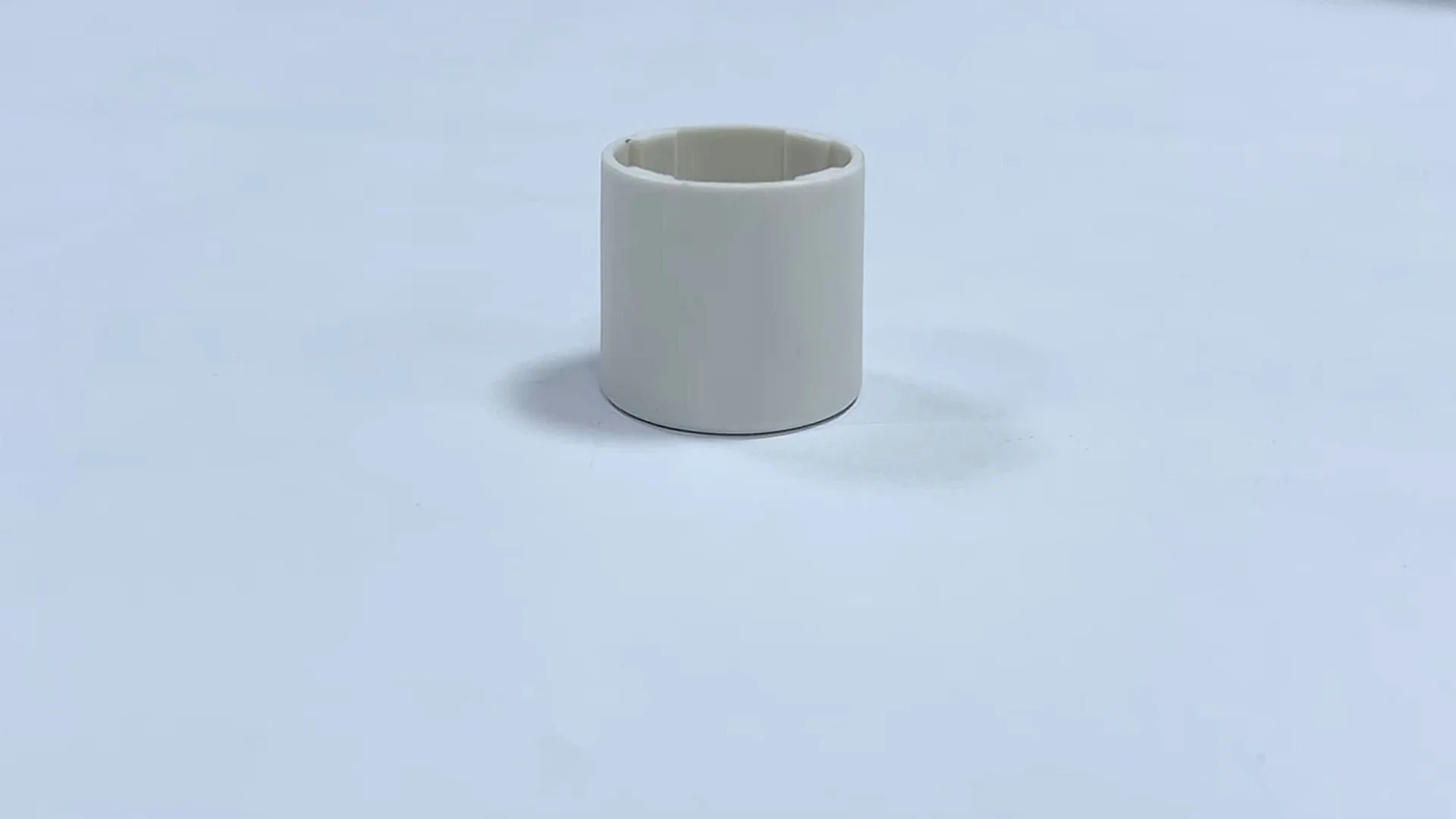
In the world of lean manufacturing, every component has a role to play—even the smallest ones. If lean pipe is the backbone of your workspace, holding up workbenches, material racks, and conveyor systems, then plastic pipe sleeves are the unsung heroes keeping that backbone strong. These unassuming sleeves might seem like an afterthought, but they're critical for protecting your lean pipe, ensuring tight fits with lean pipe joints, and preventing wear and tear that could throw your entire operation off track. Whether you're setting up a new production line with PE coated lean pipe or upgrading an existing aluminum pipe system, getting the right sleeve size isn't just about "making it fit"—it's about building a setup that lasts, adapts, and keeps your workflow efficient. In this guide, we'll break down everything you need to know about sizing plastic pipe sleeves, from understanding lean pipe diameters to using our handy chart to find the perfect match for your setup.
Understanding Lean Pipe Diameters: The Foundation of Sizing
Before diving into sleeves, let's start with the basics: lean pipe itself. Lean pipe comes in a range of sizes, and the first step to finding the right sleeve is knowing your pipe's outer diameter (OD). This measurement is the distance across the pipe's widest point, and it's the single most important number when shopping for sleeves. Why? Because sleeves are designed to wrap around the pipe's exterior, so even a 1mm difference in OD can mean the difference between a snug, secure fit and a sleeve that slips, cracks, or fails to protect the pipe.
Let's start with the most common types of lean pipe you'll encounter:
PE Coated Lean Pipe
is a workhorse in many facilities. It's made of a metal core (usually steel) wrapped in a durable polyethylene (PE) coating, which adds both protection and a bit of grip. Standard PE coated lean pipe sizes include 1.0mm, 1.2mm, 1.5mm, and 2.0mm—but remember, these numbers refer to the thickness of the metal core, not the total OD. The PE coating adds roughly 0.5mm to 1mm to the overall diameter, so a 1.2mm core might have an OD of around 28mm, while a 2.0mm core could be 30mm or more. Always check the manufacturer's specs for the exact OD, as coating thickness can vary slightly between suppliers.
Aluminum Pipe
(or aluminum lean pipe) is another popular choice, prized for its lightweight strength and resistance to corrosion. Unlike PE coated pipe, aluminum pipe doesn't have a coating, so its OD is usually the same as its nominal size. Common aluminum pipe sizes include 28mm, 30mm, and 40mm OD, though smaller diameters like 20mm are used for lighter-duty setups like small turnover trolleys or workbench shelves.
Stainless Steel Pipe Series
is less common but essential in environments where hygiene or corrosion resistance is key (think food processing or medical device manufacturing). Stainless steel pipe often has a thinner wall than PE coated or aluminum pipe, so its OD might be similar to aluminum but with a different weight capacity. For example, a 28mm stainless steel pipe could have a 1.0mm or 1.2mm wall, making it lighter than a PE coated pipe of the same OD but better suited for cleanrooms.
The key takeaway? Always measure your pipe's OD directly—don't rely on the "core thickness" or "nominal size" alone. Grab a caliper or a flexible measuring tape, wrap it around the pipe's widest point, and note the exact measurement. If you're working with used pipe, check for dents or bulges that might affect the OD—these imperfections can cause sleeves to fit unevenly, leading to weak spots in your structure.
What Are Plastic Pipe Sleeves, and Why Do They Matter?
Now that we're clear on pipe diameters, let's talk about the star of the show: plastic pipe sleeves. These small, tube-like components are typically made from high-density polyethylene (HDPE) or polypropylene, both of which are tough, flexible, and resistant to chemicals, oils, and impact—perfect for the rough-and-tumble of a production floor.
So, what do they actually do? Here are their top three roles:
Protection:
Lean pipe, even PE coated or aluminum, can get scuffed, scratched, or dented when bumped by trolleys, tools, or heavy materials. Sleeves act as a buffer, absorbing impacts and keeping the pipe's surface intact. This is especially important for PE coated pipe, where a nick in the coating can expose the metal core to rust over time.
Fit Enhancement:
Lean pipe joints are designed to clamp onto the pipe's OD, creating a sturdy connection. But if the pipe's surface is smooth (like aluminum) or worn (like older PE coated pipe), the joint might slip, weakening the entire structure. Sleeves add texture and friction, helping joints grip tighter. They also fill in small gaps caused by minor pipe irregularities, ensuring the joint makes full contact with the pipe.
Insulation:
In environments with temperature extremes or electrical equipment (like ESD workstations), sleeves can provide a layer of thermal or electrical insulation. For example, a yellow plastic roller track guide rail (yes, some sleeves double as guide rails!) might insulate sensitive components from static, while a grey sleeve could help keep pipes from conducting heat in a warm facility.
Sleeves also come in handy when mixing pipe types. If you're connecting a PE coated pipe to an aluminum pipe with a lean pipe joint, a sleeve on the aluminum pipe can help compensate for the PE coating's thickness, ensuring both pipes fit the joint evenly. Without the sleeve, the aluminum pipe (which has no coating) might be slightly smaller in OD, leading to an unbalanced connection that wobbles or fails under load.

The Essential Plastic Pipe Sleeve Sizing Chart
Now, the moment you've been waiting for: our plastic pipe sleeve sizing chart. This table lists common lean pipe types, their typical outer diameters, and the recommended sleeve inner diameters (ID) to ensure a snug, secure fit. We've also included compatible lean pipe joints and color options (like the popular yellow and grey plastic roller track guide rails) to help you coordinate with your existing setup.
Note: Sizes may vary slightly by manufacturer. Always test a single sleeve with your pipe before ordering in bulk!
| Lean Pipe Type | Pipe Outer Diameter (OD) [mm] | Recommended Sleeve Inner Diameter (ID) [mm] | Sleeve Length [mm] | Compatible Lean Pipe Joints | Common Sleeve Colors |
|---|---|---|---|---|---|
| 1.0mm PE Coated Lean Pipe | 28mm | 28.5mm – 29mm | 30mm – 50mm | 90° Fixed Joint, 45° Fixed Joint, Parallel Joint | Yellow, Grey |
| 1.2mm PE Coated Lean Pipe | 28mm – 29mm | 29mm – 29.5mm | 30mm – 50mm | Three-Way Joint, 180° Swivel Joint | Yellow, Grey, Black |
| 1.5mm PE Coated Lean Pipe | 30mm | 30.5mm – 31mm | 40mm – 60mm | Five-Way Straight Joint, Vertical Joint | Yellow, Grey |
| 2.0mm PE Coated Lean Pipe | 32mm | 32.5mm – 33mm | 50mm – 70mm | Heavy-Duty 90° Crossing Joint, Parallel Double-End Fixed Joint | Grey, Black |
| Aluminum Pipe (28mm OD) | 28mm | 28.2mm – 28.5mm | 30mm – 50mm | Aluminum Internal Rotary Joint, 45° Aluminum Pipe Joint | Silver (clear), Grey |
| Aluminum Pipe (30mm OD) | 30mm | 30.2mm – 30.5mm | 40mm – 60mm | 90° Aluminum Crossing Joint, Parallel Aluminum Joint A | Silver (clear), Yellow |
| 1.0mm Stainless Steel Pipe | 25mm | 25.2mm – 25.5mm | 30mm – 40mm | Light-Duty Two-Way Joint, 30° Fixed Joint | Clear, Black |
| 1.2mm Stainless Steel Pipe | 28mm | 28.2mm – 28.5mm | 30mm – 50mm | Stainless Steel Swivel Joint, One-Way Rotary Straight Joint | Clear, Grey |
Let's break down what each column means:
Lean Pipe Type:
The category of pipe, including its core material and thickness (for PE coated and stainless steel) or OD (for aluminum).
Pipe Outer Diameter (OD):
The measured OD of the pipe, including any coating (for PE coated pipe).
Recommended Sleeve Inner Diameter (ID):
The ideal ID for the sleeve. It should be 0.2mm – 1mm larger than the pipe's OD to allow for easy installation while still providing a tight fit.
Sleeve Length:
The standard length of the sleeve. Shorter sleeves (30mm – 40mm) are used for joints, while longer ones (50mm – 70mm) offer more protection for exposed pipe sections.
Compatible Lean Pipe Joints:
Common joints that work well with this pipe-and-sleeve combo. For example, heavy-duty joints pair best with thicker pipes and sleeves.
Common Sleeve Colors:
Popular color options, including industry standards like yellow (high visibility) and grey (neutral, blends with most setups).
Pro tip: If you're unsure about the ID, opt for the smaller end of the range. A sleeve that's slightly tight can often be stretched gently during installation (especially with PE sleeves), but a sleeve that's too loose will never fit securely.

How to Measure Your Lean Pipe for the Perfect Sleeve Fit
We mentioned this earlier, but it's worth repeating: measuring your pipe's OD correctly is the single most important step in sleeve sizing. Even if you think you know your pipe type, taking a few minutes to measure can save you from ordering sleeves that don't fit. Here's a step-by-step guide:
Step 1: Gather Your Tools
You'll need a digital caliper (preferred) or a flexible measuring tape. A caliper gives the most precise measurement (down to 0.01mm), which is critical for tight-tolerance setups like aluminum pipe systems. If you don't have a caliper, a soft tape measure (like the kind used for sewing) works—just wrap it around the pipe and mark where the end meets, then measure the length of that mark with a ruler to get the circumference. Divide the circumference by π (3.1416) to get the OD. For example, a circumference of 88mm ÷ 3.1416 ≈ 28mm OD.
Step 2: Measure in Multiple Spots
Pipes aren't always perfectly round, especially if they've been used or stored improperly. Measure the OD at three different points (top, bottom, and side) and take the average. If one measurement is 28mm, another is 28.2mm, and the third is 27.9mm, your average is ~28.03mm—so you'd look for a sleeve with an ID of 28.2mm – 28.5mm.
Step 3: Account for Coating Thickness (PE Coated Pipe Only)
If you're working with PE coated lean pipe, the coating adds to the OD. A 1.2mm steel core with a 0.5mm PE coating will have an OD of ~28mm (core OD) + 1mm (coating, since it's on both sides) = 29mm. But coating thickness can vary by manufacturer—some might use 0.4mm coating, others 0.6mm—so never assume! Always measure the total OD, coating included.
Step 4: Check for Irregularities
Dents, scratches, or bulges in the pipe can affect how the sleeve fits. For example, a small dent might make the OD 27.5mm in one spot and 28mm in another. In this case, size the sleeve for the larger OD (28mm) to avoid the sleeve getting stuck on the dent during installation. If the irregularity is severe, consider replacing the pipe—an uneven sleeve fit can weaken the joint and lead to instability.
Pro Tip:
If you're ordering sleeves online and can't measure the pipe yourself, ask your lean pipe supplier for the exact OD specs. Reputable suppliers will have detailed product sheets with OD, wall thickness, and coating info—this is often more reliable than generic "size charts" found online.

Common Sizing Mistakes to Avoid
Even with careful measuring, it's easy to make mistakes when sizing sleeves. Here are the most common pitfalls and how to steer clear of them:
Mistake #1: Using Inner Diameter (ID) Instead of Outer Diameter (OD)
This is the cardinal sin of sleeve sizing. Some people measure the pipe's inner diameter (the hole through the middle) and assume the sleeve should match that—but sleeves go on the
outside
of the pipe, so ID is irrelevant here. Always use OD!
Mistake #2: Ignoring Coating Thickness
As we mentioned, PE coated lean pipe has a thicker OD than its metal core alone. For example, a 1.5mm PE coated pipe might have a steel core OD of 28mm, but with the coating, the total OD is 30mm. Ordering a sleeve for a 28mm OD pipe will result in a sleeve that's way too tight (or impossible to install). Always measure the
total
OD, coating included.
Mistake #3: Choosing the Wrong Sleeve Length
Sleeves that are too short might not cover the entire joint area, leaving the pipe exposed to wear. Sleeves that are too long can bunch up or prevent the joint from clamping properly. As a rule of thumb, the sleeve should extend 5mm – 10mm beyond the joint on both sides to ensure full coverage.
Mistake #4: Assuming All Sleeves of the Same "Size" Are Identical
Sleeve sizing isn't standardized across manufacturers. One brand's "28mm ID" sleeve might actually measure 27.8mm, while another's is 28.3mm. This is why testing a sample before bulk ordering is so important—especially if you're switching suppliers.
Mistake #5: Forgetting About Temperature and Environment
Plastic sleeves can expand or contract slightly with temperature changes. In hot environments (like near ovens or in summer), sleeves might expand, so you might want a slightly tighter fit (0.2mm – 0.5mm larger than OD). In cold environments, sleeves can shrink, so a looser fit (0.5mm – 1mm larger than OD) might be better. If your facility has extreme temperature swings, opt for sleeves made from heat-resistant materials (like HDPE) that hold their shape better.
Matching Sleeves to Pipe Types: PE Coated vs. Aluminum vs. Stainless Steel
Not all pipes are created equal, and neither are sleeves. Let's take a closer look at how to match sleeves to the three most common pipe types:
PE Coated Lean Pipe: Flexibility Meets Protection
PE coated pipe is known for its durability and grip, but the PE coating is softer than metal, so sleeves here need to protect both the coating and the pipe. Look for sleeves with a slightly thicker wall (1mm – 1.5mm) to absorb impacts, and opt for IDs on the higher end of the range (0.5mm – 1mm larger than OD) to avoid damaging the coating during installation. Yellow sleeves are popular for PE coated pipe setups because they're highly visible, making it easy to spot misaligned joints or damaged sleeves during inspections.
Aluminum Pipe: Precision is Key
Aluminum pipe is rigid and lightweight, with a smooth, hard surface. Sleeves for aluminum pipe need a precise fit—too loose, and they'll slip; too tight, and they might crack the pipe (aluminum is strong but can be brittle under pressure). Aim for an ID that's 0.2mm – 0.5mm larger than the pipe's OD, and choose sleeves made from a slightly flexible plastic (like polypropylene) to allow for easy installation without cracking. Clear or silver sleeves are common here, as they let the aluminum's natural finish show through, giving workbenches and racks a clean, modern look.
Stainless Steel Pipe Series: Corrosion Resistance Matters
Stainless steel pipe is often used in wet or corrosive environments, so sleeves here need to resist moisture and chemicals. Look for sleeves labeled "chemical resistant" or "waterproof," and avoid sleeves with porous materials that could trap moisture against the pipe (which defeats the purpose of stainless steel's corrosion resistance). Black sleeves are a popular choice for stainless steel setups, as they hide minor scratches and blend in with cleanroom aesthetics.
Installing Plastic Pipe Sleeves: Tips for a Secure, Long-Lasting Fit
You've measured your pipe, chosen the perfect sleeve, and they've arrived—now it's time to install them. Here's how to get a snug, professional fit:
Step 1: Clean the Pipe
Wipe the pipe with a dry cloth to remove dirt, oil, or debris. Grease or dust can prevent the sleeve from gripping properly, so a quick clean is worth the time.
Step 2: Warm the Sleeve (If Needed)
If the sleeve is slightly tight, warm it gently with a hair dryer (on low heat) for 10 – 15 seconds. The plastic will soften slightly, making it easier to slide onto the pipe. Be careful not to overheat—melted plastic is impossible to fix!
Step 3: Slide the Sleeve into Place
Align the sleeve with the area where the joint will go, then push or twist it onto the pipe. For tight fits, use a rubber mallet to tap the sleeve gently into place—never use a metal hammer, as it can crack the sleeve or damage the pipe.
Step 4: Check the Fit
After installation, the sleeve should stay in place when you wiggle it gently. If it slides easily, it's too loose—remove it and try a smaller ID. If it's so tight that the pipe is bending or the sleeve is cracking, it's too small—opt for a larger ID.
Step 5: Install the Joint
Once the sleeve is in place, attach the lean pipe joint over the sleeve. Tighten the joint's bolts gradually (alternating sides if there are multiple bolts) to ensure even pressure. Over-tightening can crush the sleeve, so stop when the joint is secure but not (deformed).
Troubleshooting Sleeve and Pipe Mismatches
Even with careful planning, you might run into issues. Here's how to fix common problems:
Problem: Sleeve is too loose and slips on the pipe.
Solution:
Wrap a thin layer of electrical tape around the pipe (under the sleeve) to add thickness. For a more permanent fix, use a small drop of industrial adhesive (like super glue) on the pipe before sliding the sleeve on—just be sure the adhesive is compatible with both the pipe and sleeve materials.
Problem: Sleeve is too tight and won't slide onto the pipe.
Solution:
Warm the sleeve as mentioned earlier, or use a little dish soap as a lubricant (wipe off excess after installation). If the sleeve is still stuck, cut it lengthwise with a utility knife and overlap the edges slightly—this works for sleeves used in non-critical areas, but avoid this for load-bearing joints.
Problem: Sleeve cracks during installation or use.
Solution:
Cracking usually means the sleeve is too small or made from brittle plastic. replace it with a larger ID sleeve or switch to a more flexible material (like HDPE). If cracking happens repeatedly, check if the pipe has sharp edges (from cutting or welding) that are damaging the sleeve—smooth the edges with sandpaper first.
Problem: Sleeve discolors or becomes brittle over time.
Solution:
This is often due to UV exposure or chemical contact. replace the sleeve with a UV-resistant or chemical-resistant option, and move the pipe away from direct sunlight or chemical sources if possible.
Final Thoughts: Sleeves as Part of Your Lean System
Plastic pipe sleeves might not be the most glamorous part of your lean system, but they're a critical one. By taking the time to measure your pipe's OD, choose the right sleeve ID and length, and install them properly, you'll extend the life of your lean pipe, reduce downtime from joint failures, and keep your workflow running smoothly.
Remember, the goal of lean manufacturing is to eliminate waste—and nothing wastes time, money, or frustration like sleeves that don't fit. Use our sizing chart as a starting point, test samples, and don't hesitate to reach out to your lean pipe supplier for help if you're unsure. With the right sleeves, your lean system will be stronger, more durable, and ready to adapt to whatever your production floor throws at it.