- Company Articles
- Products and Technology
- Product knowledge
- Plastic Pipe Sleeve Surface Finish: Smooth vs. Textured for Grip and Component Protection

Plastic Pipe Sleeve Surface Finish: Smooth vs. Textured for Grip and Component Protection
Related Product
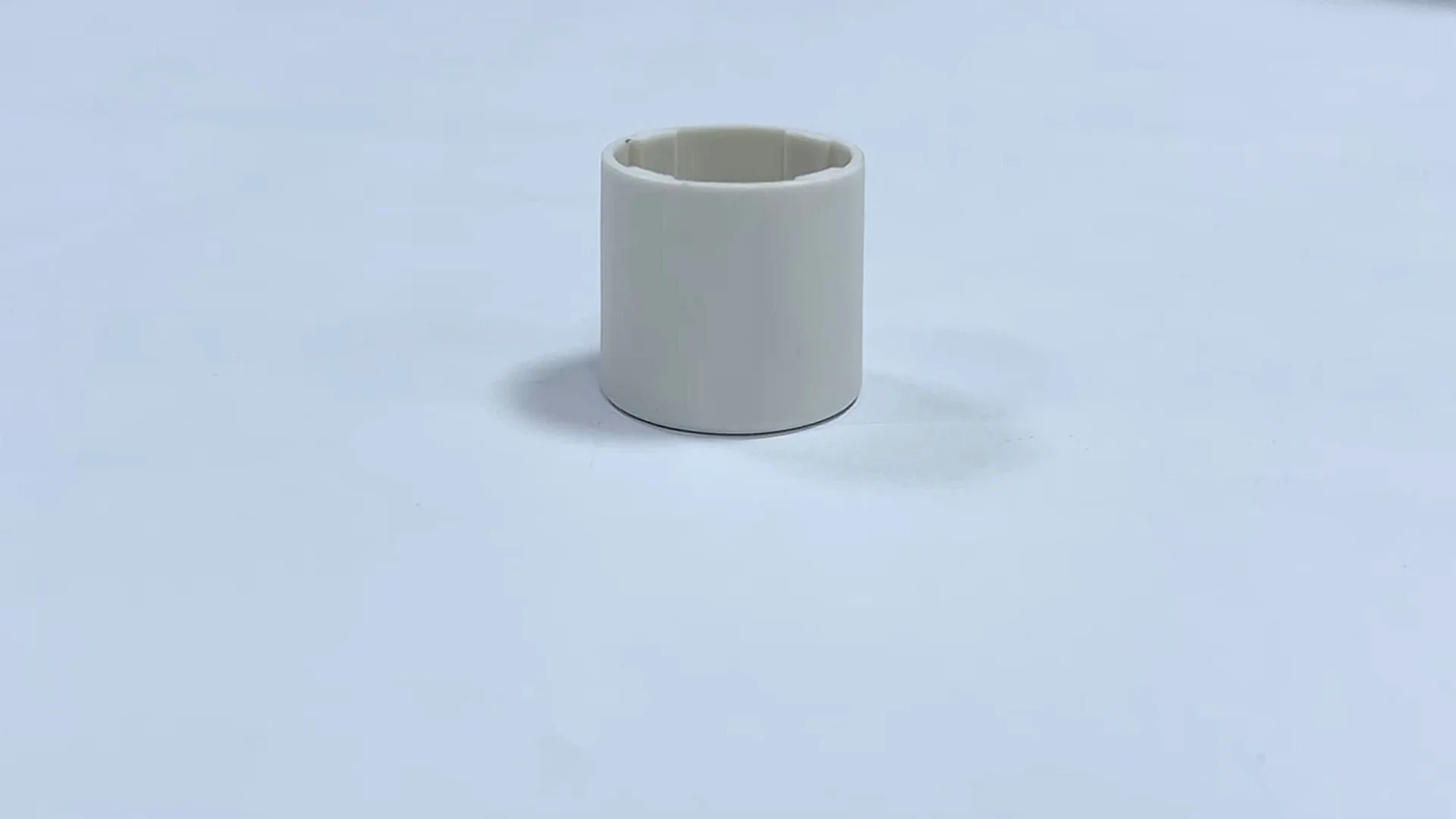
Plastic Pipe Sleeve
Plastic pipe sleeve to cover dia 28MM aluminum pipe end to contact with ground.
Maria, a production line supervisor at a mid-sized electronics assembly plant, still remembers the day her team's efficiency took a nosedive. It was a typical Tuesday morning, and the conveyor belt feeding components to the workbench stations kept jamming. Pipes carrying small circuit boards would slip off the tracks, causing delays and, worse, occasional scrapes on the delicate components. After hours of troubleshooting, her maintenance team pinpointed the culprit: the smooth plastic sleeves covering the metal pipes. "They looked clean and sleek," Maria recalls, "but those sleeves were so slippery, even the slightest vibration sent everything sliding." That's when they switched to textured sleeves—and suddenly, the line ran like clockwork. "It was like night and day," she says. "The grip made all the difference."
Maria's story isn't unique. In manufacturing, logistics, and industrial settings, plastic pipe sleeves are workhorses, but their surface finish—smooth or textured—can make or break operational efficiency, worker safety, and component longevity. Whether you're building a lean pipe system for a factory floor, setting up a material handling station, or designing a conveyor track with plastic roller track guide rail yellow or grey, choosing the right surface finish isn't just about aesthetics. It's about balancing grip, friction, durability, and functionality. Let's dive into the nuances of smooth and textured plastic pipe sleeves, exploring how each performs in real-world scenarios and which one might be right for your needs.
Smooth Plastic Pipe Sleeves: Sleek, Low-Friction, and Built for Speed
Smooth plastic pipe sleeves are the "sleek operators" of the industrial world. With their glossy, uniform surface, they're designed to minimize friction and maximize flow—traits that make them indispensable in environments where materials need to move quickly and seamlessly. Think of them as the ice rinks of the pipe sleeve family: smooth, slippery, and optimized for motion.
One of the most common applications for smooth sleeves is in automated conveyor systems, where precision and speed are critical. Take, for example, a packaging facility using plastic roller track guide rail yellow to transport boxes. The yellow guide rails are already engineered for visibility and low resistance, but pairing them with smooth sleeves amplifies that efficiency. As boxes glide along the rollers, the smooth sleeves reduce drag, allowing the conveyor motor to work less hard and lowering energy costs over time. "In high-speed lines, even a tiny amount of extra friction adds up," explains Raj, an industrial engineer with 15 years of experience in conveyor design. "Smooth sleeves keep the momentum going. We've seen throughput increase by 10-15% just by switching from textured to smooth in the right spots."
Another advantage of smooth sleeves is their ease of cleaning. In food processing or pharmaceutical settings, where hygiene is non-negotiable, smooth surfaces leave no crevices for dirt, grease, or bacteria to hide. A quick wipe with a disinfectant cloth or a spray from a pressure washer is usually enough to keep them sanitized—a stark contrast to textured sleeves, which can trap debris in their grooves. "We once had a client in the bakery industry that insisted on textured sleeves for grip," Raj recalls, "but they quickly switched back. Flour and sugar would get stuck in the texture, and cleaning became a nightmare. Smooth sleeves solved that problem overnight."
Smooth sleeves also shine in applications where aesthetics matter. In retail backrooms or customer-facing logistics centers, their clean, uniform look can enhance the overall appearance of a workspace. They're also less likely to show scratches or scuffs, maintaining a professional finish even after years of use. For companies prioritizing a polished, modern vibe—think tech startups with open-concept warehouses—smooth sleeves are often the go-to choice.
But smooth sleeves aren't without drawbacks. As Maria's team discovered, their low friction can be a liability in manual handling scenarios. Workers moving pipes by hand may struggle to get a secure grip, increasing the risk of drops, strains, or accidents. In lean pipe systems where employees frequently adjust or reposition pipes—say, reconfiguring a workstation for a new product run—smooth sleeves can turn a simple task into a frustrating, time-consuming chore. "We had a team member slip and strain his wrist trying to hold onto a smooth-sleeved pipe," Maria says. "That's when we realized: sometimes, speed isn't worth sacrificing safety."
Another limitation is their performance in wet or oily environments. While smooth sleeves are easy to clean, they offer little resistance when wet, making them prone to slippage. In automotive factories, where oil and lubricants are part of daily operations, or in outdoor logistics yards exposed to rain, smooth sleeves can become hazardous. Even a small spill can turn a smooth surface into a slip-and-slide, endangering workers and damaging goods.
Textured Plastic Pipe Sleeves: Grip, Durability, and the Human Touch
If smooth sleeves are the ice rinks, textured sleeves are the rubber mats—designed to stick, not slide. Their surface is intentionally roughened, with patterns ranging from fine ridges to deep grooves, all engineered to increase friction and enhance grip. This tactile quality makes them a favorite in settings where human interaction with pipes is frequent, or where stability is non-negotiable.
Take lean pipe workbenches, for instance. In lean manufacturing systems, workbenches are hubs of activity: workers assemble parts, sort components, and move materials by hand. Here, textured sleeves transform ordinary pipes into ergonomic tools. The raised patterns on the sleeves provide a secure grip, reducing hand fatigue and preventing slippage even when hands are sweaty or gloved. "Our assembly line workers used to complain about pipes rolling off their benches," says Tom, a lean manufacturing consultant who helped Maria's plant implement their new system. "We swapped out the smooth sleeves for textured ones, and the complaints stopped. It's a small change, but it made the workbench feel more 'user-friendly.'"
Textured sleeves also excel in heavy-duty applications. The rough surface acts as a buffer, absorbing impacts and reducing wear on both the sleeve and the components it protects. In warehouses where pipes are moved via forklifts or pallet jacks, textured sleeves can withstand bumps and scrapes that would crack or tear a smooth sleeve. This durability translates to longer lifespans, reducing replacement costs over time. "We've had textured sleeves on our material racks for three years now," Maria notes. "They've taken a beating, but they still look and perform like new. Smooth sleeves we used before would start chipping after six months."
Another key benefit is their performance in challenging environments. Unlike smooth sleeves, textured surfaces maintain grip even when wet or oily. In food processing plants where water or cleaning solutions are constantly used, or in automotive shops with grease spills, textured sleeves provide a reliable non-slip surface. This is especially critical for worker safety: a slip on a wet smooth sleeve could lead to a fall, but a textured sleeve offers traction when it matters most.
Textured sleeves also play a role in accessibility. For workers with limited dexterity or grip strength, the tactile surface makes pipes easier to handle, promoting inclusivity in the workplace. "We have an employee with arthritis in his hands," Tom says. "He struggled with smooth sleeves, but the textured ones let him get a firm hold without straining. It's about more than efficiency—it's about making the job doable for everyone."
Of course, textured sleeves aren't perfect. Their rough surface can be a double-edged sword: while it enhances grip, it also increases friction, which can slow down automated systems. In conveyor lines using plastic roller track guide rail grey (a popular choice for low-visibility, high-durability setups), textured sleeves might create too much resistance, causing motors to work harder and increasing energy consumption. Over time, this extra friction can also wear down the roller tracks themselves, leading to costly repairs.
Cleaning is another hurdle. The grooves and ridges that provide grip also trap dirt, dust, and debris. In environments where cleanliness is critical—like pharmaceutical manufacturing or semiconductor production—textured sleeves require more frequent and thorough cleaning to prevent contamination. "We had to add an extra step to our daily maintenance checklist: scrubbing the textured sleeves with a brush," Maria says. "It's a small price to pay for safety, but it does add time."
Aesthetics can also be a concern. Textured sleeves lack the sleek, uniform look of their smooth counterparts, which some companies find unappealing. In customer-facing areas, the rough surface might even give off a "cheap" or "industrial" vibe, clashing with brand image. For businesses prioritizing a polished appearance, this can be a dealbreaker.

Smooth vs. Textured: A Side-by-Side Comparison
Choosing between smooth and textured plastic pipe sleeves isn't about picking a "better" option—it's about matching the sleeve to your specific needs. To help you decide, let's break down how they stack up across key features:
| Feature | Smooth Plastic Pipe Sleeves | Textured Plastic Pipe Sleeves |
|---|---|---|
| Grip | Low grip; slippery when dry, extremely slippery when wet/oily. Poor for manual handling. | High grip; tactile surface provides traction even with gloves or wet hands. Ideal for human interaction. |
| Friction | Low friction; excellent for automated systems (e.g., conveyors with plastic roller track guide rail yellow ). | High friction; can slow automated systems but prevents slippage in manual or unstable environments. |
| Cleaning Ease | Easy to clean; smooth surface resists debris buildup. Wipes clean with a cloth or spray. | Harder to clean; grooves trap dirt and require scrubbing with brushes or specialized tools. |
| Durability | Moderate durability; prone to scuffs and scratches over time, especially with heavy use. | High durability; rough surface resists impacts and wear, lasting longer in harsh environments. |
| Best For | Automated systems, clean rooms, customer-facing areas, and applications prioritizing speed/flow. | Manual handling, lean pipe workbenches, wet/oily environments, and settings where safety/grip is critical. |

Real-World Applications: When to Choose Which Sleeve
To put this into context, let's explore how different industries and setups might lean (pun intended) toward one sleeve type over the other.
Automotive Manufacturing: Textured Sleeves for Safety, Smooth for Conveyors
In automotive plants, where heavy parts like engine blocks and transmissions are moved by both machines and workers, a hybrid approach often works best. For lean pipe workstations where technicians assemble components by hand, textured sleeves are a must. "Workers are constantly lifting and repositioning pipes holding tools or parts," explains Lisa, a plant manager at a mid-sized auto parts manufacturer. "Without textured sleeves, we'd have more dropped tools and strained backs." On the flip side, the automated conveyor lines transporting parts between stations use smooth sleeves paired with plastic roller track guide rail grey (chosen for its oil resistance). "The smooth sleeves let parts glide quickly, keeping the line moving," Lisa adds. "We just make sure there's a clear divide: textured where hands are involved, smooth where machines take over."
Pharmaceutical Labs: Smooth Sleeves for Sterility
In pharmaceutical manufacturing, sterility is everything. Labs producing vaccines or medications can't risk contamination, so smooth sleeves are the default. "Textured sleeves trap bacteria and dust, even after cleaning," says Dr. Alan, a quality control specialist. "We use smooth sleeves on all our lean pipe racks and conveyor systems—they're easy to sanitize with UV light or chemical wipes, and they don't harbor pathogens." The tradeoff? Minimal manual handling. Most materials are moved via automated robots, so grip isn't a concern. "If a worker does need to adjust a pipe, they wear specialized gloves with extra grip," Dr. Alan notes. "It's a small workaround for maintaining sterility."
E-Commerce Warehouses: Textured Sleeves for Ergonomics
E-commerce warehouses are fast-paced, with workers constantly moving between stations, picking orders, and loading/unloading packages. Here, textured sleeves are a safety staple, especially on lean pipe workbenches and manual material carts. "Our pickers are on their feet all day, handling hundreds of packages," says Jake, a warehouse operations manager. "Textured sleeves on the pipes of their workstations mean they can grab tools or bins without fumbling. It reduces fatigue and keeps the pace up." Smooth sleeves do have a place, though—on the high-speed conveyor belts that sort packages for shipping. "We use plastic roller track guide rail yellow there for visibility, and smooth sleeves to keep packages moving quickly," Jake adds. "It's all about balancing speed and safety."
Food Processing: Smooth Sleeves for Cleanliness, Textured for Freezers
Food processing facilities face a unique challenge: balancing cleanliness with the need to handle cold, wet materials. In dry areas like packaging lines, smooth sleeves are preferred for easy cleaning. But in freezer sections, where pipes are often covered in frost or condensation, textured sleeves are safer. "Frozen pipes with smooth sleeves are like ice cubes—impossible to grip," says Mark, a plant manager at a frozen food company. "We switched to textured sleeves in the freezer, and slips dropped by 70%." The compromise? More frequent deep cleaning of the textured sleeves to prevent bacterial growth. "We run them through a high-pressure washer every night," Mark says. "It's worth it to keep our workers safe and our products clean."

Caring for Your Sleeves: Maintenance Tips for Longevity
No matter which sleeve type you choose, proper maintenance is key to extending its lifespan and ensuring optimal performance. Here's how to keep both smooth and textured sleeves in top shape:
Smooth Sleeves: Keep Them Clean and Scratch-Free
- Wipe regularly: Use a soft, damp cloth to remove dust and debris. For sticky spills (like oil or grease), add a mild detergent—avoid abrasive cleaners, which can scratch the surface.
- Inspect for damage: Check for cracks or chips monthly. Even small scratches can become slippery over time, so replace sleeves at the first sign of wear.
- Avoid harsh chemicals: Bleach or industrial solvents can degrade the plastic. Stick to pH-neutral cleaners to preserve the sleeve's integrity.
Textured Sleeves: Fight the Grime
- Scrub with a brush: Use a soft-bristle brush (like a toothbrush for tight grooves) to dislodge trapped dirt. For heavy buildup, soak in warm, soapy water first.
- Disinfect regularly: In high-contamination areas, use a disinfectant spray or wipe after brushing. Pay extra attention to crevices where bacteria might hide.
- Check for wear on patterns: Over time, the raised texture can flatten. If grip starts to decrease, it's time to replace the sleeve—don't wait for accidents to happen.
The Verdict: It's All About Balance
Smooth and textured plastic pipe sleeves each have their strengths and weaknesses, but neither is universally "better." The right choice depends on your priorities: Do you need speed and cleanliness? Smooth sleeves might be your best bet. Prioritizing grip and worker safety? Textured is the way to go. And in many cases, a hybrid approach—using smooth sleeves for automated systems and textured for manual workstations—strikes the perfect balance.
Maria's plant learned this lesson firsthand. Today, they use textured sleeves on their lean pipe workbenches and smooth sleeves on their plastic roller track guide rail yellow conveyors. "We haven't had a single slip or jam since," she says with a smile. "It just goes to show: sometimes, the smallest details—like a sleeve's surface—make the biggest impact."
So, whether you're setting up a new production line, upgrading an existing system, or troubleshooting a recurring issue like Maria's, take a cue from the pros: test both smooth and textured sleeves, observe how they perform in your specific environment, and let real-world results guide your choice. After all, in the world of industrial efficiency, the best solutions are the ones that fit your unique needs—grip, speed, and all.