- Company Articles
- Products and Technology
- Product knowledge
- Plastic Pipe Sleeve UV Resistance: Suitable for Outdoor Industrial Storage Racks?

Plastic Pipe Sleeve UV Resistance: Suitable for Outdoor Industrial Storage Racks?
Related Product
Plastic Pipe Sleeve
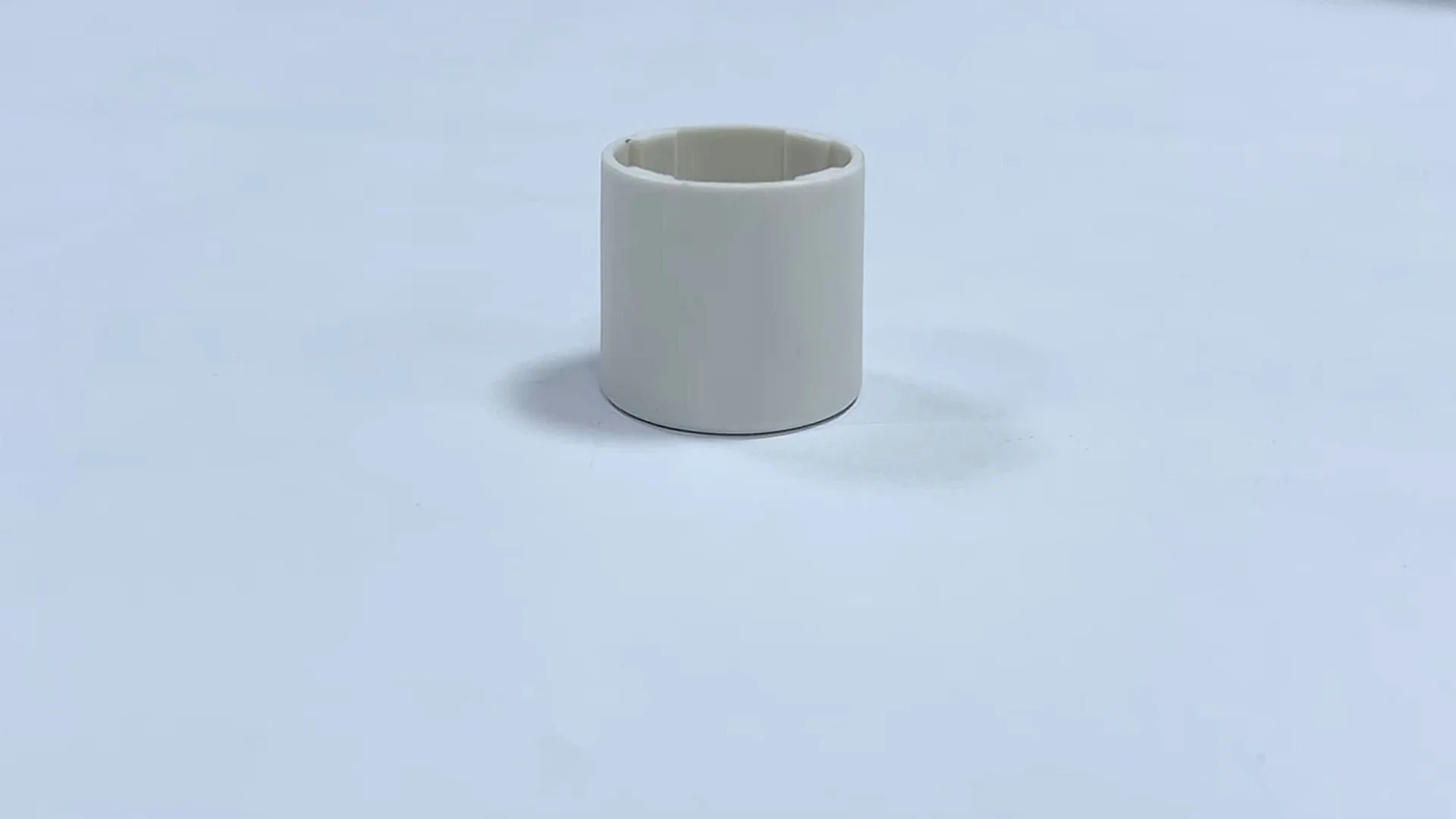
Plastic pipe sleeve to cover dia 28MM aluminum pipe end to contact with ground.
Introduction: The Unsung Hero of Industrial Racks
Walk through any manufacturing plant, logistics hub, or warehouse, and you'll notice a silent workhorse keeping operations running smoothly: industrial storage racks. These structures hold everything from raw materials to finished products, supporting the backbone of supply chains. But what makes these racks durable, flexible, and cost-effective? Often, it's the smaller components that don't get the spotlight—like plastic pipe sleeves.
In lean manufacturing systems, where efficiency and adaptability are key, components like lean pipes and their accessories play a critical role. Plastic pipe sleeves, for instance, are used to protect pipes, reduce friction, and even add a layer of insulation. But when these racks are moved outdoors—exposed to rain, wind, and, most notably, the sun's ultraviolet (UV) rays—do these sleeves hold up? Today, we're taking a deep dive into plastic pipe sleeve UV resistance: why it matters, how it's tested, and whether these sleeves are truly suitable for outdoor industrial storage racks.
In lean manufacturing systems, where efficiency and adaptability are key, components like lean pipes and their accessories play a critical role. Plastic pipe sleeves, for instance, are used to protect pipes, reduce friction, and even add a layer of insulation. But when these racks are moved outdoors—exposed to rain, wind, and, most notably, the sun's ultraviolet (UV) rays—do these sleeves hold up? Today, we're taking a deep dive into plastic pipe sleeve UV resistance: why it matters, how it's tested, and whether these sleeves are truly suitable for outdoor industrial storage racks.
What Are Plastic Pipe Sleeves, and Why Do They Matter?
Before we jump into UV resistance, let's clarify what plastic pipe sleeves are and why they're integral to industrial setups. Simply put, a plastic pipe sleeve is a cylindrical tube made from plastic materials (like polyethylene, PVC, or polypropylene) that slides over metal or aluminum pipes—often lean pipes or aluminum pipes—to provide protection, cushioning, or structural support.
In lean systems, where modularity is prized, these sleeves serve multiple purposes: they prevent metal-on-metal contact that could cause wear or noise, protect delicate goods from scratches during transport, and even add a pop of color for visual management (think yellow sleeves for high-traffic zones or grey for static storage). For example, on a lean pipe workbench or a turnover trolley, plastic sleeves ensure smooth material flow and extend the lifespan of the underlying pipes.
But when these systems are used outdoors—say, in a yard storing construction materials or a loading dock with open-air racks—the sleeves face a unique threat: UV radiation. Unlike indoor environments, where UV exposure is minimal, outdoor settings bombarde materials with UV-A and UV-B rays, which can break down plastics over time. So, the question becomes: Are plastic pipe sleeves up to the task?
In lean systems, where modularity is prized, these sleeves serve multiple purposes: they prevent metal-on-metal contact that could cause wear or noise, protect delicate goods from scratches during transport, and even add a pop of color for visual management (think yellow sleeves for high-traffic zones or grey for static storage). For example, on a lean pipe workbench or a turnover trolley, plastic sleeves ensure smooth material flow and extend the lifespan of the underlying pipes.
But when these systems are used outdoors—say, in a yard storing construction materials or a loading dock with open-air racks—the sleeves face a unique threat: UV radiation. Unlike indoor environments, where UV exposure is minimal, outdoor settings bombarde materials with UV-A and UV-B rays, which can break down plastics over time. So, the question becomes: Are plastic pipe sleeves up to the task?

The Outdoor Challenge: How UV Rays Degrade Plastics
To understand why UV resistance matters, let's first unpack how sunlight affects plastic. UV radiation, particularly UV-B rays (wavelengths 280–315 nm), penetrates plastic materials and breaks the chemical bonds in their polymer chains. This process, called photodegradation, leads to a cascade of issues:
Brittleness: As polymers break down, the plastic loses flexibility, becoming stiff and prone to cracking. Imagine a garden hose left in the sun for years—it starts to crack when bent, right? The same happens to unprotected plastic sleeves.
Discoloration: UV rays can cause plastics to fade or yellow, which might seem cosmetic, but discoloration often signals deeper structural damage.
Loss of Mechanical Strength: Tensile strength, impact resistance, and load-bearing capacity all decline as photodegradation progresses. For a storage rack holding heavy pallets, this isn't just a durability issue—it's a safety hazard.
For example, a logistics company in Arizona once reported that non-UV-stabilized plastic sleeves on their outdoor aluminum pipe racks began cracking after just 18 months. The racks, used to store automotive parts, started to squeak as the sleeves degraded, and loose fragments even jammed the roller tracks, slowing down operations. This isn't an isolated case: without proper UV protection, plastic sleeves can become a liability rather than an asset.
Brittleness: As polymers break down, the plastic loses flexibility, becoming stiff and prone to cracking. Imagine a garden hose left in the sun for years—it starts to crack when bent, right? The same happens to unprotected plastic sleeves.
Discoloration: UV rays can cause plastics to fade or yellow, which might seem cosmetic, but discoloration often signals deeper structural damage.
Loss of Mechanical Strength: Tensile strength, impact resistance, and load-bearing capacity all decline as photodegradation progresses. For a storage rack holding heavy pallets, this isn't just a durability issue—it's a safety hazard.
For example, a logistics company in Arizona once reported that non-UV-stabilized plastic sleeves on their outdoor aluminum pipe racks began cracking after just 18 months. The racks, used to store automotive parts, started to squeak as the sleeves degraded, and loose fragments even jammed the roller tracks, slowing down operations. This isn't an isolated case: without proper UV protection, plastic sleeves can become a liability rather than an asset.

UV Resistance in Plastic Pipe Sleeves: What Makes a Sleeve "Outdoor-Grade"?
Not all plastic pipe sleeves are created equal. While some are designed for indoor use only, others are formulated with UV resistance in mind. So, what sets these "outdoor-grade" sleeves apart?
1. UV Stabilizers: The Invisible Shield
The key to a UV-resistant plastic pipe sleeve is the addition of UV stabilizers during manufacturing. These chemical additives absorb or scatter UV rays, preventing them from breaking polymer bonds. Common stabilizers include:
- Hindered Amine Light Stabilizers (HALS): These act as "radical scavengers," neutralizing the free radicals produced by UV exposure before they can damage the polymer.
- Benzophenones and Benzotriazoles: These absorb UV rays directly, converting them into heat that dissipates harmlessly.
Manufacturers test these stabilizers rigorously—often using accelerated weathering chambers (like QUV testers) that simulate years of UV exposure in weeks. A quality plastic pipe sleeve will have a stabilizer package rated for 5+ years of outdoor use in harsh climates.
2. Material Matters: PE vs. PVC vs. Polypropylene
The base plastic also impacts UV resistance. Polyethylene (PE), especially high-density polyethylene (HDPE), is naturally more UV-resistant than PVC or polypropylene. This is why many outdoor-rated sleeves are made from PE. For example, a 1.5mm PE coated lean pipe sleeve with HALS stabilizers can withstand 7–10 years of outdoor UV exposure, whereas a PVC sleeve without stabilizers might fail in 2–3 years.
3. Thickness and Color
Thicker sleeves generally offer better UV resistance, as they have more material to absorb radiation before it reaches the inner pipe. Darker colors, like black or grey, can also help—they absorb more UV rays but may heat up more in direct sunlight, which can accelerate degradation in some plastics. That's why many manufacturers balance color with stabilizers: a yellow plastic roller track guide rail might look bright and alert, but it needs extra stabilizers to offset its light color.
1. UV Stabilizers: The Invisible Shield
The key to a UV-resistant plastic pipe sleeve is the addition of UV stabilizers during manufacturing. These chemical additives absorb or scatter UV rays, preventing them from breaking polymer bonds. Common stabilizers include:
- Hindered Amine Light Stabilizers (HALS): These act as "radical scavengers," neutralizing the free radicals produced by UV exposure before they can damage the polymer.
- Benzophenones and Benzotriazoles: These absorb UV rays directly, converting them into heat that dissipates harmlessly.
Manufacturers test these stabilizers rigorously—often using accelerated weathering chambers (like QUV testers) that simulate years of UV exposure in weeks. A quality plastic pipe sleeve will have a stabilizer package rated for 5+ years of outdoor use in harsh climates.
2. Material Matters: PE vs. PVC vs. Polypropylene
The base plastic also impacts UV resistance. Polyethylene (PE), especially high-density polyethylene (HDPE), is naturally more UV-resistant than PVC or polypropylene. This is why many outdoor-rated sleeves are made from PE. For example, a 1.5mm PE coated lean pipe sleeve with HALS stabilizers can withstand 7–10 years of outdoor UV exposure, whereas a PVC sleeve without stabilizers might fail in 2–3 years.
3. Thickness and Color
Thicker sleeves generally offer better UV resistance, as they have more material to absorb radiation before it reaches the inner pipe. Darker colors, like black or grey, can also help—they absorb more UV rays but may heat up more in direct sunlight, which can accelerate degradation in some plastics. That's why many manufacturers balance color with stabilizers: a yellow plastic roller track guide rail might look bright and alert, but it needs extra stabilizers to offset its light color.

Suitability for Outdoor Industrial Storage Racks: Case Studies and Real-World Performance
Now, the million-dollar question: Are UV-stabilized plastic pipe sleeves suitable for outdoor industrial storage racks? Let's look at real-world examples and compare them to alternatives like aluminum pipe or stainless steel.
Case Study 1: A Food Distribution Center in Florida
A food distributor in Miami needed outdoor racks to store produce crates before loading onto trucks. They chose lean pipe racks with UV-stabilized PE plastic sleeves (grey, 1.2mm thick) to keep costs low and installation flexible. After 4 years of exposure to Florida's intense sun and humidity, an inspection found minimal degradation: the sleeves showed slight fading but no cracking, and the racks still operated smoothly. The maintenance team noted that the sleeves had protected the underlying aluminum pipes from corrosion, reducing the need for repainting.
Case Study 2: A Construction Yard in Texas
A construction company in Austin used non-UV-stabilized PVC sleeves on their steel pipe racks outdoors. Within 2 years, the sleeves became brittle, cracked, and started to peel. The exposed steel pipes rusted, and the racks began to wobble under heavy loads. They replaced the PVC sleeves with UV-stabilized PE sleeves and reported no issues after 3 years—proving that the right sleeve makes all the difference.
Comparing to Alternatives: Plastic vs. Aluminum vs. Stainless Steel
To put plastic pipe sleeves in perspective, let's compare them to two common alternatives for outdoor racks: aluminum pipe and stainless steel pipe. The table below breaks down their UV resistance, durability, cost, and more:
Case Study 1: A Food Distribution Center in Florida
A food distributor in Miami needed outdoor racks to store produce crates before loading onto trucks. They chose lean pipe racks with UV-stabilized PE plastic sleeves (grey, 1.2mm thick) to keep costs low and installation flexible. After 4 years of exposure to Florida's intense sun and humidity, an inspection found minimal degradation: the sleeves showed slight fading but no cracking, and the racks still operated smoothly. The maintenance team noted that the sleeves had protected the underlying aluminum pipes from corrosion, reducing the need for repainting.
Case Study 2: A Construction Yard in Texas
A construction company in Austin used non-UV-stabilized PVC sleeves on their steel pipe racks outdoors. Within 2 years, the sleeves became brittle, cracked, and started to peel. The exposed steel pipes rusted, and the racks began to wobble under heavy loads. They replaced the PVC sleeves with UV-stabilized PE sleeves and reported no issues after 3 years—proving that the right sleeve makes all the difference.
Comparing to Alternatives: Plastic vs. Aluminum vs. Stainless Steel
To put plastic pipe sleeves in perspective, let's compare them to two common alternatives for outdoor racks: aluminum pipe and stainless steel pipe. The table below breaks down their UV resistance, durability, cost, and more:
| Material | UV Resistance | Durability (Outdoor Lifespan) | Cost (Per Meter) | Weight (Per Meter) | Installation Ease |
|---|---|---|---|---|---|
| UV-Stabilized Plastic Pipe Sleeve (over lean pipe) | Excellent (with stabilizers) | 5–10 years | $2–$5 | Light (500–800g) | Very Easy (slides on, no tools needed) |
| Aluminum Pipe (No Sleeve) | Excellent (naturally resistant) | 15–20+ years | $15–$25 | Moderate (1.5–2.5kg) | Easy (modular, but heavier to handle) |
| Stainless Steel Pipe (No Sleeve) | Excellent (no degradation) | 20–30+ years | $30–$45 | Heavy (3–4kg) | Moderate (requires tools, heavier lifting) |
Key Takeaway:
UV-stabilized plastic pipe sleeves offer a balance of cost, weight, and durability for outdoor racks. While aluminum and stainless steel are more long-lasting, they're significantly heavier and pricier—making plastic sleeves ideal for temporary or semi-permanent setups, or for companies prioritizing flexibility and budget.
Choosing the Right Plastic Pipe Sleeve for Outdoor Use
If you've decided to use plastic pipe sleeves outdoors, how do you ensure you're getting a UV-resistant product? Here are tips to guide your selection:
1. Ask for UV Stabilization Certifications
Reputable lean pipe suppliers will provide documentation on UV stabilization—look for ASTM D4329 or ISO 4892 test results, which measure resistance to accelerated weathering. A sleeve that passes 1,000 hours of QUV testing (equivalent to ~5 years outdoors) is a safe bet.
2. Check the Material and Thickness
Opt for PE sleeves (preferably HDPE) with a thickness of at least 1.0mm—thicker sleeves offer better protection. Avoid PVC unless it's explicitly labeled "UV-stabilized."
3. Consider the Climate
If you're in a high-UV area (like Arizona or the Middle East), choose sleeves with higher stabilizer concentrations. Coastal areas may also need added resistance to salt spray, so look for sleeves with both UV and corrosion inhibitors.
4. Don't Skimp on Accessories
Even the best sleeves need proper installation. Use plastic pipe end caps to seal the ends and prevent water intrusion, which can accelerate degradation. For roller tracks, pair sleeves with UV-resistant plastic roller track guide rails (yellow or grey) to ensure the entire system holds up.
1. Ask for UV Stabilization Certifications
Reputable lean pipe suppliers will provide documentation on UV stabilization—look for ASTM D4329 or ISO 4892 test results, which measure resistance to accelerated weathering. A sleeve that passes 1,000 hours of QUV testing (equivalent to ~5 years outdoors) is a safe bet.
2. Check the Material and Thickness
Opt for PE sleeves (preferably HDPE) with a thickness of at least 1.0mm—thicker sleeves offer better protection. Avoid PVC unless it's explicitly labeled "UV-stabilized."
3. Consider the Climate
If you're in a high-UV area (like Arizona or the Middle East), choose sleeves with higher stabilizer concentrations. Coastal areas may also need added resistance to salt spray, so look for sleeves with both UV and corrosion inhibitors.
4. Don't Skimp on Accessories
Even the best sleeves need proper installation. Use plastic pipe end caps to seal the ends and prevent water intrusion, which can accelerate degradation. For roller tracks, pair sleeves with UV-resistant plastic roller track guide rails (yellow or grey) to ensure the entire system holds up.
Maintenance Tips: Extending the Life of Outdoor Plastic Sleeves
Even UV-stabilized sleeves need care to maximize their lifespan. Here's how to keep them in top shape:
1. Clean Regularly
Dirt and debris can trap moisture against the sleeve, leading to mold or mildew. Wipe sleeves with a mild detergent and water every 3–6 months.
2. Inspect for Damage
Check for cracks, fading, or brittleness during routine maintenance. replace sleeves at the first sign of degradation to avoid safety risks.
3. Add Shade When Possible
If your racks are in direct sunlight all day, install a simple awning or shade cloth to reduce UV exposure. Even partial shade can extend sleeve life by 2–3 years.
4. Avoid Harsh Chemicals
Don't use abrasive cleaners or solvents (like bleach or acetone) on plastic sleeves—they can break down the polymer structure and negate UV stabilizers.
1. Clean Regularly
Dirt and debris can trap moisture against the sleeve, leading to mold or mildew. Wipe sleeves with a mild detergent and water every 3–6 months.
2. Inspect for Damage
Check for cracks, fading, or brittleness during routine maintenance. replace sleeves at the first sign of degradation to avoid safety risks.
3. Add Shade When Possible
If your racks are in direct sunlight all day, install a simple awning or shade cloth to reduce UV exposure. Even partial shade can extend sleeve life by 2–3 years.
4. Avoid Harsh Chemicals
Don't use abrasive cleaners or solvents (like bleach or acetone) on plastic sleeves—they can break down the polymer structure and negate UV stabilizers.
Conclusion: Plastic Pipe Sleeves Can Thrive Outdoors—With the Right Protection
So, are plastic pipe sleeves suitable for outdoor industrial storage racks? The answer is a resounding "yes"—but only if they're UV-stabilized. When properly formulated with UV inhibitors, made from durable materials like PE, and paired with regular maintenance, these sleeves offer a cost-effective, lightweight solution for outdoor storage.
Whether you're setting up a lean pipe workbench in a warehouse yard or a flow rack for outdoor material handling, don't overlook the humble plastic pipe sleeve. It may not be the flashiest component, but it's a critical one—protecting your racks, streamlining operations, and standing up to the sun's relentless rays.
Remember: The key is to partner with a trusted lean pipe supplier who understands outdoor applications and can provide UV-stabilized sleeves with proven performance. With the right choice, your outdoor racks will stay strong, flexible, and efficient for years to come.
Whether you're setting up a lean pipe workbench in a warehouse yard or a flow rack for outdoor material handling, don't overlook the humble plastic pipe sleeve. It may not be the flashiest component, but it's a critical one—protecting your racks, streamlining operations, and standing up to the sun's relentless rays.
Remember: The key is to partner with a trusted lean pipe supplier who understands outdoor applications and can provide UV-stabilized sleeves with proven performance. With the right choice, your outdoor racks will stay strong, flexible, and efficient for years to come.