- Company Articles
- Products and Technology
- Product knowledge
- Plastic Pipe Sleeve vs. Fiberglass Sleeve: Cost, Weight, and Durability Comparison

Plastic Pipe Sleeve vs. Fiberglass Sleeve: Cost, Weight, and Durability Comparison
Related Product
Plastic Pipe Sleeve
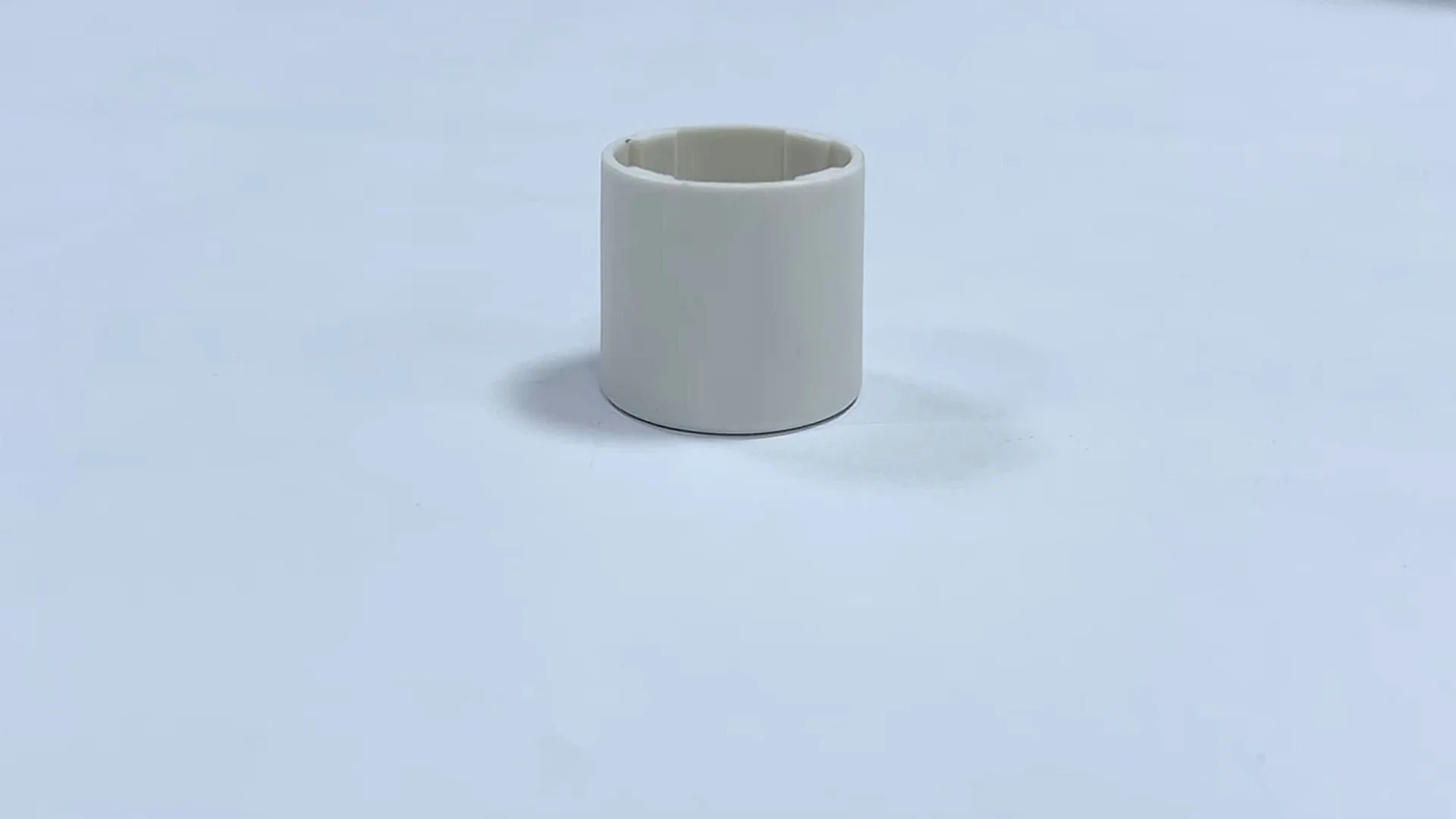
Plastic pipe sleeve to cover dia 28MM aluminum pipe end to contact with ground.
Whether you're managing a bustling factory floor, setting up a home workshop, or tackling a DIY project, the pipes and tubes in your space need protection. Pipe sleeves might seem like small details, but they're the unsung guardians that keep your equipment running smoothly, reduce noise, and prevent costly damage. But with so many options out there, how do you choose between plastic and fiberglass sleeves? Let's break it down—no jargon, just real talk about cost, weight, durability, and which one actually fits your needs.
First Things First: What Even Are Pipe Sleeves?
Before we dive into the comparison, let's make sure we're on the same page. Pipe sleeves are exactly what they sound like: protective covers that slide over pipes, tubes, or rods. They're like the armor for your infrastructure—shielding against scratches, corrosion, impact, and even temperature extremes. You'll find them everywhere: wrapping electrical wires under workbenches, guarding hydraulic lines on conveyor systems, or protecting plumbing pipes in industrial settings. Some are thin and flexible; others are rigid and tough. And today, we're pitting two of the most common types against each other: plastic and fiberglass.
Why these two? Because they're the workhorses of the sleeve world. Plastic is lightweight, affordable, and easy to find. Fiberglass, on the other hand, is built for strength and resilience. But which one is right for your project? Let's start with the first thing most people care about: cost.
Cost: Is Saving Now Worth Paying Later?
Let's cut to the chase: plastic sleeves are almost always cheaper upfront. Walk into any hardware store, and you'll notice the price tag difference immediately. A 10-foot length of basic plastic pipe cover (think PVC or polyethylene) might set you back $5 to $10, while a similar fiberglass sleeve could run $15 to $30. So why the gap?
It all comes down to materials and manufacturing. Plastic sleeves are made from polymers like PVC, polyethylene, or polypropylene—raw materials that are abundant and cheap to produce. Factories can churn them out in bulk using simple extrusion processes, which keeps labor and energy costs low. Fiberglass, though? It's a composite material, made by weaving glass fibers into a mat and coating them with resin. That extra step—combining glass and resin—adds complexity. Plus, glass fibers themselves are pricier than plastic pellets, and the curing process for resin takes time, driving up production costs.
But here's the catch: "cheaper upfront" doesn't always mean "cheaper in the long run." I once worked with a small manufacturer who opted for plastic sleeves to save money on their conveyor system. Six months later, they were replacing half of them—sunlight through their warehouse windows had made the plastic brittle, and the constant friction from moving parts had worn them thin. They ended up spending twice as much on replacements as they would've if they'd gone with fiberglass from the start.
So, if you're working on a temporary project or something indoors (like a home workbench where pipes stay shaded and low-stress), plastic might be the budget-friendly winner. But for industrial setups, outdoor use, or anything that needs to last 5+ years? Fiberglass could save you from frequent replacements.

Weight: Does It Matter How Heavy Your Sleeve Is?
Imagine hauling a 20-foot pipe sleeve up a ladder, or mounting a rack of sleeved pipes overhead. Suddenly, weight isn't just a number—it's a backache waiting to happen. Here's where plastic sleeves really shine: they're light . A typical plastic sleeve weighs about 0.5 to 1 pound per foot, depending on thickness. Fiberglass? That jumps to 1.5 to 3 pounds per foot. Over 10 feet, that's a difference of 10 to 20 pounds—and over 100 feet? You're looking at a workout.
Why does this matter? Let's say you're installing sleeves on a ceiling-mounted conveyor system (common in warehouses for moving parts between stations). Plastic sleeves add almost no extra weight to the pipes, so you don't have to reinforce the ceiling or worry about overloading the conveyor's motors. Fiberglass, though? Those extra pounds could require beefing up supports, hiring extra help for installation, or even upgrading your conveyor system to handle the load—all added costs.
But there's a flip side: fiberglass's heft comes from its strength. If you need a sleeve that can stand up to heavy impacts (like a pipe near a loading dock where forklifts might bump it), that extra weight translates to sturdiness. Plastic, being lighter, can dent or crack under pressure. I remember a client who used plastic sleeves on a workbench in their auto shop—great for weight, but after a few months of tools being dropped on them, the sleeves looked like Swiss cheese.
So, if you're prioritizing ease of installation, portability, or have weight restrictions (like on a mobile cart or lightweight aluminum pipe setup), plastic is your friend. If durability under impact matters more than lifting effort? Fiberglass takes the lead.

Durability: How Long Will Your Sleeve Actually Last?
Let's talk about the big one: durability. You don't want to replace sleeves every year, so how do plastic and fiberglass hold up in the real world? Let's break it down by the enemies all sleeves face: the elements, chemicals, and everyday wear and tear.
UV and Temperature Resistance
Sunlight is plastic's kryptonite. Most plastic sleeves (especially PVC) break down when exposed to UV rays—they get brittle, crack, and lose their flexibility. Leave a plastic sleeve outside for a summer, and it'll start looking faded and worn by fall. Fiberglass, though? It's UV-resistant by nature. I've seen fiberglass sleeves on outdoor pipes that have been through 10+ winters and summers, and they still look new.
Temperature extremes are another test. Plastic softens in high heat (over 120°F) and becomes stiff in the cold (below 32°F). That's a problem if you're using sleeves near machinery that generates heat (like a 3D printer or industrial oven) or in a unheated garage. Fiberglass handles a much wider range: it stays stable from -40°F to 250°F, making it ideal for factories with fluctuating temperatures.
Chemical and Corrosion Resistance
Spills happen—oils, solvents, cleaning agents, even water with high mineral content. Plastic sleeves can handle mild chemicals (like soap and water), but harsh stuff? Gasoline, acids, or industrial cleaners will eat through them in no time. Fiberglass, thanks to its resin coating, is far more chemical-resistant. I worked with a brewery once that used fiberglass sleeves on pipes carrying sanitizing solutions—after 5 years, the sleeves still hadn't corroded, while the plastic ones they'd tried earlier had turned mushy within months.
Wear and Tear
Day-to-day friction—from parts sliding over pipes, tools brushing against them, or just general use—wears sleeves down. Plastic sleeves are smooth, which reduces friction, but they're also soft. Over time, that smooth surface scuffs, tears, or develops holes. Fiberglass, with its woven glass fibers, is like sandpaper in reverse: it resists abrasion. A fiberglass sleeve can handle years of rubbing against metal parts or being stepped on (yes, really—we tested it!) without showing signs of wear.
The bottom line: For indoor, low-stress environments (like a home workshop where pipes are mostly untouched), plastic might last 2–3 years. For industrial, outdoor, or high-chemical settings? Fiberglass will outlive plastic by 5–10 years.

A Quick Comparison: The Numbers That Matter
| Factor | Plastic Pipe Sleeve | Fiberglass Sleeve |
|---|---|---|
| Cost (per foot) | $5–$10 (upfront); higher long-term replacement cost | $15–$30 (upfront); lower long-term replacement cost |
| Weight (per foot) | 0.5–1 lbs (lightweight, easy to handle) | 1.5–3 lbs (heavier, may require extra installation help) |
| UV Resistance | Poor (brittles in sunlight) | Excellent (no fading or cracking) |
| Chemical Resistance | Low (damaged by harsh cleaners) | High (resists most industrial chemicals) |
| Expected Lifespan | 2–3 years (indoor, low use) | 7–10 years (industrial, outdoor, high use) |
Accessories and Compatibility: It's Not Just the Sleeve
Here's a detail most people overlook: sleeves don't work alone. They need to pair with the pipes, clamps, and brackets in your setup. If you're using aluminum pipes (common in lean manufacturing systems), you'll need sleeves that fit with aluminum pipe accessories like clamps, brackets, or joint connectors. Plastic sleeves are flexible, so they work with almost any accessory—you can slide them on, clamp them down, or cut them to size without much hassle.
Fiberglass sleeves, being stiffer, require a bit more planning. They're harder to cut (you'll need a hacksaw instead of scissors), and some aluminum pipe accessories (like quick-release clamps) might not grip them as well. That said, most industrial suppliers sell fiberglass-specific accessories, so it's just a matter of checking compatibility before you buy.
Pro tip: If you're using a mix of pipes (aluminum, steel, etc.), plastic sleeves are the more versatile choice. They'll play nice with any accessory, saving you the headache of hunting down specialty parts.
So, Which One Should You Choose? A Checklist
Still on the fence? Ask yourself these questions to narrow it down:
- Is this a temporary or permanent setup? Temporary/short-term? Go plastic. Permanent/long-term? Fiberglass.
- Will the sleeves be outdoors or in direct sunlight? Yes? Fiberglass. No? Plastic is fine.
- Are chemicals or extreme temperatures involved? Yes? Fiberglass. No? Plastic works.
- Do you need to install them alone, or can you get help? Solo install? Plastic (lighter). Team available? Fiberglass is manageable.
- What's your budget—now vs. later? Tight budget now? Plastic (but save for replacements). Willing to invest upfront? Fiberglass (saves money long-term).
Final Thoughts: It's About Your Needs, Not "Best"
There's no "winner" here—only what works for you . Plastic sleeves are affordable, lightweight, and easy to work with, making them perfect for home projects, temporary setups, or indoor, low-stress environments. Fiberglass sleeves are pricier and heavier, but they'll outlast plastic in tough conditions, saving you time and money on replacements.
And remember: the best sleeve is the one that fits your space, your budget, and your peace of mind. Whether you go with plastic pipe cover for your garage workbench or fiberglass for your factory's conveyor system, you're one step closer to a setup that runs smoothly—no unexpected breakdowns, no costly repairs, just pipes that stay protected for years to come.