- Company Articles
- Products and Technology
- Product knowledge
- Plastic Pipe Sleeve vs. Rubber Sleeve: Which Offers Better Grip for Rotating Lean Joints?

Plastic Pipe Sleeve vs. Rubber Sleeve: Which Offers Better Grip for Rotating Lean Joints?
Related Product
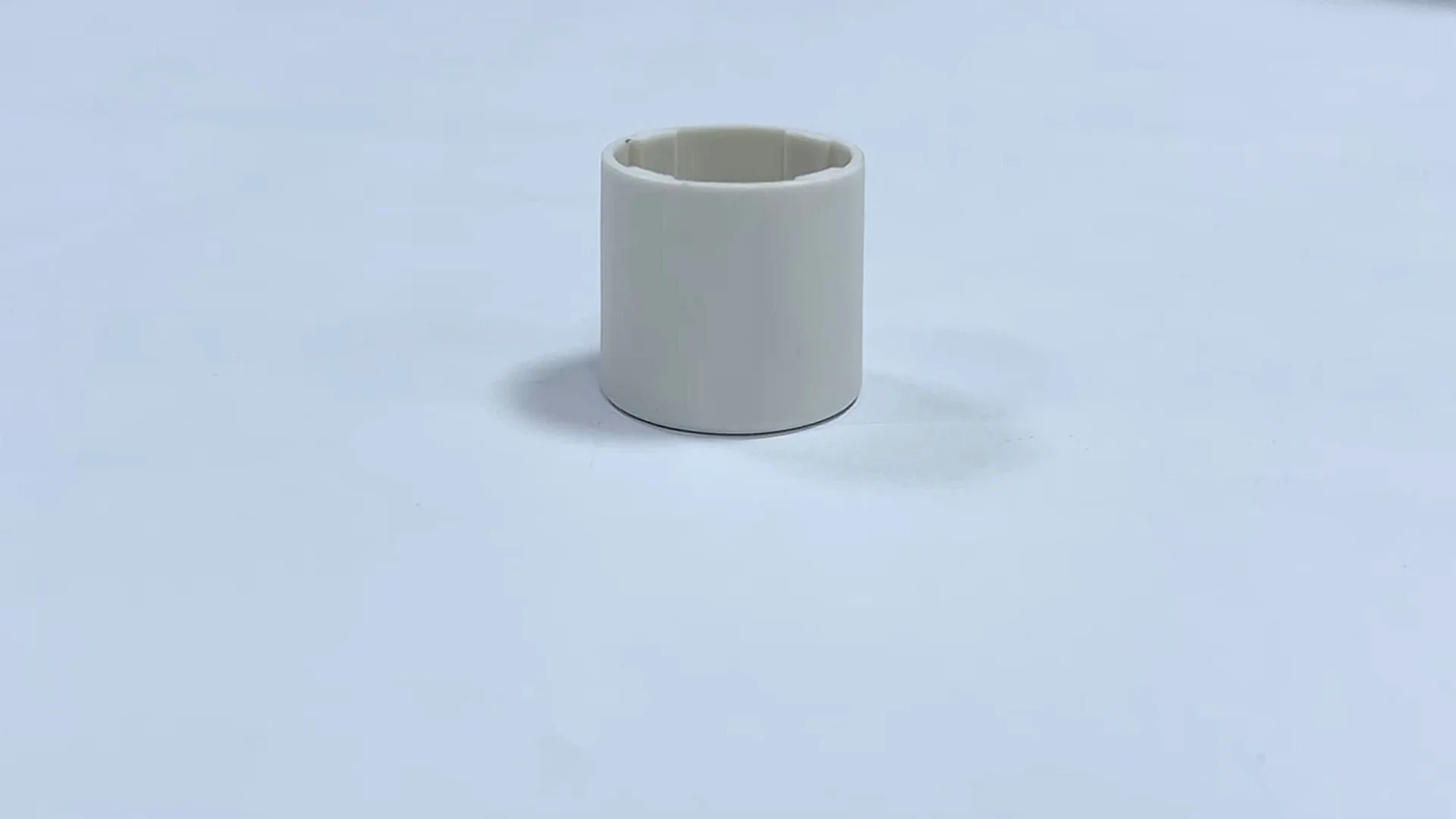
Plastic Pipe Sleeve
Plastic pipe sleeve to cover dia 28MM aluminum pipe end to contact with ground.
Walk into any modern manufacturing facility, and you'll likely spot a network of sleek, modular structures—workbenches, material racks, conveyor systems—all built from interconnected tubes and joints. These are lean pipe systems, the unsung heroes of efficient production lines. At the heart of these systems lie lean pipe joints : small but critical components that connect pipes, allowing for flexibility, adjustability, and the quick reconfiguration that lean manufacturing demands. But here's the thing: not all joints are created equal, especially when rotation is involved. Rotating lean joints, which let pipes pivot or swivel, are game-changers for adaptability—but they're only as reliable as the grip between the pipe and the joint. That's where pipe sleeves come in.
Imagine a rotating joint that slips mid-operation because the pipe isn't secure. A workbench that tilts unexpectedly, a material rack that jams, or a conveyor that misaligns—these aren't just minor annoyances. They disrupt workflow, waste time, and even risk damage to products or injury to workers. The solution? A high-quality sleeve that wraps around the pipe, creating friction and ensuring a tight, non-slip connection. But with two common options on the market—plastic and rubber—how do you choose? Which offers better grip for rotating lean joints? Let's dive in.
Understanding Rotating Lean Joints: Why Grip Matters
First, let's get clear on what rotating lean joints do. Unlike fixed joints, which lock pipes at a set angle, rotating joints allow controlled movement. Think of a workbench where the height needs to adjust for different tasks, or a material rack that tilts to unload parts. These joints rely on a balance of mobility and stability: they need to rotate smoothly but stay put once positioned. The problem? Metal-on-metal contact between the pipe and joint is slippery. Without a sleeve, vibration, load, or even slight pressure can cause the pipe to twist or slide, undermining the joint's purpose.
Sleeves solve this by acting as a buffer. They increase friction between the pipe's outer surface and the joint's inner cavity, creating a "grip" that resists slippage. But not all sleeves grip equally. Plastic and rubber, the two most popular materials, have distinct properties that affect how well they perform in rotating applications. To choose the right one, we need to understand their strengths, weaknesses, and how they interact with lean pipe and accessories in real-world settings.
What Are Pipe Sleeves, Anyway?
Pipe sleeves are simple in design but critical in function. They're cylindrical tubes, usually 2–5 cm long, that slide over the end of a lean pipe before it's inserted into a joint. Made from various materials, their primary job is to enhance grip, but they also protect the pipe from scratches, reduce noise from metal contact, and extend the joint's lifespan by absorbing wear. For rotating joints, their grip is the star feature. A sleeve with poor grip turns a flexible joint into a liability; one with strong grip turns it into a tool for seamless adaptability.
Now, let's zoom in on the two heavyweights: plastic and rubber sleeves. We'll break down their materials, how they grip, and when to choose one over the other.

Plastic Pipe Sleeves: Hard, Durable, and Cost-Effective
Plastic sleeves are the workhorses of many lean pipe setups. They're affordable, widely available, and come in a range of materials—each tailored to specific needs. The most common plastics used are PVC (polyvinyl chloride), nylon, and polyethylene. Let's unpack their properties and how they impact grip.
Materials and Physical Traits
PVC sleeves are the budget-friendly option. They're rigid, smooth, and have a moderate friction coefficient (a measure of how much two surfaces resist sliding against each other). Nylon sleeves, on the other hand, are tougher and more wear-resistant—great for high-load applications. Polyethylene sleeves are softer than PVC or nylon, with better flexibility, making them a good choice for pipes that bend slightly during rotation.
One key trait of plastic sleeves is their hardness. On the Shore durometer scale (which measures material hardness), PVC and nylon typically score between 70–90 Shore D (hard), while polyethylene is softer, around 60–70 Shore D. This hardness means plastic sleeves maintain their shape under pressure, but it also affects how they grip: harder plastics don't conform to surface irregularities as well as softer materials, which can limit friction.
Grip Performance: When Plastic Shines (and Struggles)
In dry, clean environments, plastic sleeves can grip surprisingly well. Their smooth surface, when pressed against the joint's inner wall, creates static friction that resists rotation. Nylon, in particular, has a higher friction coefficient than PVC, making it better for applications where slippage is a concern. Some manufacturers even add texturing—small ridges or bumps—to the sleeve's outer surface to boost friction, mimicking the effect of tread on a tire.
But plastic's grip falters in certain conditions. Oily or greasy environments (common in automotive or machinery shops) reduce friction between plastic and metal, turning a tight joint into a slippery mess. Moisture can also be a problem: plastic sleeves don't absorb water, so a wet pipe surface can cause the sleeve to slide. Additionally, plastic is less elastic than rubber, so it doesn't "hug" the pipe as tightly. If the pipe diameter varies slightly (common with budget or recycled lean pipes), a plastic sleeve might not fill the gap, leading to play in the joint.
Durability and Maintenance
Plastic sleeves excel in durability. They're resistant to abrasion, chemicals (like oils and solvents, depending on the plastic), and UV light. Nylon sleeves, in particular, can withstand heavy loads and frequent rotation without cracking or deforming. They also require minimal maintenance: a quick wipe with a dry cloth to remove dust or debris is usually enough. Unlike rubber, plastic doesn't degrade over time from exposure to oxygen (oxidation), so it has a longer shelf life—ideal for facilities that stock spare parts.
The downside? Extreme temperatures can warp plastic. PVC softens at around 60°C (140°F), making it unsuitable for high-heat environments like foundries. Nylon handles higher temps (up to 120°C/248°F), but even it can become brittle in cold conditions below 0°C (32°F). If your facility has temperature swings, plastic might not be the most reliable choice.

Rubber Sleeves: Elastic, Traction-Oriented, and Versatile
Rubber sleeves are the "grippier" cousin of plastic sleeves. They're softer, more elastic, and designed to maximize friction—even in challenging environments. Rubber comes in several varieties, each with unique properties: natural rubber (from latex), nitrile (synthetic, oil-resistant), and silicone (heat-resistant). Let's explore how these materials stack up for rotating lean joints.
Materials and Physical Traits
Natural rubber is the most elastic, with a Shore durometer rating of 30–60 Shore A (much softer than plastic's Shore D). This elasticity allows it to conform to the pipe's surface, filling in small dents or scratches and increasing the contact area with the joint. Nitrile rubber is stiffer (60–80 Shore A) but offers superior oil and chemical resistance—perfect for messy industrial settings. Silicone rubber is the most heat-resistant, handling temps from -50°C to 200°C (-58°F to 392°F), but it's pricier and less elastic than natural rubber.
Rubber's softness is its superpower for grip. When compressed inside a joint, it deforms slightly, creating a tight seal around the pipe. This "conformability" means even minor irregularities in the pipe or joint don't reduce friction—unlike rigid plastic, which can leave gaps.
Grip Performance: Traction in Any Condition
Rubber sleeves are champions of grip, especially in harsh conditions. Their high friction coefficient (natural rubber has one of the highest among common materials) means they resist slippage even when wet or oily. Nitrile rubber, in particular, maintains traction in oil—making it a staple in automotive assembly lines where lubricants are everywhere. The elasticity also helps: as the joint rotates, the rubber compresses and rebounds, maintaining contact with the pipe and joint walls throughout the movement.
But rubber isn't perfect. Its softness can be a liability under heavy loads. Over time, constant compression and rotation can cause the rubber to wear thin or develop indentations, reducing grip. Natural rubber is also prone to oxidation, which makes it brittle over time—especially if exposed to sunlight or ozone (common near electrical equipment). Silicone rubber avoids this issue but is more expensive, so it's often reserved for specialized applications.
Durability and Maintenance
Rubber sleeves require more maintenance than plastic. They can absorb oils, dirt, and moisture, which can degrade the material over time. Regular cleaning with mild soap and water is necessary to remove contaminants. They also have a shorter lifespan: natural rubber sleeves might need replacement every 6–12 months in high-use applications, while nitrile or silicone can last 1–2 years. Extreme cold can make rubber stiff and less elastic, reducing grip, while high heat (for non-silicone rubber) can cause softening and melting.
On the flip side, rubber's ability to dampen vibration is a hidden benefit. In noisy factories, rubber sleeves reduce the clanking of metal joints, creating a quieter workspace. They also protect pipes from dents better than plastic, as the soft material absorbs impact.

Plastic vs. Rubber: A Head-to-Head Comparison
To make the choice clearer, let's compare plastic and rubber sleeves across key factors that matter for rotating lean joints. The table below breaks down their performance in grip, durability, cost, and more:
| Factor | Plastic Sleeves (e.g., Nylon, PVC) | Rubber Sleeves (e.g., Natural, Nitrile) |
|---|---|---|
| Grip Strength (Dry Conditions) | Good (moderate friction; texturing improves performance) | Excellent (high friction from elasticity and conformability) |
| Grip Strength (Wet/Oily Conditions) | Poor (low friction when lubricated) | Good to Excellent (nitrile rubber resists oil; natural rubber still grips when wet) |
| Durability | High (resistant to abrasion, chemicals, and UV; long lifespan) | Moderate (prone to wear, oxidation, and oil absorption; shorter lifespan) |
| Temperature Range | Limited (PVC: 0–60°C; Nylon: -20–120°C) | Wide (Natural: -30–70°C; Nitrile: -40–120°C; Silicone: -50–200°C) |
| Cost | Low to Moderate (PVC cheapest; nylon mid-range) | Moderate to High (natural rubber mid-range; silicone expensive) |
| Maintenance | Low (dry wipe only) | Moderate (regular cleaning to remove oils/dirt) |
Real-World Applications: When to Choose Which
Theory is helpful, but real-world examples show how these sleeves perform in action. Let's look at three scenarios common in manufacturing and logistics:
Scenario 1: Electronics Assembly Line (Clean, Dry, Low Load)
Electronics factories are typically clean, dry, and involve lightweight components. A rotating workbench used for assembling circuit boards needs to adjust height occasionally but doesn't face heavy loads or oils. Here, plastic sleeves (nylon or PVC) shine. They're affordable, durable, and provide enough grip for light rotation. The dry environment means friction stays high, and the low load prevents wear. A plastic pipe sleeve here would last years with minimal maintenance—no need to splurge on rubber.
Scenario 2: Automotive Parts Manufacturing (Oily, High Load)
Automotive shops are messy: oils, greases, and coolants are everywhere. A rotating material rack holding heavy engine parts needs to grip securely, even when lubricants drip onto the joints. Plastic sleeves would slip here, risking the rack tilting. Nitrile rubber sleeves, however, resist oil and maintain friction, keeping the joint stable. The high load is manageable because nitrile is stiffer than natural rubber, and while the sleeves might need replacement yearly, the cost is worth avoiding downtime from slippage.
Scenario 3: Food Processing (High Heat, Sanitary)
Food processing facilities require high temperatures for sterilization and strict hygiene. A rotating conveyor joint in a bakery (exposed to heat and steam) needs a sleeve that handles 100°C+ temps and is easy to clean. Silicone rubber sleeves are ideal here: they resist heat, don't absorb food particles, and can be sanitized with high-pressure water. Plastic sleeves would warp in the heat, and natural rubber would degrade from moisture—making silicone the only practical choice.
Choosing the Right Sleeve: Key Factors to Consider
So, how do you decide between plastic and rubber for your rotating lean joints? Start by asking these questions:
- What's the environment like? Dry and clean? Plastic is fine. Wet, oily, or hot? Rubber (nitrile or silicone) is better.
- How much weight is the joint supporting? Light loads (under 50kg)? Plastic works. Heavy loads (100kg+)? Rubber's elasticity distributes weight better.
- How often does the joint rotate? Rarely? Plastic's durability is a plus. Frequently? Rubber's grip during movement is worth the shorter lifespan.
- What's your budget? Tight on funds? PVC sleeves are cheap. Willing to invest in reliability? Nitrile rubber offers long-term value.
- What's the maintenance plan? No time for regular upkeep? Plastic is low-maintenance. Can you clean sleeves monthly? Rubber is manageable.
The Verdict: It Depends on Your Needs
There's no one-size-fits-all answer to whether plastic or rubber sleeves offer better grip for rotating lean joints. Plastic sleeves are durable, affordable, and great for dry, low-load, low-maintenance environments. Rubber sleeves—especially nitrile or silicone—provide superior grip in wet, oily, or high-heat settings, though they require more upkeep and cost more.
The best approach? Evaluate your specific application. If you're building a simple workbench in a clean warehouse, plastic sleeves (like nylon) will serve you well. If you're setting up a rotating joint in a messy automotive plant, nitrile rubber is worth the investment. And if you're unsure, talk to your lean pipe supplier —they can recommend sleeves based on your facility's unique conditions.
At the end of the day, the goal is to keep your lean pipe system running smoothly. Whether you choose plastic or rubber, a sleeve that grips reliably is the key to unlocking the full potential of rotating lean joints—turning flexibility into efficiency, one rotation at a time.