- Company Articles
- Products and Technology
- Product knowledge
- Plastic Pipe Sleeve Weight Considerations: Impact on Portable Lean Workstations

Plastic Pipe Sleeve Weight Considerations: Impact on Portable Lean Workstations
Related Product
Plastic Pipe Sleeve
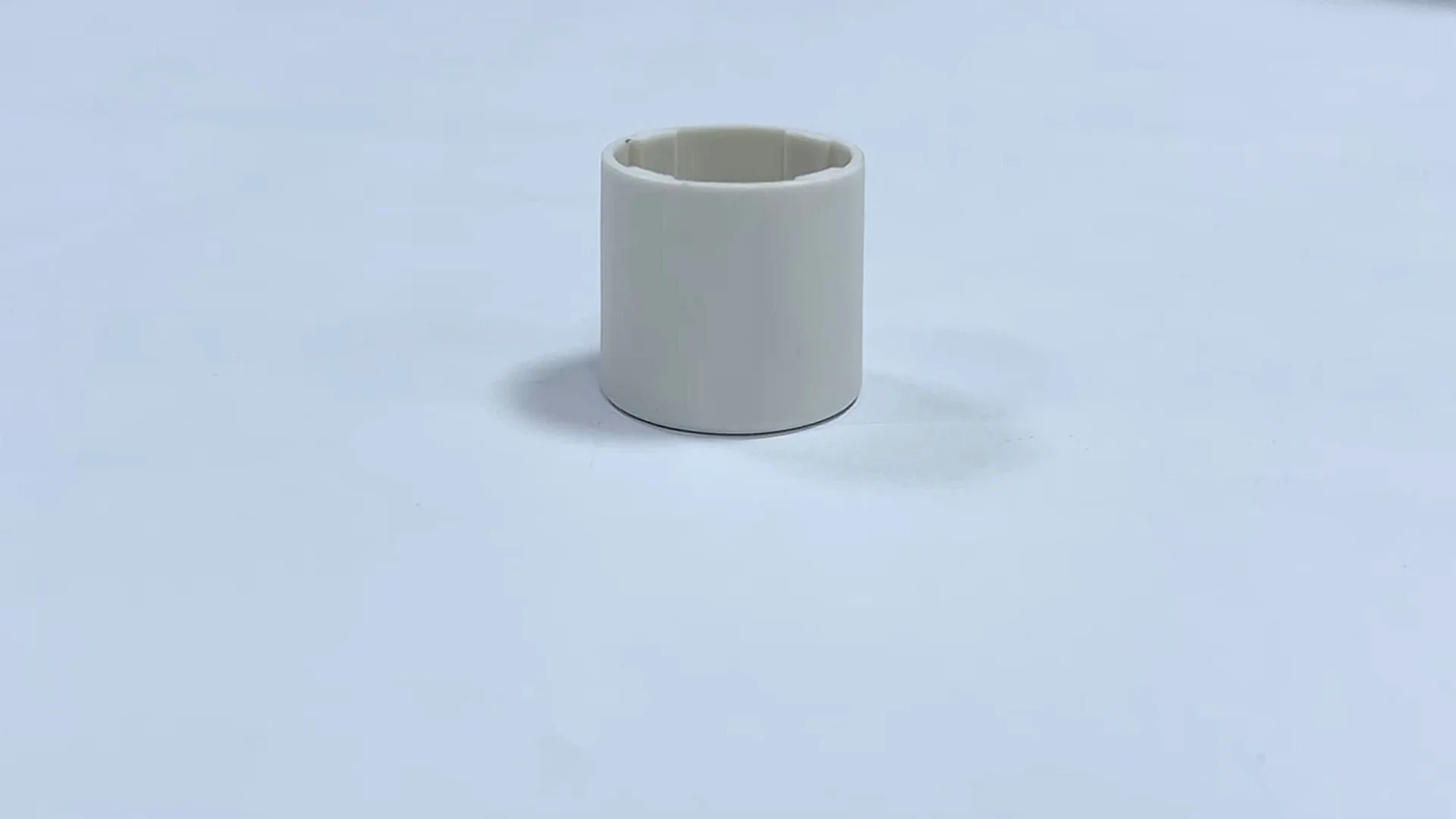
Plastic pipe sleeve to cover dia 28MM aluminum pipe end to contact with ground.
In the fast-paced world of manufacturing, warehousing, and assembly lines, efficiency isn't just a buzzword—it's the backbone of daily operations. Every second saved, every ergonomic improvement, and every reduction in physical strain contributes to a smoother, more productive workflow. At the heart of this efficiency lies the humble yet indispensable portable lean workstation. These adaptable setups, often built with lean tube and modular components, are designed to move with the needs of the job, whether that means shifting between assembly stations, supporting batch production, or adapting to new workflows on the fly. But here's a detail that's easy to overlook: the weight of the plastic pipe sleeves that clothe the lean tubes forming the workstation's frame. It might seem trivial, but this small component can have a surprisingly big impact on how well your workstation lives up to its "portable" promise.
Think about it: A lean pipe workbench that's supposed to be maneuverable shouldn't feel like pushing a boulder across the floor. If the plastic pipe sleeves adds unnecessary heft, every time a team member needs to reposition the workstation, they're expending extra energy—energy that could be better spent on actual production tasks. Over time, this leads to fatigue, slower reconfiguration times, and even increased risk of workplace injuries. On the flip side, sleeves that are too light might sacrifice durability, leaving the lean tube underneath vulnerable to dents, scratches, or corrosion. So, how do you strike the right balance? That's exactly what we'll explore in this article: why plastic pipe sleeve weight matters, the factors that influence it, and how making smart choices here can transform the way your team works.
What Are Plastic Pipe Sleeves, Anyway?
Before diving into weight specifics, let's make sure we're all on the same page about what plastic pipe sleeves are and why they're such a key part of your lean workstation. Simply put, these sleeves are protective coverings that slide over the lean tube—the metal (often aluminum or steel) pipes that form the skeleton of your workbench, rack, or trolley. They're not just there for looks, though a splash of color can certainly brighten up a factory floor. Their primary jobs? Protect the lean tube from scratches, dents, or corrosion; provide a non-slip, comfortable grip for anyone handling the workstation; insulate against static (critical in electronics manufacturing, where ESD workstations are a must); and even dampen noise when parts or tools bump against the frame.
Walk into any facility using lean manufacturing principles, and you'll likely spot these sleeves in action. They come in various materials—PVC, polyethylene (PE), polypropylene (PP), and sometimes nylon—each with its own set of properties. You'll also find them in different thicknesses, lengths, and colors (yellow for high-visibility areas, grey for a sleek, understated look, or even custom hues to match company branding). But regardless of the details, their weight is a silent factor that shapes how usable the entire workstation becomes.
Why Weight Matters: The Hidden Cost of Heavy Sleeves
Portability is the name of the game for portable lean workstations. Unlike fixed workbenches, these setups are designed to be reconfigured, moved, and repurposed as production needs change. Maybe you need to shift a workbench from Line A to Line B to handle a sudden surge in orders. Or perhaps you're rearranging the floor layout to reduce bottlenecks. In these scenarios, every pound (or kilogram) of extra weight in the plastic pipe sleeves slows things down.
Maneuverability: When Casters Struggle to Keep Up
Let's talk about caster wheels—the unsung heroes of workstation portability. A typical lean pipe workbench might have four caster wheels, each rated to support a certain weight. If the total weight of the workstation (frame, shelves, tools, materials, and yes, those plastic sleeves) exceeds what the casters can handle, you're in trouble. The wheels might squeak, drag, or even lock up, making it hard to push the workstation in a straight line. Worse, overloading casters leads to premature wear: bearings fail, wheels crack, and suddenly you're replacing caster accessories or entire caster units far more often than you budgeted for.
Consider this: A standard caster wheel for medium-duty workstations might be rated for 150 lbs (68 kg) each. If your workstation's frame (lean tube, joints, etc.) weighs 50 lbs, and you add a 30-lb tool shelf, 20 lbs of materials, and 15 lbs of plastic pipe sleeves, that's 115 lbs total—well within the caster's capacity. But if those sleeves were 25 lbs instead of 15? Now you're at 125 lbs, leaving little room for extra tools or materials. Add a few more pounds, and you're overloading the casters, which could lead to a dangerous situation if a wheel gives out mid-move.
Ergonomics: Fatigue and the Human Cost
Beyond equipment wear, there's a human element to weight. Pushing a heavy workstation isn't just inconvenient—it's tiring. Imagine a team member who has to move their lean pipe workbench three times a day, each time wrestling with extra weight from bulky sleeves. Over weeks and months, that extra effort adds up. Fatigue sets in, which can lead to slower task completion, decreased focus, and a higher chance of mistakes. In the worst cases, it can cause musculoskeletal injuries, like strained backs or shoulders, leading to missed workdays and increased workers' compensation claims.
Ergonomics experts often talk about "low-effort tasks" being key to sustained productivity. A workstation that's easy to move encourages flexibility—team members are more likely to reconfigure their space to suit the task at hand, leading to better organization and fewer wasted movements. But if moving the workstation feels like a workout, they'll avoid it, sticking to suboptimal layouts that hurt efficiency in the long run.
Efficiency: Time Spent Moving is Time Wasted
Time is money in manufacturing, and every minute spent struggling with a heavy workstation is a minute not spent assembling products, packing orders, or solving problems. Let's say it takes 2 minutes to move a lightweight workstation 50 feet, but 4 minutes to move a heavier one (thanks to those thick, heavy sleeves). If a team moves their workstation 5 times a day, that's an extra 10 minutes per day—over 40 hours a year (the equivalent of a full workweek!) wasted on just moving equipment. Multiply that across a team of 10, and you're looking at 400 lost hours annually. That's a significant hit to productivity, all because of a component as small as plastic pipe sleeves.

What Makes a Plastic Pipe Sleeve Heavy (or Light)?
Now that we understand why weight matters, let's break down the factors that influence how much a plastic pipe sleeve weighs. It's not just about "thick vs. thin"—there's a science to it, and knowing these factors can help you choose sleeves that balance weight, durability, and cost.
Material Density: Not All Plastics Are Created Equal
The type of plastic used is the biggest driver of weight. Different plastics have different densities, which means even sleeves of the same size (length and wall thickness) will weigh more or less depending on the material. Here's a quick overview of common options:
- PVC (Polyvinyl Chloride): A popular choice for its durability and low cost, but PVC is relatively dense (around 1.3-1.4 g/cm³). That means a 1-meter PVC sleeve with a 25mm outer diameter and 2mm wall thickness might weigh around 0.5 lbs (0.23 kg).
- Polyethylene (PE): Lighter than PVC, with a density of 0.91-0.96 g/cm³. The same 1m, 25mm, 2mm sleeve in PE would weigh roughly 0.35 lbs (0.16 kg)—about 30% lighter than PVC.
- Polypropylene (PP): Even less dense than PE, at 0.89-0.91 g/cm³. A PP sleeve of the same size might weigh 0.32 lbs (0.15 kg), making it ideal for weight-sensitive applications.
- Nylon: More durable than PE or PP but denser (1.1-1.15 g/cm³). A nylon sleeve would weigh around 0.45 lbs (0.20 kg) for the same specs—heavier than PE/PP but still lighter than PVC.
So, if portability is your top priority, PE or PP might be better bets than PVC. But remember: density isn't the only factor—durability matters too. PE, for example, is flexible and impact-resistant, making it great for environments where the workstation might get bumped, while PP has higher chemical resistance, which is useful in labs or cleanrooms.
Wall Thickness: Protection vs. Weight
The thickness of the sleeve's wall is another major player. Thicker walls mean more material, which adds weight, but they also offer better protection for the lean tube underneath. A sleeve with a 3mm wall will be sturdier than a 1mm one, but it will also weigh nearly three times as much (assuming the same material and diameter). So, you need to ask: How much protection does my lean tube really need?
In low-impact environments—say, an office-based assembly line for small electronics—a 1-2mm wall might be enough. But in a warehouse where the workstation is moved frequently and could scrape against metal racks, a 2-3mm wall might be necessary to prevent the lean tube from getting dented. It's a trade-off: extra protection equals extra weight, so you'll need to assess your workspace's specific hazards.
Length and Diameter: Size Matters
It might seem obvious, but longer sleeves weigh more than shorter ones—after all, there's more material. Similarly, sleeves for larger-diameter lean tubes (e.g., 30mm vs. 20mm) will weigh more, even with the same wall thickness, because the circumference is larger. When designing your workstation, consider whether you can use shorter sleeves in non-critical areas or downsize the lean tube diameter (if possible) to reduce overall weight without sacrificing strength.
Additives and Reinforcements: Extra Strength, Extra Weight?
Sometimes, manufacturers add additives to plastic sleeves to boost performance. For example, glass fibers might be mixed in to increase tensile strength, or carbon black to improve UV resistance (important for workstations used outdoors or near windows). While these additives can enhance durability, they often add density—and thus weight—to the plastic. For example, a glass-reinforced PP sleeve might be 10-15% heavier than a standard PP sleeve but could withstand 50% more impact force. Again, it's a balance: Do you need the extra strength, or can you get by with a lighter, unreinforced sleeve?

Real-World Impact: How Sleeve Weight Changed Two Workplaces
To make this tangible, let's look at two hypothetical (but realistic) case studies of companies that adjusted their plastic pipe sleeve choices and reaped the benefits.
Case Study 1: Electronics Manufacturer Cuts Setup Time by 30%
ABC Electronics, a mid-sized manufacturer of circuit boards, used lean pipe workbenches with PVC sleeves for their assembly lines. Each workbench was equipped with tools, a small ESD mat, and enough materials for a 2-hour production run. The team often needed to reconfigure the line layout to accommodate different board models, which meant moving 8-10 workstations daily.
The problem? The PVC sleeves added significant weight—about 20 lbs per workbench. Combined with tools and materials, each workstation weighed around 180 lbs, making it tough for a single team member to move. Often, two people were needed, and reconfiguring the line took 45 minutes on average. Workers reported shoulder and back soreness, and the caster wheels were needing replacement every 3 months (instead of the expected 6).
After consulting with their lean pipe supplier, ABC switched to PE sleeves, which were 30% lighter. The new sleeves reduced the workbench weight by 6 lbs, bringing the total to 174 lbs. While that might not sound like much, the difference was noticeable: Now, one person could move a workstation easily, and reconfiguration time dropped to 30 minutes—a 30% improvement. Caster wear also decreased, with replacements now needed every 5-6 months, cutting maintenance costs by nearly half. Most importantly, workers reported less fatigue, and there was a 15% reduction in minor workplace injuries related to lifting or pushing.
Case Study 2: Warehouse Reduces Fatigue and Boosts Morale
XYZ Warehousing used portable lean workstations (essentially mobile picking carts) to help workers gather items for orders. These carts had multiple shelves and were equipped with caster wheels for easy movement through narrow aisles. The carts originally used thick, reinforced PVC sleeves to protect the lean tube from frequent bumps against pallet racks.
However, the heavy sleeves meant each cart weighed 65 lbs empty. When loaded with 40-50 lbs of products, the total weight hit 105-115 lbs. Workers, who pushed these carts 8-10 hours a day, complained of tiredness and leg strain. Turnover in the picking department was high, and productivity was lagging.
XYZ's solution? Switching to a thinner-wall PP sleeve (1.5mm instead of 2.5mm) with a lightweight fiberglass additive for extra strength. The new sleeves were 40% lighter, reducing the empty cart weight to 50 lbs. Loaded, the carts now weighed 90-100 lbs—still manageable, but with far less strain on workers. Within a month, the picking team reported feeling more energized at the end of shifts, and turnover dropped by 20%. Productivity also increased by 10%, as workers could move faster and take fewer breaks.

How to Choose the Right Plastic Pipe Sleeve for Your Workstation
Now that you understand the "why" and "how" of sleeve weight, let's talk about how to choose the right sleeves for your specific needs. It's not about picking the lightest option available—it's about balancing weight with durability, cost, and functionality. Here's a step-by-step guide:
Step 1: Assess Your Workstation's Purpose and Environment
- How often is it moved? If it's reconfigured daily, prioritize lightweight sleeves. If it stays in one place 90% of the time, weight is less critical.
- What hazards does it face? Will it be bumped, scraped, or exposed to chemicals? Thicker or reinforced sleeves may be needed here.
- What's the total weight budget? Calculate the weight of the lean tube frame, shelves, tools, and materials, then see how much "room" you have left for sleeves (considering caster wheel ratings).
Step 2: Compare Materials and Weights
To help visualize the differences, here's a comparison table of common plastic pipe sleeve materials, based on a 1-meter length, 25mm outer diameter, and 2mm wall thickness:
| Material | Density (g/cm³) | Weight per Meter (lbs) | Weight per Meter (kg) | Durability (1-5, 5=Best) | Cost (Low/Medium/High) | Best For |
|---|---|---|---|---|---|---|
| PVC | 1.3-1.4 | 0.50 | 0.23 | 4 | Low | Heavy-duty, low-cost environments with moderate impact |
| Polyethylene (PE) | 0.91-0.96 | 0.35 | 0.16 | 3 | Medium | Portable workstations; low to medium impact |
| Polypropylene (PP) | 0.89-0.91 | 0.32 | 0.15 | 3 | Medium | Lightweight needs; chemical-resistant environments |
| Nylon | 1.1-1.15 | 0.45 | 0.20 | 5 | High | Heavy impact; high-wear areas (e.g., warehouses) |
Step 3: Consult Your Lean Pipe Supplier
Your lean pipe supplier is a valuable resource here. They can provide specific weight data for their sleeves, recommend materials based on your workflow, and even help you test samples. Don't be afraid to ask: "What's the lightest sleeve that can handle our daily use?" A good supplier will prioritize your needs over pushing the most expensive option.
Step 4: Test Before Committing
Order a few sample sleeves in different materials and thicknesses, then build a small test workstation. Have your team move it around, simulate daily tasks, and get their feedback. Sometimes, what looks good on paper doesn't feel right in practice. A sleeve that's slightly heavier but offers better grip might be preferred over a lighter one that's slippery, for example.
Final Thoughts: Weight as a Path to Leaner, Smarter Workstations
Plastic pipe sleeves might seem like a small detail in the grand scheme of a lean workstation, but as we've seen, their weight has a ripple effect—impacting everything from caster wheel longevity to worker fatigue to overall productivity. By taking the time to understand what influences sleeve weight and how to balance it with durability and functionality, you're not just optimizing a component—you're building a workstation that works with your team, not against them.
Remember, lean manufacturing is all about eliminating waste—whether it's wasted time, wasted effort, or wasted resources. A heavy, cumbersome workstation is a form of waste, and reducing that waste starts with choices like the plastic pipe sleeves you use. So, the next time you're designing or upgrading a lean pipe workbench, don't overlook the sleeves. Your team's backs (and your bottom line) will thank you.