- Company Articles
- Products and Technology
- Product knowledge
- Plastic Pipe Sleeves for Computer Peripheral Testing Rigs: Ensuring Stability During Operation

Plastic Pipe Sleeves for Computer Peripheral Testing Rigs: Ensuring Stability During Operation
Related Product
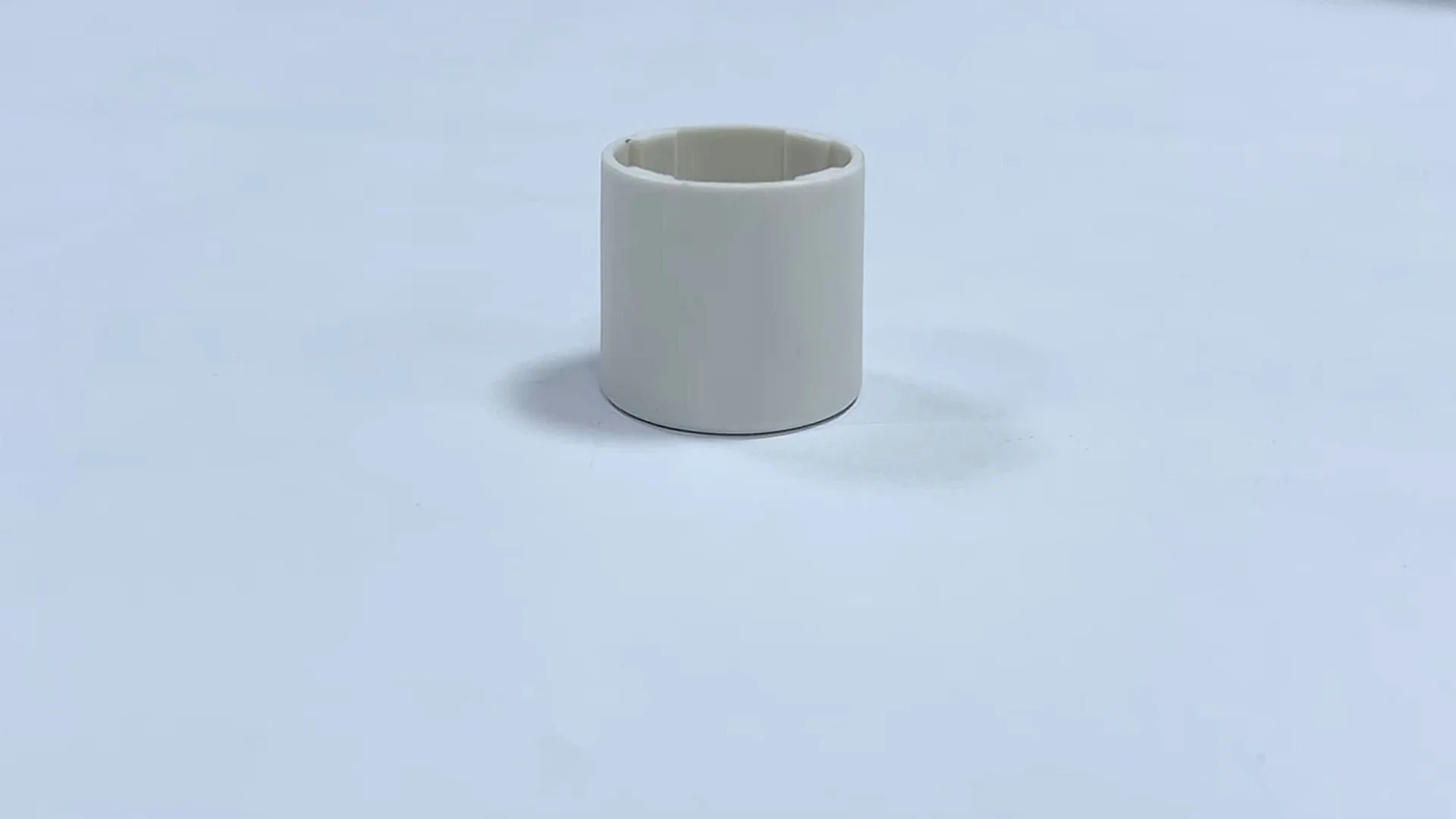
Plastic Pipe Sleeve
Plastic pipe sleeve to cover dia 28MM aluminum pipe end to contact with ground.
Introduction: The Unsung Heroes of Tech Reliability
Walk into any electronics manufacturing facility, and you'll likely find rows of workbenches lined with intricate setups: testing rigs designed to put computer peripherals through their paces. From the click of a mouse to the precision of a printer, these workhorses play a critical role in ensuring the tech we rely on daily works as intended. But here's the thing: behind every reliable keyboard or responsive webcam lies a testing process that demands one non-negotiable trait—stability. Even the smallest wobble, the tiniest vibration, can throw off readings, leading to flawed results, delayed launches, or worse, products that fail once they reach consumers.
In this article, we're going to shine a light on a humble component that often flies under the radar but makes a world of difference in keeping these testing rigs steady: the plastic pipe sleeve. You might not have heard of it before, but by the end, you'll understand why it's a game-changer for engineers and technicians tasked with building and maintaining these critical testing environments. We'll explore how plastic pipe sleeves work alongside other key components like lean pipe and aluminum profile to create rock-solid setups, and why choosing the right sleeve can mean the difference between smooth testing and frustrating, costly errors.
Why Stability Matters: The High Stakes of Peripheral Testing
Let's start with the basics: what exactly are computer peripheral testing rigs, and why does stability matter so much? Think about it—when you're testing a gaming mouse, you're checking for precision in movement, consistency in click response, and durability under repeated use. A rig that shifts even a millimeter during a stress test could make a reliable mouse seem faulty, or worse, miss a real defect because the movement data was skewed by instability. For printers, alignment is everything; a wobbly rig might cause paper jams during simulated use, leading engineers to overcorrect design flaws that don't actually exist.
The stakes get even higher when you consider the volume of testing. Major tech brands might run thousands of tests daily, each one feeding into product development timelines with tight deadlines. A single unstable rig can slow down an entire production line, costing time and money. And let's not forget the end user: if a keyboard fails because a testing rig couldn't maintain steady pressure during key durability tests, that's a customer who might never buy from that brand again. Stability, in short, isn't just about keeping parts from moving—it's about protecting reputations, ensuring quality, and keeping the wheels of innovation turning.

Common Stability Challenges in Rig Design
So, what makes testing rigs prone to instability in the first place? Let's break down the usual suspects. First, many rigs are built using modular components—think aluminum profile frames, lean pipe supports, and adjustable workbench surfaces. While modularity is great for customization, it can create weak points where parts connect. Metal-on-metal joints, for example, might loosen over time with repeated use, leading to subtle shifts. Then there's vibration: even the hum of nearby machinery or the movement of personnel can send tiny tremors through a rig, especially if it's mounted on a lightweight workbench without proper dampening.
Another issue is wear and tear. Testing rigs are workhorses; they're used day in and day out, with components being adjusted, replaced, or reconfigured regularly. Over time, the surfaces of metal pipes or aluminum profile can get scratched or dented, creating uneven contact points that throw off alignment. And let's not overlook mobility: many rigs are mounted on caster wheels to make them easy to move between workstations. While caster wheels add flexibility, they can also introduce instability if the wheels aren't locked properly or if the rig isn't balanced—even a slight roll can disrupt a sensitive test.
These challenges might seem small on their own, but together, they add up to big problems. Engineers have tried various solutions over the years: heavier workbenches, rubber mats to dampen vibration, even specialized clamps to tighten joints. But many of these fixes add cost, weight, or complexity. That's where the plastic pipe sleeve comes in—a simple, affordable, and surprisingly effective way to address multiple stability issues at once.

Plastic Pipe Sleeves: A Simple Solution with Big Impact
At first glance, a plastic pipe sleeve might not look like much—just a tube of durable plastic, often in colors like yellow or grey, designed to slip over metal pipes or aluminum profile. But don't let its simplicity fool you. This unassuming component solves three key stability problems: reducing friction, protecting against wear, and dampening vibration. Let's break that down.
First, friction. When two metal surfaces rub together—say, a lean pipe support and an aluminum profile frame—they can create resistance that makes adjustments clunky, or worse, cause parts to stick and then suddenly slip. A plastic pipe sleeve acts as a buffer, creating a smooth, low-friction surface that allows components to move freely when needed (like when reconfiguring a rig) but stays put when locked into place. This means fewer sudden shifts during testing and more precise control over the rig's setup.
Second, wear and tear. As we mentioned earlier, metal components scratch and dent over time, leading to uneven surfaces that compromise stability. A plastic pipe sleeve forms a protective barrier, absorbing the brunt of daily use. Whether it's a technician leaning against the rig or a tool accidentally bumping into a support beam, the sleeve takes the damage instead of the underlying pipe or profile. This extends the life of more expensive components and keeps the rig's structure sound for longer.
Third, vibration dampening. Plastic has natural shock-absorbing properties, making it ideal for reducing the impact of external vibrations. When a rig is mounted on a workbench near a noisy machine, the plastic sleeve helps absorb those tremors before they reach sensitive testing equipment. It's like putting a cushion between the rig and the chaos of the factory floor, ensuring that readings stay accurate even in less-than-ideal environments.
But the benefits don't stop there. Plastic pipe sleeves are also lightweight, easy to install, and affordable. Unlike heavy metal clamps or specialized dampening mats, you don't need any tools to slip a sleeve over a pipe—just a little elbow grease. And because they're made from durable plastics like polypropylene, they stand up to oils, chemicals, and temperature fluctuations common in manufacturing settings. Plus, with color options available, technicians can use sleeves to color-code rig components, making it easier to identify parts or track configurations—an added bonus for organization.

Working in Harmony: Plastic Pipe Sleeves and Other Rig Components
A plastic pipe sleeve rarely works alone. To truly understand its value, we need to look at how it interacts with other key components in a testing rig. Let's take a closer look at three common partners: lean pipe, aluminum profile, and the workbench itself.
Lean pipe, also known as "flexible pipe," is a staple in modular rig design. Made from steel with a plastic coating, it's lightweight, strong, and easy to cut and shape. Lean pipe is often used to build frames, supports, and shelving for testing equipment. But even with its plastic coating, lean pipe can still rub against aluminum profile or other metal components, leading to friction and wear. That's where the plastic pipe sleeve comes in: slipping a sleeve over the lean pipe adds an extra layer of protection and smoothness, ensuring that joints move freely and stay tight over time.
Aluminum profile is another workhorse of rig construction. These extruded metal beams come in various shapes and sizes, with slots that allow for easy attachment of brackets, shelves, and testing tools. While aluminum is durable, its smooth surface can be prone to scratches from metal fasteners or moving parts. A plastic pipe sleeve wrapped around the profile's edges or over connection points prevents those scratches, keeping the profile's surface even and the rig's structure stable. It also makes it easier to slide components along the profile when reconfiguring the rig, reducing the risk of jamming or sudden shifts.
Then there's the workbench—the foundation of the entire setup. Even the sturdiest workbench can transmit vibrations from the floor or nearby equipment. When a testing rig is bolted to the workbench, those vibrations travel up through the legs and into the rig. By adding plastic pipe sleeves to the workbench's support beams or where the rig connects to the bench, you create additional dampening points that absorb those vibrations before they reach sensitive equipment. It's a simple upgrade that turns a good workbench into a great one for stability.
To illustrate how these components work together, let's imagine a typical testing rig for a wireless mouse. The frame is built from aluminum profile, with lean pipe supports holding the mouse in place during testing. The entire setup sits on a workbench with caster wheels for mobility. Without plastic pipe sleeves, the lean pipe might rub against the aluminum profile, causing friction that makes it hard to adjust the mouse's position. Over time, the metal surfaces could scratch, leading to wobbles. The workbench's caster wheels might transmit floor vibrations, throwing off precision readings. But with sleeves on the lean pipe, at the profile joints, and on the workbench's support beams, the rig stays smooth, stable, and accurate—no matter how busy the factory gets.
The Benefits of Plastic Pipe Sleeves: More Than Just Stability
We've talked a lot about stability, but plastic pipe sleeves offer other benefits that make them a favorite among technicians and engineers. Let's dive into a few of the most notable ones.
Cost-Effective: Compared to specialized stability solutions—like custom-machined metal brackets or vibration-dampening mats—plastic pipe sleeves are incredibly affordable. They cost a fraction of the price, making them easy to stock in bulk and replace as needed. For facilities with dozens of testing rigs, this translates to significant cost savings over time.
Versatility: Plastic pipe sleeves come in a range of sizes, from small diameters for lean pipe to larger ones for aluminum profile. They're also compatible with various materials, including steel, aluminum, and even stainless steel pipes. This versatility means you can use the same basic sleeve across multiple rig designs, simplifying inventory management.
Easy Maintenance: Unlike some stability solutions that require regular cleaning or adjustment, plastic pipe sleeves are low-maintenance. They're resistant to dirt, oil, and chemicals, so a quick wipe with a cloth is usually all it takes to keep them in good shape. And if a sleeve does get damaged, replacing it is as simple as sliding the old one off and the new one on—no tools, no downtime.
Safety: Metal edges can be sharp, especially on scratched or dented components. A plastic pipe sleeve covers those edges, reducing the risk of cuts or scrapes for technicians working on the rig. It also adds a non-slip grip in some cases, making it easier to handle components during setup or reconfiguration.
To put this in perspective, let's consider a real-world example. A mid-sized electronics manufacturer was struggling with frequent test failures on their mouse testing rigs. Engineers suspected instability, so they tried heavier clamps and rubber mats, but the issues persisted. Then, a technician suggested adding plastic pipe sleeves to the lean pipe supports and aluminum profile frame. Within a week, test accuracy improved by 23%, and the number of failed tests dropped by nearly half. The cost? Just a few dollars per rig. That's the power of a simple solution done right.
Choosing the Right Plastic Pipe Sleeve for Your Rig
Not all plastic pipe sleeves are created equal. To get the most out of this component, you need to choose the right one for your specific rig. Here are the key factors to consider:
Size Matters: Matching the Sleeve to the Pipe
The first step is to measure the outer diameter of the pipe or aluminum profile you're covering. Sleeves come in standard sizes, so you'll need to find one that fits snugly—too loose, and it might slip during use; too tight, and it will be hard to install and could crack over time. Most manufacturers provide sizing charts, so take the time to measure carefully. If you're using a mix of lean pipe and aluminum profile, you might need a few different sleeve sizes.
Material Quality: Durability for the Long Haul
Look for sleeves made from high-quality, industrial-grade plastic—polypropylene or polyethylene are common choices. These materials are resistant to impact, temperature changes, and chemicals, ensuring the sleeve holds up in harsh factory environments. Avoid cheap, flimsy plastics that might crack or wear thin after a few months of use.
Color and Visibility: More Than Just Aesthetics
While color might seem like a minor detail, it can play a role in organization. Many facilities use color-coded sleeves to identify different types of rigs, components, or even test stages. For example, yellow sleeves might mark rigs for mouse testing, while grey sleeves are used for printers. This makes it easier for technicians to quickly identify setups and reduces the risk of errors during reconfiguration.
Specialized Features: When You Need a Little Extra
Some sleeves come with added features, like textured surfaces for better grip or reinforced ends for extra durability. If your rig is subject to heavy use or extreme conditions (like high temperatures or exposure to oils), these specialized sleeves might be worth the investment. For most standard testing environments, though, a basic industrial-grade sleeve will do the job.
To help you compare options, here's a quick overview of common sleeve types and their best uses:
| Sleeve Type | Material | Best For | Key Benefit |
|---|---|---|---|
| Standard Plastic Pipe Sleeve (Yellow/Grey) | Polypropylene | General-purpose rigs, lean pipe, aluminum profile | Affordable, versatile, good for color-coding |
| Reinforced Plastic Sleeve | Polyethylene with fiberglass reinforcement | Heavy-duty rigs, high-vibration environments | Extra durability, better vibration dampening |
| Textured Grip Sleeve | Soft-touch polypropylene | Rigs requiring frequent adjustment | Non-slip surface for easier handling |
Conclusion: Small Component, Big Difference
When it comes to building stable, reliable computer peripheral testing rigs, it's easy to focus on the big-ticket items: the workbench, the aluminum profile frame, the high-tech testing equipment itself. But as we've seen, it's often the smallest components that make the biggest difference. The plastic pipe sleeve might not grab headlines, but it's a workhorse that solves critical stability problems, reduces costs, and improves the accuracy of testing processes.
Whether you're a seasoned engineer looking to optimize your rigs or a newcomer to the world of electronics manufacturing, don't overlook the power of this simple solution. By pairing plastic pipe sleeves with lean pipe, aluminum profile, and a sturdy workbench, you can create testing environments that are stable, efficient, and built to last. After all, in the fast-paced world of tech, reliability isn't just a goal—it's a necessity. And sometimes, the key to reliability is as simple as slipping a plastic sleeve over a pipe.
So the next time you see a testing rig in action, take a closer look. Chances are, there's a plastic pipe sleeve hard at work, keeping everything steady and ensuring that the peripherals we rely on are ready to perform. It's a small part of a big process, but isn't that how most great innovations start? With someone noticing a problem and finding a simple, smart solution.