- Company Articles
- Products and Technology
- Product knowledge
- Plastic Pipe Sleeves for Heavy-Duty Material Carts: Ensuring Load Stability During Transport

Plastic Pipe Sleeves for Heavy-Duty Material Carts: Ensuring Load Stability During Transport
Related Product
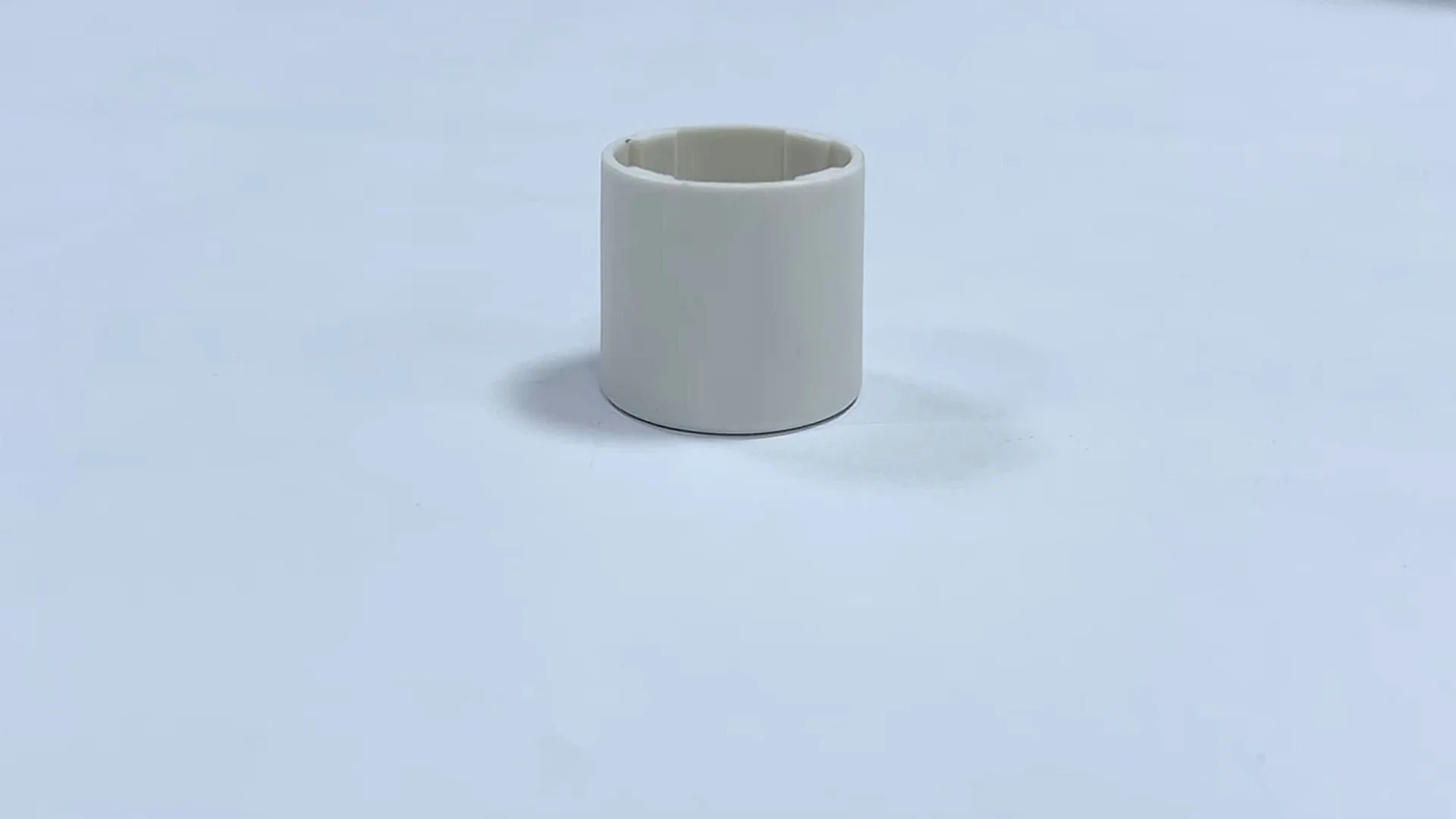
Plastic Pipe Sleeve
Plastic pipe sleeve to cover dia 28MM aluminum pipe end to contact with ground.
Walk into any busy warehouse, manufacturing plant, or distribution center, and you'll likely see a flurry of activity: workers maneuvering carts loaded with parts, boxes zipping along conveyor belts, and teams racing to meet tight deadlines. Amidst all this movement, there's an unsung hero quietly ensuring everything runs smoothly: the material cart. These workhorses of logistics carry everything from fragile electronics to heavy machinery components, but their reliability hinges on one critical factor: load stability. A wobbly cart can lead to damaged goods, workplace injuries, or delayed shipments—all of which eat into profits and productivity. That's where plastic pipe sleeves come in. Often overlooked, these small but mighty components play a pivotal role in keeping heavy-duty material carts stable, secure, and ready for the demands of daily operations.
Understanding Heavy-Duty Material Carts: Beyond the Basics
Before diving into the specifics of plastic pipe sleeves, let's take a moment to appreciate what makes a heavy-duty material cart tick. At first glance, it might seem like a simple structure—pipes, joints, wheels, and a platform—but every component is carefully engineered to work together. For many modern carts, the backbone is lean pipe (also known as "lean tube"), a lightweight yet durable material that's become a staple in lean manufacturing systems. Lean pipe is versatile, easy to assemble, and customizable, making it ideal for building carts that adapt to changing needs. But even the strongest lean pipe needs support to maintain stability, especially when hauling heavy loads.
The Role of Lean Pipe in Cart Construction
Lean pipe is typically made from steel coated with plastic or aluminum, offering a balance of strength and flexibility. It's joined together using connectors and joints to form the cart's frame, shelves, and handles. While lean pipe itself is robust, the joints where pipes meet are potential weak points. Over time, constant vibration from moving loads, frequent assembly/disassembly, and the stress of heavy weights can loosen these connections, leading to a wobbly cart. This is where plastic pipe sleeves step in: by reinforcing these joints, they add an extra layer of stability that keeps the frame rigid and secure.
Caster Wheels: The Unsung Heroes of Mobility
No material cart is complete without caster wheels —the components that turn a stationary platform into a mobile asset. Caster wheels come in various sizes, materials, and designs, from swivel wheels for easy maneuverability to heavy-duty locking wheels for stability during loading/unloading. But even the best caster wheels can't compensate for a shaky frame. If the cart's base is unstable, the wheels may wobble, causing the load to shift. Plastic pipe sleeves help here too by ensuring the cart's legs and base pipes remain firmly connected, providing a solid foundation for the casters to work from. A stable frame means the wheels roll smoothly, reducing strain on both the cart and the worker pushing it.
Roller Track: Ensuring Smooth Load Movement
Many material carts also feature roller track —a series of small wheels or rollers mounted on the cart's shelves or platforms. Roller track allows for easy loading and unloading by letting items slide into place instead of requiring manual lifting. But for roller track to work effectively, the cart itself must be stable. If the cart rocks or tilts, items on the roller track can slide off or get stuck, leading to jams or damage. Plastic pipe sleeves help maintain the cart's structural integrity, ensuring the roller track stays level and aligned, even when the cart is in motion.
Plastic Pipe Sleeves: The Game-Changer for Stability
Now that we understand the basics of material cart design, let's focus on the star of the show: plastic pipe sleeves. These simple devices are essentially protective covers that fit over lean pipe joints, connectors, or exposed pipe ends. They're made from various types of plastic, each chosen for its unique properties, and they serve two primary purposes: reinforcing connections and protecting components. But their benefits go far beyond that—they're a cost-effective solution that enhances durability, reduces noise, and improves safety.
What Are Plastic Pipe Sleeves?
Plastic pipe sleeves are cylindrical or pieces of plastic designed to fit snugly over lean pipe or its joints. They can be rigid or flexible, depending on the application, and are often ribbed or textured to improve grip. Some sleeves are designed to slip over the pipe and stay in place via friction, while others use adhesives or clamps for a tighter fit. Their primary function is to distribute stress evenly across the joint, preventing loosening and reducing wear. They also act as a buffer between metal components, absorbing vibrations and minimizing noise—a welcome feature in busy warehouses where constant clanging can be a distraction.
Materials Matter: Why Plastic Stands Out
Plastic might not seem as tough as metal, but when it comes to pipe sleeves, it's the material of choice for several reasons. First, plastic is lightweight, adding minimal extra weight to the cart—important when every pound counts in load capacity. Second, it's resistant to corrosion, making it ideal for use in damp environments like cold storage facilities or outdoor yards. Third, plastic is flexible enough to absorb shocks, which helps protect both the cart and the load during transport. Common plastics used for pipe sleeves include:
- PVC (Polyvinyl Chloride): Affordable and durable, PVC sleeves are a popular choice for general-purpose use. They're resistant to chemicals and moisture, making them suitable for most indoor warehouses.
- Polyethylene (PE): More flexible than PVC, PE sleeves excel at absorbing vibrations. They're often used in carts that carry fragile items, as their flexibility helps prevent sudden jolts from damaging goods.
- Nylon: Known for its high strength and heat resistance, nylon sleeves are ideal for heavy-duty applications. They can withstand higher loads and temperatures than PVC or PE, making them a good fit for industrial settings.
Key Features: Flexibility, Durability, and Grip
Beyond material, plastic pipe sleeves offer several features that enhance their performance. Many are designed with a textured inner surface that grips the lean pipe, preventing slippage even when the cart is in motion. Some have flared ends to guide pipes into place during assembly, reducing installation time. Others are UV-resistant, making them suitable for outdoor use without fading or cracking. Perhaps most importantly, plastic sleeves are easy to replace—if one wears out, it can be swapped out in minutes, minimizing downtime.

How Plastic Pipe Sleeves Enhance Load Stability
Now that we know what plastic pipe sleeves are and why they're made from plastic, let's explore how they actually improve load stability. It's easy to underestimate their impact—after all, they're small compared to the cart itself—but their influence is far-reaching. From reducing vibration to distributing weight evenly, these sleeves address multiple stability challenges that plague material carts.
Reducing Vibration and Slippage
Every time a cart moves over uneven floors, hits a bump, or stops suddenly, it vibrates. Over time, these vibrations can loosen the nuts, bolts, and connectors that hold the lean pipe frame together. Loose joints mean a wobbly cart, and a wobbly cart means unstable loads. Plastic pipe sleeves act as a buffer, absorbing much of this vibration before it reaches the joints. Their flexible material dampens shocks, reducing the stress on connections and keeping them tight. Additionally, the textured grip of many sleeves prevents pipes from slipping within their joints, even when the cart is tilted or jostled. This is especially important for carts carrying irregularly shaped loads that might shift during transport.
Distributing Weight Evenly Across the Cart Frame
Heavy loads don't just test the strength of the cart's platform—they also stress the frame. Without proper support, the weight of a load can concentrate on specific joints, causing them to bend or break. Plastic pipe sleeves help distribute this weight more evenly by creating a larger contact area between pipes and connectors. Instead of the load resting on a small metal-to-metal point, the sleeve spreads the force across its surface, reducing the pressure on any single joint. This even distribution not only prevents structural damage but also makes the cart feel more balanced to the worker pushing it, reducing fatigue and the risk of injury.
Protecting Pipes and Extending Cart Lifespan
Material carts take a beating. They're pushed, pulled, loaded, unloaded, and sometimes even bumped into walls or other equipment. Over time, this wear and tear can scratch, dent, or weaken the lean pipe frame. Plastic sleeves act as a protective barrier, shielding the pipes from impacts and abrasions. For example, if a cart accidentally collides with a pallet rack, the sleeve will absorb much of the impact, preventing the pipe from bending or the joint from cracking. This protection extends the cart's lifespan, reducing the need for frequent replacements and saving money in the long run.

Choosing the Right Plastic Pipe Sleeve for Your Needs
Not all plastic pipe sleeves are created equal, and choosing the right one depends on your specific needs. Factors like the type of load you're carrying, the environment in which the cart operates, and the design of your lean pipe frame all play a role. Here's a guide to help you select the best sleeve for your material cart.
Size and Compatibility with Lean Pipe
The first step in choosing a sleeve is ensuring it fits your lean pipe. Sleeves come in various diameters to match common lean pipe sizes (e.g., 28mm, 30mm, or 40mm). A sleeve that's too small won't fit over the pipe, while one that's too large will slip and fail to provide stability. Most manufacturers list the compatible pipe size on the product label, so be sure to check before purchasing. If you're using custom or non-standard pipe sizes, some suppliers offer made-to-order sleeves—though these may cost more and take longer to deliver.
Environmental Considerations: Temperature, Chemical Exposure, and Moisture
The environment in which your cart operates should also influence your sleeve choice. For example:
- Cold Storage: If your cart is used in freezers or cold rooms, look for sleeves made from low-temperature-resistant plastic like polyethylene, which remains flexible even in sub-zero conditions. PVC can become brittle in cold weather, making it prone to cracking.
- Chemical Exposure: In facilities where carts come into contact with oils, solvents, or cleaning agents, opt for chemical-resistant sleeves (nylon is a good choice here). Avoid PVC sleeves, as some chemicals can degrade their plastic over time.
- Outdoor Use: For carts used outdoors, UV-resistant sleeves are a must to prevent fading and cracking from sun exposure. Nylon or polyethylene sleeves with UV stabilizers work well in these settings.
A Quick Comparison Table: Sleeve Types and Applications
| Sleeve Material | Best For | Pros | Cons |
|---|---|---|---|
| PVC | Indoor warehouses, light to medium loads, dry environments | Affordable, moisture-resistant, easy to install | Brittle in cold temperatures, not ideal for heavy loads |
| Polyethylene (PE) | Fragile loads, cold storage, vibration-prone environments | Flexible, shock-absorbent, low-temperature resistant | Less durable than nylon for heavy loads |
| Nylon | Heavy loads, industrial settings, chemical exposure | High strength, heat-resistant, chemical-resistant | More expensive than PVC or PE |

Installation Made Simple: Tips for Securing Plastic Pipe Sleeves
Installing plastic pipe sleeves is a straightforward process, but doing it correctly ensures they provide maximum stability. Here's a step-by-step guide to help you get it right, along with common mistakes to avoid.
Step-by-Step Guide for First-Time Installers
- Clean the Pipes and Joints: Before installing sleeves, wipe down the lean pipe and connectors with a clean, dry cloth to remove dust, grease, or debris. Any dirt trapped under the sleeve can cause slippage or uneven wear.
- Measure and Cut Sleeves (If Needed): Most sleeves come pre-cut to standard lengths, but if you need a custom size, use a sharp utility knife or pipe cutter to trim them. Make sure the cut is straight to ensure a snug fit.
- Slide the Sleeve Over the Joint: For friction-fit sleeves, simply slide them over the pipe joint until they're centered. For tighter fits, you can warm the sleeve slightly with a heat gun (on low setting) to make it more flexible—just be careful not to overheat and melt the plastic.
- Secure with Adhesive or Clamps (Optional): For heavy-duty applications, add a small amount of industrial adhesive to the inside of the sleeve before sliding it on. This creates a permanent bond that won't loosen over time. Alternatively, use hose clamps around the sleeve for a removable, adjustable option.
- Test the Fit: After installation, gently shake the cart or apply pressure to the joint to ensure the sleeve stays in place. If it slips, remove it, clean the pipe again, and try adding adhesive or a tighter clamp.
Common Mistakes to Avoid
Even simple installations can go wrong if you're not careful. Here are a few mistakes to watch out for:
- Overtightening Clamps: While it's tempting to crank down on clamps to keep sleeves secure, overtightening can crack or deform the plastic. Use just enough pressure to hold the sleeve in place without damaging it.
- Mismatched Sizes: Assuming "one size fits all" is a recipe for instability. Always check the sleeve's diameter against your pipe size before buying.
- Ignoring Wear and Tear: Sleeves don't last forever. Over time, they can crack, stretch, or lose their grip. Inspect sleeves regularly and replace any that show signs of damage—don't wait for a cart to fail before taking action.
Real-World Impact: Stories from the Warehouse Floor
To truly understand the value of plastic pipe sleeves, let's look at two real-world examples of how they've improved load stability and operational efficiency.
Case Study 1: Automotive Parts Distribution Center
A large automotive parts distributor was struggling with frequent damage to brake components during transport. The company used lean pipe carts with roller track shelves to move parts from the warehouse to the shipping dock, but the carts often wobbled, causing boxes to slide off the roller track and onto the floor. After inspecting the carts, the maintenance team noticed that many of the lean pipe joints were loose, leading to a shaky frame. They decided to install PVC plastic pipe sleeves on all joint connections, focusing on the base and roller track supports.
The results were dramatic: within two weeks, damage to brake components dropped by 40%. Workers reported that the carts felt "sturdier" and easier to push, and the warehouse manager noted a 25% reduction in time spent cleaning up spills or replacing damaged parts. The sleeves cost less than $5 per cart, making the solution highly cost-effective.
Case Study 2: Electronics Manufacturing Workbench Area
An electronics manufacturer used mobile workbench carts to transport circuit boards between assembly stations. These carts had lean pipe frames and caster wheels, but the delicate nature of the circuit boards meant even minor could cause solder joints to crack. The company tried adding foam padding to the shelves, but the carts themselves still wobbled, leading to occasional defects. After researching solutions, they switched to polyethylene pipe sleeves on all joints, citing the material's flexibility and shock-absorbing properties.
The change was immediate. The polyethylene sleeves reduced vibration by absorbing shocks from uneven floors, and the carts felt significantly more stable. Over six months, the defect rate due to transport damage dropped from 3% to 0.5%, saving the company thousands of dollars in rework costs. Workers also reported less fatigue, as the smoother-rolling carts required less effort to push.
Beyond Material Carts: Other Applications of Plastic Pipe Sleeves
While material carts are a primary use case, plastic pipe sleeves are versatile enough to enhance stability in other areas of the warehouse or factory. Here are a few additional applications where they shine:
Workbench Edge Protection
Workbenches built with lean pipe often have exposed edges that can scratch tools, damage parts, or even injure workers. Sliding plastic sleeves over these edges adds a soft, protective barrier. For example, a workbench used for assembling glass components could use PVC sleeves to prevent chips or cracks if a tool is accidentally dropped.
Roller Track Guide Rail Enhancement
Roller track systems (used on carts, conveyors, or shelving) rely on smooth, aligned rails to move items efficiently. If the rails are connected with metal joints, vibration can cause them to misalign, leading to jams. Plastic pipe sleeves placed over these joints reduce noise, absorb vibration, and keep the rails aligned, ensuring items glide smoothly without getting stuck.
Caster Wheel Mount Stability
Caster wheels are mounted to the cart's frame via metal brackets, and over time, these brackets can loosen due to vibration. Adding a plastic sleeve between the bracket and the cart's leg reinforces the connection, preventing the caster from wobbling. This is especially useful for heavy-duty carts that carry loads over 500 pounds, where stable casters are critical for safety.
The Future of Material Handling: Innovations in Lean Pipe and Sleeves
As manufacturing and logistics continue to evolve, so too do the tools and components that keep operations running smoothly. Plastic pipe sleeves are no exception—innovations in materials and design are making them even more effective at ensuring load stability. Here are a few trends to watch:
Biodegradable and Eco-Friendly Plastics
With sustainability becoming a top priority for many businesses, manufacturers are developing biodegradable plastic sleeves made from plant-based materials like cornstarch or sugarcane. These sleeves perform similarly to traditional plastics but break down naturally in landfills, reducing environmental impact. While they're currently more expensive, as demand grows, prices are expected to drop.
Integrated RFID Tags for Asset Tracking
Some companies are experimenting with embedding RFID (Radio-Frequency Identification) tags into plastic sleeves. These tags allow managers to track carts and their locations in real time using warehouse management software. If a cart is lost or misplaced, the RFID tag can be scanned to pinpoint its position, saving time and reducing downtime.
Custom-Molded Sleeves for Unique Joints
As material carts become more specialized, so do their frames. Custom-shaped joints (e.g., 135-degree angles or multi-way connectors) require sleeves that fit perfectly. 3D printing technology is making it easier to create custom-molded sleeves tailored to unique joint designs, ensuring a snug fit even for non-standard frames.
Conclusion: Investing in Stability for Long-Term Efficiency
In the fast-paced world of material handling, it's easy to focus on big-ticket items like conveyor systems or automated robots. But as we've explored, small components like plastic pipe sleeves can have a huge impact on operational efficiency, safety, and cost savings. By reinforcing lean pipe joints, absorbing vibration, distributing weight, and protecting against wear, these unassuming sleeves ensure heavy-duty material carts remain stable, reliable, and ready to tackle the demands of daily operations.
Whether you're managing a warehouse, a manufacturing plant, or a distribution center, investing in quality plastic pipe sleeves is a smart move. They're affordable, easy to install, and offer a high return on investment by reducing damage, minimizing downtime, and extending the life of your material carts. So the next time you see a material cart gliding smoothly across the warehouse floor, take a moment to appreciate the plastic pipe sleeves that are quietly keeping it—and your business—on track.