- Company Articles
- Products and Technology
- Product knowledge
- Plastic Pipe Sleeves for Medical Device Assembly: Anti-Microbial Features & Cleanroom Compliance

Plastic Pipe Sleeves for Medical Device Assembly: Anti-Microbial Features & Cleanroom Compliance
Related Product
Plastic Pipe Sleeve
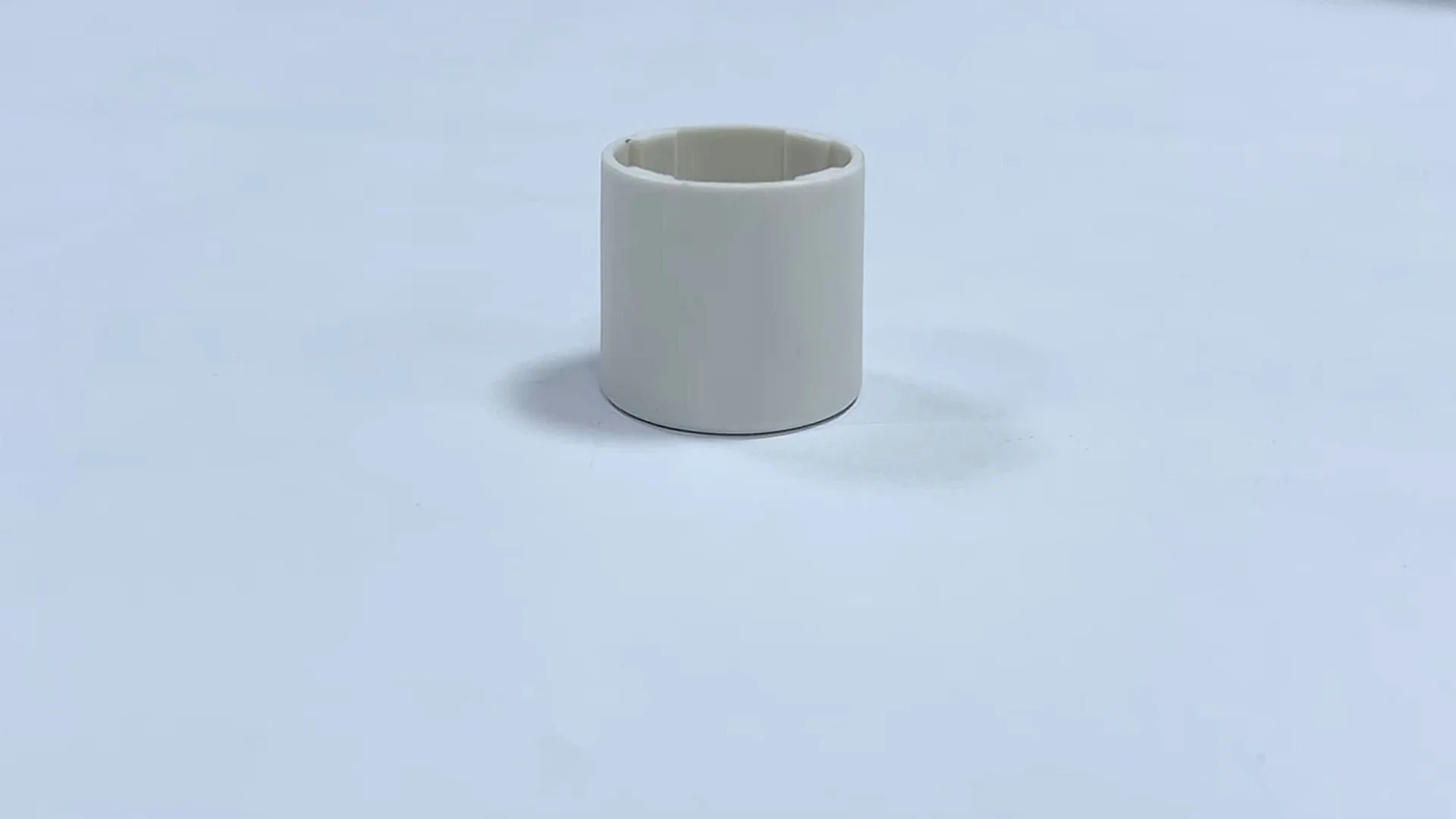
Plastic pipe sleeve to cover dia 28MM aluminum pipe end to contact with ground.
In the world of medical device manufacturing, precision isn't just a goal—it's a life-saving necessity. Every component, every assembly line, and every surface in the production environment plays a critical role in ensuring the safety and reliability of devices that end up in operating rooms, clinics, and patients' homes. Among these unsung heroes are the humble yet vital tools that shape the assembly process itself: plastic pipe sleeves. Often overlooked, these unassuming components are quietly revolutionizing how medical device manufacturers approach cleanliness, compliance, and efficiency—especially in the high-stakes realm of cleanroom assembly.
At first glance, a plastic pipe sleeve might seem like a simple piece of hardware, but in reality, it's a carefully engineered solution designed to address two of the most pressing challenges in medical device assembly: microbial contamination and strict cleanroom regulations. For manufacturers, the choice of materials in their assembly systems—from workbenches to conveyor rails—can mean the difference between passing a surprise FDA inspection and facing costly delays. That's where plastic pipe sleeves, particularly those integrated with lean systems, step in as a game-changer.
The Critical Role of Assembly Environments in Medical Device Safety
Medical devices, whether they're surgical instruments, diagnostic equipment, or implantable devices, demand an assembly environment that leaves no room for error. Even a single microbial colony or a tiny particle of dust can compromise sterility, leading to infections, product recalls, or worse. According to the FDA, contaminated medical devices are a leading cause of adverse events in healthcare settings, with over 1,000 reported incidents annually related to manufacturing flaws. This statistic underscores why cleanroom compliance and anti-microbial measures aren't just box-checking exercises—they're foundational to patient safety.
Cleanrooms, where most medical device assembly takes place, are classified by ISO standards (e.g., ISO 14644) based on the number of particles allowed per cubic meter of air. For example, an ISO 7 cleanroom (common in device assembly) permits no more than 352,000 particles of 0.5μm or larger per cubic meter. To maintain this level of cleanliness, every surface in the cleanroom must be non-shedding, easy to sanitize, and resistant to the harsh chemicals used in daily cleaning protocols. Traditional materials like untreated aluminum or stainless steel, while durable, can develop microscopic crevices over time where bacteria hide, or may require frequent polishing to prevent corrosion—both of which risk introducing contaminants.
Plastic Pipe Sleeves: Engineered for Anti-Microbial Defense
Enter plastic pipe sleeves: a material designed with the unique demands of medical assembly in mind. Unlike their metal counterparts, modern plastic sleeves are formulated with embedded anti-microbial additives that actively inhibit the growth of bacteria, fungi, and other pathogens. The most common additive is silver ion technology, which works by disrupting the cellular membranes of microbes, preventing them from reproducing. Studies have shown that silver-infused plastic can reduce bacterial counts by up to 99.9% within 24 hours of exposure, making it a powerful ally in the fight against contamination.
But anti-microbial protection isn't just about additives—it's also about design. Plastic pipe sleeves are typically smooth, with no seams or porous surfaces, eliminating hiding spots for microbes. This smoothness also makes them incredibly easy to clean: a quick wipe with isopropyl alcohol or hydrogen peroxide (common cleanroom disinfectants) is often enough to remove surface contaminants, reducing the time and labor spent on maintenance. Compare this to aluminum or stainless steel, which may require specialized brushes or ultrasonic cleaning to reach into joints or scratches, and the efficiency benefits become clear.
Another key advantage is chemical resistance. Medical cleanrooms rely on aggressive cleaning agents to maintain sterility, and plastic pipe sleeves are engineered to withstand prolonged exposure to these chemicals without degrading, cracking, or leaching harmful substances. This resistance ensures that the sleeves maintain their structural integrity and anti-microbial properties over time, even with daily cleaning regimens.

Cleanroom Compliance: How Plastic Sleeves Meet the Strictest Standards
Cleanroom compliance isn't just about keeping things clean—it's about proving it. Regulatory bodies like the FDA and ISO require manufacturers to document that all materials used in the assembly environment meet specific criteria for particle emission, chemical resistance, and biocompatibility. Plastic pipe sleeves excel in these areas, making them a compliance-friendly choice.
First, particle emission: plastic sleeves are non-shedding by nature. Unlike some metals, which can flake or corrode, high-quality plastic sleeves (such as those made from medical-grade polyethylene or polypropylene) do not release particles into the air, even after repeated use. This is critical for maintaining ISO cleanroom classifications, as airborne particles are a primary concern. Manufacturers can provide certification that their plastic sleeves meet ISO 10993 standards for biocompatibility, ensuring that they don't leach harmful substances into the environment or come into contact with sensitive medical components.
Additionally, plastic pipe sleeves are often color-coded for cleanroom zones, which helps prevent cross-contamination between different areas of the assembly line. For example, plastic roller track guide rail yellow might be used in non-sterile prep areas, while plastic roller track guide rail grey could be designated for sterile assembly zones. This visual cue reduces human error and streamlines audits, as inspectors can quickly verify that materials are used in their designated areas.
| Material | Anti-Microbial Properties | Cleanroom Suitability (ISO 7/8) | Chemical Resistance | Maintenance Requirements | Cost (Relative) |
|---|---|---|---|---|---|
| Plastic Pipe Sleeves (Anti-Microbial) | High (99.9% bacterial reduction with silver ions) | Excellent (non-shedding, color-coded) | High (resistant to alcohols, peroxides, quaternary ammonium compounds) | Low (simple wipe-down with disinfectants) | Moderate |
| Aluminum Pipe | Low (no inherent anti-microbial properties; may require coatings) | Good (but prone to scratching; may shed particles if corroded) | Moderate (resistant to some chemicals, but can oxidize with strong acids) | High (regular polishing to prevent oxidation; crevices require deep cleaning) | High |
| Stainless Steel Pipe | Low (passive resistance, but no active inhibition) | Good (non-porous, but heavy; difficult to reconfigure) | High (resistant to most chemicals) | Moderate (prone to fingerprint residue; requires frequent wiping) | Very High |

Integration with Lean Systems: Flexibility Meets Compliance
In addition to their anti-microbial and cleanroom benefits, plastic pipe sleeves are a natural fit for lean system principles, which emphasize minimizing waste, maximizing efficiency, and continuous improvement. Medical device manufacturers are increasingly adopting lean manufacturing to reduce costs and accelerate production, and plastic sleeves play a key role in this transition.
Lean systems thrive on modularity and flexibility—two areas where plastic pipe sleeves shine. Unlike rigid metal structures, plastic sleeves are lightweight and easy to reconfigure, allowing assembly lines to be adapted quickly to new product designs or changing production needs. For example, using lean pipe joints , manufacturers can assemble custom workbenches, flow racks, or conveyor systems in hours, not days, reducing downtime and improving responsiveness. This flexibility is especially valuable in medical device manufacturing, where product lifecycles are often short, and customization is common.
Waste reduction is another lean principle that plastic sleeves support. Their lightweight design reduces the energy required to transport and install them, while their durability (many have a lifespan of 5–7 years with proper care) minimizes the need for frequent replacements. Additionally, the smooth surface of plastic sleeves reduces friction in conveyor systems, which means less wear and tear on motors and other components—translating to lower maintenance costs and fewer production interruptions.
Consider a case study: a mid-sized medical device manufacturer producing surgical tools was struggling with high costs and compliance issues using traditional aluminum workbenches. The aluminum surfaces were prone to scratching, creating harborage points for bacteria, and reconfiguring the assembly line for new tool designs took weeks. After switching to plastic pipe sleeves with anti-microbial properties and lean pipe joints, the manufacturer saw a 30% reduction in cleaning time, a 15% decrease in product defects related to contamination, and was able to reconfigure workstations in a matter of days. Perhaps most importantly, they passed their next FDA inspection with zero observations—a testament to the sleeves' compliance benefits.

Beyond the Sleeve: Supporting Components for a Holistic Solution
While plastic pipe sleeves are the stars of the show, their effectiveness is enhanced by complementary components that round out the assembly system. For example, plastic roller track guide rail yellow and grey variants are often paired with roller track connectors and end supports to create seamless conveyor systems that move components through the assembly process without jamming or generating particles. These guide rails are designed to fit precisely with plastic pipe sleeves, ensuring a tight, non-shedding connection that meets cleanroom standards.
Casters and accessories are another critical piece of the puzzle. Medical assembly lines often require mobile workstations to adapt to changing workflows, and plastic pipe sleeves paired with anti-microbial casters (with sealed bearings to prevent particle emission) allow for easy movement without compromising cleanliness. Similarly, caster accessories like brake locks ensure that workstations stay in place during critical assembly steps, reducing the risk of human error.
Future Trends: Innovations in Anti-Microbial Technology and Sustainability
As medical device manufacturing evolves, so too do the demands on plastic pipe sleeves. One emerging trend is the integration of smart materials, such as sensors embedded in the sleeves that can detect microbial growth in real time, alerting operators to potential contamination before it becomes a problem. While still in the prototype stage, these "smart sleeves" could revolutionize proactive contamination control.
Sustainability is another growing concern. Manufacturers are developing bio-based plastic sleeves made from renewable resources (like plant-derived polymers) that maintain anti-microbial properties while reducing environmental impact. These sleeves are fully recyclable at the end of their lifespan, aligning with the industry's push toward greener manufacturing practices.
Finally, customization is becoming more accessible. Suppliers now offer plastic pipe sleeves in a range of colors, sizes, and anti-microbial formulations, allowing manufacturers to tailor solutions to their specific needs—whether that's a sleeve optimized for use with MRI machines (which require non-metallic components) or one designed for high-temperature autoclaving processes.
Conclusion: Why Plastic Pipe Sleeves Are Here to Stay
In the high-pressure world of medical device assembly, where compliance, safety, and efficiency are non-negotiable, plastic pipe sleeves have emerged as a critical tool. Their unique combination of anti-microbial protection, cleanroom compliance, and compatibility with lean systems makes them an indispensable asset for manufacturers looking to stay ahead of regulations and reduce risk.
From their silver-ion infused surfaces that fight bacteria to their smooth, non-shedding design that meets the strictest ISO standards, plastic pipe sleeves are more than just a material choice—they're a commitment to patient safety. And as technology advances, their role will only grow, with innovations like smart sensors and sustainable materials poised to take them to the next level.
For medical device manufacturers, the message is clear: when it comes to building assembly systems that are clean, compliant, and efficient, plastic pipe sleeves aren't just an option—they're the future. And in an industry where every detail matters, that future looks brighter, safer, and more innovative than ever.