- Company Articles
- Products and Technology
- Product knowledge
- Plastic Pipe Sleeves for Rotating Lean Joints: Reducing Noise and Wear During Movement

Plastic Pipe Sleeves for Rotating Lean Joints: Reducing Noise and Wear During Movement
Related Product
Plastic Pipe Sleeve
Plastic pipe sleeve to cover dia 28MM aluminum pipe end to contact with ground.
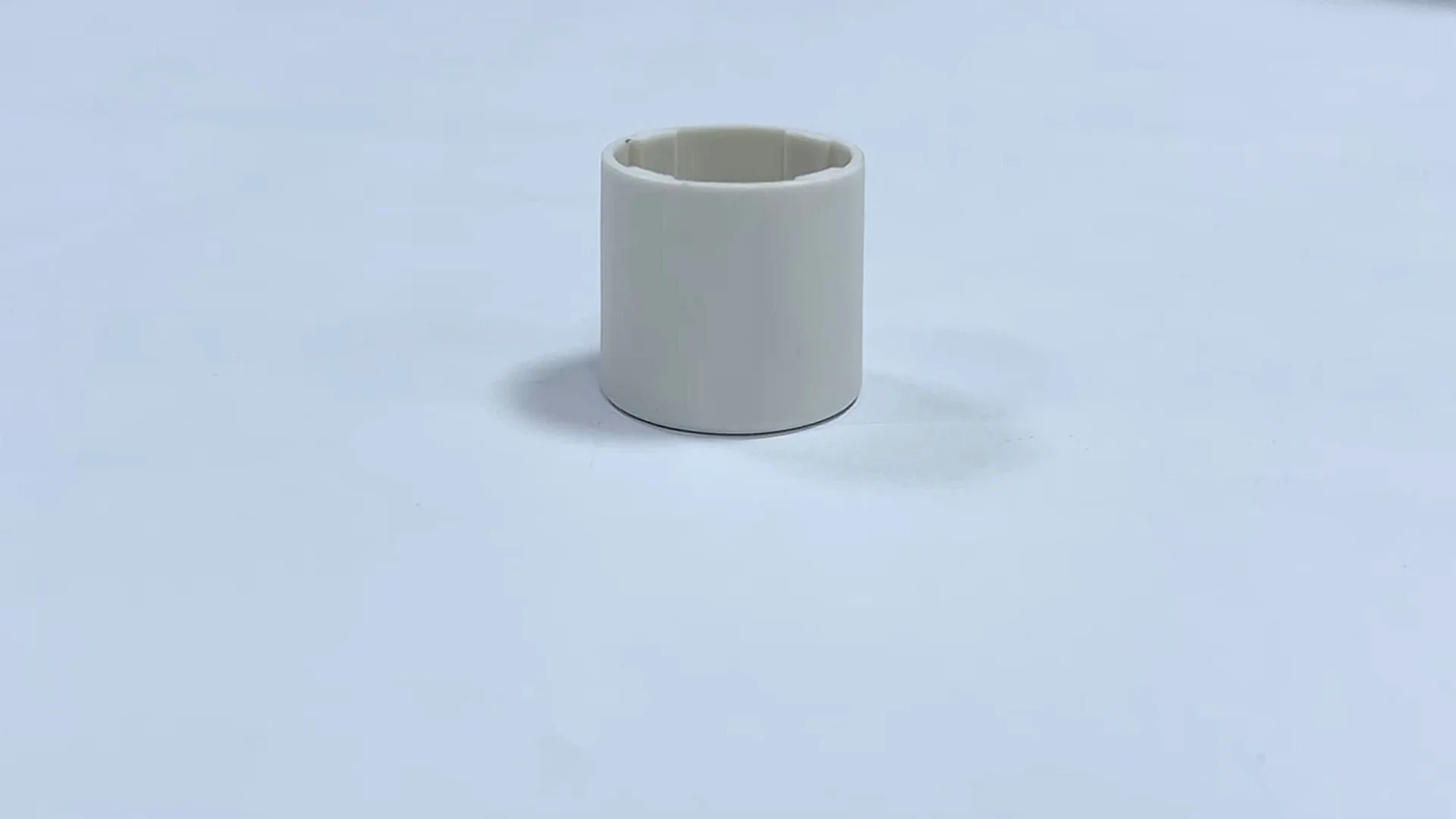
Walk through any busy manufacturing plant, and you'll hear it—the constant hum of machinery, the clatter of products moving along conveyor belts, and beneath it all, a persistent, grating noise: the sound of metal lean pipe joints rotating against each other. It's the kind of noise that makes workers raise their voices to communicate, that dulls focus after hours on the job, and that, over time, wears down the very joints keeping the production line moving. But what if there was a simple, affordable solution to quiet that noise and extend the life of those hardworking joints? Enter plastic pipe sleeves—a small component with a big impact on lean systems everywhere.
The Hidden Costs of Unprotected Rotating Lean Joints
Lean pipe systems are the backbone of efficient production lines. From workbenches to material racks, from turnover trolleys to flow racks, these systems rely on lean pipe joints to connect aluminum or steel pipes, allowing for flexibility and quick reconfiguration. But when those joints rotate—whether as part of a moving trolley, a swiveling workbench, or a sliding flow rack—unprotected metal-on-metal contact creates two major problems: noise and wear.
Noise Pollution on the Factory Floor
Excessive noise isn't just an annoyance; it's a productivity killer. OSHA standards recommend keeping workplace noise below 85 decibels (dB) to prevent hearing damage, but unprotected rotating joints can push that limit—especially in tight spaces with multiple moving parts. Imagine a line of material racks where each pull of a bin triggers a screech from the lean pipe joint. Workers strain to hear instructions, errors increase due to miscommunication, and over time, fatigue sets in. Studies show that chronic exposure to high noise levels can also raise stress hormones, leading to higher turnover and lower job satisfaction.
Excessive noise isn't just an annoyance; it's a productivity killer. OSHA standards recommend keeping workplace noise below 85 decibels (dB) to prevent hearing damage, but unprotected rotating joints can push that limit—especially in tight spaces with multiple moving parts. Imagine a line of material racks where each pull of a bin triggers a screech from the lean pipe joint. Workers strain to hear instructions, errors increase due to miscommunication, and over time, fatigue sets in. Studies show that chronic exposure to high noise levels can also raise stress hormones, leading to higher turnover and lower job satisfaction.
Wear and Tear: The Silent Productivity Drain
Beyond noise, metal-on-metal friction wears down joint surfaces. Tiny metal shavings chip off, creating rough edges that make rotation even noisier and less smooth. Eventually, the joint becomes loose, leading to wobbly workbenches, stuck flow racks, or trolleys that jam. The result? Downtime for repairs, unexpected replacement costs, and the risk of accidents if a weakened joint fails. For lean system managers, this is a double whammy: not only do they spend more on parts, but they lose valuable production time—precisely what lean principles aim to eliminate.
Beyond noise, metal-on-metal friction wears down joint surfaces. Tiny metal shavings chip off, creating rough edges that make rotation even noisier and less smooth. Eventually, the joint becomes loose, leading to wobbly workbenches, stuck flow racks, or trolleys that jam. The result? Downtime for repairs, unexpected replacement costs, and the risk of accidents if a weakened joint fails. For lean system managers, this is a double whammy: not only do they spend more on parts, but they lose valuable production time—precisely what lean principles aim to eliminate.
What Are Plastic Pipe Sleeves, and How Do They Work?
Plastic pipe sleeves are simple, cylindrical covers made from durable polymers like nylon, polyethylene, or polypropylene. Designed to fit snugly over lean pipe joints, they act as a buffer between moving metal parts. Think of them as a "shock absorber" for rotation—when the joint moves, the plastic (not metal) bears the brunt of the friction.
These sleeves come in various sizes to match common lean pipe diameters (like 1-inch or 0.5-inch) and are often color-coded for easy identification. Some are smooth for fast rotation, while others have textured surfaces for better grip in high-load applications. The best part? They're lightweight, corrosion-resistant, and compatible with most standard lean pipe joints—no need to overhaul your entire system to upgrade.

Key Benefits: Why Plastic Pipe Sleeves Are a Lean Game-Changer
Plastic pipe sleeves might seem, but their impact on daily operations is significant. Here's how they deliver value:
- Quieter Workspaces: By cushioning metal contact, plastic sleeves reduce noise by 30-50% in most cases. A manufacturing plant in Ohio reported that after installing sleeves on their material rack joints, noise levels dropped from 82 dB to 65 dB—well below OSHA limits. Workers noted they could finally hear each other without shouting, and error rates on the line decreased by 15%.
- Longer-Lasting Joints: The plastic acts as a barrier, preventing metal wear and corrosion. In a 12-month study by a lean system supplier, joints with plastic sleeves lasted 3x longer than unprotected ones. This translates to fewer replacements, lower maintenance costs, and less downtime.
- Smoother Movement: Plastic's low friction coefficient means joints rotate more smoothly. Trolleys glide easier, flow racks feed products without jamming, and workbenches adjust with minimal effort. This not only speeds up tasks but reduces worker fatigue—especially important for repetitive motions like pushing trolleys or adjusting work surfaces.
- Cost-Effective: At just a few dollars per sleeve, they're a fraction of the cost of replacing a worn joint. A mid-sized factory with 100 rotating joints could save $2,000+ annually in replacement parts alone, not counting the value of avoided downtime.
- Easy to Install and replace: No special tools required—simply slide the sleeve over the joint. If it wears out (after 1-2 years, depending on use), swap it out in 30 seconds. This makes them ideal for lean systems, where quick adjustments are part of the daily routine.

Comparing Solutions: Why Plastic Sleeves Outperform Alternatives
You might be wondering: Why not use rubber sleeves or metal coatings instead? Let's break down the options:
| Solution | Noise Reduction | Wear Resistance | Cost (Per Unit) | Installation Ease | Best For |
|---|---|---|---|---|---|
| Unprotected Metal Joints | None | Poor (wears quickly) | $0 (but high replacement costs) | N/A | Temporary setups with minimal movement |
| Rubber Sleeves | High (40-60%) | Low (breaks down in 6-8 months) | $2-3 | Easy (stretchy fit) | Low-load, low-temperature environments |
| Metal Coatings (e.g., Teflon) | Moderate (10-20%) | High (but expensive to apply) | $15-20 per joint (professional application) | Hard (requires removing joint) | Heavy-load, high-heat industrial use |
| Plastic Pipe Sleeves | High (30-50%) | High (1-2 year lifespan) | $1-4 | Very easy (slide-on fit) | Most lean systems (workbenches, trolleys, flow racks) |
As the table shows, plastic pipe sleeves strike the perfect balance of performance and affordability for most lean environments. They're not just a "good enough" solution—they're the smart choice for teams prioritizing both worker well-being and bottom-line results.
Case Study: How a Automotive Parts Plant Cut Costs with Plastic Sleeves
A mid-sized automotive parts manufacturer in Michigan was struggling with frequent breakdowns in their assembly line flow racks. The rotating lean pipe joints connecting the roller tracks were wearing out every 3 months, costing $1,200 in replacement parts and 8 hours of downtime per month. Noise levels near the racks hit 88 dB, leading to two OSHA complaints.
The plant's lean coordinator decided to test plastic pipe sleeves on 20 critical joints. Within a week, workers reported the noise was "noticeably quieter." After 6 months, the joints showed minimal wear, and replacements dropped to zero. The total cost for sleeves? $80 (40 sleeves at $2 each). The plant now uses sleeves on all rotating joints, saving over $14,000 annually in parts and downtime—and the noise complaints? Gone.

Installation and Maintenance: Making the Switch Simple
Adding plastic pipe sleeves to your lean system is a breeze. Here's how to do it in 3 steps:
- Clean the Joint: Wipe the lean pipe joint with a dry cloth to remove dirt, grease, or metal shavings. A clean surface ensures the sleeve fits snugly.
- select the Right Size: Match the sleeve diameter to your pipe (e.g., 1-inch sleeves for 1-inch lean pipe). Most sleeves are slightly flexible, so they'll stretch to fit without cracking.
- Slide and Secure: Push the sleeve over the joint until it covers the rotating surfaces. For high-movement joints, add a drop of industrial adhesive (like Loctite) to keep the sleeve in place—though in most cases, friction alone holds it steady.
Maintenance Tips
To get the most out of your sleeves:
To get the most out of your sleeves:
- Inspect monthly for cracks or stretching—replace any damaged sleeves immediately.
- Wipe sleeves with a damp cloth to remove debris that could scratch the surface.
- For outdoor or high-moisture environments, choose UV-resistant plastic sleeves to prevent sun damage.
Choosing the Right Plastic Pipe Sleeve for Your Needs
Not all sleeves are created equal. Here's what to consider when shopping:
Material Matters
Nylon sleeves are best for high-load applications (like heavy-duty trolleys) because they're rigid and wear-resistant. Polyethylene sleeves are more flexible, making them ideal for joints that need to swivel or bend. For food-grade environments (like packaging lines), look for FDA-approved plastic sleeves to avoid contamination.
Nylon sleeves are best for high-load applications (like heavy-duty trolleys) because they're rigid and wear-resistant. Polyethylene sleeves are more flexible, making them ideal for joints that need to swivel or bend. For food-grade environments (like packaging lines), look for FDA-approved plastic sleeves to avoid contamination.
Size and Fit
Measure your lean pipe diameter before buying—sleeves that are too loose will slip off, while tight ones may crack during installation. Most suppliers list sleeve sizes by pipe diameter (e.g., "1-inch plastic pipe sleeve for lean pipe joint"), so double-check the specs.
Measure your lean pipe diameter before buying—sleeves that are too loose will slip off, while tight ones may crack during installation. Most suppliers list sleeve sizes by pipe diameter (e.g., "1-inch plastic pipe sleeve for lean pipe joint"), so double-check the specs.
Color Coding for Efficiency
Some suppliers offer colored sleeves (yellow, grey, black) to help organize your system. For example, use yellow sleeves for high-priority joints that need monthly checks, or black ESD (electrostatic discharge) sleeves for electronics assembly lines where static control is critical.
Some suppliers offer colored sleeves (yellow, grey, black) to help organize your system. For example, use yellow sleeves for high-priority joints that need monthly checks, or black ESD (electrostatic discharge) sleeves for electronics assembly lines where static control is critical.
The Bottom Line: Small Sleeves, Big Lean Wins
In the world of lean manufacturing, success lies in the details. Plastic pipe sleeves might seem small, but they address two of the biggest hidden costs in lean systems: noise and wear. By quieting the factory floor, extending joint life, and slashing maintenance costs, they're a simple way to boost productivity, improve worker satisfaction, and stay true to lean principles—all without breaking the bank.
So, the next time you walk past that noisy flow rack or wobbly trolley, remember: the solution might be as close as a plastic pipe sleeve. It's not just a part upgrade—it's a step toward a smarter, quieter, and more efficient lean system.