- Company Articles
- Products and Technology
- Product knowledge
- Plastic Pipe Sleeves for Warehousing Logistics: Securing Loads on Material Handling Carts

Plastic Pipe Sleeves for Warehousing Logistics: Securing Loads on Material Handling Carts
Related Product
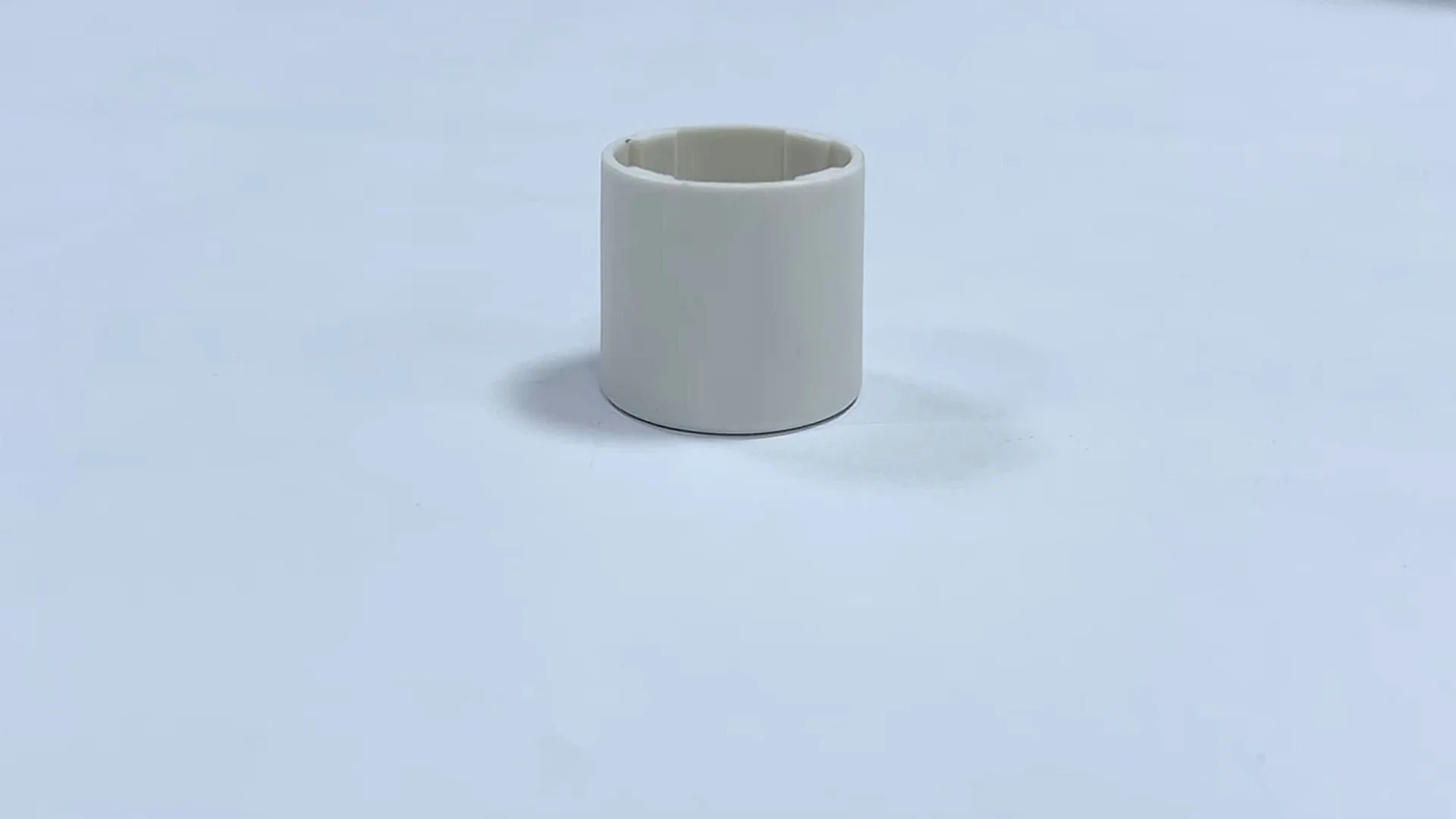
Plastic Pipe Sleeve
Plastic pipe sleeve to cover dia 28MM aluminum pipe end to contact with ground.
In the fast-paced world of warehousing and logistics, every second counts. From the moment a shipment arrives to the minute it's loaded onto a truck for delivery, efficiency and safety are the name of the game. One of the most overlooked yet critical components in this ecosystem? The humble material handling cart. These workhorses—whether they're turnover trolleys, roller racks, or mobile workbenches—carry everything from small electronic components to heavy machinery parts. But here's the thing: if the loads on these carts shift, slide, or topple, the consequences can be costly: damaged goods, delayed shipments, and even workplace injuries. That's where plastic pipe sleeves step in. Often seen as a simple accessory, these unassuming tools play a starring role in keeping loads secure, streamlining operations, and upholding the principles of lean systems. Let's dive into how plastic pipe sleeves are transforming load security on material handling carts, and why they've become a must-have for modern warehouses.
What Are Plastic Pipe Sleeves, Anyway?
Before we get into their role in logistics, let's start with the basics. Plastic pipe sleeves are exactly what they sound like: flexible, durable tubes made from materials like PVC (polyvinyl chloride), polyethylene, or polypropylene, designed to slide over metal, aluminum, or stainless steel pipes. They come in various lengths, diameters, and thicknesses, and some are even color-coded for easy identification (think yellow for high-visibility areas or grey for standard use). But don't let their simplicity fool you—these sleeves are engineered to solve a specific problem: protecting both the pipes they cover and the items that come into contact with them.
Walk into any busy warehouse, and you'll spot metal pipes everywhere: on the frames of turnover trolleys, the edges of flow racks, the handles of mobile carts, and even the supports of workbenches. Over time, these metal surfaces can become scratched, dented, or corroded, especially with constant use. Worse, sharp edges or rough patches on these pipes can snag on packaging, scratch delicate parts, or even tear through boxes, leading to damaged inventory. Plastic pipe sleeves act as a buffer, softening the contact between the metal and the load. But their biggest job? Preventing slippage. Unlike cold, smooth metal, plastic sleeves have a slightly textured surface that adds friction, keeping boxes, bins, and parts from sliding around as carts are pushed, pulled, or turned.
The Hidden Cost of Unsecured Loads in Lean Systems
In warehousing, "lean" isn't just a buzzword—it's a philosophy centered on eliminating waste, optimizing flow, and maximizing value. Lean systems thrive on efficiency: every step should add value, and every resource (time, labor, materials) should be used wisely. But here's a waste that often flies under the radar: load instability on material handling carts. When items shift during transport, workers have to stop, rearrange the load, and double-check for damage—wasting precious minutes that could be spent on more productive tasks. In a facility handling hundreds of carts daily, those minutes add up to hours of lost productivity.
Then there's the cost of damaged goods. A study by the Material Handling Industry (MHI) found that up to 2% of all warehouse inventory is damaged during handling, with a significant portion of that damage occurring on material handling carts. For a warehouse moving $10 million worth of goods annually, that's $200,000 in losses—all preventable. And let's not forget safety: a cart with a shifting load is a tipping hazard. If a heavy box slides off, it could injure a worker or damage equipment, leading to downtime, workers' compensation claims, and a hit to team morale. In short, unsecured loads are the antithesis of lean—they create waste, increase costs, and disrupt flow. Plastic pipe sleeves address all these issues by keeping loads in place, reducing damage, and cutting down on interruptions.

Plastic Pipe Sleeves and Turnover Trolleys: A Match Made in Logistics Heaven
If material handling carts are the workhorses of the warehouse, turnover trolleys are the sprinters. These lightweight, mobile carts are designed for quick, frequent transfers of goods—think moving parts from the receiving dock to the assembly line, or finished products from the packing station to the shipping area. They're often equipped with shelves, bins, or flat surfaces, and rely on smooth-rolling caster wheels to navigate tight aisles. But their agility comes with a trade-off: they're more prone to sudden movements, which can jostle loads. That's where plastic pipe sleeves become indispensable.
Take a standard turnover trolley with a metal frame. Its vertical supports and horizontal rails are typically made of steel or aluminum pipe—strong, but slippery. Load a few boxes onto the lower shelf, push the trolley around a corner, and those boxes might slide into the metal rails, leaving scuff marks or even cracks. Now, add plastic pipe sleeves to those rails. The textured plastic surface grips the boxes, preventing them from shifting. Even better, the sleeves cushion the impact if a box does bump into the rail, reducing the risk of damage. Warehouses that use plastic pipe sleeves on their turnover trolleys report up to 40% fewer load-related incidents, according to a 2024 survey by the Warehousing Education and Research Council (WERC).
But it's not just about preventing damage. Turnover trolleys often share space with workers, forklifts, and other equipment. A box that slides off a trolley could land in a walkway, creating a tripping hazard. By keeping loads secure, plastic pipe sleeves contribute to a safer work environment, aligning with another core tenet of lean systems: respect for people. When workers don't have to worry about loads shifting, they can focus on moving quickly and confidently, boosting both efficiency and job satisfaction.

Types of Plastic Pipe Sleeves: Choosing the Right One for Your Carts
Not all plastic pipe sleeves are created equal. To get the most out of them, you need to match the sleeve to the job. Factors like the type of load (heavy vs. light, fragile vs. durable), the material of the cart's pipes (steel, aluminum, stainless steel), and the environment (cold storage, high-moisture areas, or ESD-sensitive zones) all play a role. Let's break down the most common types and their best uses:
| Sleeve Type | Material | Thickness (mm) | Color Options | Load Capacity (per sleeve) | Best For |
|---|---|---|---|---|---|
| Standard PVC Sleeve | PVC | 1.5–3.0 | Yellow, Grey, Black | Up to 50 kg | General-purpose use on turnover trolleys, light to medium loads (e.g., boxes of electronics, small parts bins) |
| Heavy-Duty Polyethylene Sleeve | Polyethylene | 3.0–5.0 | Black, Blue | Up to 150 kg | Heavy loads (e.g., machinery components, metal parts), carts with frequent use in rough environments |
| Anti-Static ESD Sleeve | ESD-safe PVC | 2.0–4.0 | Pink, Grey | Up to 80 kg | ESD-sensitive areas (e.g., electronics manufacturing, semiconductor facilities), prevents static buildup that could damage circuit boards |
| Low-Temperature Polypropylene Sleeve | Polypropylene | 2.5–4.5 | White, Clear | Up to 100 kg | Cold storage warehouses (e.g., food, pharmaceuticals), remains flexible in temperatures as low as -20°C |
For example, if your warehouse primarily moves small electronic components on turnover trolleys, anti-static ESD sleeves (in pink or grey) would be a smart choice—they prevent static electricity from building up on the metal pipes, which could otherwise fry sensitive chips. On the other hand, if you're pushing heavy engine parts around a manufacturing facility, heavy-duty polyethylene sleeves (black or blue) with a 5mm thickness would stand up to the weight and friction. And for cold storage warehouses, low-temperature polypropylene sleeves won't crack or become brittle in freezing conditions, ensuring they last longer than standard PVC.

Installation Tips: Getting the Perfect Fit for Maximum Grip
Even the best plastic pipe sleeve won't work well if it's installed incorrectly. A sleeve that's too loose will slide around on the pipe, defeating the purpose of adding friction. One that's too tight might tear when you try to install it, or it could compress the pipe, making it difficult to remove later for replacement. Here's how to get it right:
1. Measure Twice, Cut Once
Start by measuring the diameter of the pipe you're covering. Most material handling carts use pipes with diameters ranging from 16mm (⅝ inch) to 32mm (1¼ inches). Use a caliper or a tape measure to get the exact outer diameter (OD) of the pipe. Then, choose a sleeve with an inner diameter (ID) that's 1–2mm larger than the pipe's OD. This ensures a snug fit without being too tight. For example, a 25mm OD pipe would pair well with a sleeve that has a 26–27mm ID.
2. Clean the Pipe Surface
Before sliding the sleeve on, wipe the pipe clean with a cloth and mild detergent to remove dirt, grease, or rust. Any debris between the pipe and the sleeve can cause the sleeve to shift over time. For metal pipes with rough spots or burrs, use a fine-grit sandpaper to smooth the surface—this prevents the sleeve from tearing during installation.
3. Use Heat for Tighter Fits (If Needed)
If you're working with a sleeve that's a tight fit (e.g., in cold weather, when plastic can shrink slightly), warm the sleeve in hot water (not boiling!) for 30 seconds to soften it. This makes it easier to stretch over the pipe. Once in place, the sleeve will cool and contract, creating a secure bond.
4. Secure with Adhesive (For Permanent Installs)
For sleeves that will be on high-use carts or in areas with heavy vibration (like near conveyor belts), add a small amount of industrial-grade adhesive (e.g., cyanoacrylate or epoxy) to the inside of the sleeve before installing. This prevents it from sliding over time. Just be sure to let the adhesive cure completely (follow the manufacturer's instructions) before using the cart.
How Plastic Pipe Sleeves Work with Caster Wheels to Stabilize Loads
Material handling carts don't move on their own—they rely on caster wheels to glide across warehouse floors. Caster wheels are designed for smooth movement, but they can also contribute to load shifting, especially during turns or when rolling over uneven surfaces (like cracks in concrete or transition strips between floors). Swivel casters, in particular, allow carts to pivot quickly, but that agility can cause the load to swing if it's not secured. This is where plastic pipe sleeves and caster wheels become a dynamic duo.
Think about it: when a cart with swivel casters makes a sharp turn, the load tends to inertia—wanting to keep moving in the original direction. Without a secure grip, boxes or bins might slide toward the outer edge of the cart. But with plastic pipe sleeves on the cart's side rails and crossbars, the added friction acts like a "seatbelt" for the load. The sleeves grip the sides of the boxes, preventing them from sliding outward. This not only protects the load but also reduces stress on the caster wheels. When loads are evenly distributed and stable, the casters roll more smoothly, wear down less quickly, and require less force to push—saving workers from strain and extending the life of the cart.
Even fixed casters (which don't swivel) benefit from sleeves. When a cart with fixed casters hits a bump, the upward jolt can cause the load to bounce. Plastic sleeves absorb some of that shock, cushioning the impact and keeping items from jumping around. Over time, this reduces the risk of casters getting stuck or breaking due to uneven weight distribution.
Real-World Results: A Warehouse's Success Story
Let's put this all into perspective with a real example. Consider a mid-sized electronics warehouse in Ohio that handles 500+ turnover trolleys daily, moving components like circuit boards, wiring harnesses, and small motors. Before using plastic pipe sleeves, the warehouse was struggling with two main issues: 1) 12% of their daily shipments were delayed due to workers stopping to rearrange shifted loads, and 2) they were losing $3,000 monthly to damaged circuit boards (easily scratched by metal trolley rails).
In 2023, the warehouse manager decided to test plastic pipe sleeves on 100 of their most-used trolleys. They chose anti-static ESD sleeves (since electronics are sensitive to static) with a 2.5mm thickness, fitted over the metal rails of the trolleys. Within the first month, the results were clear: load-related delays dropped by 80%, and damaged circuit boards fell to just $400 monthly. Encouraged, they rolled out sleeves to all 500+ trolleys. By the end of the year, they'd saved over $30,000 in damaged goods and recovered 120+ hours of lost productivity—all from an investment of less than $5,000 in plastic sleeves.
The warehouse manager summed it up: "We used to think of sleeves as a 'nice-to-have,' but now they're a 'must-have.' Our workers no longer dread pushing trolleys around tight corners, and our shipping team loves that they're not dealing with last-minute damage claims. It's a small change that made a huge difference in our lean goals."
Maintenance and Longevity: Getting the Most Out of Your Sleeves
Plastic pipe sleeves are durable, but they're not indestructible. With proper care, they can last 2–3 years (or longer in low-use environments). Here's how to keep them in top shape:
- Regular Inspections: Check sleeves weekly for cracks, tears, or signs of wear (e.g., thinning in high-contact areas). replace any damaged sleeves immediately—even a small tear can reduce friction and lead to slippage.
- Cleaning: Wipe sleeves with a damp cloth and mild soap monthly to remove dirt and grime. Avoid harsh chemicals (like bleach or solvents), which can degrade the plastic over time.
- Replacement Schedules: For high-use carts (e.g., those used 10+ times daily), plan to replace sleeves every 18 months, even if they look intact. Friction and constant flexing can weaken the plastic internally, reducing their grip.
- Storage: If you have extra sleeves, store them in a cool, dry place away from direct sunlight. UV rays can cause plastic to become brittle over time.
Conclusion: Small Sleeves, Big Impact on Warehousing Efficiency
In the grand scheme of warehousing logistics, plastic pipe sleeves might seem like a minor detail. But as we've seen, they're a classic example of how small, intentional changes can drive big results. By securing loads on material handling carts, these sleeves reduce waste (damaged goods, lost time), boost efficiency (faster, smoother workflows), and support lean systems (eliminating unnecessary interruptions). They protect inventory, extend the life of carts and caster wheels, and make the warehouse a safer, more productive place for workers.
So, the next time you walk through a warehouse, take a closer look at those material handling carts. If their metal pipes are bare, chances are there's room for improvement. Investing in plastic pipe sleeves isn't just about protecting loads—it's about investing in the efficiency, safety, and success of your entire operation. After all, in lean systems, every detail matters. And when it comes to keeping your logistics running like a well-oiled machine, plastic pipe sleeves are one detail that delivers.