- Company Articles
- Products and Technology
- Product knowledge
- Plastic Pipe Sleeves in 3C Product Testing: Protecting Pipes During Vibration and Shock Tests

Plastic Pipe Sleeves in 3C Product Testing: Protecting Pipes During Vibration and Shock Tests
Related Product
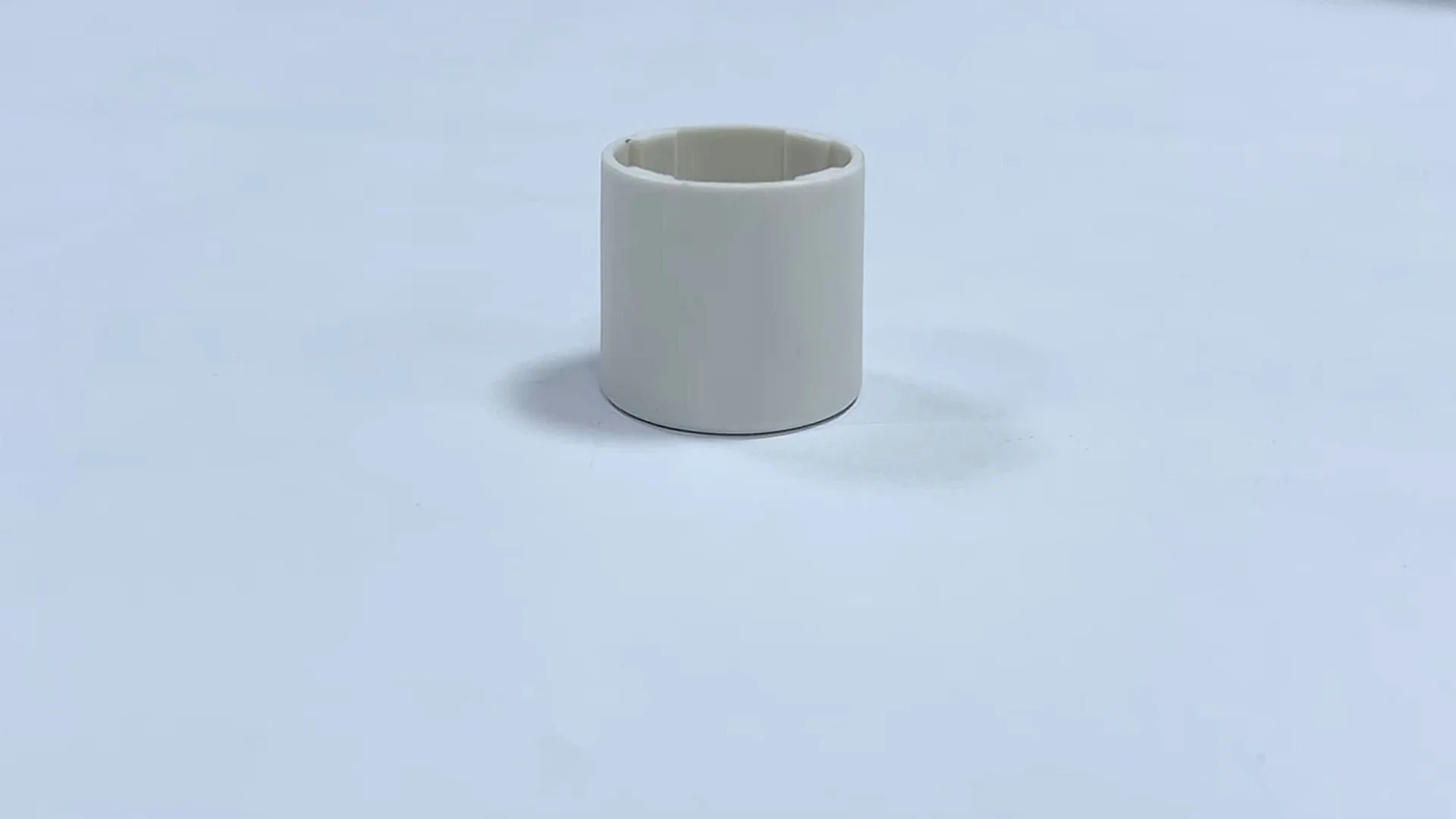
Plastic Pipe Sleeve
Plastic pipe sleeve to cover dia 28MM aluminum pipe end to contact with ground.
Ever picked up your smartphone after a drop and breathed a sigh of relief when it still worked? Or wondered how your laptop survives being jostled in a backpack during your daily commute? The answer lies in the rigorous testing that 3C products—those handy computers, communication devices, and consumer electronics we can't live without—endure before they reach our hands. Among the unsung heroes of this testing process are small but mighty components like plastic pipe sleeves. These unassuming protectors play a critical role in ensuring that the internal pipes and tubes in our devices (and the testing equipment itself) stay intact when the going gets rough. Let's dive into why they matter, how they work, and why every 3C test lab should keep them close at hand.
The High-Stakes World of 3C Product Testing
First, let's set the stage: 3C products are everywhere. From the smartphone in your pocket to the smartwatch on your wrist, the laptop on your desk, and even the gaming console in your living room—these devices are built to keep up with our chaotic lives. But before they ever make it to store shelves, they're put through hell and back in testing labs. Why? Because manufacturers know that a single defect can lead to a product recall, a damaged reputation, or worse—customer frustration when a device fails after just a few months.
Vibration and shock tests are two of the toughest hurdles in this process. Think about it: A smartphone might be dropped from waist height (simulating a clumsy fumble), a laptop could be jostled in a car during a bumpy road trip, or a smart speaker might vibrate excessively when playing loud music. These tests replicate real-world scenarios to ensure that internal components don't loosen, crack, or break under stress. And here's where pipes come into play—they're the hidden backbone of many 3C products, and their survival is non-negotiable.
Pipes: The Unsung Heroes of 3C Device Design
When you think of 3C products, pipes might not be the first thing that comes to mind. But take a closer look, and you'll realize they're everywhere:
- Heat pipes : These thin, hollow tubes transfer heat away from your laptop's CPU or your phone's processor, preventing overheating during intense tasks like gaming or video editing.
- Structural supports : In larger devices like printers or all-in-one computers, small pipes (often part of lean pipe systems) reinforce the frame, keeping delicate internal parts stable.
- Fluid channels : Some advanced cooling systems use pipes to circulate coolants, ensuring components stay within safe temperature ranges.
The problem? These pipes are often made of materials like copper, aluminum, or thin steel—durable, but not invincible. During vibration tests, where a device might be shaken at high frequencies for hours, or shock tests, where it's dropped onto a hard surface, these pipes can rattle against other components, develop micro-cracks, or even snap. A cracked heat pipe, for example, can lead to overheating and performance issues. A broken structural pipe might cause a device to flex, damaging circuit boards or screens. That's where plastic pipe sleeves step in.

Plastic Pipe Sleeves: The Underdog Protectors
At first glance, a plastic pipe sleeve might seem too simple to make a difference. It's just a tube of plastic, right? But that simplicity is its superpower. Designed to slip over pipes like a protective jacket, these sleeves act as a buffer between the pipe and its surroundings. Let's break down why they're so effective in vibration and shock tests.
Material Matters: Why Plastic?
Plastic might not sound as tough as metal, but when it comes to absorbing impact, it's a champion. Most plastic pipe sleeves are made from materials like polyethylene (PE), polyvinyl chloride (PVC), or polyurethane (PU)—each chosen for specific properties:
Polyethylene (PE) : Soft, flexible, and resistant to chemicals, PE sleeves are ideal for delicate pipes that need a gentle touch. They're lightweight, so they don't add extra strain to the pipe during testing.
Polyvinyl Chloride (PVC) : Stiffer than PE but more rigid, PVC sleeves offer better structural support. They're great for pipes that need to maintain their shape while still being protected from scratches or dents.
Polyurethane (PU) : Known for its elasticity and durability, PU sleeves can stretch and return to their original shape, making them perfect for pipes that move slightly during vibration tests (like those in cooling systems).
But it's not just about the material—it's how these sleeves interact with the pipe. Unlike metal or rubber, plastic sleeves are smooth on the inside, so they don't scratch the pipe's surface. On the outside, they're often textured or slightly grippy, preventing the pipe from sliding around inside the device during tests. It's a balance of protection and practicality that makes them indispensable.
More Than Just a Cover: The Benefits of Plastic Pipe Sleeves
Let's get specific: What exactly do plastic pipe sleeves bring to the table during vibration and shock tests?
Shock Absorption : When a device is dropped, the impact sends a jolt through every component. A plastic sleeve acts like a cushion, absorbing some of that energy before it reaches the pipe. Think of it like wrapping a fragile vase in bubble wrap—sudden shocks are softened, reducing the risk of cracks.
Vibration Dampening : During vibration tests, pipes can vibrate at the same frequency as other components, leading to "resonance" (a dangerous amplification of movement). Plastic sleeves, with their flexible texture, break up these vibrations, preventing the pipe from shaking excessively.
Noise Reduction : Ever noticed how a loose part in your car sounds louder over time? The same happens in testing—unprotected pipes can rattle against other components, creating noise that interferes with test data. Sleeves muffle these sounds, ensuring test results are accurate.
Cost-Effectiveness : Replacing a cracked pipe or repairing a damaged device during testing is expensive and time-consuming. Plastic sleeves are affordable, reusable, and easy to install—making them a budget-friendly insurance policy.

From Test Benches to Lean Pipe Systems: How Sleeves Fit Into the Testing Workflow
Plastic pipe sleeves aren't just used in 3C devices—they're also workhorses in the testing labs themselves. Walk into any 3C test facility, and you'll likely see workbenches lined with lean pipe systems: modular setups of pipes and joints used to hold test equipment, secure devices during testing, or organize tools. These lean pipes (often made of aluminum or steel) need protection too—especially when they're part of vibration test rigs that shake devices for hours on end.
Imagine a workbench where a team is testing a new tablet. The tablet is clamped to a lean pipe frame, and the frame is attached to a vibration generator. Without plastic sleeves, the constant shaking could cause the lean pipes to rub against each other, wearing down the joints or creating metal-on-metal noise that skews test readings. By slipping plastic sleeves over the lean pipes, the lab ensures the setup stays quiet, stable, and long-lasting.
Workbenches also often feature roller tracks (another key component in testing setups) to move devices between test stations. Pipes along these tracks can benefit from sleeves too, reducing friction and ensuring smooth, consistent movement—critical for tests that require precise positioning.

A Closer Look: Types of Plastic Pipe Sleeves for 3C Testing
Not all plastic pipe sleeves are created equal. Depending on the pipe size, the test intensity, and the device being tested, you might need a specific type. Here's a breakdown of the most common options, organized by their best uses:
| Type of Sleeve | Material | Thickness Range (mm) | Best For | Key Benefit |
|---|---|---|---|---|
| Standard PE Sleeve | Polyethylene | 0.5 – 2.0 | Delicate heat pipes in smartphones/laptops | Soft and flexible; won't scratch thin pipes |
| Heavy-Duty PVC Sleeve | PVC | 2.0 – 5.0 | Lean pipes in test rigs/workbenches | Rigid; withstands repeated vibration |
| Foam-Lined PU Sleeve | Polyurethane with foam core | 3.0 – 8.0 | Shock tests (dropping devices) | Extra cushioning for high-impact scenarios |
| Heat-Resistant Silicone Sleeve | Silicone (a type of plastic) | 1.0 – 3.0 | Pipes near heat sources (e.g., CPU cooling systems) | Withstands temperatures up to 200°C without melting |
Installation Tips: Getting the Most Out of Your Sleeves
Installing a plastic pipe sleeve might seem straightforward—just slip it over the pipe, right? But a few pro tips can ensure maximum protection:
- Measure twice, cut once : Sleeves should fit snugly but not too tightly. A sleeve that's too loose might slide off during testing; one that's too tight could constrict the pipe (a problem for heat pipes, which need to expand slightly when hot).
- Use adhesive for high-vibration tests : For intense vibration tests, a small amount of heat-resistant adhesive (applied to the inside of the sleeve) can keep it in place. Just avoid blocking any openings in the pipe (like heat pipe vents).
- Inspect and replace regularly : Sleeves can wear down over time, especially after repeated use in harsh tests. Check for cracks, tears, or thinning before each test—better to replace a sleeve than risk a pipe failure.
Real-World Impact: How Sleeves Saved the Day (and the Device)
Let's put this into perspective with a hypothetical (but realistic) scenario: A manufacturer is testing a new gaming laptop. During initial vibration tests, the laptop's heat pipe keeps cracking, causing the CPU to overheat and shut down. The team is stumped—until an engineer suggests adding a foam-lined PU sleeve to the heat pipe. The next test? The sleeve absorbs the vibration, the heat pipe stays intact, and the laptop passes with flying colors. What could have been a months-long delay turns into a quick fix, thanks to a $2 sleeve.
Another example: A test lab uses lean pipe workbenches to hold smart speakers during sound and vibration tests. Without sleeves, the lean pipes rattle so loudly that the sound tests are unreliable. After adding PVC sleeves, the noise drops by 60%, and the lab finally gets accurate data on how the speakers perform at high volumes.
Looking Ahead: The Future of Pipe Protection in 3C Testing
As 3C devices get smaller, more powerful, and more complex, the demand for better pipe protection will only grow. Here are a few trends to watch:
Eco-Friendly Materials : Manufacturers are moving toward biodegradable plastics or recycled materials for sleeves, aligning with global sustainability goals. Imagine a sleeve that protects pipes during testing and then breaks down naturally after use—no waste, no guilt.
Smart Sleeves : What if a sleeve could "report back" on pipe health? Researchers are experimenting with sleeves embedded with tiny sensors that detect micro-cracks or excessive vibration, alerting engineers before a pipe fails. This could revolutionize predictive maintenance in testing labs.
Custom 3D-Printed Sleeves : With 3D printing becoming more accessible, labs could soon print sleeves tailored to unique pipe shapes—like the curved heat pipes in foldable phones or the intricate tubing in VR headsets. Customization means better fit, better protection, and fewer compromises.
Final Thoughts: Small Sleeves, Big Difference
Plastic pipe sleeves might not have the glamour of the latest smartphone or the excitement of a cutting-edge test rig, but they're the quiet guardians of 3C product reliability. From protecting heat pipes in your laptop to keeping lean pipe workbenches stable in testing labs, these simple components ensure that the devices we rely on every day can handle the chaos of real life.
So the next time you pick up your phone after a drop and it still works, take a moment to appreciate the plastic pipe sleeve that might have saved the day. And if you're in the 3C testing world? Keep a stock of sleeves handy—they're the cheapest, most effective insurance policy you'll ever buy.