- Company Articles
- Products and Technology
- Installation And Maintenance
- Plastic Pipe Sleeves in After-Sales Support: Replacement and Upgrade Options for Lean Systems

Plastic Pipe Sleeves in After-Sales Support: Replacement and Upgrade Options for Lean Systems
Related Product
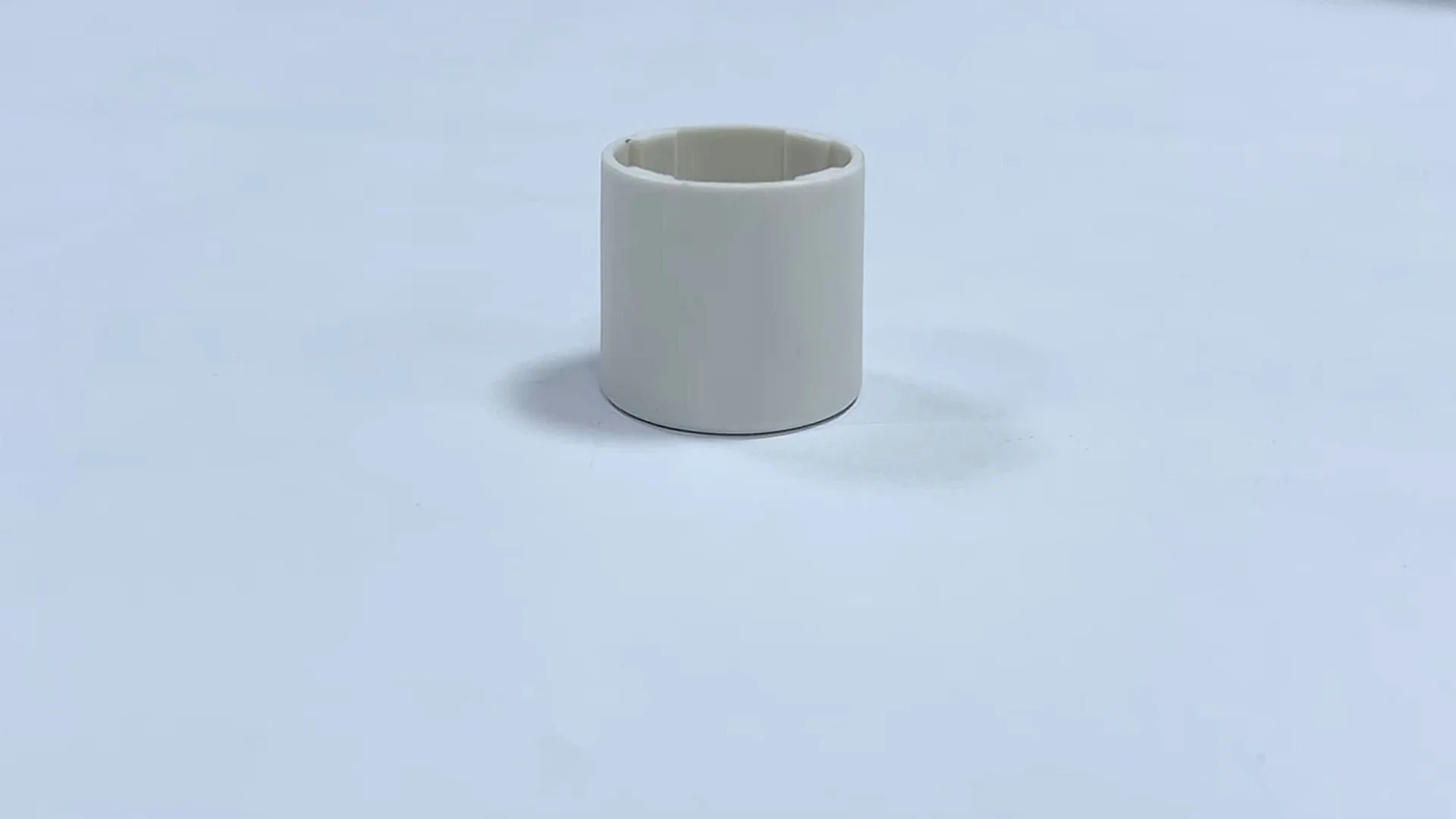
Plastic Pipe Sleeve
Plastic pipe sleeve to cover dia 28MM aluminum pipe end to contact with ground.
In the fast-paced world of manufacturing, where every second counts and efficiency is the name of the game, lean systems stand as the backbone of productive operations. From the hum of conveyor belts to the precision of assembly lines, these systems are designed to eliminate waste, streamline workflows, and keep products moving like a well-choreographed dance. But even the most finely tuned machines need a little care—and that's where after-sales support steps in. Today, we're shining a light on a small but mighty component that often flies under the radar: the plastic pipe sleeve. These unassuming pieces play a critical role in keeping your lean pipe structures, workbenches, and material racks running smoothly. Let's dive into why they matter, when to replace them, and how upgrading can take your lean system from "good" to "great."
The Unsung Hero: What Are Plastic Pipe Sleeves, Anyway?
If you've ever walked through a factory or warehouse, you've probably seen lean pipe structures without even realizing it. Those modular workbenches, rolling trolleys, and flow racks that make material handling look effortless? They're often built using lean pipe—hollow tubes (usually steel or aluminum) connected by joints to form customizable frames. And wrapping around many of those pipes? Plastic pipe sleeves. Think of them as the protective (outerwear) for your lean pipe: they cushion the pipe, reduce friction between moving parts (like roller tracks or casters), and prevent scratches or damage to both the pipe and the materials sliding across it.
But their job doesn't stop there. Plastic pipe sleeves also dampen noise (no more clanging metal-on-metal), improve grip for workers handling the structures, and even add a pop of color coding to your workspace—yellow for high-traffic areas, grey for static zones, for example. In short, they're the quiet problem-solvers that keep your lean system's moving parts from wearing each other down. And when they start to fail? The whole dance can stumble.
When Your Lean System Whispers for Help: Signs Your Plastic Pipe Sleeves Need Replacement
Lean systems are designed to be resilient, but no component lasts forever—especially plastic pipe sleeves, which take a beating from constant use, environmental factors, and the weight of daily operations. The key is to spot the warning signs early, before a small issue becomes a big headache (and a costly production delay). Here's what to watch for:
Wear and Tear: Visual Clues That Speak Volumes
Start with the obvious: take a walk around your lean structures and inspect the plastic sleeves. Are they cracked, chipped, or peeling? Over time, the constant friction of materials sliding over them or the pressure of heavy loads can cause the plastic to degrade. Look for thinning areas, especially on roller tracks where products glide—if the sleeve is worn down to the metal pipe underneath, it's time to replace. Discoloration is another red flag: UV rays, chemicals, or heat can fade or darken the plastic, weakening its structure. Even small cracks can grow into bigger breaks, so don't ignore them.
Operational Hiccups: Jams, Slowness, and Safety Risks
Your lean system should flow like water—if it starts acting more like molasses, plastic pipe sleeves might be the culprit. Worn sleeves can create uneven surfaces on roller tracks, causing products to get stuck or tilt. You might notice workers having to push harder to move trolleys or adjust materials more often. Worse, damaged sleeves can create snags or sharp edges, increasing the risk of cuts or scrapes for employees. If you're seeing more near-misses or minor injuries, check those sleeves—safety should never be compromised for "just a little wear."
Environmental Factors: When the Workplace Fights Back
Not all workplaces are created equal, and some are harder on plastic sleeves than others. High-temperature environments (like near ovens or welding stations) can cause plastic to warp or melt. Humid areas might lead to mold or mildew, weakening the material. Even exposure to oils, solvents, or cleaning chemicals can break down the plastic over time. If your facility deals with any of these, you'll need to inspect sleeves more frequently—they might need replacement every 6–12 months instead of the typical 1–2 years.

Rolling Up Your Sleeves: The Replacement Process Made Simple
Okay, you've identified the problem—now what? Replacing plastic pipe sleeves might sound intimidating, but with a little planning, it's a straightforward process that won't bring your production line to a halt. Here's how to tackle it:
Step 1: Assess and Inventory—Know What You Need
First, create a list of all the lean structures that need new sleeves. Walk the floor with a notebook (or a tablet) and note the location, type of structure (workbench, flow rack, roller track), and the size of the sleeves. Most sleeves come in standard diameters (like 0.5 inch or 1 inch) and lengths, but double-check—you don't want to order 1-inch sleeves only to find your lean pipe is 0.8 inches. If you're unsure, reach out to your lean pipe supplier—they can help you match the right sleeve to your system. Pro tip: Take photos of the old sleeves (and their part numbers, if visible) to share with the supplier. It'll save time and reduce mix-ups.
Step 2: Source Smart—Partner with a Reliable Lean Pipe Supplier
Not all plastic pipe sleeves are created equal. Cheaper, low-quality sleeves might save money upfront, but they'll wear out faster, costing you more in the long run. Look for a supplier that specializes in lean system components—they'll have sleeves made from durable, industrial-grade plastic (like high-density polyethylene or polypropylene) that can handle your workplace conditions. Ask about UV resistance if your structures are near windows, or chemical resistance if you use cleaning agents. A good supplier will also offer bulk ordering (handy if you need to replace sleeves across multiple structures) and fast shipping to minimize downtime.
Step 3: Install with Care—Minimize Disruption, Maximize Results
The best time to replace sleeves is during a scheduled maintenance window or a slow production period—no need to stop everything, but giving your team 2–3 hours of focused time will make the process smoother. Start by removing the old sleeves: they might slide off easily if they're worn, or you might need a flathead screwdriver to gently pry them loose (be careful not to scratch the lean pipe underneath). Clean the pipe with a damp cloth to remove dirt or debris, then slide the new sleeves on. For tight fits, warm the sleeve slightly with a hair dryer (on low heat!) to make it more flexible. Once in place, test the structure: roll a product down the roller track, push a trolley, or adjust the workbench to ensure everything moves smoothly. That's it—you're done!

Beyond Replacement: Upgrading Your Lean System for the Future
Sometimes, replacement is necessary—but other times, it's an opportunity to upgrade. If your plastic pipe sleeves are wearing out faster than expected, or you're looking to boost efficiency, durability, or sustainability, it might be time to consider switching to a different material. Let's explore your options:
| Material | Best For | Pros | Cons |
|---|---|---|---|
| Standard Plastic Sleeves | Low-cost, light-to-medium use (e.g., basic workbenches, light trolleys) | Affordable, easy to replace, available in colors | Wears quickly in high-friction or high-temperature areas |
| Reinforced Plastic Sleeves | Medium-to-heavy use (e.g., roller tracks with frequent product flow) | Thicker, more durable than standard plastic, better heat resistance | Slightly more expensive, still not ideal for extreme conditions |
| Aluminum Lean Pipe with Anodized Coating | High-intensity, long-term use (e.g., automated conveyor systems, heavy-duty racks) | Lightweight, rust-resistant, no need for sleeves (coating acts as protection) | Higher upfront cost, requires compatible aluminum joints |
| Stainless Steel Sleeves | Cleanrooms, food processing, or chemical environments | Corrosion-resistant, extremely durable, easy to sanitize | Heavy, can be noisy without additional padding, costly |
Aluminum Lean Pipe: A Game-Changer for Modern Factories
One upgrade worth considering is switching from traditional steel lean pipe with plastic sleeves to aluminum lean pipe. Aluminum is lighter than steel, making structures easier to move and reconfigure (a big plus for flexible manufacturing). It's also naturally resistant to rust and corrosion, so you won't have to worry about sleeves wearing out—many aluminum pipes come with an anodized coating that acts as a built-in protective layer. Plus, aluminum profiles are compatible with a wide range of accessories, like aluminum guide rails or roller track placon mounts, making it easy to expand or modify your system later. While the upfront cost is higher, the long-term savings (no more buying replacement sleeves!) and durability make it a smart investment for growing businesses.
Integrating Upgrades with Your Existing System
Upgrading doesn't mean starting from scratch. Many suppliers offer hybrid solutions: for example, you could replace plastic-sleeved steel pipes with aluminum pipes on high-traffic roller tracks, while keeping plastic sleeves on less-used workbenches. Or mix and match components: use stainless steel swivel roller balls with aluminum guide rails for a smoother, more durable flow. The key is to work with your lean system supplier to audit your current setup and identify which areas would benefit most from upgrades. They can help you balance cost, performance, and future needs—so you're not overspending on upgrades you don't need, or underspending on ones that would save you time.
Case Study: How a Small Upgrade Cut Downtime by 30%
A mid-sized electronics manufacturer was struggling with frequent jams on their roller track assembly line. Products would get stuck 2–3 times per shift, requiring workers to stop and adjust, costing them ~10 hours of production time per week. Their lean pipe supplier inspected the line and (discovered) the plastic pipe sleeves on the roller track were worn thin, creating uneven surfaces. Instead of just replacing the sleeves, they recommended upgrading to aluminum lean pipe with reinforced plastic roller track guide rails (grey, for better visibility of small components). The result? The line ran smoother, jams dropped to zero, and the manufacturer saved over 40 hours of production time per month. The upgrade paid for itself in 3 months—and the new system is expected to last 5+ years without needing sleeve replacements.

The Role of Your Lean Pipe Supplier: More Than Just a Vendor
When it comes to after-sales support, your lean pipe supplier should be more than just a place to buy sleeves—they should be a partner. A good supplier will offer:
- Expert Consultation: They'll help you assess your needs, recommend replacement or upgrade options, and even visit your facility to inspect your lean system.
- Bulk and Custom Orders: Whether you need 10 sleeves or 1000, they'll have the inventory to meet your timeline. If you have unique needs (like extra-long sleeves or custom colors), they can source or manufacture them.
- Installation Support: Some suppliers offer training or on-site help for complex upgrades, ensuring everything is installed correctly the first time.
- Warranty and Returns: If a sleeve arrives damaged or doesn't fit, they'll replace it quickly—no hassle.
Don't settle for a supplier who only answers emails slowly or pushes products without understanding your goals. Look for one with a track record in lean systems—they'll speak your language and understand the urgency of keeping your production line moving.
Conclusion: Investing in the Little Things for Big Lean Wins
Plastic pipe sleeves might be small, but their impact on your lean system is huge. By staying vigilant for signs of wear, replacing them promptly, and considering upgrades when needed, you'll keep your production line flowing smoothly, reduce downtime, and keep your team safe and efficient. Remember: lean systems are about continuous improvement—and that includes the tiniest components. So the next time you walk past a workbench or roller track, take a second to appreciate those plastic sleeves. They're not just pieces of plastic—they're the unsung heroes keeping your business moving forward.
And when you're ready to replace or upgrade, reach out to a trusted lean pipe supplier. Together, you'll turn a simple maintenance task into an opportunity to build a stronger, more resilient lean system—one sleeve (or aluminum pipe) at a time.