- Company Articles
- Products and Technology
- Product knowledge
- Plastic Pipe Sleeves in Computer Peripheral Production: Protecting Delicate Components

Plastic Pipe Sleeves in Computer Peripheral Production: Protecting Delicate Components
Related Product
Plastic Pipe Sleeve
Plastic pipe sleeve to cover dia 28MM aluminum pipe end to contact with ground.
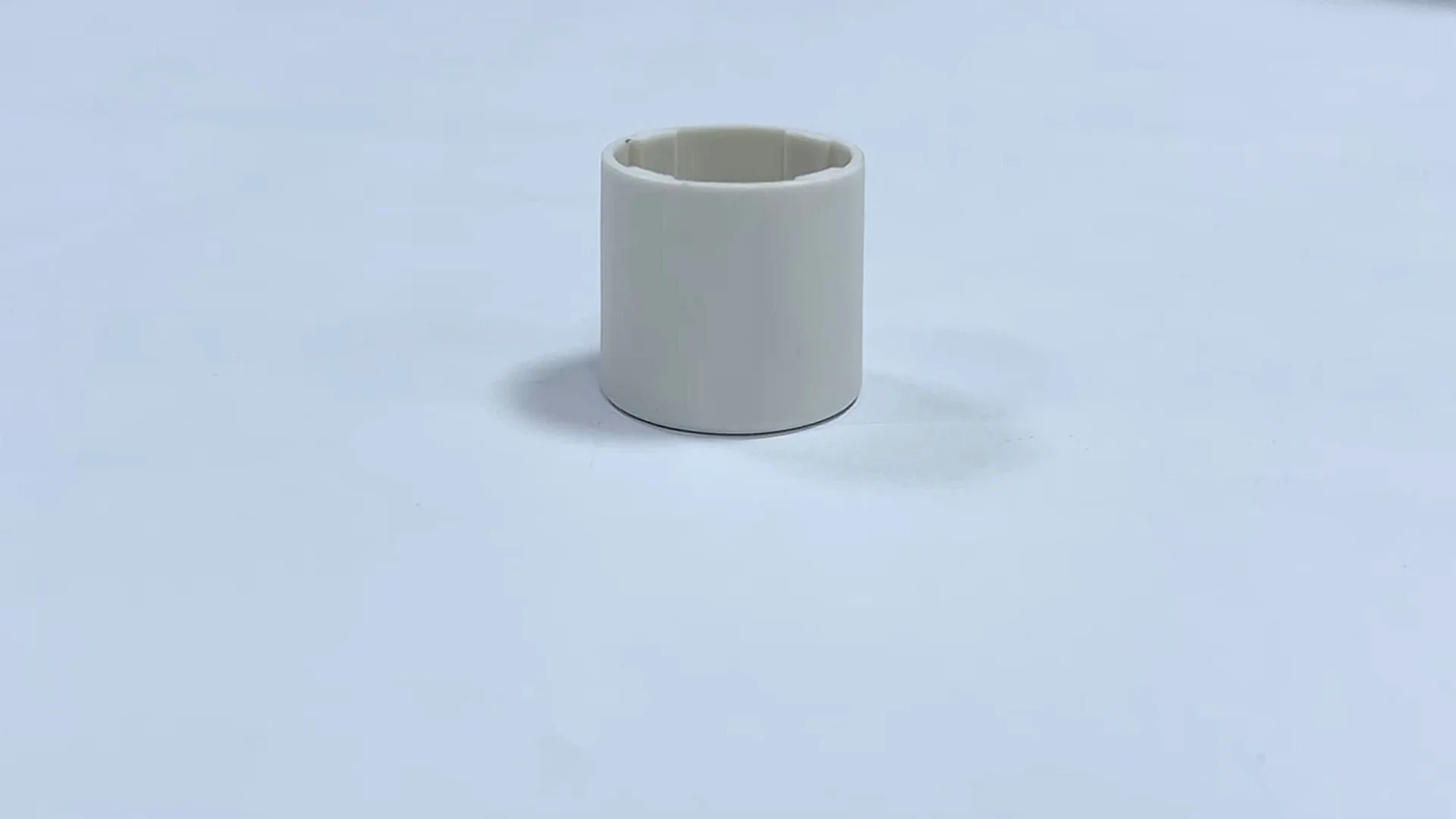
Walk into any modern computer peripheral factory, and you'll be met with a symphony of precision: robotic arms placing microchips, workers assembling mechanical keyboard switches with tweezers, and conveyor belts gliding components toward final testing. In this world, where a single speck of dust or a hairline scratch can render a $50 keyboard or $200 monitor sensor useless, protection isn't just a priority—it's the backbone of quality. Yet, amid the high-tech machinery and advanced robotics, there's an unsung hero quietly ensuring these delicate components survive the production journey: the plastic pipe sleeve. Unassuming, flexible, and surprisingly versatile, these simple tools play a critical role in safeguarding everything from circuit boards to LCD panels. Let's dive into how plastic pipe sleeves are transforming computer peripheral production, one protected component at a time.
The Delicate World of Computer Peripherals
To understand why plastic pipe sleeves matter, we first need to appreciate just how fragile the components inside our keyboards, mice, and monitors really are. Take a mechanical keyboard, for example: each keycap is crafted from high-grade ABS or PBT plastic, polished to a smooth finish. A single scuff during assembly can turn a premium product into a defective one. Beneath that keycap lies a switch—often a tiny mechanism with springs, contacts, and stems that must align perfectly to register a keystroke. Misalignment from a bump on the production line? The switch becomes unresponsive, and the keyboard is scrap.
Then there are the circuit boards powering these devices. Modern peripherals pack more computing power than ever; a high-end gaming mouse might have a 32-bit processor and customizable RGB lighting, all etched onto a circuit board smaller than a credit card. These boards are covered in microscopic solder joints, capacitors, and resistors—components so sensitive that static electricity from a worker's finger can fry them instantly. Even something as simple as a monitor's LCD panel, with its thin layers of liquid crystals and polarizers, can develop dead pixels from the lightest impact.
In short, computer peripherals are marvels of miniaturization and precision. But that precision comes with a price: vulnerability. And in a production environment where speed and efficiency are king, protecting these components without slowing down workflows is a constant challenge.
The Hidden Challenges of Production Line Protection
Protecting delicate components in a factory isn't as simple as wrapping them in bubble wrap. Production lines are dynamic spaces: parts move from station to station via conveyor belts and roller tracks, workers handle components dozens of times daily, and tools and machinery are in constant motion. Each of these steps introduces risks.
Consider the workbench—the heart of many assembly tasks. A typical workbench in a peripheral factory might be made of aluminum or steel, sturdy enough to support tools and equipment. But those hard, unforgiving surfaces are a disaster for delicate parts. A keyboard circuit board placed directly on a steel workbench edge could easily scrape against the metal, damaging its traces. Even the act of sliding a bin of keycaps across the bench can lead to scratches if the bin rubs against the bench's frame.
Then there are the roller tracks and conveyor systems that move parts between workstations. These systems rely on smooth, consistent motion to keep production on schedule. But traditional metal roller tracks can be abrasive. As plastic component bins glide along them, friction can generate static electricity—a silent killer for circuit boards. Worse, if the tracks are misaligned or have sharp edges, bins can catch, jostling their contents and causing internal damage to sensitive parts like LCD panels or sensor modules.
Cost is another factor. Factories need protection solutions that are durable enough to withstand daily wear but affordable enough to scale across entire production lines. Metal guards or custom foam inserts might offer protection, but they're often rigid, expensive, and hard to replace when damaged. What's needed is a solution that's flexible, cost-effective, and adaptable to the ever-changing needs of a lean manufacturing environment.

Plastic Pipe Sleeves: The Unsung Guardians
Enter plastic pipe sleeves—simple, tube-like coverings made from materials like PVC, polyethylene, or nylon, designed to slip over metal pipes, rails, and edges. At first glance, they might seem, but in the context of computer peripheral production, they're transformative. Here's how they address the industry's biggest protection challenges.
First, they act as a buffer between delicate components and hard surfaces. When fitted over the edges of a workbench or the rails of a roller track, plastic sleeves create a soft, smooth barrier. A keyboard keycap sliding against a plastic-sleeved rail? No scratch. A circuit board resting on a workbench with sleeved edges? Safe from abrasion. The flexibility of plastic means the sleeves conform to the shape of the underlying structure, ensuring full coverage without gaps.
Second, many plastic pipe sleeves are formulated to be static-dissipative or ESD (electrostatic discharge)-safe. This is critical for components like circuit boards and sensors. ESD-safe sleeves are embedded with conductive materials that redirect static electricity away from sensitive parts, preventing the sudden voltage spikes that can destroy electronics. In environments where even a small static charge can cost thousands in defective products, this feature alone makes plastic sleeves indispensable.
Third, plastic pipe sleeves are surprisingly durable. They resist chemicals commonly used in factory cleaning, like isopropyl alcohol, and can withstand the wear and tear of daily use—scrapes from bins, impacts from tools, and exposure to heat or cold. Unlike foam or tape, which degrade quickly, a good plastic sleeve can last for months, even in high-traffic areas of the production line.
Finally, they're adaptable. Plastic sleeves come in a range of sizes, colors, and materials, making them easy to customize for specific needs. Need a sleeve for a thin lean pipe on a workbench? There's a size for that. Working with static-sensitive components? Choose an ESD-safe polyethylene sleeve. Want to color-code workstations for better workflow (e.g., yellow for high-traffic roller tracks, grey for static-sensitive zones)? Sleeves are available in a spectrum of hues, including options that match common factory markers like the plastic roller track guide rail yellow and grey often used in lean systems.

Integrating Sleeves into Lean Manufacturing Systems
In today's competitive manufacturing landscape, efficiency is about more than just speed—it's about lean principles: minimizing waste, optimizing workflows, and maximizing value. Plastic pipe sleeves don't just protect components; they support lean manufacturing goals by integrating seamlessly with existing systems like lean pipe workbenches, roller tracks, and material handling setups.
Take lean pipe workbenches, for example. These workstations are built using modular aluminum or steel pipes (lean pipes) and joints, allowing factories to quickly reconfigure layouts as production needs change. Adding plastic pipe sleeves to these lean pipes enhances their functionality. A lean pipe workbench with sleeved edges isn't just a surface for assembly—it's a protective zone where components can be handled safely, reducing the need for extra packaging or protective materials (a key lean principle: eliminating waste). The sleeves are easy to install and replace, so if a section wears out, maintenance teams can swap it out in minutes, minimizing downtime.
Roller tracks are another area where plastic sleeves shine. Roller tracks are the arteries of the production line, moving parts from one station to the next with minimal effort. But traditional metal roller tracks can be noisy, generate static, and scratch components. By adding plastic sleeves to the roller track rails and pairing them with plastic guide rails—like the plastic roller track guide rail yellow often used to mark high-priority workflows—factories create a smoother, quieter, and safer transport system. The plastic-on-plastic contact reduces friction, lowering static buildup and extending the life of both the tracks and the component bins. Plus, the bright yellow color of some guide rails makes it easier for workers to identify the correct path for parts, reducing errors and improving flow—another lean win.
Even caster wheels on material trolleys benefit from plastic sleeves. Trolleys are used to move bulk components around the factory, and their metal caster wheels can scratch floors or generate noise. Sleeving the caster accessories (like the axles or wheel edges) with plastic reduces both issues, keeping the factory floor in better condition and creating a quieter work environment—boosting worker morale and productivity.

A Closer Look: Types of Plastic Pipe Sleeves and Their Uses
Not all plastic pipe sleeves are created equal. The right sleeve depends on the application, the components being protected, and the environment. Below is a breakdown of common sleeve types, their features, and how they're used in computer peripheral production:
| Sleeve Type | Material | Thickness (mm) | Key Features | Best For |
|---|---|---|---|---|
| Standard PVC Sleeve | Polyvinyl Chloride (PVC) | 1.5–3.0 | Durable, cost-effective, resistant to moisture and chemicals | General-purpose use on workbench edges, lean pipes, and non-ESD zones |
| ESD-Safe Polyethylene Sleeve | Static-Dissipative Polyethylene | 2.0–4.0 | Redirects static electricity, soft texture, flexible | Circuit boards, sensors, and other static-sensitive components |
| Reinforced Nylon Sleeve | Nylon with Fiberglass Reinforcement | 3.0–5.0 | High impact resistance, heat-resistant (up to 120°C) | Heavy-duty applications like roller track rails and caster accessories |
| Colored Identification Sleeve | PVC or Polyethylene (with color additives) | 1.5–2.5 | Bright colors (e.g., yellow, grey), UV-resistant | Color-coding workflows (e.g., yellow for high-priority parts, grey for ESD zones) |
For example, a factory assembling mechanical keyboards might use ESD-safe polyethylene sleeves on the lean pipe edges of their assembly workbenches to protect circuit boards, paired with colored yellow sleeves on the roller track guide rails to mark the path for completed keycaps. Meanwhile, a monitor production line might opt for reinforced nylon sleeves on their roller tracks to handle the heavier weight of LCD panels, ensuring the sleeves don't tear or wear down under constant use.
Real-World Impact: A Case Study
To understand the tangible benefits of plastic pipe sleeves, let's look at a hypothetical but realistic example: a mid-sized manufacturer of gaming peripherals struggling with high defect rates on their premium mechanical keyboards. The company's main issue? Scratched keycaps and static-damaged circuit boards, which were costing them nearly 5% of their monthly production in defects.
After auditing their production line, the manufacturer identified two key problem areas: the steel edges of their assembly workbenches were scratching keycaps during handling, and the metal roller tracks moving circuit boards between stations were generating static, leading to ESD damage. Their solution? Installing plastic pipe sleeves on all workbench edges and switching to roller tracks fitted with ESD-safe plastic sleeves and plastic roller track guide rail yellow to improve workflow clarity.
The results were striking. Within three months, keycap scratch defects dropped by 70%, and ESD-related circuit board failures fell by 85%. The factory also reported quieter roller tracks, which reduced worker fatigue, and faster assembly times, as workers no longer had to slow down to handle components. The cost of the sleeves was offset by the savings from reduced defects, making the investment pay for itself in under six months.
This example isn't an anomaly. Across the computer peripheral industry, factories that integrate plastic pipe sleeves into their protection strategies consistently see improvements in product quality, workflow efficiency, and bottom-line results.
Looking Ahead: The Future of Plastic Pipe Sleeves
As computer peripherals become more advanced—with features like haptic feedback, AI-powered sensors, and flexible displays—the components inside them will only grow more delicate. This means the role of plastic pipe sleeves in production will become even more critical. So, what does the future hold for these unassuming protectors?
One trend is the development of eco-friendly materials. Factories are increasingly prioritizing sustainability, and sleeve manufacturers are responding by creating options made from recycled plastics or biodegradable polymers. These green sleeves offer the same protection as traditional options but with a lower environmental footprint—a win for both production and the planet.
Another trend is smarter design. Imagine sleeves embedded with tiny RFID tags that track wear and tear, alerting maintenance teams when a sleeve needs replacement before it fails. Or sleeves with built-in antimicrobial properties, helping to keep production lines cleaner in environments where hygiene is critical (like medical-grade peripherals). Customization will also play a role, with sleeves tailored to specific component shapes—e.g., curved sleeves for rounded monitor frames or ultra-thin sleeves for delicate sensor arrays.
Finally, integration with digital tools will deepen. As factories adopt Industry 4.0 technologies, plastic pipe sleeves could work alongside IoT sensors to monitor workflow efficiency. For example, sensors on yellow plastic roller track guide rails could track how quickly parts move through the line, identifying bottlenecks and helping managers optimize production in real time.
Conclusion: The Quiet Power of Protection
In the fast-paced world of computer peripheral production, where innovation and precision take center stage, it's easy to overlook the small, unglamorous tools that make it all possible. Plastic pipe sleeves are one such tool. They don't grab headlines or win awards, but they play a vital role in protecting the delicate components that power our keyboards, mice, and monitors.
From softening the edges of lean pipe workbenches to smoothing the glide of roller tracks with plastic guide rails, these sleeves ensure that every component—from the tiniest capacitor to the largest LCD panel—reaches the end of the production line in perfect condition. They support lean manufacturing goals, reduce waste, and boost efficiency, all while being cost-effective and easy to integrate.
So, the next time you type on your keyboard or swipe your mouse, take a moment to appreciate the unsung heroes of production: the plastic pipe sleeves that helped protect those components on their journey from factory to your desk. In a world where precision is everything, sometimes the smallest tools make the biggest difference.