- Company Articles
- Products and Technology
- Solution
- Plastic Pipe Sleeves in Custom Lean Solutions: Adapting to Unique 3C and Medical Industry Needs

Plastic Pipe Sleeves in Custom Lean Solutions: Adapting to Unique 3C and Medical Industry Needs
Related Product
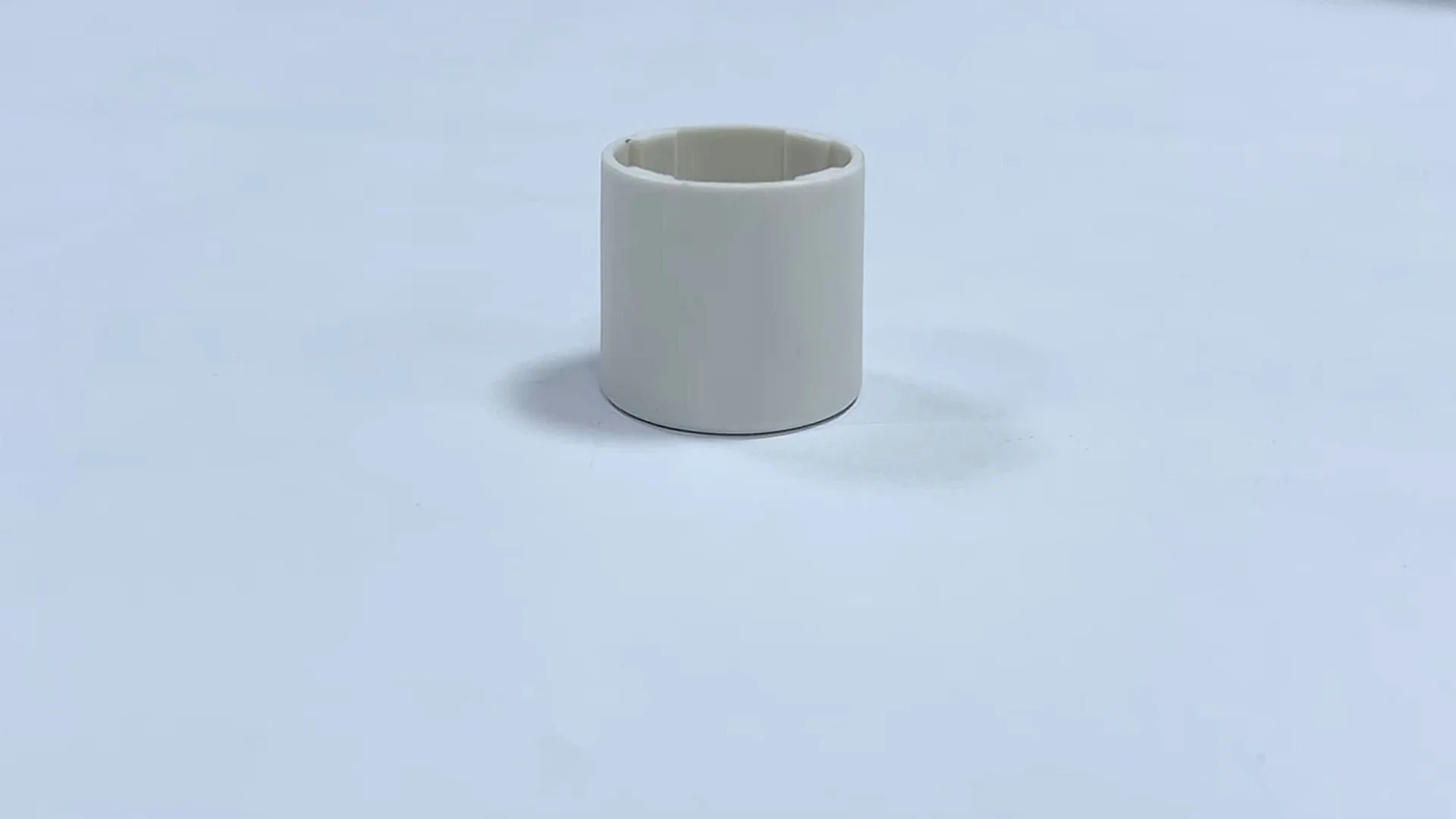
Plastic Pipe Sleeve
Plastic pipe sleeve to cover dia 28MM aluminum pipe end to contact with ground.
How a simple component is revolutionizing efficiency, safety, and flexibility in specialized manufacturing environments
The Critical Role of Lean Solutions in Specialized Industries
In today's fast-paced manufacturing world, industries like 3C (computers, communications, consumer electronics) and medical device production face pressures that go far beyond standard efficiency metrics. For 3C manufacturers, the challenge lies in keeping up with rapid product iterations—think of how often smartphones, laptops, or wearables are updated—while maintaining pinpoint precision and protecting sensitive components from electrostatic discharge. In the medical field, the stakes are even higher: every workstation, conveyor, and material rack must adhere to strict sterilization protocols, support contamination-free workflows, and adapt to evolving regulatory standards, all without compromising on speed.
Enter lean solutions: the backbone of modern manufacturing that emphasizes minimizing waste, maximizing flow, and fostering adaptability. But not all lean systems are created equal. Off-the-shelf solutions often fall short in these specialized sectors, where one-size-fits-all approaches can't address unique needs like ESD protection, frequent reconfiguration, or compliance with medical-grade cleanliness. This is where custom lean solutions shine—and at the heart of many of these tailored systems lies an unsung hero: the plastic pipe sleeve.
Understanding Plastic Pipe Sleeves: More Than Just a Covering
At first glance, a plastic pipe sleeve might seem like a humble component—little more than a protective layer for the metal or aluminum pipes that form the skeleton of lean structures like workbenches, flow racks, or conveyors. But in reality, its role is far more strategic. These sleeves, typically made from durable, lightweight materials like polyethylene (PE) or polyvinyl chloride (PVC), are designed to enhance the functionality of lean systems in ways that directly address the pain points of 3C and medical industries.
Consider their basic benefits: they dampen noise in busy production lines, reduce wear and tear on both the pipes and the products moving across them, and add a layer of insulation. But for specialized sectors, their true value lies in customization. Plastic pipe sleeves can be formulated to be antistatic (critical for ESD workstations in 3C facilities), resistant to harsh cleaning agents (a must for medical environments), or even colored-coded to support visual management systems—helping workers quickly identify material flow paths or designated zones.
What makes them particularly powerful, though, is their compatibility with other lean components. When paired with lean pipe joints, aluminum profile accessories, or roller track systems, plastic pipe sleeves transform basic structures into highly adaptable tools. A lean pipe workbench wrapped in a static-dissipative plastic sleeve, for example, becomes an ESD workstation ready to handle circuit boards or microchips. A flow rack fitted with plastic roller track guide rails (in yellow or grey, depending on the application) ensures smooth, scratch-free movement of medical devices or sensitive electronic parts.

3C Industry Challenges: Precision, Speed, and ESD Protection
The 3C industry is a juggernaut of innovation, but its workflows are notoriously delicate. A single electrostatic discharge can fry a microchip worth hundreds of dollars; a misaligned conveyor can throw off an entire production run of smartwatches; and a rigid workstation setup can slow down the transition from assembling one device model to the next. Here's how plastic pipe sleeves, integrated into custom lean solutions, are addressing these challenges:
ESD Workstations: Safeguarding Sensitive Electronics
Electrostatic discharge (ESD) is the silent enemy of 3C manufacturing. Even a small static charge—often undetectable to the human touch—can damage semiconductors, integrated circuits, and other electronic components. That's why ESD workstations are non-negotiable. Plastic pipe sleeves play a key role here: when made with antistatic additives, they prevent static buildup on lean pipe workbenches and material racks, creating a protected zone for assembly and testing.
Unlike bare aluminum profile or stainless steel pipe, which can conduct static electricity, antistatic plastic sleeves dissipate charge safely, ensuring that components like smartphone motherboards or laptop screens remain unharmed. This isn't just about protecting parts—it's about reducing costly rework and ensuring product reliability. For example, a leading smartphone manufacturer in Shenzhen reported a 40% decrease in ESD-related defects after retrofitting their lean pipe workbenches with static-dissipative plastic pipe sleeves.
Flexibility for Rapid Product Cycles
3C products evolve at breakneck speed. A factory might produce a mid-range tablet one month and shift to a foldable-screen prototype the next. This requires manufacturing lines that can be reconfigured quickly—without the need for welding, heavy tools, or lengthy downtime. Plastic pipe sleeves, paired with modular lean pipe joints and lightweight aluminum pipe, make this possible.
Imagine a production floor where workstations, flow racks, and conveyors can be disassembled and reassembled in hours, not days. Plastic pipe sleeves contribute to this flexibility by being lightweight and easy to handle; they won't scratch floors or damage equipment during reconfiguration, and they're compatible with a wide range of connectors and accessories. A Shanghai-based electronics contract manufacturer recently shared that using plastic-sleeved lean pipe systems cut their line changeover time by 65%, allowing them to take on smaller, more specialized production runs without sacrificing efficiency.

Medical Industry Requirements: Sterility, Compliance, and Adaptability
If the 3C industry is defined by speed and precision, the medical device sector is governed by safety and compliance. Every surface, tool, and material must meet strict standards for cleanliness, chemical resistance, and biocompatibility. Plastic pipe sleeves, often overlooked, are quietly becoming a staple in medical lean systems for their ability to meet these rigorous demands.
Sterilization and Chemical Resistance
Medical device manufacturing facilities require frequent and thorough cleaning—often with harsh disinfectants, alcohol-based solutions, or even steam. Traditional materials like untreated steel or some aluminum profiles can corrode over time, creating cracks where bacteria might hide. Plastic pipe sleeves, however, are engineered to withstand repeated exposure to these chemicals without degrading.
Take, for example, a cleanroom producing surgical instruments. The flow racks and conveyors used to transport components must be wiped down multiple times daily. A plastic roller track guide rail (grey or yellow, depending on the cleanroom's color-coding system) with a high-density polyethylene sleeve won't warp, crack, or retain moisture, ensuring that the surface remains smooth and sterile. Similarly, workbenches in vaccine production facilities, fitted with plastic-sleeved pipes, can be sanitized with hydrogen peroxide vapor without compromising the integrity of the lean system.
Compliance with Regulatory Standards
Regulatory bodies like the FDA (U.S.) or CFDA (China) don't just regulate the devices themselves—they also inspect the manufacturing environments. This includes everything from air quality to workstation design. Plastic pipe sleeves help manufacturers meet these standards by being non-porous (preventing bacterial growth) and free from harmful additives like phthalates or BPA, which could leach into products. Many plastic sleeves are also FDA-compliant for direct or indirect food contact, making them suitable for pharmaceutical manufacturing where cross-contamination risks are high.
One medical device company in Suzhou, which produces insulin pumps, found that switching to plastic pipe sleeves on their material racks and conveyors simplified their FDA audits. The sleeves' smooth, non-reactive surfaces were easier to document as "contamination-free," and their color-coded options (yellow for sterile zones, grey for non-sterile) helped demonstrate clear workflow separation to inspectors.

Comparing Materials: Why Plastic Pipe Sleeves Stand Out
To truly appreciate the value of plastic pipe sleeves, it's helpful to compare them with other common materials used in lean solutions. Let's break down how they stack up against aluminum profile and stainless steel pipe in key areas relevant to 3C and medical industries:
| Feature | Plastic Pipe Sleeves | Aluminum Profile | Stainless Steel Pipe |
|---|---|---|---|
| ESD Compatibility | Excellent (with antistatic additives) | Good (requires additional coating) | Poor (conducts static; risky for 3C) |
| Chemical Resistance | High (resists disinfectants, solvents) | Moderate (can corrode with frequent cleaning) | High (but heavier and costlier) |
| Weight | Lightweight (easy to reconfigure) | Moderate (sturdy but less portable) | Heavy (hard to move; limits flexibility) |
| Cost | Affordable (low initial and replacement costs) | Moderate (higher than plastic, lower than steel) | High (expensive to purchase and install) |
| Noise Reduction | High (dampens impact from moving parts) | Moderate (metallic noise during use) | Low (loud; requires additional padding) |
As the table shows, plastic pipe sleeves offer a unique balance of benefits that make them ideal for 3C and medical applications. They're not just a budget-friendly alternative—they're a strategic choice for industries where ESD protection, chemical resistance, and flexibility are non-negotiable.
Real-World Impact: Case Studies from the Field
Case Study 1: A 3C Contract Manufacturer in Dongguan
Before integrating plastic pipe sleeves, this manufacturer struggled with two major issues: frequent ESD damage to circuit boards and slow reconfiguration times between product runs. Their existing workstations were built with bare aluminum profile, which conducted static, and their material racks were made of heavy stainless steel pipe, making them hard to move.
After partnering with a lean solution supplier to retrofit their lines with lean pipe workbenches and flow racks using antistatic plastic pipe sleeves, the results were striking: ESD-related defects dropped by 55%, and line changeover time decreased from 8 hours to 3 hours. Workers also reported a quieter environment, as the plastic sleeves dampened the noise of parts moving along conveyors and roller tracks. "We used to dread product transitions," said the plant manager. "Now, we can switch from assembling smartwatch chargers to Bluetooth earbuds in a single shift—and without losing a single circuit board to static."
Case Study 2: A Medical Device Startup in Hangzhou
This startup, which produces minimally invasive surgical tools, needed to scale production quickly while maintaining ISO 13485 compliance. Their initial setup used generic workbenches and metal racks, which were difficult to sterilize and often showed signs of corrosion after repeated cleaning with alcohol-based disinfectants.
By switching to custom lean systems featuring plastic pipe sleeves (FDA-compliant polyethylene) on their workstations, material racks, and conveyors, they achieved two key wins: first, their monthly cleaning time was cut by 30%, as the smooth plastic surfaces were easier to wipe down; second, they passed their ISO audit with zero findings related to workstation cleanliness. "The plastic sleeves were a game-changer," noted the quality control director. "They don't harbor bacteria, they stand up to our cleaning protocols, and they're lightweight enough that we can rearrange our cleanroom layout as we add new production lines."
Future Innovations: What's Next for Plastic Pipe Sleeves in Lean Solutions?
As 3C and medical industries continue to evolve, so too will the demand for more advanced lean solutions. Plastic pipe sleeves are poised to play an even bigger role, thanks to ongoing innovations in material science and manufacturing:
- Smart Materials: Researchers are developing plastic sleeves embedded with sensors that can monitor temperature, humidity, or even static charge in real time. Imagine a lean pipe workbench that alerts operators if ESD levels rise above safe thresholds, or a conveyor system that tracks cleaning cycles to ensure compliance.
- Sustainability: With a growing focus on eco-friendly manufacturing, suppliers are creating biodegradable or recyclable plastic pipe sleeves, reducing the environmental impact of lean system components.
- Enhanced Sterility: For medical applications, new antimicrobial plastic formulations are being tested that inhibit the growth of bacteria like MRSA and E. coli, adding an extra layer of protection in high-risk environments.
These advancements won't just improve plastic pipe sleeves—they'll make custom lean solutions even more integral to specialized industries, bridging the gap between efficiency, safety, and adaptability.
Conclusion: The Unsung Hero of Specialized Manufacturing
Plastic pipe sleeves may not grab headlines, but their impact on 3C and medical manufacturing is undeniable. By addressing critical needs like ESD protection, chemical resistance, flexibility, and compliance, they're enabling lean solutions that are not just efficient, but tailored to the unique challenges of these industries. Whether it's a lean pipe workbench in a smartphone factory or an ESD workstation in a surgical tool cleanroom, plastic pipe sleeves are proving that sometimes, the smallest components make the biggest difference.
As manufacturers continue to seek ways to innovate, reduce waste, and stay ahead of industry demands, the role of plastic pipe sleeves in custom lean solutions will only grow. They're more than just a covering—they're a cornerstone of modern, adaptive manufacturing. And in a world where precision, safety, and speed are everything, that's something worth celebrating.