- Company Articles
- Products and Technology
- Application Cases
- Plastic Pipe Sleeves in Home Appliance Production: Supporting Custom Lean Workstation Designs

Plastic Pipe Sleeves in Home Appliance Production: Supporting Custom Lean Workstation Designs
Related Product
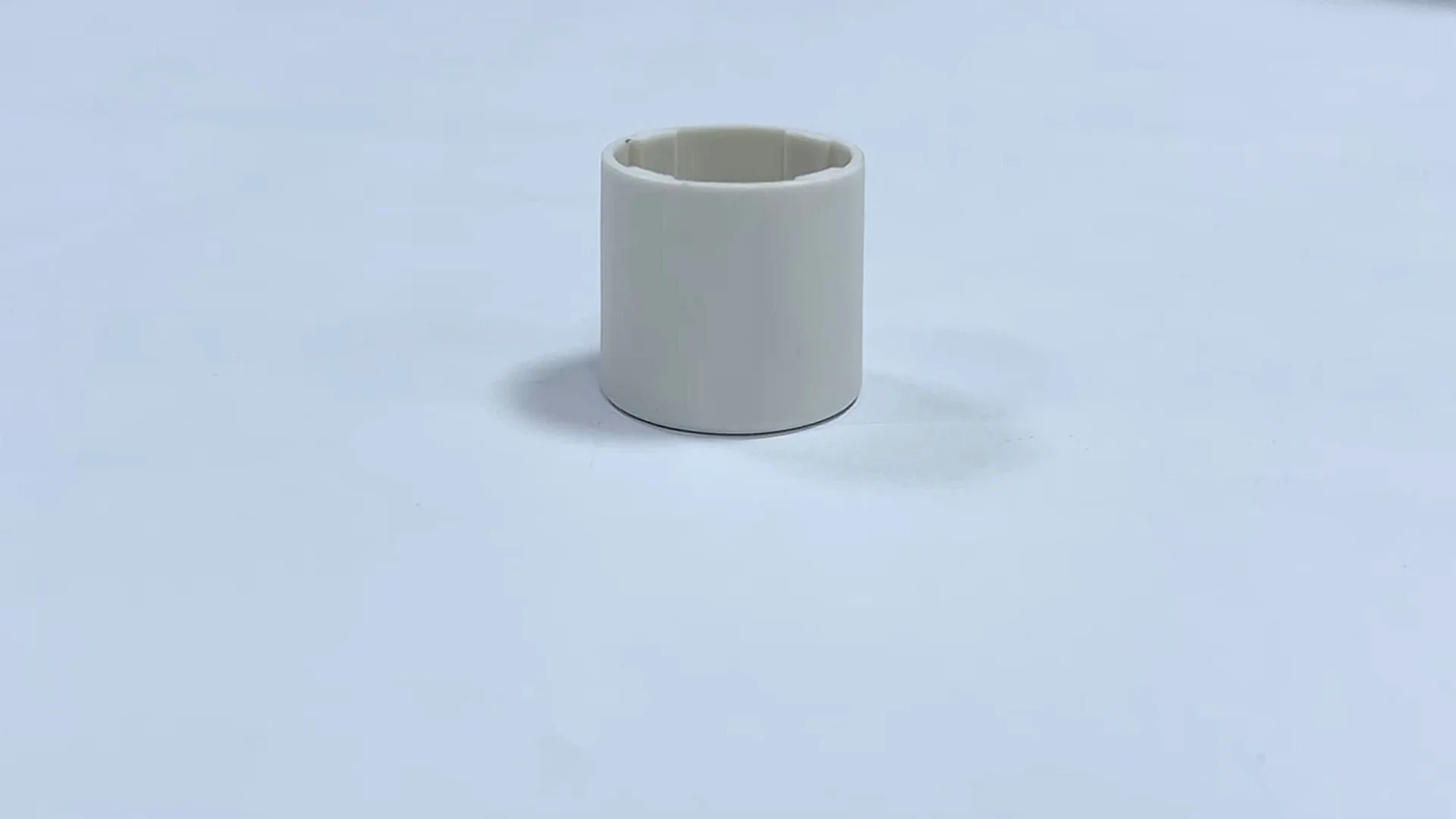
Plastic Pipe Sleeve
Plastic pipe sleeve to cover dia 28MM aluminum pipe end to contact with ground.
Walk into any modern home appliance factory, and you'll immediately sense the pulse of precision: robotic arms assembling circuit boards, workers carefully fitting door panels onto refrigerators, and conveyor belts carrying half-finished washing machines toward final testing. Yet behind this seamless rhythm often lies a silent challenge: the struggle to keep production lines adaptable in an industry where consumer demands shift faster than ever. Today's households want smart refrigerators with touchscreens, energy-efficient dishwashers, and compact dryers—each with unique specs that require factories to pivot quickly. For manufacturers, this means one thing: rigid, one-size-fits-all workstations just won't cut it anymore. Enter the world of lean systems, where flexibility isn't just a buzzword, but the backbone of efficient production. And at the heart of this flexibility? A humble yet transformative component: the plastic pipe sleeve.
In this article, we'll explore how plastic pipe sleeves are revolutionizing home appliance production by enabling custom lean workstation designs. We'll dive into their role in building adaptable lean pipe workbenches, enhancing turnover trolleys and racks, and why they've become a go-to choice for manufacturers aiming to balance efficiency, cost, and worker well-being. Whether you're a production manager looking to streamline your line or simply curious about the unsung heroes of factory floors, let's uncover how these unassuming sleeves are making big waves in the world of lean manufacturing.
The Need for Lean Systems in Home Appliance Production
Before we zoom in on plastic pipe sleeves, let's take a step back to understand why lean systems have become non-negotiable in home appliance manufacturing. Lean manufacturing, born from the Toyota Production System, is all about eliminating waste—whether that's wasted time, materials, or effort—while maximizing value for the customer. In an industry where profit margins are tight and competition fierce, lean principles aren't just optional; they're survival tools.
Home appliance production is uniquely challenging. Unlike industries that mass-produce identical items (think soda cans or pencils), appliance factories often handle "high mix, low volume" production. One week, they might be assembling 500 basic microwaves; the next, 200 premium models with built-in air fryers. Each model requires different tools, parts, and workflows. Fixed workstations—bolted to the floor, with immovable shelves and rigid frames—become bottlenecks. Workers waste precious minutes walking to fetch tools from distant storage racks. Materials pile up because the workstation can't adjust to smaller batch sizes. And when a new model is introduced, reconfiguring the line can take days, delaying time-to-market.
This is where lean systems shine. By focusing on "flow"—ensuring materials and information move smoothly through the production process—lean systems reduce bottlenecks and cut down on non-value-added activities. Central to this flow are workstations designed to be modular, ergonomic, and easily reconfigurable. A well-designed lean workstation puts tools within arm's reach, adapts to different product sizes, and integrates seamlessly with material handling equipment like turnover trolleys and racks. And here's where plastic pipe sleeves enter the picture: they're the flexible connectors that turn basic metal pipes into customizable, durable, and cost-effective workstation frames.
What Are Plastic Pipe Sleeves, and Why Do They Matter?
At first glance, a plastic pipe sleeve might seem unremarkable—a simple tube of PVC or polypropylene, often colored yellow, grey, or black, designed to fit over metal or aluminum pipes. But don't let its simplicity fool you. These sleeves are the unsung heroes of lean workstation design, solving three critical problems manufacturers face: protection, flexibility, and cost-efficiency.
Let's break it down. First, protection: In appliance production, delicate parts like control panels, glass door inserts, or wiring harnesses are often handled at workstations. Metal pipes, even when painted, can scratch or dent these parts. Plastic sleeves act as a buffer, softening the surface of the workstation frame and preventing damage during assembly. They also protect the pipes themselves from corrosion, especially in factories where cleaning agents or moisture are present—common in appliance plants that produce washing machines or dishwashers.
Second, flexibility: Unlike rigid materials like stainless steel or solid aluminum, plastic sleeves are lightweight and easy to cut, drill, or modify. This means workers can adjust the height of a lean pipe workbench, add a shelf, or reposition a tool hook in minutes, not hours. Need to lower the workstation surface by 6 inches to accommodate a new, shorter model? Simply slide the sleeve, loosen the lean pipe joint, adjust the pipe, and retighten. No welding, no heavy machinery—just a hex key and a few minutes of work.
Third, cost-efficiency: Stainless steel and aluminum are durable, but they're also expensive. Plastic sleeves allow manufacturers to use more affordable materials (like galvanized steel pipes) without sacrificing performance. The sleeve adds a layer of durability, extending the life of the underlying pipe, while keeping the overall cost of the workstation low. For small to mid-sized factories operating on tight budgets, this balance of quality and affordability is a game-changer.

Plastic Pipe Sleeves vs. Alternatives: A Practical Comparison
To truly appreciate the value of plastic pipe sleeves, it helps to compare them to other common materials used in workstation frames. Let's take a look at how they stack up against aluminum lean pipes and stainless steel pipes in key areas like cost, flexibility, and durability.
| Material | Cost (Per Meter) | Flexibility (Reconfiguration Ease) | Durability (Expected Lifespan) | Part Protection | ESD Compatibility |
|---|---|---|---|---|---|
| Plastic Pipe Sleeves (over steel pipes) | $3–$8 | High (tool-free adjustments) | 5–7 years (resistant to corrosion/scratches) | Excellent (soft surface prevents dents/scratches) | Limited (non-conductive; requires ESD additives) |
| Aluminum Lean Pipe | $15–$25 | Medium (requires specialized tools for cutting) | 10–15 years (rust-proof, high strength) | Good (smooth surface, but harder than plastic) | Good (conductive; can be grounded) |
| Stainless Steel Pipe | $20–$35 | Low (heavy, requires welding for modifications) | 15–20 years (highly resistant to corrosion) | Fair (hard surface; may scratch delicate parts) | Excellent (naturally conductive) |
As the table shows, plastic pipe sleeves offer a compelling middle ground. While aluminum and stainless steel excel in longevity and ESD compatibility (critical for electronics-heavy appliances like smart ovens), they come with higher upfront costs and less flexibility. Plastic sleeves, on the other hand, are ideal for manufacturers prioritizing quick reconfigurations, budget-friendliness, and part protection—all hallmarks of lean production.
Take, for example, a factory producing small kitchen appliances like blenders and toasters. These products have shorter lifecycles and frequent design updates. A workstation built with stainless steel pipes might last 20 years, but the factory would need to replace it every 3–5 years to keep up with new models—wasting money on unused durability. Plastic pipe sleeves, with their lower cost and easy adjustments, let the factory adapt the same workstation frame to multiple product lines, getting more value out of each investment.

Building Custom Lean Pipe Workbenches with Plastic Sleeves
The lean pipe workbench is the cornerstone of any lean production line. It's where workers spend most of their shifts—assembling parts, testing components, and preparing products for the next stage. A poorly designed workbench leads to fatigue, errors, and wasted motion; a well-designed one feels like an extension of the worker's hands. Plastic pipe sleeves play a starring role in making these workbenches both functional and adaptable.
Let's walk through how a typical lean pipe workbench is built with plastic sleeves. The base starts with metal or aluminum pipes—usually 28mm or 30mm in diameter—cut to the desired height and width. These pipes are then fitted with plastic sleeves, which snap or slide into place (some sleeves have a slight taper for a snug fit, while others use adhesive or heat shrinking for extra security). Once sleeved, the pipes are connected using lean pipe joints—simple, clamp-like fittings that allow 360° rotation and easy locking. Common joints include 90° fixed joints for corners, 45° joints for angled shelves, and swivel joints for adjustable components like monitor arms or tool hooks.
The result? A frame that's lightweight but sturdy enough to support tools, parts bins, and even small machinery (up to 200kg, depending on the pipe thickness and joint quality). The plastic sleeves add grip, making it easier to attach accessories like pegboards, cable management clips, and LED task lights. They also dampen noise—an often-overlooked benefit in busy factories, where constant clanging of metal tools on metal frames can lead to worker fatigue.
What truly sets these workbenches apart, though, is their customizability. Let's say a factory switches from assembling standard refrigerators to energy-efficient models with thicker insulation. The new models require larger work surfaces to accommodate the bigger door panels. With a plastic-sleeved workbench, the production team can: 1) Loosen the joints connecting the side pipes, 2) Add an extra section of sleeved pipe to widen the frame, 3) Attach a new wooden or aluminum top, and 4) Retighten the joints—all in under an hour. No need to order a new workbench or hire contractors; the team can do it themselves with basic tools.
Ergonomics is another area where plastic sleeves shine. Workers come in different heights, and a one-height-fits-all workbench leads to hunching or reaching—both risk factors for repetitive strain injuries. Plastic-sleeved workbenches can be adjusted on the fly: simply unlock the height-adjustable legs (fitted with caster wheels for mobility), raise or lower the frame to the worker's elbow height, and relock. The plastic sleeves ensure the legs don't slip during use, keeping the workbench stable even when workers lean on it.
Case Study: A mid-sized dishwasher manufacturer in Ohio recently revamped its assembly line with lean pipe workbenches using plastic sleeves. Previously, their workstations were fixed wooden tables with metal legs, which took 4 hours to reconfigure for new models. After switching to sleeved lean pipe workbenches, reconfiguration time dropped to 20 minutes. Workers reported less back pain (thanks to adjustable heights) and fewer scratched dishwasher doors (thanks to the soft plastic surfaces). The factory saw a 15% reduction in assembly errors and a 10% increase in daily output—all from a simple change in workstation design.

Enhancing Turnover Trolleys and Racks: Smooth Material Flow with Plastic Sleeves
In lean production, "flow" isn't just about workstations—it's about how materials move between them. Turnover trolleys and racks are the workhorses of material handling, shuttling parts from warehouses to workstations and finished products to shipping. But traditional metal trolleys can be noisy, heavy, and hard on delicate parts. Plastic pipe sleeves transform these tools into quieter, gentler, and more adaptable solutions.
Turnover trolleys built with sleeved lean pipes are lighter than all-metal versions, making them easier for workers to push (even when fully loaded with parts). The plastic sleeves reduce friction between the trolley and the floor, and they absorb shocks when the trolley hits a bump—protecting fragile components like glass shelves or electronic control boards. Some manufacturers even color-code sleeves by product line: yellow for refrigerator parts, grey for oven parts, and black for small appliances—reducing the risk of mix-ups during transport.
Racks, too, benefit from plastic sleeves. Material racks—used to store parts bins, pallets, or subassemblies—often have multiple levels. Without sleeves, metal racks can scratch bin edges or damage labels, making it hard to identify parts at a glance. Sleeved racks have smooth, non-abrasive surfaces that keep bins and labels intact. They're also easier to clean: the plastic resists oil, grease, and cleaning chemicals, so a quick wipe with a damp cloth removes grime—critical for maintaining hygiene in food appliance production (think blenders or food processors, where even small debris can contaminate products).
One particularly innovative use of plastic sleeves is in roller track systems—conveyor-like rails that allow parts to slide from one workstation to the next using gravity. Roller tracks are often made with aluminum or steel rails fitted with plastic rollers, but adding plastic sleeves to the supporting pipes prevents metal-on-metal contact, reducing wear and extending the track's lifespan. In a washing machine factory, for example, a roller track with sleeved supports might carry half-assembled drum units from the motor installation station to the testing station. The sleeves ensure the track stays stable, even when heavy drums (up to 50kg) roll over it hundreds of times a day.
Real-World Impact: How Manufacturers Are Winning with Plastic Sleeves
Talk is cheap; results matter. Let's look at three real-world examples of home appliance manufacturers that have integrated plastic pipe sleeves into their lean systems—and the tangible benefits they've seen.
Example 1: A Microwave Manufacturer Cuts Changeover Time by 40%
A leading microwave brand in Europe produces over 50 models annually, ranging from basic countertop units to built-in smart microwaves. Before adopting lean pipe workbenches with plastic sleeves, their assembly line had fixed workstations for each model. Switching between models required swapping out entire workbenches—a process that took 8 hours and often led to production delays. In 2023, they invested in 20 sleeved lean pipe workbenches, each with adjustable shelves, tool hooks, and roller track attachments.
The results were striking. Changeover time dropped to just 3 hours (a 40% reduction), as workers could reconfigure the same workbench frame using different accessories. The plastic sleeves protected the microwave door glass from scratches, reducing defect rates by 12%. And because the workbenches were lighter, the factory could rearrange the production line layout to improve flow, cutting material handling time by 15%.
Example 2: A Refrigerator Plant Reduces Worker Fatigue
A large refrigerator manufacturer in Asia was struggling with high turnover rates among assembly line workers. Exit surveys cited "uncomfortable workstations" as a top complaint—workers reported back pain from leaning over fixed-height workbenches and numbness in their hands from gripping cold metal tool handles. The factory replaced 30 metal workstations with lean pipe workbenches fitted with black ESD plastic sleeves (ESD compatibility was critical, as refrigerators contain sensitive circuit boards).
Within six months, turnover dropped by 25%. The adjustable height of the sleeved workbenches reduced hunching, and the warm, grippy plastic sleeves made tools easier to hold. Workers also noted that the quieter workbenches (due to the sleeves dampening noise) made communication easier, reducing errors from misheard instructions. "It feels like the company cares about how we work," one worker told the plant manager—proof that small changes to workstations can have a big impact on morale.
Example 3: A Small Appliance Startup Scales Without Breaking the Bank
A startup producing compact air fryers and toasters in the U.S. had limited capital but needed to scale production quickly to meet holiday demand. They couldn't afford expensive aluminum workstations, so they opted for budget-friendly lean pipe workbenches with plastic sleeves. The total cost per workstation was $200 (vs. $800 for aluminum), allowing them to outfit an entire line with 10 workstations for $2,000.
As the company grew and added new product lines, they reused the same workstation frames, simply reconfiguring the sleeves and joints. When they expanded to larger appliances (like mini ovens), they added extra sleeved pipes to reinforce the frames, rather than buying new ones. Today, their production line handles 5x more volume than when they started, but they've only added 3 new workstations—saving over $40,000 in equipment costs.
The Future of Plastic Pipe Sleeves: Innovation and Sustainability
As home appliance production continues to evolve, so too will the role of plastic pipe sleeves. Manufacturers are already exploring new materials and designs to make these sleeves even more versatile, durable, and eco-friendly. Here are three trends to watch:
Recyclable and Biodegradable Materials: With sustainability becoming a key priority for consumers and regulators, suppliers are developing plastic sleeves made from recycled PET (rPET) or plant-based polymers like PLA. These sleeves perform similarly to traditional PVC but have a lower carbon footprint and can be recycled at the end of their lifespan. Some companies are even experimenting with self-healing sleeves—coated with a special polymer that repairs small scratches when exposed to heat or UV light, extending their usable life.
Smart Integration with IoT: The rise of Industry 4.0 is bringing sensors and connectivity to factory floors. Future plastic sleeves could include embedded RFID tags or NFC chips that track workstation usage—recording how often it's reconfigured, which accessories are most used, and when parts need replacing. This data helps factories optimize their lean systems further, ensuring they're not over-investing in underused accessories or under-investing in critical tools.
Modular Color-Coding Systems: To reduce errors in high-mix production, suppliers are introducing sleeves in custom colors and patterns that align with visual management systems. For example, red sleeves could indicate "high-voltage zones" on workstations, while blue sleeves mark "static-sensitive areas." Some sleeves even have QR codes printed on them, linking workers to digital work instructions or maintenance guides via their smartphones.
Why Plastic Pipe Sleeves Are Here to Stay
In the fast-paced world of home appliance production, where adaptability and efficiency are everything, plastic pipe sleeves have proven to be more than just a temporary fix—they're a foundational technology for lean systems. By combining affordability, flexibility, and practicality, they empower manufacturers to build workstations and material handling tools that grow with their needs, reduce waste, and prioritize worker well-being.
Whether you're a large manufacturer producing thousands of refrigerators a day or a small startup crafting niche appliances, the lesson is clear: lean production isn't about expensive robots or complex software. It's about the small, thoughtful choices—like using a plastic sleeve to turn a simple pipe into a custom workstation—that add up to big results. As one production manager put it: "We used to think lean was about cutting costs. Now we realize it's about creating value—for our customers, our workers, and our bottom line. And plastic pipe sleeves? They're one of the easiest ways to do that."
So the next time you walk into a factory and see a lean pipe workbench or a turnover trolley gliding smoothly through the aisles, take a closer look. Chances are, there's a plastic pipe sleeve quietly holding it all together—proving that sometimes, the most impactful innovations come in the simplest packages.