- Company Articles
- Products and Technology
- Product knowledge
- Plastic Pipe Sleeves in Lean Material Racks: Maximizing Storage Space & Accessibility

Plastic Pipe Sleeves in Lean Material Racks: Maximizing Storage Space & Accessibility
Related Product
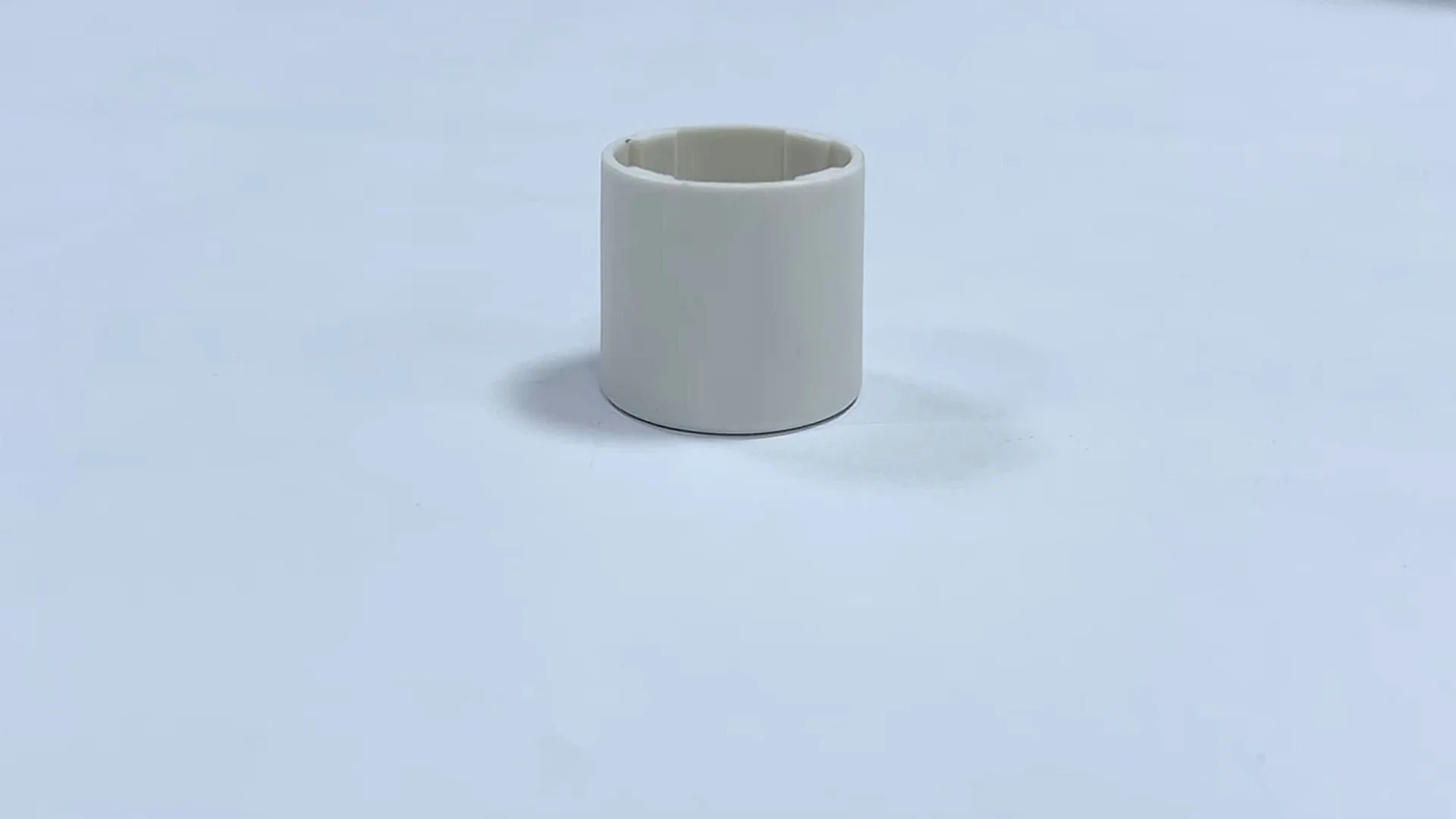
Plastic Pipe Sleeve
Plastic pipe sleeve to cover dia 28MM aluminum pipe end to contact with ground.
Let's start with a scene we've all lived (or worked) through: You're on the factory floor, and the clock is ticking. A critical part is needed for the assembly line, but when you rush to the material rack, you find it's either buried under other items, wedged in a tight corner, or the rack itself feels flimsy—like it might topple if you pull too hard. Frustration mounts, time slips away, and suddenly that "quick grab" turns into a five-minute scavenger hunt. Sound familiar? For teams leaning into lean manufacturing, these small inefficiencies add up fast. But what if the solution was simpler than a complete overhaul? Enter plastic pipe sleeves. These unassuming components are quietly transforming lean material racks, turning clunky, disorganized spaces into models of efficiency. Today, we're breaking down how plastic pipe sleeves work, why they're a game-changer for lean systems, and how they help teams like yours maximize storage space and boost accessibility—without breaking the bank.
First Things First: What Are Plastic Pipe Sleeves, Exactly?
If you're picturing a generic plastic tube, think again. Plastic pipe sleeves are purpose-built accessories designed to fit snugly over lean pipes—the metal or aluminum tubes that form the skeleton of most lean material racks, flow racks, and workstations. Made from durable materials like high-density polyethylene (HDPE) or polypropylene, they're flexible yet tough, with a smooth outer surface that reduces friction and a textured inner layer that grips the pipe, preventing slipping or shifting.
But here's the kicker: They're not just "covers." Plastic pipe sleeves are engineered to solve specific pain points in material handling. Some are color-coded for quick visual organization (hello, yellow for high-priority parts, grey for tools). Others have reinforced edges to withstand heavy loads, or anti-static properties to protect sensitive electronics (looking at you, ESD workstations). And because they're lightweight and easy to install—no special tools required—they're a favorite among teams that need to adapt quickly to changing production needs.
Why Lean Systems Can't Afford to Overlook the Little Things (Like Sleeves)
Lean manufacturing is all about eliminating waste—whether it's wasted time, wasted space, or wasted effort. And in that spirit, every component of a lean system matters, right down to the smallest accessory. Lean pipes, for example, are the backbone of modular racks and workbenches because they're affordable, adjustable, and strong. But on their own, they have limitations: Metal pipes can scratch delicate parts, they're prone to rust if not treated, and their rigid surfaces can create friction that slows down material flow.
That's where plastic pipe sleeves step in. They turn bare lean pipes into multi-functional tools. By adding a layer of protection, they prevent scratches on parts (saving you from costly rework). They insulate against moisture, extending the life of your racks. And their smooth surface? That's not just for looks—it makes sliding materials along roller tracks or flow racks feel effortless, cutting down on the physical strain of moving heavy items. In short, plastic pipe sleeves are the unsung heroes that make lean systems actually lean.

Maximizing Storage Space: How Sleeves Let You "Squeeze More" Without the Squeeze
Let's talk about space—the one resource every production floor never has enough of. Traditional material racks often force you into a trade-off: Either cram too much stuff into a small area (leading to jams and damage) or spread out so much that you're wasting valuable square footage. Plastic pipe sleeves flip that script by letting you optimize vertical and horizontal space without sacrificing accessibility.
Tighter Spacing, Smarter Storage
Ever tried to stack bins on a rack with bare metal pipes? Chances are, you left extra space between them to avoid scratching or jamming. With plastic pipe sleeves, that's no longer necessary. The smooth, padded surface means you can position bins and shelves closer together—sometimes by as much as 15%—without worrying about parts getting stuck or damaged. For a busy warehouse or workshop, that extra 15% adds up fast. Imagine a 20-foot flow rack: With sleeves, you might fit 12 bins instead of 10, freeing up an entire section of the rack for other materials.
Custom Configurations, On the Fly
Lean systems thrive on adaptability, and plastic pipe sleeves play into that perfectly. Since they're easy to slide on and off, you can reconfigure your racks in minutes. Need to adjust shelf heights to fit taller bins? Just remove the sleeves, adjust the lean pipe joints, and slide the sleeves back on. Want to create temporary dividers for small parts? Cut a few sleeves to size and secure them with zip ties—no drilling or welding required. This flexibility means you're never stuck with a "one-size-fits-all" storage solution. Your racks evolve with your needs, so you're always using space as efficiently as possible.

Accessibility: Making "Hard to Reach" a Thing of the Past
What good is a storage rack if you can't easily get what you need from it? We've all been there: stretching, tiptoeing, or even climbing (not safely!) to reach a bin on the top shelf, or kneeling to dig through the bottom one. Plastic pipe sleeves tackle accessibility from three angles: reducing friction, improving grip, and enhancing visibility.
Smoother Flow, Faster Retrieval
In flow racks, where gravity feeds parts from the back to the front, friction is the enemy. A rough metal surface can slow down even the lightest bins, leading to jams that disrupt the entire line. Plastic pipe sleeves solve this with their ultra-smooth exterior. When paired with roller tracks, they create a seamless path for materials—bins glide forward with minimal effort, so the next part is always ready and waiting. For teams that rely on just-in-time (JIT) production, this means no more pausing assembly to unjam a rack.
Grip Where It Counts (and Smooth Where It Doesn't)
Here's a little-known benefit: The textured inner layer of plastic pipe sleeves isn't just for stability—it also makes adjusting racks safer. When you need to reposition a lean pipe, the sleeve gives you a better grip than bare metal, reducing the risk of slips (especially if your hands are oily or gloved). And since the outer surface is smooth, it won't catch on gloves or clothing, making it easier to reach into tight spots without snagging. It's a small detail, but anyone who's fumbled with a slippery metal pipe mid-adjustment knows: Small details make a big difference.
Color-Coding: Your Secret Weapon for "Grab and Go" Efficiency
Ever walked up to a rack and thought, "Which bin has the widgets again?" With color-coded plastic pipe sleeves, that question becomes a thing of the past. Many manufacturers offer sleeves in standard colors like yellow, grey, red, and blue, so you can assign hues to specific part types, departments, or stages of production. For example: Yellow sleeves for raw materials, grey for work-in-progress, and blue for finished goods. Or, if you're running multiple product lines, use green for Line A and orange for Line B. Suddenly, even new team members can navigate the racks like pros—no training manual required.
Real-World Impact: How One Plant Boosted Efficiency by 30% with Sleeves
Let's put this all into context with a story from the field. Take Mike, a production manager at a automotive parts supplier. His team was struggling with a common problem: Their flow racks were constantly jamming, parts were getting scratched during retrieval, and the workshop floor felt cramped, with racks taking up more space than necessary. Mike had heard about lean systems but was hesitant to invest in a full overhaul—budget was tight, and he couldn't afford downtime.
Then, his lean consultant suggested a trial: Add plastic pipe sleeves to their existing lean pipe racks and roller tracks. Skeptical but willing, Mike ordered a batch of yellow and grey sleeves (yellow for fasteners, grey for gaskets) and had his team install them over a weekend. The results?
- Jams dropped by 75%: The smooth sleeves eliminated friction in the roller tracks, so parts flowed consistently from back to front.
- Scrap rates fell by 22%: The sleeves protected delicate gaskets from scratches, reducing the number of rejected parts.
- Space opened up by 15%: With tighter, more organized rack spacing, Mike's team reclaimed enough floor space to add two new workbenches.
- Retrieval time cut in half: Color-coding meant workers spent less time searching and more time assembling—saving an average of 45 minutes per shift.
"We didn't need to tear out our racks and start over," Mike told us later. "We just added sleeves, and suddenly everything worked better. It was like giving our lean system a tune-up instead of a replacement." Three months in, his team's overall efficiency was up 30%—and they're now rolling out sleeves to other areas of the plant.

Choosing the Right Plastic Pipe Sleeves: What to Look For
Not all plastic pipe sleeves are created equal. To get the most out of your investment, keep these factors in mind:
Material Matters: Durability vs. Flexibility
HDPE sleeves are great for heavy-duty applications—they're tough, chemical-resistant, and can handle loads up to 500 lbs per linear foot. Polypropylene sleeves, on the other hand, are more flexible, making them ideal for racks that need frequent reconfiguration. If you work with sensitive electronics, look for anti-static sleeves (marked "ESD-safe") to prevent static discharge from damaging components.
Size: Measure Twice, Buy Once
Sleeves come in standard diameters to fit common lean pipe sizes (1.5-inch, 1-inch, etc.). But "close enough" isn't good enough here—an ill-fitting sleeve will slip, reducing its effectiveness. Always measure your lean pipes (outer diameter) before ordering, and check the sleeve's inner diameter specs. Most manufacturers list compatible pipe sizes, so double-check that chart!
Color and Customization: Think About Your Workflow
Don't just pick colors at random—map out your workflow first. What categories do you need to separate? Parts types? Departments? Production stages? The goal is to make the color system intuitive. And if standard colors aren't enough, some suppliers offer custom printing (think: labeling sleeves with part numbers or QR codes for traceability).
| Sleeve Type | Color | Best For | Key Benefit |
|---|---|---|---|
| HDPE Heavy-Duty | Yellow | Heavy parts, high-traffic racks | Withstands up to 500 lbs; resists dents and cracks |
| Polypropylene Flexible | Grey | Frequently reconfigured racks, roller tracks | Bends without breaking; easy to install/remove |
| ESD-Safe | Black | Electronics manufacturing, sensitive components | Prevents static discharge; protects microchips and circuits |
| Color-Coded HDPE | Multi-color (red, blue, green) | Visual organization, cross-departmental use | Reduces retrieval time by up to 40% via instant identification |
Beyond the Rack: How Sleeves Play Nice with Other Lean Tools
Plastic pipe sleeves aren't one-trick ponies—they play well with other lean staples, too. Pair them with roller tracks, for example, and you've got a dynamic duo: Sleeves stabilize the track's structure, while the rollers ensure smooth material flow. Add casters to the bottom of a lean pipe rack, and the sleeves protect the floor from scratches as you move the rack around. Even workbenches benefit: Sleeves on the edges of a lean pipe workbench prevent tools from sliding off and protect the bench from dents.
And here's a pro tip: Use shorter sleeves as temporary dividers in bins or on shelves. Need to separate small parts in a large bin? Cut a sleeve into 6-inch sections and place them vertically—they're lightweight enough to move but sturdy enough to keep parts from mixing. It's a quick, low-cost hack that turns any bin into a customized organizer.
The Bottom Line: Sleeves Are a Lean Investment with Big Returns
At the end of the day, plastic pipe sleeves are more than just accessories—they're an investment in your team's efficiency, your product quality, and your bottom line. They cost a fraction of a full rack replacement, install in minutes, and start delivering results immediately. Whether you're looking to free up floor space, reduce retrieval time, or cut down on scrap, sleeves offer a simple, scalable solution that grows with your business.
So, if you're tired of janky racks, wasted space, and endless "where's that part?" moments, it might be time to give plastic pipe sleeves a try. Sarah, Mike, and thousands of other production managers will tell you: Sometimes, the smallest changes make the biggest impact. And in lean manufacturing, impact is everything.