- Company Articles
- Products and Technology
- Product knowledge
- Plastic Pipe Sleeves in Mechanical Manufacturing: Reducing Wear on Moving Lean Pipe Components

Plastic Pipe Sleeves in Mechanical Manufacturing: Reducing Wear on Moving Lean Pipe Components
Related Product
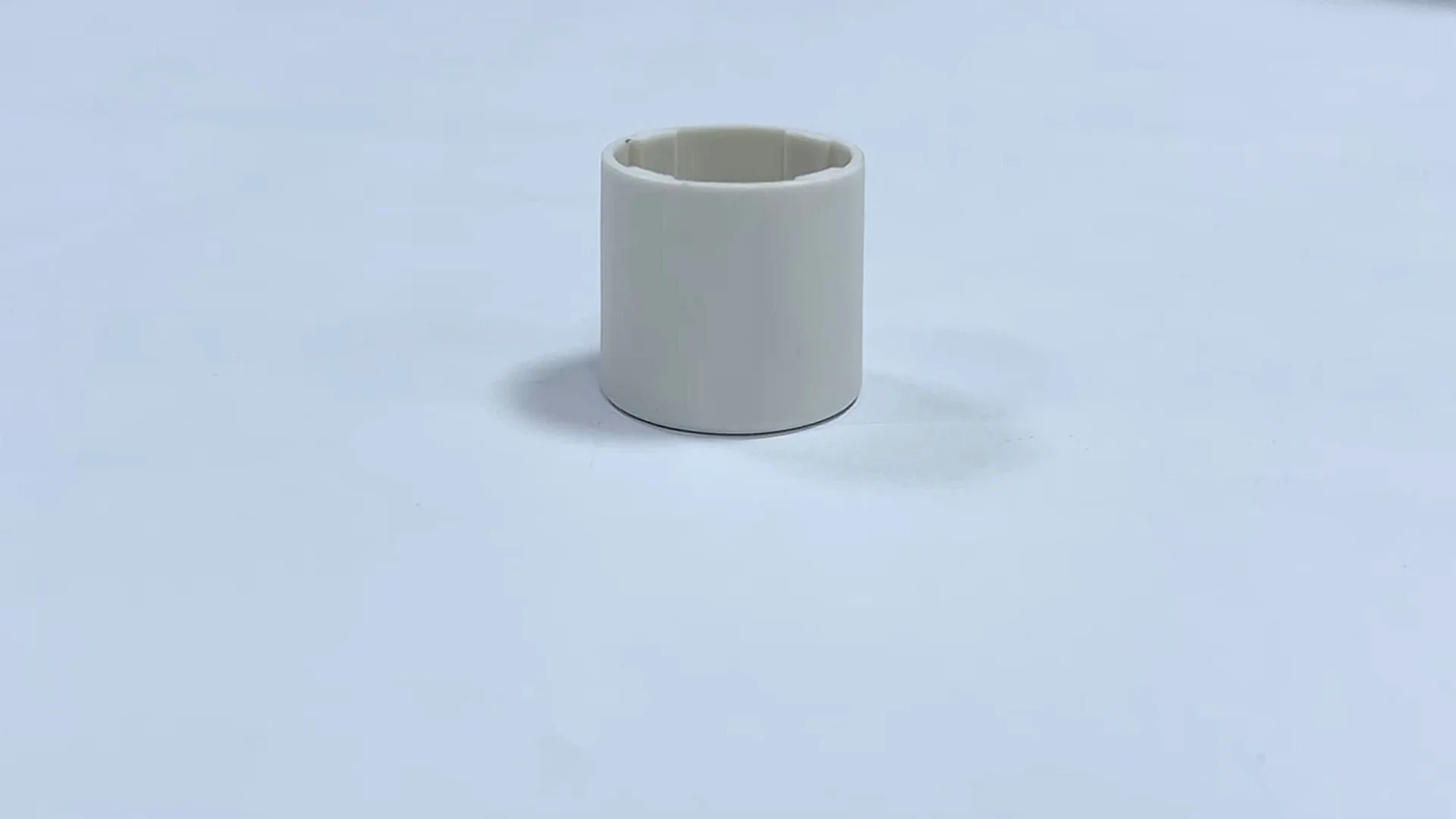
Plastic Pipe Sleeve
Plastic pipe sleeve to cover dia 28MM aluminum pipe end to contact with ground.
In the fast-paced world of mechanical manufacturing, every second counts. Production lines hum with the rhythm of moving parts, material handlers shuttle components across floors, and workbenches buzz with assembly activities. At the heart of many of these operations lies the lean pipe system—a versatile, modular framework that forms the backbone of lean manufacturing. But here's the catch: the very mobility and adjustability that make lean pipe systems so valuable also expose them to a silent enemy: wear and tear. Moving components like lean pipes, joints, and roller tracks rub against each other daily, gradually wearing down metal surfaces, causing squeaks, jams, and eventually, costly downtime. Enter the unsung hero of this story: the plastic pipe sleeve. Small, unassuming, and often overlooked, these simple accessories play a critical role in extending the life of lean pipe components, keeping production lines running smoothly, and ensuring lean systems live up to their promise of efficiency.
Understanding Plastic Pipe Sleeves: More Than Just a "Cover"
Before diving into their impact, let's clarify what plastic pipe sleeves are—and what they're not. These aren't just generic pieces of plastic tubing; they're precision-engineered components designed to fit snugly over lean pipes, joints, or roller tracks, acting as a protective barrier between moving parts. Typically made from durable polymers like polypropylene (PP), nylon, or polyethylene (PE), they're chosen for their unique blend of flexibility, toughness, and resistance to friction. Unlike rigid metal sleeves, plastic variants offer a "softer" interface that absorbs shocks, reduces noise, and minimizes direct contact between hard surfaces—key traits for reducing wear in dynamic environments.
Take, for example, a basic aluminum tube or a 2.0mm PE coated lean pipe (common in many lean systems). When these pipes are connected using a 90° fixed lean pipe joint or a swivel joint, the metal-on-metal contact during adjustments or movement can create micro-abrasions over time. A plastic pipe sleeve, slipped over the end of the pipe before attaching the joint, creates a buffer. It's like putting a silicone sleeve on a metal water bottle—not only does it prevent scratches, but it also adds grip and reduces noise when setting it down. In manufacturing terms, that "grip" translates to stable, rattle-free connections, and the "scratch prevention" means fewer replacements and less maintenance.
Why Lean Systems Can't Afford to Ignore Wear
Lean manufacturing is all about eliminating waste—whether it's time, materials, or unnecessary movement. But when lean pipe components wear out prematurely, they introduce a hidden form of waste: downtime. Imagine a busy assembly line where a worn lean pipe joint on a material rack suddenly seizes up. Workers stop what they're doing, maintenance crews are called in, and production grinds to a halt while the joint is replaced. Multiply that by dozens of joints, roller tracks, and caster wheels across a factory, and the costs add up quickly—both in lost productivity and replacement parts.
Lean system suppliers have long recognized this challenge. A reputable lean pipe supplier doesn't just sell pipes and joints; they offer solutions to keep those systems operating at peak efficiency. Plastic pipe sleeves are a prime example of such a solution. By reducing friction and wear, they help lean systems maintain their flexibility (a core principle of lean manufacturing) without sacrificing durability. Whether it's a simple workbench, a complex flow rack, or a turnover trolley zipping across the factory floor, these sleeves ensure that moving components stay mobile longer.

The Benefits of Plastic Pipe Sleeves: Beyond Just "Reducing Wear"
At first glance, the primary job of a plastic pipe sleeve is obvious: protect metal surfaces from wear. But dig deeper, and you'll find a host of secondary benefits that make them indispensable in modern manufacturing. Let's break them down:
1. Friction Reduction: The "Silent Efficiency Booster"
Friction is the enemy of movement. When two metal surfaces rub together, they create resistance that requires more force to overcome—whether it's a worker pushing a turnover trolley or a motor driving a roller conveyor. Plastic pipe sleeves, with their low coefficients of friction (typically between 0.1 and 0.3, compared to 0.5 or higher for uncoated metal), reduce this resistance. The result? Smoother movement, less strain on equipment, and even energy savings. For example, a roller track fitted with a plastic roller track guide rail (yellow or grey, as you'll often see in factories) paired with sleeves on the rollers themselves can cut the effort needed to slide a bin along the track by 30% or more. That might not sound like much, but over a full shift with hundreds of movements, it adds up to less worker fatigue and faster material handling.
2. Corrosion Resistance: Fighting the Elements
Many manufacturing environments are harsh. Factories may have high humidity, exposure to oils or coolants, or even occasional spills. Unprotected metal lean pipes or joints can rust or corrode under these conditions, weakening their structural integrity and increasing friction as rust builds up. Plastic pipe sleeves act as a barrier, shielding the metal from moisture and chemicals. Nylon sleeves, in particular, are resistant to most industrial fluids, making them ideal for use near machining centers or assembly lines where lubricants are present. Even in cleaner environments, like electronics manufacturing facilities using ESD workstations, sleeves prevent oxidation on aluminum or stainless steel components, ensuring they maintain their conductivity and structural strength over time.
3. Cost-Effectiveness: Small Investment, Big Returns
Let's talk numbers. A single plastic pipe sleeve costs anywhere from $1 to $5, depending on size and material. Compare that to the cost of replacing a worn lean pipe joint ($15–$30), a section of roller track ($50–$100), or even a workbench leg ($20–$40). If a sleeve extends the life of a joint from 6 months to 24 months, that's a 75% reduction in replacement costs. Multiply that across an entire factory with hundreds of joints and tracks, and the savings become substantial. It's a classic case of "paying a little now to save a lot later"—a principle that aligns perfectly with lean manufacturing's focus on long-term efficiency.
| Feature | Plastic Pipe Sleeves (Nylon/PP) | Uncoated Metal Sleeves |
|---|---|---|
| Friction Coefficient (Static) | 0.15–0.30 | 0.40–0.60 |
| Abrasion Resistance | High (resists micro-scratches) | Moderate (prone to wear over time) |
| Corrosion Resistance | Excellent (resists moisture, oils, chemicals) | Poor (susceptible to rust/corrosion) |
| Cost per Unit | $1–$5 | $5–$10 |
| Typical Lifespan in Lean Systems | 18–24 months | 6–12 months |
| Noise Reduction | Significant (reduces metal-on-metal squeaks) | Minimal (loud, rattling movement) |
4. Noise Reduction: A Quieter, Happier Workplace
Manufacturing floors are rarely quiet, but unnecessary noise—like the squeak of a metal roller track or the rattle of a loose lean pipe joint—can be distracting and stressful for workers. Plastic pipe sleeves dampen these sounds by absorbing vibrations and preventing metal-on-metal contact. A turnover trolley with sleeve-protected caster wheels glides more quietly than one without, and a flow rack with sleeved roller tracks reduces the "clatter" of bins sliding into place. Over time, this creates a more pleasant work environment, which studies have shown can boost employee morale and productivity—another win for lean systems focused on optimizing human performance.

Real-World Applications: Where Plastic Pipe Sleeves Shine
To truly appreciate the value of plastic pipe sleeves, let's look at how they're used in three common lean system components: lean pipe joints, workbenches, and roller tracks. These are the workhorses of manufacturing, and sleeves make a tangible difference in their performance.
Lean Pipe Joints: The "Connectors" of Lean Systems
Lean pipe joints—like the 45° fixed lean pipe joint, the 180° swivel joint, or the parallel lean pipe joint—are the unsung heroes that hold lean systems together. They allow pipes to be connected at various angles, adjusted, and reconfigured as production needs change. But every adjustment or rotation creates friction between the pipe and the joint. Without protection, this friction wears down the inner surface of the joint, making it loose over time. A plastic pipe sleeve, cut to the length of the pipe's insertion into the joint, creates a smooth, low-friction interface. For example, a 90° crossing lean pipe joint (used to connect perpendicular pipes) often sees rotational movement when the system is reconfigured. A sleeve here ensures that even after 50+ adjustments, the joint remains tight and the pipe doesn't develop grooves from wear.
Workbenches: Stability Meets Durability
Workbenches are the heart of assembly operations, and many modern workbenches—like the Workbench E (single deck-without caster) from lean system suppliers—are built using lean pipe frames for adjustability. The legs of these workbenches often feature adjustable feet or leveling mechanisms to compensate for uneven floors. When these feet are adjusted, the metal threads or brackets can rub against the bench frame, causing wear. A plastic pipe sleeve wrapped around the adjustment rod or over the bracket prevents this. Similarly, workbenches with sliding components (like tool holders or parts bins) use small roller tracks; sleeves on these tracks ensure smooth, quiet movement even after years of daily use.
Roller Tracks: Keeping Materials Moving
Roller tracks—such as plastic roller track guide rail yellow or aluminum guide rail A—are everywhere in manufacturing, from flow racks to conveyor systems. They allow materials to slide or roll from one workstation to the next with minimal effort. But the rollers themselves, often made of plastic or metal, can wear down the track's edges over time, especially with heavy loads. Sleeves placed on the track's guide rails or over the roller axles reduce this wear. For instance, a 40 steel roller track with black ESD wheels (used in electronics manufacturing to prevent static buildup) benefits from sleeves that protect both the track and the wheels, ensuring ESD properties remain intact and movement stays smooth.

Choosing the Right Sleeve: Material Matters
Not all plastic pipe sleeves are created equal. The best sleeve for a given application depends on factors like load weight, temperature, exposure to chemicals, and movement frequency. Here's a quick guide to common materials:
- Polypropylene (PP): The most economical option, PP sleeves are lightweight, flexible, and resistant to water and mild chemicals. They work well for low-to-medium load applications, like light-duty workbenches or small turnover trolleys.
- Nylon: More durable than PP, nylon sleeves handle higher loads and temperatures (up to 120°C). They're ideal for heavy-duty roller tracks, caster wheels on material handlers, or joints that see frequent adjustment.
- Polyethylene (PE): Known for its impact resistance, PE sleeves are great for applications with occasional shocks, like turnover trolleys that might be bumped into racks. They're also food-safe, making them suitable for packaging or food processing environments.
A reputable lean pipe supplier can help recommend the right material based on your specific needs. For example, if you're using a material rack B (3 row and 3 floor) to store heavy metal parts, they might suggest nylon sleeves for the rack's vertical lean pipes to handle the constant weight and occasional bumps from material handlers.
Installation Tips: Getting the Most Out of Your Sleeves
Plastic pipe sleeves are easy to install, but a few best practices will ensure they deliver maximum value:
- Measure Twice, Cut Once: Sleeves should fit snugly over the pipe or joint—too loose, and they'll slip; too tight, and they might tear during installation. Measure the diameter of the component and choose a sleeve with a matching inner diameter (typically 0.5–1mm larger than the component for a tight fit).
- Clean Surfaces First: Before installing, wipe down the pipe or joint with a clean cloth to remove dirt, oil, or rust. This ensures the sleeve adheres properly and prevents debris from causing friction under the sleeve.
- Use Lubricant for Tight Fits: For sleeves that are a tight fit (common with nylon), a small amount of soapy water or silicone spray can help slide them into place without stretching or tearing.
- Inspect Regularly: While sleeves are durable, they do wear out eventually. Check them during routine maintenance—look for cracks, thinning, or signs of friction (like discoloration). replace sleeves before they fail to avoid damaging the underlying component.
Case Study: How One Factory Cut Downtime by 70% with Sleeves
Consider a mid-sized automotive parts manufacturer that relied on lean pipe systems for material handling. Their production line used a network of flow racks, turnover trolleys, and workbenches—all built with 1.5mm PE coated lean pipes and standard lean pipe joints. Over time, they noticed increasing downtime: joints were seizing, roller tracks were jamming, and caster wheels were wearing out every 3–4 months. Maintenance costs were rising, and workers were frustrated by the frequent interruptions.
The factory's lean coordinator reached out to their lean pipe supplier, who recommended installing nylon plastic pipe sleeves on all moving joints, roller tracks, and caster axles. The change was gradual—maintenance crews installed sleeves during scheduled downtime over two weeks. The results were striking: within six months, joint replacements dropped by 80%, roller track jams decreased by 90%, and caster wheel life extended to 12+ months. Downtime related to lean system failures fell by 70%, and workers reported less fatigue from pushing trolleys and sliding bins. The total cost of sleeves? Less than $500. The savings in replacement parts and downtime? Over $20,000 in the first year alone.
The Future of Plastic Pipe Sleeves: Innovation on the Horizon
As manufacturing evolves, so too will the tools that support it. Plastic pipe sleeves are no exception. Here are a few trends to watch:
Eco-Friendly Materials
With sustainability becoming a key focus for many manufacturers, we're seeing more sleeves made from recycled plastics or bio-based polymers (like PLA derived from cornstarch). These sleeves offer the same performance as traditional plastics but with a lower environmental footprint—aligning with the "green lean" movement that combines efficiency with eco-consciousness.
Smart Sleeves with Wear Sensors
Imagine a sleeve embedded with a tiny RFID tag or a conductive thread that changes resistance as it wears down. When the sleeve reaches a certain wear threshold, it sends a signal to the factory's maintenance system, alerting crews to replace it before failure. This "predictive maintenance" approach is already being tested in high-tech manufacturing environments and could soon become standard for critical lean system components.
Customized Shapes for Specialized Joints
Not all lean pipe joints are round. As lean systems become more specialized, we're seeing unique joint designs—like the internal rotatary aluminum joint or the parallel fixation aluminum pipe joint. Sleeve manufacturers are responding with custom-molded sleeves that fit these non-standard shapes, ensuring even the most complex joints get the protection they need.
Conclusion: Small Component, Big Impact
In the grand scheme of manufacturing, plastic pipe sleeves might seem trivial. They're small, inexpensive, and rarely get the spotlight. But as we've explored, their impact is anything but minor. By reducing wear on lean pipe components, they keep production lines moving, lower maintenance costs, and create quieter, more efficient workplaces. They embody the lean principle of "kaizen"—continuous improvement—by solving a small problem that, left unchecked, can create big waste.
So, the next time you walk through a manufacturing facility, take a closer look at the lean pipe systems. Chances are, the smooth, quiet movement of those pipes, joints, and trolleys is thanks to a simple plastic sleeve doing its job. And for manufacturers looking to squeeze every ounce of efficiency from their operations, that's a small investment with a very big return.