- Company Articles
- Products and Technology
- Product knowledge
- Plastic Pipe Sleeves vs. Silicone Sleeves: Which Offers Better Chemical Resistance?

Plastic Pipe Sleeves vs. Silicone Sleeves: Which Offers Better Chemical Resistance?
Related Product
Plastic Pipe Sleeve
Plastic pipe sleeve to cover dia 28MM aluminum pipe end to contact with ground.
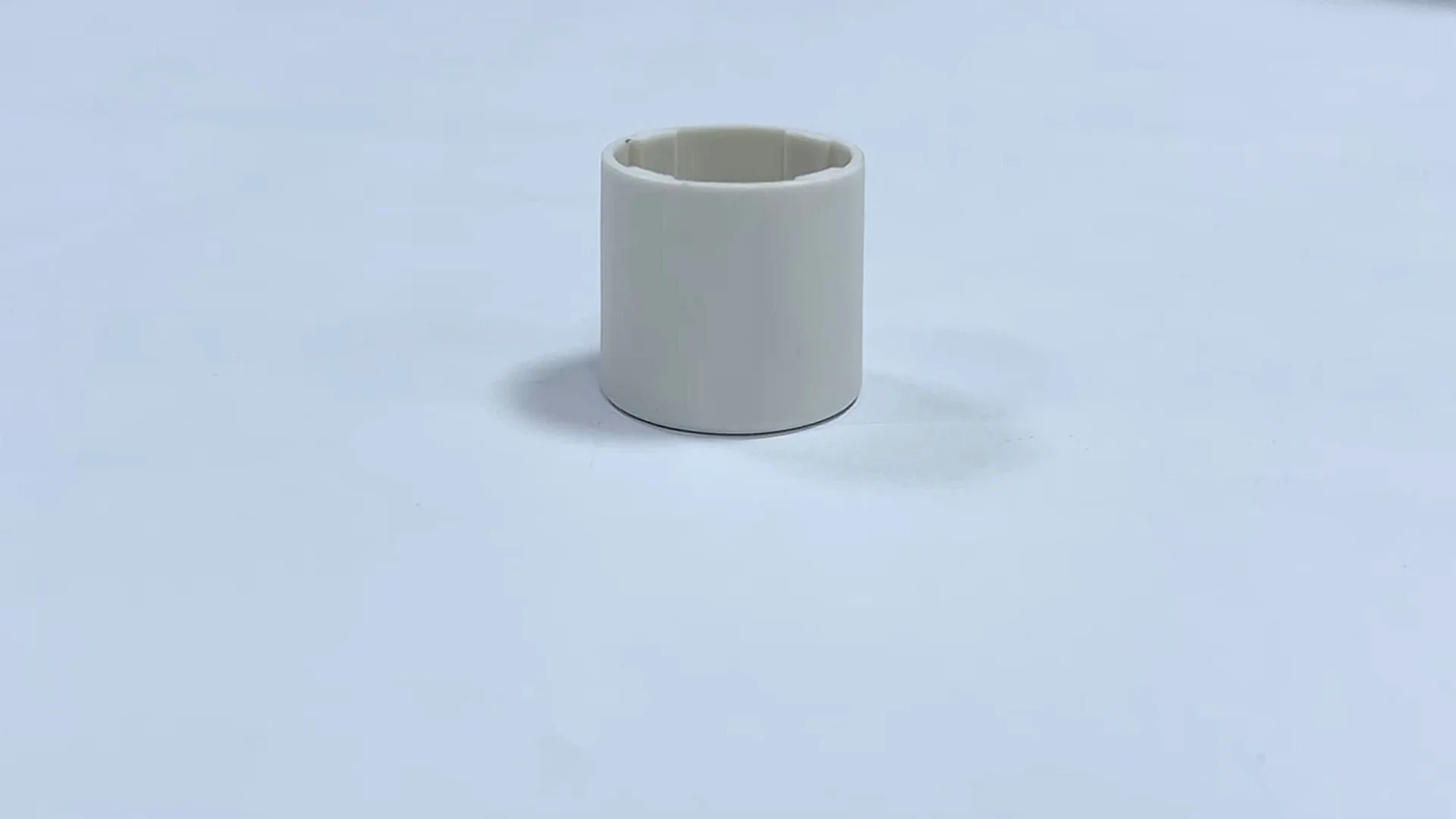
In the world of manufacturing, labs, and industrial workspaces, it's often the smallest components that keep operations running smoothly. Take pipe sleeves, for example—those unassuming covers that wrap around pipes, tubes, or rods to protect them from friction, impact, and yes, even the corrosive wrath of chemicals. Whether you're setting up a lean pipe assembly line, maintaining an ESD workstation, or installing a stainless steel pipe series in a chemical plant, choosing the right sleeve can mean the difference between a system that lasts for years and one that fails after months of exposure.
Today, we're diving into two of the most common options: plastic pipe sleeves and silicone sleeves. If you've ever wondered which one holds up better when faced with acids, solvents, oils, or other harsh substances, you're in the right place. We'll break down their materials, how they react to different chemicals, and where each truly shines—so you can stop guessing and start choosing with confidence.
First Things First: What Are We Actually Comparing?
Before we jump into chemical resistance, let's make sure we're on the same page about what these sleeves are. Both plastic pipe sleeves and silicone sleeves serve the same basic purpose—they act as a barrier between a pipe (or rod, tube, etc.) and its environment. But their materials, textures, and properties are worlds apart.
Plastic Pipe Sleeves: These are the rigid, often smooth sleeves you might see on lean pipe systems in factories. Made from materials like PVC (polyvinyl chloride), polyethylene (PE), or polypropylene (PP), they're typically stiff, lightweight, and come in standard sizes to fit pipes like basic aluminum tubes or even stainless steel pipe series. Think of them as the "workhorses" of the sleeve world—affordable, easy to install, and designed for durability in everyday industrial settings.
Silicone Sleeves: If plastic sleeves are the workhorses, silicone sleeves are the "specialists." Soft, flexible, and slightly rubbery to the touch, they're made from silicone rubber—a material prized for its heat resistance, flexibility, and ability to maintain shape even under extreme conditions. You'll often find them in places where precision matters, like ESD workstations (where static control is critical) or medical labs, where they need to withstand frequent sterilization.
The Big Question: How Do They Stand Up to Chemicals?
Chemical resistance isn't a one-size-fits-all trait. A sleeve that laughs off brake fluid might crumble at the first drop of battery acid, and vice versa. To really understand which sleeve is better, we need to look at the types of chemicals they're likely to encounter in real life—and how their molecular structures hold up.
Let's Talk About Plastic Pipe Sleeves
Plastic sleeves are popular for a reason: their chemical resistance is surprisingly broad, especially when you consider their low cost. Let's break down how common plastics handle typical industrial chemicals:
- PVC Sleeves: Great at resisting acids (like vinegar or mild hydrochloric acid) and alkalis (like ammonia). They also hold up well to oils and some solvents, which is why you'll see them on lean pipe workbenches where machinery is lubricated daily. However, strong solvents like acetone or MEK can soften or even dissolve PVC over time—so if your workspace uses heavy-duty degreasers, PVC might not be the best bet.
- Polyethylene (PE) Sleeves: PE is the "gentle giant" of plastics. It's resistant to most acids, alcohols, and water-based solutions, making it ideal for food processing or pharmaceutical lines where cleanliness is key. But it's not a fan of oils or hydrocarbons (think gasoline or motor oil)—exposure can make PE sleeves swell or become brittle.
- Polypropylene (PP) Sleeves: PP steps up where PE falls short. It resists oils, solvents, and even some strong acids like sulfuric acid (in low concentrations). This makes PP sleeves a favorite for chemical storage areas or labs where pipes (often aluminum pipe or stainless steel pipe series) carry corrosive liquids. The tradeoff? PP is stiffer than PE, so it's less flexible if you need a sleeve that can bend with the pipe.
Now, Silicone Sleeves
Silicone sleeves are often marketed as "chemically resistant," but that's a bit of a misnomer. They're resistant to certain chemicals, but not all. Let's unpack their strengths and weaknesses:
- Oils and Greases: Silicone loves these. Unlike PE or even some PP sleeves, silicone repels oils and doesn't swell or degrade when exposed to motor oil, hydraulic fluid, or cooking grease. This is why you'll find silicone sleeves on machinery parts that need constant lubrication—they keep the oil where it belongs, not soaking into the sleeve.
- High Temperatures + Chemicals: Silicone can handle heat up to 300°C (572°F) without melting, which is a superpower when combined with hot chemicals. For example, in an ESD workstation where circuit boards are cleaned with hot isopropyl alcohol, a silicone sleeve around an aluminum pipe won't warp or release toxic fumes—something plastic sleeves might struggle with.
- The Weak Spot: Strong Acids and Solvents: Silicone isn't invincible. Strong acids like nitric acid or concentrated sulfuric acid can break down its molecular structure, causing the sleeve to become sticky or brittle. Similarly, solvents like toluene or xylene (used in paints and adhesives) can swell silicone, making it lose its grip on the pipe.

Real-World Scenarios: When Would You Choose One Over the Other?
Numbers and chemical names are helpful, but let's ground this in real life. Here are three common scenarios where the choice between plastic and silicone sleeves matters—and what we'd recommend.
Scenario 1: A Lean Pipe Assembly Line in an Auto Factory
Imagine a busy auto parts plant where lean pipe workbenches (made with, you guessed it, lean pipe) are used to assemble brake components. The daily routine involves wiping down the workbenches with a mild degreaser (mostly water and citrus-based solvents) and occasional exposure to brake fluid (a glycol-based oil).
Our Pick: Plastic pipe sleeves (specifically PP or PVC). Here's why: The degreaser is mild enough that PVC won't dissolve, and brake fluid (glycol-based) isn't a problem for PP. Plastic sleeves are also cheaper than silicone, which matters when you're outfitting an entire assembly line. Plus, the rigid structure of plastic keeps the lean pipe stable—no need for the flexibility of silicone here.
Scenario 2: An ESD Workstation in a Semiconductor Lab
In a semiconductor lab, ESD workstations are critical for handling sensitive microchips. These workstations often have aluminum pipes (to dissipate static) that need sleeves to protect against spills of hydrofluoric acid (used in etching circuits) and hot isopropyl alcohol (for cleaning).
Our Pick: Silicone sleeves. Hydrofluoric acid is tricky—while it's not as strong as sulfuric acid, it can etch glass and some plastics. Silicone, however, resists dilute hydrofluoric acid better than most plastics. Plus, the hot isopropyl alcohol won't warp silicone, whereas a plastic sleeve might soften or melt at high temps. The flexibility of silicone also helps here—aluminum pipes in ESD workstations are sometimes adjusted for ergonomics, and a rigid plastic sleeve might crack under frequent bending.
Scenario 3: A Brewery Using Stainless Steel Pipe Series for Beer Lines
A craft brewery uses stainless steel pipe series to transport beer from fermenters to bottling machines. The pipes are cleaned weekly with a caustic soda solution (a strong alkali) and occasional rinses with phosphoric acid (to remove mineral deposits).
Our Pick: Plastic pipe sleeves (polypropylene). PP is a rockstar when it comes to alkalis like caustic soda, and it handles dilute phosphoric acid without breaking a sweat. Beer itself is mostly water and hops, which PE or PP can handle easily. Silicone would work here too, but it's overkill—you don't need the heat resistance or oil resistance, and PP is half the cost.

The Fine Print: Other Factors That Matter
Chemical resistance is the star of the show, but there are other factors to consider before you buy. Let's quickly cover them:
- Cost: Plastic sleeves are almost always cheaper than silicone. For example, a 10-foot PP plastic pipe sleeve might cost $5–$10, while a silicone sleeve of the same length could be $15–$25. If you're on a tight budget and don't need silicone's special properties, plastic is the way to go.
- Flexibility: Silicone is stretchy and bendable, which is great if your pipes move (like on a mobile cart) or if you need a snug fit around irregular shapes. Plastic is rigid—good for stability, bad for flexibility.
- Installation: Plastic sleeves often slide on easily but can be hard to adjust once in place (they might crack if you bend them too much). Silicone stretches, so you can slip it on and reposition it without damage.
- Durability Over Time: Plastic sleeves can become brittle with UV exposure or repeated temperature changes. Silicone is more resistant to aging but can attract dust and dirt due to its slightly sticky surface (though this is easily cleaned).

The Verdict: Which Sleeve Wins for Chemical Resistance?
Here's the truth: there's no "one sleeve to rule them all." It depends on what chemicals you're dealing with, the environment, and your budget. But to simplify:
Choose plastic pipe sleeves if: You're working with mild chemicals (mild acids, alkalis, water-based solutions), need something rigid and affordable, or are using lean pipe systems in general manufacturing. PP is best for oils and moderate acids; PVC for general use; PE for food-safe or water-based applications.
Choose silicone sleeves if: You're dealing with high temperatures + chemicals (like hot solvents), oils/greases, or need flexibility (e.g., on moving parts or ESD workstations). Just avoid strong acids or heavy solvents—silicone can't handle those.
At the end of the day, the best sleeve is the one that fits your specific needs. If you're still unsure, grab a small sample of each and test them with your most common chemicals—you'll get a firsthand look at how they hold up. After all, the last thing you want is to replace a sleeve (or worse, a pipe) because you guessed wrong.
Final Thoughts
Pipe sleeves might seem like an afterthought, but they're the unsung heroes of industrial and lab spaces. Whether you're building a lean pipe assembly line or setting up an ESD workstation, taking the time to choose the right sleeve for chemical resistance can save you time, money, and headaches down the line. So next time you're shopping for sleeves, remember: it's not just about covering a pipe—it's about protecting your entire operation.
| Sleeve Type | Best For Chemicals | Worst For Chemicals | Top Use Cases |
|---|---|---|---|
| Plastic (PP) | Oils, moderate acids, alkalis | Strong solvents (acetone, MEK) | Lean pipe workbenches, chemical storage |
| Plastic (PVC) | Mild acids, alkalis, water-based solvents | Strong solvents, high heat | General manufacturing, plumbing |
| Silicone | Oils, greases, hot solvents | Strong acids (nitric, sulfuric), heavy solvents | ESD workstations, high-temp machinery |