- Company Articles
- Products and Technology
- Product knowledge
- Plastic vs Aluminum Side Guards: Durability & Cost Comparison for Factories

Plastic vs Aluminum Side Guards: Durability & Cost Comparison for Factories
Related Product
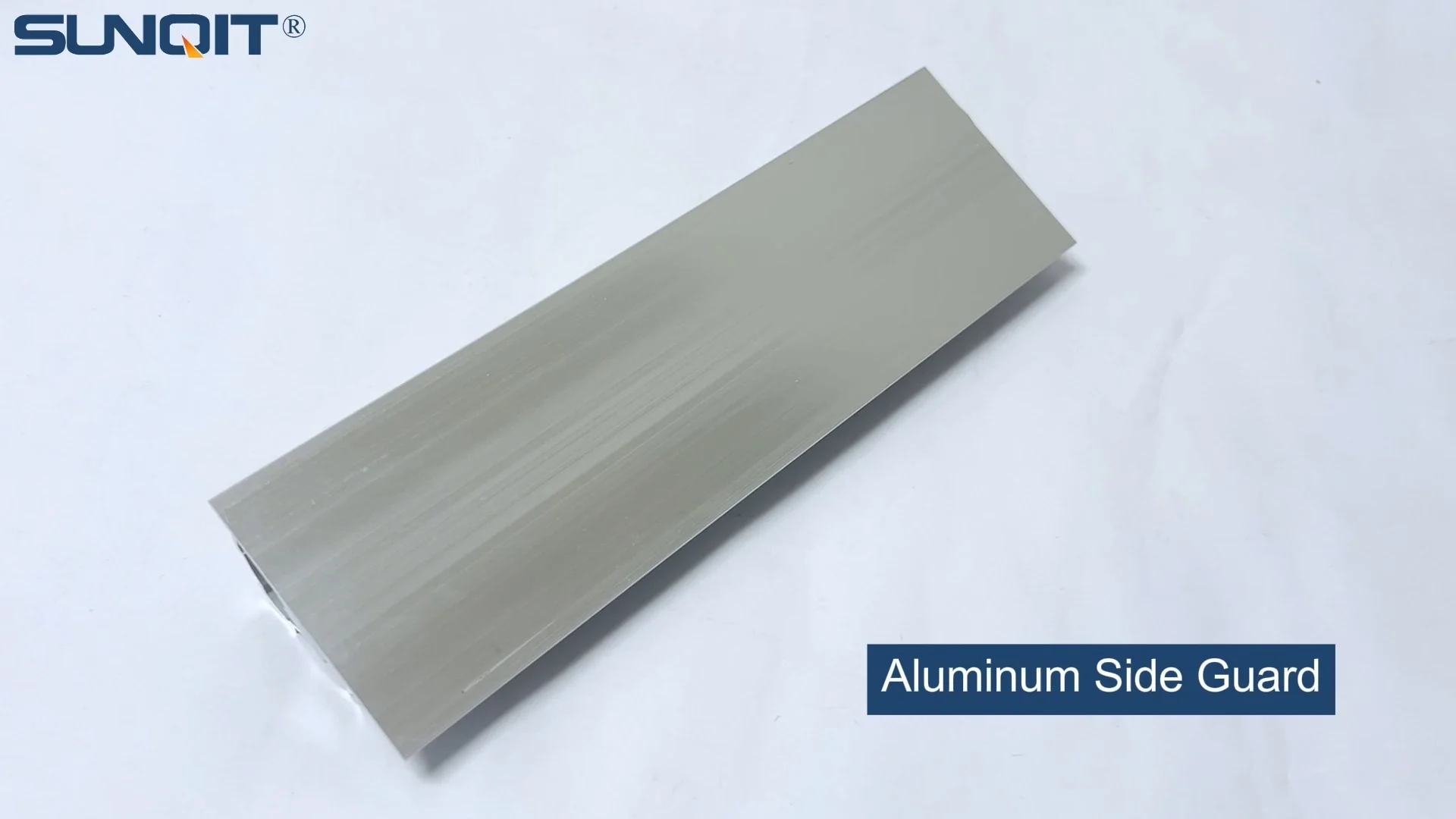
Aluminum Side Guard
Aluminum side guard, it works with a aluminum pipe or a roller track as side guard to prevent material drop,or move to wrong direction.
Walk onto any busy factory floor, and you'll notice a symphony of movement: conveyor belts hum, forklifts glide, workers load and unload materials. Amidst this chaos, there's an unsung hero keeping everything in line—side guards. These unassuming barriers line workbenches, flow racks, and conveyor systems, preventing materials from slipping, protecting equipment from collisions, and ensuring workers stay safe. But not all side guards are created equal. When it comes to choosing between plastic and aluminum, the decision can feel overwhelming. Do you prioritize upfront cost savings, or invest in long-term durability? Does your factory's unique environment—whether it's a temperature-controlled electronics plant or a rugged automotive facility—demand one material over the other? In this article, we'll dive deep into the plastic vs. aluminum side guard debate, breaking down durability, cost, and real-world performance to help you make the choice that keeps your operations running smoothly, your team safe, and your budget intact.
What Are Side Guards, and Why Do They Matter?
Before we compare materials, let's clarify what side guards are and why they're critical to factory operations. Side guards are protective barriers, typically made of plastic, metal, or composite materials, designed to contain items on work surfaces, guide products along conveyor tracks, or shield equipment from accidental impacts. They're found everywhere: on lean pipe workbenches where assembly workers organize components, along roller tracks in distribution centers, and even on turnover trolleys that transport parts between stations.
Their role goes beyond "keeping things from falling off." A well-designed side guard reduces downtime by preventing jams in conveyor systems, minimizes product damage (no more cracked circuit boards or dented metal parts), and lowers the risk of workplace injuries. Imagine a scenario where a loose component slides off a workbench and into a moving conveyor belt—suddenly, production halts, a technician spends an hour fixing the jam, and the team misses its daily quota. A sturdy side guard could have prevented that. In short, side guards are small investments that deliver big returns in efficiency, safety, and cost savings.
Plastic Side Guards: The Flexible Contender
Plastic side guards have long been a staple in factories, prized for their affordability and versatility. Made from materials like polyethylene (PE), polypropylene (PP), or polyvinyl chloride (PVC), they're lightweight, easy to install, and come in a range of colors and styles—including the ever-popular plastic roller track guide rail yellow , a bright, visible option often used in high-traffic areas to alert workers to potential hazards.
Materials & Design: Lightweight and Adaptable
Most plastic side guards are molded or extruded into rigid yet slightly flexible shapes. PE and PP are common choices because they're resistant to chemicals (important for factories handling oils, solvents, or cleaning agents) and have decent impact absorption. For example, plastic roller track guide rail yellow guards are often used on flow racks, where their smooth surface helps products glide easily while their raised edges keep items centered. Their bright yellow color also serves as a visual cue, making it easier for workers to align materials correctly during loading.
Plastic guards excel in environments where flexibility is key. Unlike metal, plastic can bend slightly under impact without cracking—think of a worker accidentally bumping a trolley into a guard; instead of denting, the plastic flexes and returns to shape. This "give" makes them ideal for low-to-medium impact areas, such as small parts assembly lines or indoor storage facilities.
Durability: When Does Plastic Hold Up?
Plastic's durability depends heavily on the environment. In controlled indoor settings—away from extreme temperatures, direct sunlight, or heavy loads—plastic guards can last 3–5 years. They resist rust and corrosion, which is a plus for factories with high humidity or occasional spills. However, they have limitations:
- Heat sensitivity: PVC and some PE guards can warp or soften in temperatures above 120°F (49°C), making them a poor fit for factories with ovens, furnaces, or outdoor exposure in hot climates.
- UV degradation: Prolonged sunlight exposure causes plastic to become brittle over time, leading to cracks or discoloration. This is less of an issue indoors but a dealbreaker for outdoor warehouses.
- Heavy loads: While plastic handles light to medium items well, repeated impacts from heavy materials (e.g., metal castings, large machinery parts) can cause permanent deformation or breakage.
Take the plastic roller track guide rail yellow example again: in a small electronics factory, where workers handle circuit boards and small tools, these guards might last 5+ years with minimal wear. But in a furniture manufacturing plant, where wooden planks or metal frames slide along the same tracks daily, the plastic edges could chip or crack within a year, requiring frequent replacements.
Cost: Upfront Savings, Hidden Costs
Plastic side guards are hard to beat when it comes to upfront cost. A 10-foot length of basic plastic guard might cost $15–$30, compared to $40–$80 for aluminum. This makes them attractive for small businesses or factories with tight budgets, especially for temporary setups or low-volume operations.
But here's the catch: plastic's lower upfront cost often masks higher long-term expenses. Let's crunch the numbers. Suppose a factory installs 50 feet of plastic guards at $20/foot ($1,000 total). If they need replacement every 3 years, over a 10-year period, that's $3,333 (plus labor for installation each time). Compare that to aluminum (more on that later), and the "cheaper" option starts to look less appealing. Maintenance adds another layer—plastic guards may need cleaning with harsh chemicals to remove grease buildup, which can degrade the material faster, or patching for small cracks, which only delays the inevitable replacement.

Aluminum Side Guards: The Sturdy Performer
Aluminum side guards are the heavyweights of the industry, favored for their strength, longevity, and sleek appearance. Made from aluminum profile —extruded aluminum shapes with consistent cross-sections—they're the go-to choice for factories that prioritize durability and performance, even at a higher upfront cost.
Materials & Design: Strength in Simplicity
Aluminum's popularity stems from its unique properties: it's lightweight (about 1/3 the weight of steel), naturally corrosion-resistant (thanks to a protective oxide layer), and infinitely recyclable. Aluminum profile side guards are typically extruded into T-shapes, L-shapes, or flat bars, with pre-drilled holes for easy mounting to workbenches or conveyor frames. Unlike plastic, aluminum can be customized to precise dimensions—critical for factories with unique equipment layouts.
For example, an automotive plant might use thick-walled aluminum profile guards along its assembly line conveyors. These guards need to withstand impacts from robotic arms, heavy car parts, and constant vibration—tasks plastic simply can't handle. The aluminum's rigidity ensures the conveyor track stays aligned, preventing jams, while its corrosion resistance holds up against the lubricants and coolants used in automotive manufacturing.
Durability: Built to Last
When it comes to longevity, aluminum side guards are in a league of their own. In indoor, climate-controlled environments, they can last 10–15 years—sometimes even longer with minimal maintenance. Their resistance to temperature extremes (they handle both freezing cold and sweltering heat without warping) makes them suitable for outdoor use, such as loading docks or warehouse yards.
Aluminum also excels in high-impact scenarios. A forklift accidentally grazing an aluminum guard might leave a small scratch, but the guard itself will stay intact. In contrast, the same impact could shatter a plastic guard. This durability is why industries like aerospace, automotive, and heavy machinery rely on aluminum—they can't afford the downtime or safety risks of frequent guard replacements.
One caveat: while aluminum resists corrosion, it's not impervious. In highly acidic or salty environments (e.g., coastal factories or chemical plants), aluminum may still corrode over time. For these cases, anodized or powder-coated aluminum profile guards add an extra layer of protection, extending their lifespan even further.
Cost: Higher Upfront, Lower Over Time
There's no denying it: aluminum side guards cost more upfront. A 10-foot length of extruded aluminum profile guard might run $50–$100, depending on thickness and customization. For a factory needing 100 feet of guards, that's $5,000–$10,000 upfront, compared to $1,500–$3,000 for plastic. But this initial investment pays off over time.
Let's revisit our earlier 10-year cost example. With aluminum guards lasting 15 years, the 100-foot setup would cost $5,000–$10,000 once, plus minimal maintenance (occasional cleaning, maybe a fresh coat of paint after 10 years). Plastic guards, replaced every 3 years, would cost $5,000–$10,000 over the same period, not counting labor for replacements. For high-traffic factories, aluminum often becomes the cheaper option within 5 years. It's a classic case of "pay now or pay (more) later."

Head-to-Head: Plastic vs. Aluminum Side Guards
To help you visualize the tradeoffs, let's compare plastic and aluminum side guards across key factors:
| Factor | Plastic (e.g., Plastic Roller Track Guide Rail Yellow) | Aluminum (e.g., Aluminum Profile) |
|---|---|---|
| Durability | 3–5 years (indoor, low impact); prone to UV damage and warping in heat. | 10–15+ years; resists corrosion, impacts, and temperature extremes. |
| Upfront Cost | Low: $15–$30 per 10-foot length. | High: $50–$100 per 10-foot length. |
| Long-Term Cost | Higher: Frequent replacements and maintenance. | Lower: Minimal replacements; once installed, lasts decades. |
| Installation | Easy: Lightweight, can be cut with basic tools (hacksaw, utility knife). | Moderate: Requires drills, saws for cutting aluminum; heavier to mount. |
| Environmental Resistance | Good for indoor, dry, moderate temps; poor in UV, heat, or heavy moisture. | Excellent: Handles outdoor, high humidity, extreme temps, and chemicals (with coating). |
| Impact Resistance | Low to medium: Flexes under light impacts but cracks/breaks under heavy loads. | High: Dents minimally but stays structurally intact under heavy impacts. |
As the table shows, the choice hinges on your factory's specific needs. Let's explore two real-world examples to see how these factors play out.
Real-World Applications: When to Choose Plastic or Aluminum
Example 1: Small Electronics Assembly Plant
A 50-person factory assembling smartphones uses lean pipe workbenches with plastic side guards. Their operations are indoors, with controlled temperature (70–75°F), and workers handle small, lightweight components (circuit boards, screws, plastic casings). The factory opts for plastic roller track guide rail yellow guards because:
- Upfront cost is critical for their tight budget.
- Impacts are minimal—workers rarely drop items, and trolleys move slowly.
- Indoor conditions mean no UV or extreme heat to degrade the plastic.
Result: The guards last 4 years before showing signs of wear. By then, the factory has grown and upgrades to aluminum, but the initial plastic guards helped them launch operations affordably.
Example 2: Large Automotive Parts Manufacturer
A 500-employee plant producing engine components runs 24/7, with heavy-duty conveyor systems, forklifts, and robotic arms. They install aluminum profile side guards along conveyors and workbenches. Why?:
- High impact risk: Metal parts weighing 20–50 lbs slide along conveyors; plastic would crack under the load.
- Outdoor loading docks: Guards must withstand rain, snow, and temperature swings from -10°F to 95°F.
- Longevity: Downtime for guard replacements costs $10,000+ per hour; aluminum's 15-year lifespan avoids frequent shutdowns.
Result: After 12 years, the aluminum guards still look new. The plant estimates they've saved $200,000+ in replacement costs and downtime compared to plastic.
Making the Right Choice: A Decision Framework
So, how do you decide between plastic and aluminum? Start by asking these questions:
1. What's Your Budget—Short-Term vs. Long-Term?
If you're a startup or seasonal operation, plastic may be the only feasible option. But if you plan to run the factory for 5+ years, aluminum's higher upfront cost will pay off. Think of it as a mortgage vs. renting: renting (plastic) is cheaper monthly, but owning (aluminum) builds equity and saves money over time.
2. What's Your Environment Like?
Indoor, dry, and moderate temperatures? Plastic works. Outdoor, humid, hot, or cold? Aluminum is safer. For example, a bakery with ovens nearby should avoid plastic (heat warps it), while a pharmaceutical cleanroom with strict temperature control can use plastic effectively.
3. How Heavy Are Your Materials?
Small parts (electronics, cosmetics) = plastic. Heavy parts (metal, machinery) = aluminum. A good rule: if a falling item could dent a car door, aluminum is a must.
4. What's Your Tolerance for Downtime?
If a 30-minute shutdown to replace a cracked plastic guard would derail your production goals, aluminum's durability is worth the investment. For low-stakes operations (e.g., a warehouse storing soft goods), plastic's occasional replacements are manageable.
5. Do You Need Customization?
Aluminum profiles can be extruded into unique shapes (curved, slotted, etc.) for specialized equipment. Plastic is limited to standard mold designs. If your setup requires non-standard guard sizes or shapes, aluminum is more flexible (despite its rigid material).
Conclusion: The Guardrails of Success
Side guards may not be the most glamorous part of your factory, but they're foundational to efficient, safe operations. Plastic side guards—like the ubiquitous plastic roller track guide rail yellow —offer affordability and flexibility for small, low-impact setups. Aluminum side guards, built from sturdy aluminum profile , deliver unmatched durability and long-term savings for high-traffic, heavy-duty environments. The "best" choice depends on your factory's unique needs: budget, environment, load, and lifespan expectations.
Remember, the goal isn't to pick the "better" material, but the one that aligns with your operations. A small business might thrive with plastic, while a large manufacturer can't afford not to choose aluminum. Whichever you select, investing in quality side guards is an investment in your team's safety, your products' integrity, and your bottom line. After all, in the world of manufacturing, it's the small details—the guardrails, the workbenches, the lean pipe accessories —that keep the big picture in focus.