- Company Articles
- Products and Technology
- Product knowledge
- Plastic vs Metal 3030 Aluminum Profile End Caps: Pros & Cons

Plastic vs Metal 3030 Aluminum Profile End Caps: Pros & Cons
Related Product
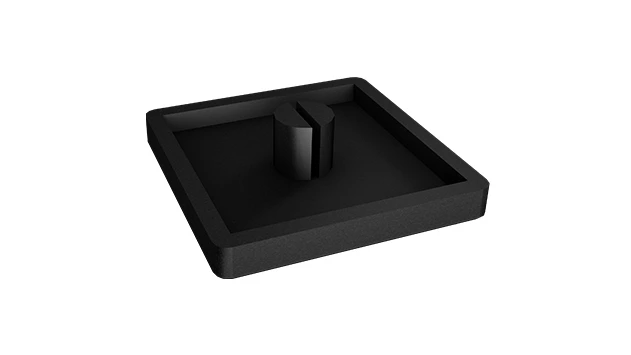
3030 Aluminum Profile End Cap
The aluminum profile end cap adds a finishing touch to your project and closes off profile ends to limit dust and debris buildup, also it can avaid some scratch for material and labor during the assemble work.
Walk into any modern workshop, factory, or even office, and you'll likely spot aluminum extrusion profiles hard at work. They're the unsung heroes behind sturdy workbenches, efficient material racks, smooth conveyor systems, and sleek display shelves. But here's the thing: even the most well-designed aluminum profile setup isn't complete without the right finishing touches. That's where 3030 aluminum profile end caps come in. These small but essential aluminum profile accessories might seem like an afterthought, but they play a huge role in safety, durability, and even the overall look of your project. Today, we're breaking down the age-old debate: plastic vs. metal end caps. Which one deserves a spot on your 3030 aluminum extrusion profiles?
First Things First: What Are 3030 Aluminum Extrusion Profiles, Anyway?
Before we dive into end caps, let's make sure we're all on the same page about the star of the show: 3030 aluminum extrusion profiles. These are essentially long, hollow bars of aluminum shaped through a process called extrusion, where molten aluminum is pushed through a die to create a specific cross-section. The "3030" refers to their dimensions—typically 30mm by 30mm, making them a versatile middle-ground size for all sorts of applications. From building lightweight workstations to constructing heavy-duty material racks, 3030 profiles are a go-to for engineers, DIY enthusiasts, and manufacturers alike because they're strong, corrosion-resistant, and easy to customize with accessories like brackets, connectors, and yes, end caps.
Why End Caps Matter: The Unsung Heroes of Aluminum Profiles
Imagine assembling a sleek aluminum workbench for your garage. You've got the 3030 profiles cut to size, the joints tightened, and the surface polished. But take a close look at the ends of those profiles—without end caps, they're just open, hollow tubes. Sharp edges could scratch hands or catch on clothing. Dust, dirt, and small debris could sneak inside, gumming up the works over time. And let's be honest: those raw, unfinished ends just don't look great. End caps solve all these problems. They snap or screw into the open ends of your 3030 aluminum extrusion profiles, covering sharp edges, keeping out gunk, and giving your project a clean, professional finish. Now, the question is: plastic or metal?

Plastic 3030 Aluminum Profile End Caps: Lightweight, Affordable, and Colorful
Plastic end caps are like the friendly neighbor of the aluminum profile world—approachable, low-maintenance, and always ready to help. Made from materials like PVC, nylon, or polypropylene, they're designed to be lightweight and easy to install. Let's break down their pros and cons.
The Pros of Plastic End Caps
Budget-Friendly: If you're working on a project with a tight budget, plastic end caps are hard to beat. They're significantly cheaper than metal options, which adds up fast if you're outfitting a large number of profiles (think: a whole workshop of workbenches or a warehouse full of racks).
Light as a Feather: Plastic is lightweight, which matters if you're building something that needs to be moved (like a mobile cart) or if you're installing end caps by hand without power tools. No straining here—most plastic end caps can be snapped on with just your fingers.
Colorful and Customizable: Plastic end caps come in a rainbow of colors—black, white, gray, blue, even yellow or red. This is a huge plus if you want to match your end caps to your brand colors, color-code different sections of a rack, or just add a pop of personality to a plain aluminum setup.
Corrosion-Resistant: Unlike some metals (we're looking at you, steel), plastic doesn't rust or corrode. That makes plastic end caps a solid choice for humid environments, like kitchens or outdoor covered areas, where moisture could be an issue.
Gentle on Surfaces: If your aluminum profile project will be in contact with delicate surfaces—like a display shelf for glassware or a workbench for electronics—plastic end caps won't scratch or mar those surfaces. Metal end caps, on the other hand, can leave marks if they're dragged or bumped.
The Cons of Plastic End Caps
Not as Tough as Metal: Let's be real—plastic isn't known for its brute strength. If your end caps will be subjected to heavy impacts (like in a busy factory where carts are always bumping into racks) or constant pressure, plastic might crack or warp over time. They're great for light to medium use, but heavy-duty industrial settings might be too much.
Heat and Cold Sensitivity: Extreme temperatures can be hard on plastic. Leave a plastic end cap in direct sunlight on a hot day, and it might soften or even melt. Freezing cold? It could become brittle and snap. If your project is outdoors or in a facility with big temperature swings, this is something to keep in mind.
Limited Load-Bearing: Plastic end caps are meant to cover ends, not hold weight. If you try to use them as a "foot" for a heavy rack or workbench, they might compress or break under the pressure. Metal end caps, by contrast, can handle more weight if needed.
Fading Over Time: That bright blue plastic end cap you love? It might not stay bright forever. UV rays from sunlight can cause plastic to fade, turning vibrant colors into dull shadows of their former selves. Indoor use is better for color retention.

Metal 3030 Aluminum Profile End Caps: Heavy-Duty, Durable, and Built to Last
Metal end caps are the no-nonsense workhorses of the end cap world. Made from aluminum, steel, or even stainless steel, they're designed to stand up to tough conditions. Think of them as the bodyguards of your aluminum profiles—sturdy, reliable, and ready for action.
The Pros of Metal End Caps
Built Like a Tank: Metal end caps are all about durability. drop a heavy tool on one? It might dent, but it won't crack. Bump a cart into a rack with metal end caps? No problem. They're ideal for industrial settings, workshops, or any environment where "tough" is the name of the game.
Heat and Cold Resistant: Unlike plastic, metal can handle extreme temperatures without breaking a sweat (or freezing solid). Whether you're using your aluminum profiles in a hot warehouse or a cold storage facility, metal end caps will stay strong.
Premium Look and Feel: There's something about metal that screams "professional." Metal end caps give your project a sleek, high-end finish that plastic just can't match. If you're building something that clients or customers will see (like a retail display or office furniture), metal end caps can elevate the overall look.
Great for Load-Bearing: Need to use the end of a profile as a "foot" or support? Metal end caps can handle the weight. Some metal end caps even come with threaded holes, so you can attach casters, leveling feet, or other accessories directly to them—talk about versatility.
Longevity: Metal end caps don't fade, crack, or warp over time. With proper care (like occasional cleaning to prevent rust on steel options), they'll outlast plastic end caps by years, maybe even decades.
The Cons of Metal End Caps
Pricey: Quality comes at a cost, and metal end caps are more expensive than plastic ones. If you're working on a large project, the extra cost can add up quickly. It's a trade-off between upfront expense and long-term durability.
Heavier and Trickier to Install: Metal is heavier than plastic, which can make installation a bit more work—you might need a rubber mallet to tap them into place, or screws to secure them. And if you're installing them on a high shelf or ladder, that extra weight can be a hassle.
Can Scratch Surfaces: Metal is hard, which means it can scratch floors, tables, or other surfaces if your project is moved. You might need to add rubber pads or feet to the bottom of metal end caps to prevent this, which is an extra step (and extra cost).
Prone to Rust (Unless Stainless Steel): Steel end caps can rust if they're exposed to moisture, which is a problem in humid or outdoor environments. Stainless steel or aluminum end caps solve this, but they're even more expensive than regular steel.
| Feature | Plastic 3030 Aluminum Profile End Caps | Metal 3030 Aluminum Profile End Caps |
|---|---|---|
| Material | PVC, nylon, polypropylene | Aluminum, steel, stainless steel |
| Cost | Budget-friendly (low cost per unit) | More expensive (higher upfront cost) |
| Durability | Good for light to medium use; prone to cracking under heavy impact | Excellent for heavy-duty use; resistant to impacts and wear |
| Installation | Easy snap-on; no tools needed | May require tools (mallet, screws); heavier to handle |
| Temperature Resistance | Poor (softens in heat, becomes brittle in cold) | Excellent (handles extreme heat and cold) |
| Aesthetics | Colorful options; casual, modern look | Sleek, professional finish; metallic or brushed options |
| Surface Protection | Gentle; won't scratch floors or surfaces | May scratch surfaces without additional padding |
| Environmental Impact | Some plastics are recyclable; may degrade over time | Highly recyclable; longer lifespan reduces replacement needs |
How to Choose: Plastic vs. Metal End Caps for Your Project
At the end of the day, the "best" end cap depends on your project. Let's walk through some common scenarios to help you decide:
Scenario 1: You're building a home workshop with lightweight workbenches and shelving. Go with plastic end caps. They're affordable, easy to install, and you don't need the heavy-duty durability of metal. Plus, you can pick fun colors to match your workshop's vibe.
Scenario 2: You're outfitting a factory with heavy-duty material racks and conveyor systems. Metal end caps are the way to go. They'll stand up to the daily wear and tear of an industrial environment, and their durability will save you money on replacements in the long run.
Scenario 3: Your project is outdoors (like a patio railing or garden trellis). If it's covered and sheltered, plastic might work, but metal (especially stainless steel or aluminum) is better for weather resistance. Plastic could fade or crack in the sun and rain.
Scenario 4: You want your project to look sleek and professional (like a retail display). Metal end caps add a premium touch that plastic can't replicate. They'll make your aluminum profiles look polished and high-quality.
Scenario 5: Budget is your top priority, and you need to cover a lot of profiles. Plastic end caps are the clear winner here. You'll get the functionality you need without breaking the bank.
Final Thoughts: It's All About Balance
Plastic and metal 3030 aluminum profile end caps each have their strengths and weaknesses. Plastic is affordable, lightweight, and colorful—perfect for light use and tight budgets. Metal is durable, heavy-duty, and professional—ideal for industrial settings and projects that need to stand the test of time. The good news? You don't have to choose one or the other for every project. Maybe you use plastic end caps on your indoor workbench and metal ones on your outdoor rack. Or mix and match based on which parts of your project need extra protection. At the end of the day, both are great aluminum profile accessories that help your 3030 aluminum extrusion profiles look better, work harder, and last longer. So, grab your end caps, snap (or screw) them on, and enjoy that finished project—you've earned it!