- Company Articles
- Products and Technology
- Product knowledge
- Plastic vs. Metal Lean Pipe Fixed Clamps: Pros and Cons

Plastic vs. Metal Lean Pipe Fixed Clamps: Pros and Cons
Related Product
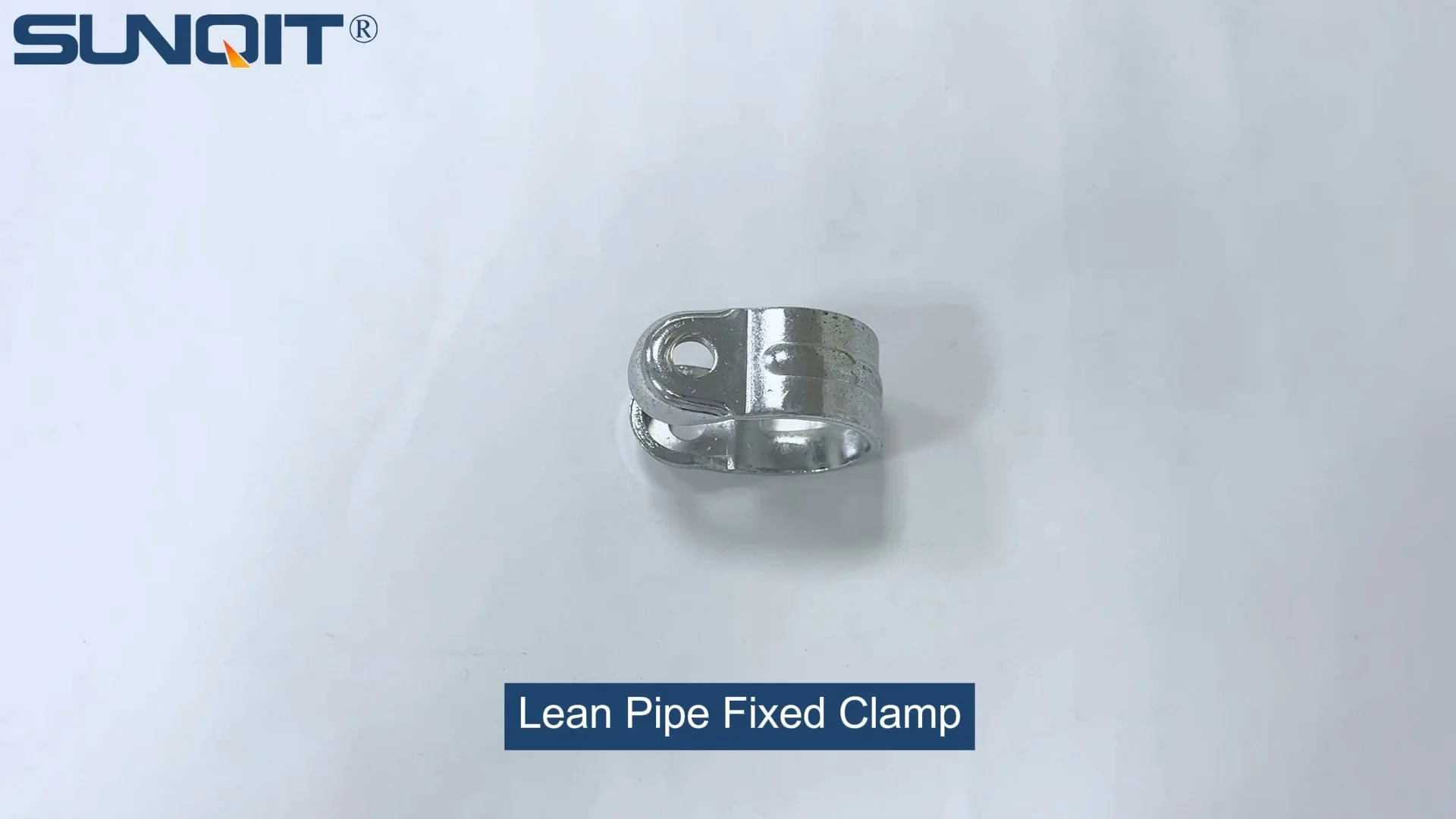
Lean Pipe Fixed Clamp
Lean pipe fixed clamp is used for pipe connector fixing the correct position during workbench flow rack hand trolley assemble work.
In the world of manufacturing and assembly, where efficiency and adaptability are the backbone of productivity, every component plays a quiet but critical role. Among these unsung heroes are lean pipe systems—those modular, flexible structures that form workbenches, material racks, conveyor tracks, and more. At the heart of these systems, holding everything together, are the lean pipe fixed clamps . These small but mighty tools are the glue that turns a collection of pipes and joints into a functional, sturdy workspace. But not all clamps are created equal. When it comes to choosing between plastic and metal options, the decision can impact everything from setup time to long-term durability, and even your bottom line. Let's dive into the details of plastic vs. metal lean pipe fixed clamps, exploring their pros, cons, and which scenarios each excels in.
Understanding Lean Pipe Systems and the Role of Fixed Clamps
Before we compare the materials, let's take a step back to appreciate why lean pipe systems matter. Born from the principles of lean manufacturing—minimizing waste, maximizing efficiency—these systems are designed to be adaptable. Unlike rigid, custom-built structures, lean pipe setups use standardized pipes, joints, and accessories to create workspaces that can be reconfigured in hours, not weeks. Think of them as the "building blocks" of modern factories, warehouses, and workshops.
At the core of this flexibility are the lean pipe joint and fixed clamps. While joints connect pipes at angles, fixed clamps secure pipes to surfaces, reinforce connections, or attach accessories like shelves or tool holders. A well-chosen clamp ensures stability without sacrificing the system's ability to evolve. It's a balancing act: the clamp needs to hold firm under load, but also allow for disassembly when your needs change. This is where the choice between plastic and metal becomes crucial.
Plastic Lean Pipe Fixed Clamps: Lightweight and Cost-Effective
What Are Plastic Clamps Made Of?
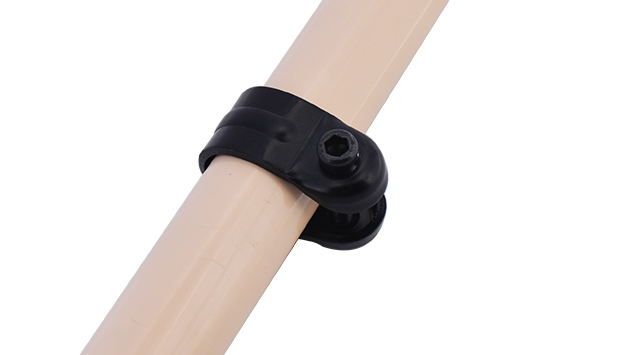
Plastic lean pipe fixed clamps are typically crafted from high-strength polymers like nylon, polypropylene, or ABS (acrylonitrile butadiene styrene). These materials are chosen for their durability, resistance to chemicals, and low weight. Some variants even include additives to enhance UV resistance or static dissipation (ESD-safe options), making them suitable for sensitive environments like electronics assembly.
The Pros of Plastic Clamps
1. Lightweight and Easy to Handle – One of the biggest draws of plastic clamps is their weight. Compared to metal, plastic is significantly lighter, which translates to easier installation. Imagine a team setting up a new material rack: with plastic clamps, a single worker can hold a pipe in place and secure the clamp with minimal effort. This not only speeds up assembly but also reduces the risk of strain injuries—an important safety consideration in busy workplaces.
2. Corrosion and Chemical Resistance – Metal clamps, especially uncoated steel, can rust when exposed to moisture or chemicals. Plastic clamps, on the other hand, are inherently resistant to rust and many common industrial chemicals. This makes them ideal for environments like food processing facilities (where cleaning agents are harsh), pharmaceutical labs, or outdoor storage areas where humidity is high.
3. Cost-Effective for Low to Medium Loads – Plastic clamps are generally cheaper to produce than their metal counterparts. For businesses working with lighter loads—think small parts assembly, packaging stations, or temporary workbenches—this cost savings adds up quickly, especially when outfitting an entire facility. They're also a budget-friendly choice for startups or small workshops where initial investment needs to be kept low.
4. Gentle on Pipes and Surfaces – Plastic's natural flexibility means it exerts less pressure on the pipes it holds. This is a big plus if you're using coated lean pipes (like PE-coated steel) or aluminum pipes, which can scratch or dent under the tight grip of metal clamps. Plastic clamps also won't mar workbench surfaces or damage sensitive materials that might come into contact with them.
5. Insulating Properties – Unlike metal, plastic doesn't conduct electricity or heat. This makes plastic clamps a safe choice in environments where electrical hazards are a concern, such as near wiring or in ESD (electrostatic discharge) sensitive areas like electronics manufacturing. They also won't get hot to the touch in warm environments, reducing burn risks for workers.
The Cons of Plastic Clamps
1. Lower Load Capacity – The biggest downside of plastic clamps is their limited strength. While they work well for light to medium loads (typically up to 50-75 kg per clamp, depending on design), they'll struggle with heavy-duty applications. For example, a material rack holding steel components or a conveyor track moving large assemblies would likely overload plastic clamps, leading to sagging or failure over time.
2. Susceptible to Temperature Extremes – Plastic can warp or degrade under extreme heat or cold. In high-temperature environments (like near ovens or in unventilated warehouses during summer), plastic clamps may lose their rigidity, weakening their grip. Conversely, in freezing conditions, some plastics become brittle and prone to cracking. This limits their use in outdoor or climate-uncontrolled spaces.
3. Less Durable Over Time – While modern plastics are tough, they're not as resilient as metal. Repeated assembly and disassembly (a key feature of lean systems) can wear down plastic clamps, causing the threads to strip or the clamping mechanism to loosen. UV exposure from sunlight can also cause fading and brittleness, even in UV-resistant models. In high-traffic areas where clamps might be bumped or knocked, plastic is more likely to chip or break compared to metal.
Best Scenarios for Plastic Clamps
Plastic lean pipe fixed clamps shine in environments where weight, cost, and chemical resistance are priorities. Think: small to medium-sized workbenches in electronics or light manufacturing, temporary assembly stations, cleanrooms (where metal particles could contaminate products), or labs using corrosive chemicals. They're also ideal for teams that frequently reconfigure their setups, as their lightweight design makes adjustments faster and easier.
Metal Lean Pipe Fixed Clamps: Strength and Longevity
What Are Metal Clamps Made Of?
Metal lean pipe fixed clamps are typically made from steel, stainless steel, or aluminum. Steel clamps are the most common, often coated with zinc (galvanized) or powder to resist corrosion. Stainless steel is used in environments where hygiene or rust resistance is critical (like food processing or medical device manufacturing), while aluminum clamps offer a middle ground—lighter than steel but stronger than plastic.
The Pros of Metal Clamps
1. Superior Load Capacity – Metal clamps are built for strength. Steel clamps, in particular, can handle heavy loads (often 100-200 kg per clamp or more), making them the go-to choice for heavy-duty applications. Whether you're building a workbench for automotive repairs, a material rack for cast iron parts, or a conveyor system for pallets, metal clamps provide the stability needed to keep everything secure.
2. Durability and Longevity – Metal clamps are built to last. Unlike plastic, they won't warp, crack, or degrade with repeated use. Even with frequent assembly and disassembly, metal threads and clamping mechanisms hold up better over time. This longevity means fewer replacements, saving money in the long run despite the higher upfront cost.
3. Resistant to Temperature Extremes – Metal handles heat and cold far better than plastic. Steel and stainless steel clamps can withstand temperatures from -40°C to 200°C (or higher, depending on coating), making them suitable for outdoor use, industrial ovens, freezers, and other harsh environments. They won't soften in the heat or become brittle in the cold, ensuring consistent performance year-round.
4. High Impact Resistance – In busy workplaces, accidents happen. A forklift might bump a rack, or a worker could drop a tool on a clamp. Metal clamps absorb impacts without breaking, whereas plastic would likely crack or shatter. This toughness makes them a safer choice in high-traffic areas where durability is non-negotiable.
5. Secure Grip Under Vibration – In environments with constant vibration (like near machinery or conveyor belts), plastic clamps can gradually loosen as the material flexes. Metal clamps, with their rigid design and tight threading, maintain their grip even under sustained vibration. This is critical for applications where stability is essential, such as precision assembly workbenches.
The Cons of Metal Clamps
1. Heavier and Harder to Install – Metal clamps are significantly heavier than plastic ones, which can slow down setup and reconfiguration. Installing them often requires two people for larger structures, increasing labor time and costs. Workers may also tire more quickly when handling metal clamps, especially during large-scale projects.
2. Higher Upfront Cost – Metal clamps cost more per unit than plastic ones. For businesses on a tight budget or those with minimal load requirements, this can be a barrier. However, it's important to weigh this against their longer lifespan—metal clamps often pay for themselves over time by reducing replacement needs.
3. Prone to Corrosion (Unless Coated) – Uncoated steel clamps will rust when exposed to moisture, which limits their use in damp environments like food processing plants or outdoor setups. While galvanized or stainless steel options solve this problem, they come at an even higher cost. Rust isn't just unsightly; it can weaken the clamp over time and contaminate products in sensitive industries.
4. Conductive and Heat-Conductive – Metal conducts electricity and heat, which can be a hazard. In ESD-sensitive areas, metal clamps can create static discharge risks, potentially damaging electronics. They also get hot in warm environments or near heat sources, posing burn risks. Additionally, metal clamps can scratch or dent pipes and surfaces if overtightened, especially on softer materials like aluminum.
Best Scenarios for Metal Clamps
Metal clamps are the clear choice for heavy-duty, high-stakes applications. Think: automotive manufacturing lines, warehouses storing heavy materials, outdoor storage racks, or environments with extreme temperatures or vibration. They're also a smart investment for long-term setups where durability and minimal maintenance are priorities. Stainless steel clamps, in particular, excel in cleanrooms, medical facilities, or food processing plants where hygiene and corrosion resistance are non-negotiable.

Comparing Plastic and Metal Clamps: A Side-by-Side Look
To make the decision easier, let's summarize the key differences in a comparison table:
| Feature | Plastic Lean Pipe Fixed Clamps | Metal Lean Pipe Fixed Clamps |
|---|---|---|
| Material | Nylon, polypropylene, ABS | Steel (galvanized/powder-coated), stainless steel, aluminum |
| Typical Load Capacity | Up to 50-75 kg per clamp | 100-200+ kg per clamp (steel/stainless steel) |
| Corrosion Resistance | High (resistant to moisture, chemicals) | Low (uncoated steel); High (galvanized/stainless steel, but costly) |
| Cost | Low to moderate | Moderate to high (stainless steel is priciest) |
| Weight | Light (easy to handle solo) | Heavy (may require two people for installation) |
| Temperature Resistance | Limited (warps in heat, brittle in cold) | High (handles extreme heat/cold well) |
| ESD/Safety | Insulating (safe for ESD areas, no heat conduction) | Conductive (risk of ESD, heat conduction) |
| Durability/Lifespan | Moderate (needs replacement every 2-3 years with frequent use) | High (lasts 5-10+ years with proper maintenance) |
| Best For | Light loads, ESD areas, cleanrooms, temporary setups, tight budgets | Heavy loads, extreme temperatures, high vibration, long-term setups |

Beyond the Clamp: How Lean Pipe and Accessories Impact Your Choice
While the clamp itself is critical, it doesn't work in isolation. Your choice of plastic or metal clamps should also consider the other components in your lean pipe system, including pipes, joints, and accessories. For example:
Pipe Material – If you're using lightweight aluminum pipes, plastic clamps may be sufficient, as the pipes themselves have lower load limits. But if you're using steel pipes for heavy-duty use, metal clamps are a better match to avoid creating a "weak link" in the system.
Joint Type – Lean pipe joint design can affect how clamps perform. Some joints are designed to work with specific clamp types—for example, metal joints may require metal clamps for proper fit and strength. Always check compatibility between clamps, joints, and pipes to ensure stability.
Accessories – If you're adding heavy accessories like tool holders, shelves, or conveyor rollers, metal clamps will provide the extra support needed. Plastic clamps may struggle to hold these accessories securely, leading to wobbling or detachment.
Reconfiguration Frequency – If you frequently reconfigure your setup, plastic clamps' lightweight design will save time and labor. For static setups that rarely change, metal clamps' durability makes them worth the initial effort.
How to Choose: Questions to Ask Yourself
Still unsure which clamp is right for you? Ask yourself these questions to narrow it down:
1. What's the maximum load my setup will need to support? If you're dealing with loads over 75 kg, metal clamps are likely necessary. For lighter loads, plastic could work.
2. What's the environment like? Is it hot, cold, damp, or exposed to chemicals? Metal (especially stainless steel) handles extremes better, while plastic resists chemicals and moisture without rusting.
3. How often will I reconfigure the system? Frequent changes favor plastic clamps for ease of handling. Static setups can benefit from metal's longevity.
4. What's my budget? Plastic clamps save upfront, but metal clamps may be cheaper long-term for heavy or permanent setups.
5. Are there safety concerns (ESD, heat, hygiene)? Plastic clamps are safer in ESD or heat-sensitive areas; stainless steel is better for hygiene and corrosion resistance.
Final Thoughts: The Right Clamp for the Right Job
At the end of the day, there's no "better" material—only the better choice for your specific needs. Plastic lean pipe fixed clamps are lightweight, cost-effective, and ideal for light to medium loads in controlled environments. They're the unsung heroes of small workshops, electronics labs, and temporary setups. Metal clamps, on the other hand, are the workhorses—tough, durable, and built to handle heavy loads and harsh conditions. They're the backbone of automotive plants, warehouses, and long-term industrial setups.
Remember, the best lean pipe system is one that grows with your business. By choosing clamps that align with your current needs and future goals, you'll create a workspace that's efficient, adaptable, and built to last. Whether you go plastic, metal, or a mix of both, the key is to prioritize stability, safety, and flexibility—because in lean manufacturing, every component counts.