- Company Articles
- Products and Technology
- Product knowledge
- Polyurethane Flat Swivel Castor Wheels: Abrasion Resistance & Floor Protection

Polyurethane Flat Swivel Castor Wheels: Abrasion Resistance & Floor Protection
Related Product
Flat Swivel Castor Wheel
Chair Casters Ball Bearing Wheels Rubber Base. Resistant to abrasion, impact and corrosion. Heavy payload can hold 70-90Kgs per pcs,which can make it works at a stable and smooth status.
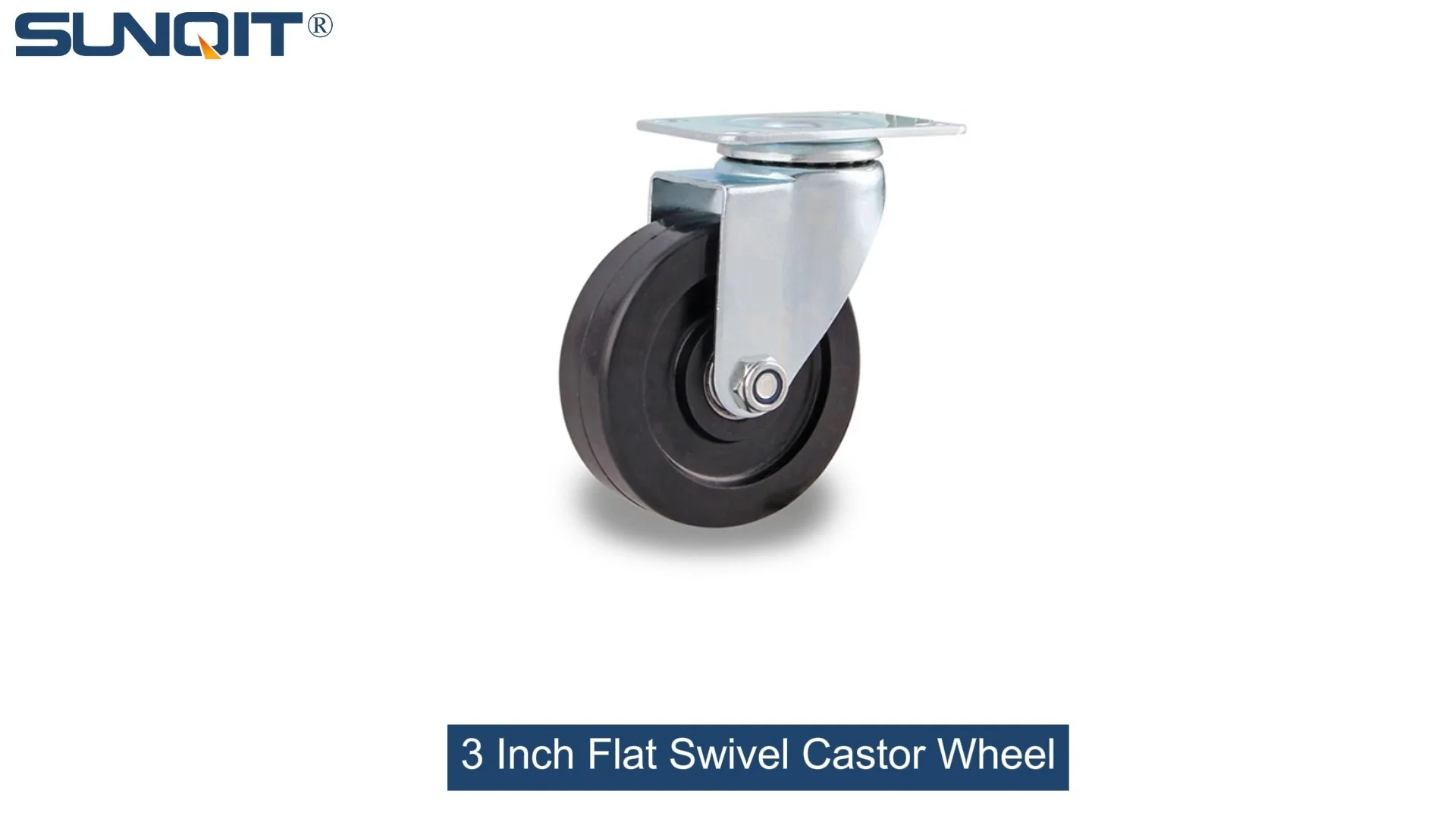
Picture this: It's a busy Tuesday morning in your workshop. You're rushing to reposition a heavy workbench to accommodate a new assembly line layout. As you push, the wheels grind against the concrete floor, leaving ugly scratch marks and making a (ear-piercing) noise that echoes through the space. By the end of the day, the floor looks like it's been through a sandstorm, and you're already dreading the repair bill. Sound familiar? If you've ever struggled with clunky, floor-damaging caster wheels, you know how much of a headache they can be. But what if there was a solution that glides smoothly, resists wear and tear, and keeps your floors looking brand new? Enter polyurethane flat swivel castor wheels—quiet, durable, and designed to tackle the chaos of daily operations without breaking a sweat (or your floors).
Why Polyurethane? The Unsung Hero of Castor Wheel Materials
When it comes to caster wheels, the material matters—a lot. Rubber is soft but wears out quickly. Nylon is tough but noisy and hard on floors. Steel is industrial-strength but feels like dragging a boulder across a tile floor. So where does polyurethane fit in? Think of it as the Goldilocks of materials: not too soft, not too hard, but just right for a balance of performance and protection.
Polyurethane is a synthetic polymer created by mixing diisocyanates with polyols, resulting in a material that's both flexible and rigid. It's like having the best of both worlds: the elasticity of rubber to absorb shocks and the hardness of plastic to resist abrasion. This unique blend makes it ideal for environments where wheels are constantly rolling, carrying heavy loads, or interacting with sensitive floors—think warehouses, hospitals, offices, and retail spaces.
But what really sets polyurethane apart is its ability to adapt. Manufacturers can tweak its formulation to adjust hardness (measured by Shore durometer), making it soft enough for hardwood floors or hard enough for industrial concrete. Most flat swivel castor wheels use a Shore A hardness of 85, which strikes that perfect balance: firm enough to handle medium-to-heavy loads (up to 300kg per wheel, in some cases) but soft enough to cushion impacts and avoid scuffing.
Abrasion Resistance: Built to Outlast the Grind
Let's talk about abrasion—the enemy of any caster wheel. Every time a wheel rolls over a rough surface, tiny particles (dirt, gravel, even concrete dust) act like sandpaper, wearing down the tread. Over time, this leads to uneven rolling, increased friction, and eventually, a wheel that's more of a liability than a tool. But polyurethane? It laughs in the face of abrasion.
The secret lies in its molecular structure. Polyurethane's long, cross-linked polymer chains create a dense, resilient surface that resists cutting and tearing. Unlike rubber, which tends to wear into a uneven, "feathered" edge, polyurethane wheels maintain their shape even after months of heavy use. In fact, in head-to-head tests, polyurethane castors have been shown to outlast rubber ones by 30-50% in high-traffic areas—meaning fewer replacements and more time focusing on your work, not your wheels.
Take a warehouse, for example. Forklifts zip by, turnover trolleys loaded with parts are pushed back and forth, and workbenches are repositioned daily. A rubber caster here might last 6 months before showing significant wear; a polyurethane one? Up to a year or more. That's a huge difference in cost savings and downtime. And because the tread stays smooth, the wheels continue to roll effortlessly, reducing the strain on your employees' backs and arms—win-win.
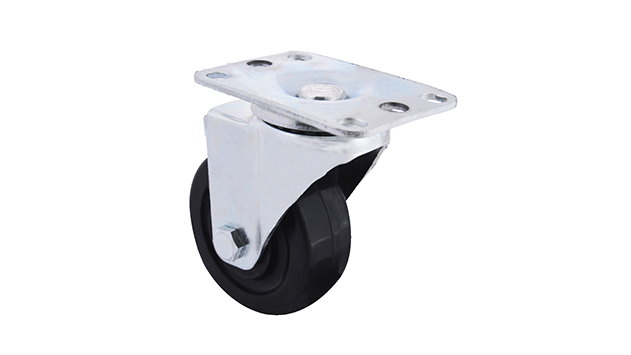
Floor Protection: Keeping Your Surfaces Scratch-Free
If you've ever invested in nice flooring—whether it's polished concrete in a showroom, hardwood in an office, or vinyl in a hospital—you know how painful it is to see the first scratch. Traditional hard wheels (like steel or nylon) are notorious for this. They act like mini bulldozers, pushing debris along and digging into soft surfaces with every roll. Polyurethane, on the other hand, is a floor's best friend.
The soft, non-marking tread of polyurethane wheels acts like a buffer between the caster and the floor. It conforms slightly to uneven surfaces, distributing weight evenly and reducing pressure points that cause scratches. Even better, most polyurethane wheels are formulated to be "non-marking," meaning they won't leave black scuff marks on light-colored floors—a common issue with rubber wheels that use carbon black as a reinforcement.
Let's break it down by floor type:
- Concrete: Polished or sealed concrete is prone to etching from hard wheels. Polyurethane's elasticity absorbs impacts, preventing chips and scratches.
- Hardwood/Engineered Wood: These floors are delicate—even a small stone caught in a steel wheel can leave a permanent groove. Polyurethane's soft tread traps debris and glides without digging in.
- Vinyl/Linoleum: Found in hospitals and schools, these floors scratch easily. Polyurethane's non-marking formula keeps them looking clean and professional.
- Tile: Grout lines are vulnerable to cracking from heavy, rigid wheels. Polyurethane's shock absorption reduces stress on grout and tile edges.
And let's not forget the noise factor. Steel wheels clatter, nylon wheels squeak, but polyurethane? It's whisper-quiet. This is a game-changer for environments where noise matters—like libraries, offices, or hospitals where patients need rest. Imagine pushing a medication cart down a hospital hallway at 2 AM without waking anyone up. With polyurethane wheels, it's possible.

Flat Swivel Castor Wheels: Design That Delivers
Now that we've covered the material, let's talk about the "flat swivel" part. What makes these castors stand out from the crowd? First, the "flat" design refers to the mounting plate—a flat, sturdy base that attaches directly to equipment like workbenches, trolleys, or racks. Unlike stem-mounted castors (which use a rod to screw into a socket), flat plate castors distribute weight more evenly, reducing stress on the equipment frame and improving stability. This is especially important for heavy loads—think a workbench loaded with tools or a turnover trolley stacked with inventory.
Then there's the "swivel" mechanism. A good swivel castor should rotate 360 degrees smoothly, allowing you to maneuver tight corners and narrow aisles with ease. Polyurethane flat swivel castors typically use a double ball raceway design: two sets of ball bearings that reduce friction and ensure smooth rotation, even under heavy loads. No more wrestling with a trolley that only turns left, or a workbench that gets stuck halfway through a pivot. With a quality swivel mechanism, you'll feel like you're gliding on ice (the good kind, not the slippery, dangerous kind).
Load capacity is another key feature. Polyurethane flat swivel castors come in a range of sizes, from small 2-inch wheels for light-duty carts to 8-inch monsters that can handle over 500kg per wheel. For most workshops and warehouses, a 4-6 inch wheel with a 150-300kg capacity is more than enough. And because the flat plate distributes weight, you can often use four castors to carry loads well beyond what a single wheel can handle—perfect for that heavy workbench we mentioned earlier.
Versatility is also a big plus. These castors aren't just for workbenches. They're used on everything from medical carts and restaurant serving trolleys to retail display racks and office chairs. Their low profile (thanks to the flat plate) keeps equipment stable, while the swivel function makes them easy to reposition. Whether you're rearranging a store layout or moving tools between workstations, polyurethane flat swivel castors adapt to your needs.

How Do They Stack Up? A Comparison of Castor Wheel Materials
Still not convinced polyurethane is the way to go? Let's put it head-to-head with other common caster wheel materials. The table below breaks down key factors like abrasion resistance, floor protection, and noise level to help you see why polyurethane stands out:
| Material | Abrasion Resistance | Floor Protection | Load Capacity | Noise Level | Cost |
|---|---|---|---|---|---|
| Polyurethane | High (maintains tread shape for months) | Excellent (non-marking, shock-absorbing) | Medium-High (100-500kg per wheel) | Low (whisper-quiet on most surfaces) | Moderate (more than rubber, less than steel) |
| Rubber | Medium (wears quickly on rough floors) | Good (soft but may leave marks) | Low-Medium (50-200kg per wheel) | Medium (squeaks on smooth floors) | Low (budget-friendly but short lifespan) |
| Nylon | High (hard surface resists wear) | Fair (hard tread can scratch soft floors) | High (200-600kg per wheel) | High (loud, especially on concrete) | Moderate (similar to polyurethane) |
| Steel | Very High (almost indestructible) | Poor (scratches, dents, and damages floors) | Very High (500kg+ per wheel) | Very High (clatters loudly) | High (expensive, best for heavy industrial use) |
As you can see, polyurethane hits the sweet spot for most applications. It offers the abrasion resistance of nylon, the floor protection of rubber, and the quiet operation that steel and nylon can only dream of. Unless you're dealing with extreme industrial loads (think forklift-level weights), polyurethane flat swivel castors are the way to go.
Caster Accessories: The Cherry on Top
A great castor wheel is only as good as its accessories. Even the best polyurethane flat swivel castor can be let down by a cheap brake or a flimsy bearing. That's why investing in quality caster accessories is just as important as choosing the right wheel. Let's break down the essentials:
Brakes: Imagine rolling a workbench into place, only to have it drift across the floor when you let go. Not ideal. Brakes solve this problem by locking the wheel (and sometimes the swivel) in place. Total-lock brakes stop both the wheel and swivel, keeping the equipment stationary. Directional-lock brakes allow the wheel to rotate but prevent swiveling—useful for straight-line movement. Look for brakes made of durable materials like steel or reinforced plastic, and test them to ensure they engage smoothly.
Bearings: The bearing is the heart of the swivel mechanism. Ball bearings are standard and work well for light-to-medium loads. Roller bearings handle heavier weights but may be less smooth. Precision bearings (often used in medical or food-grade applications) offer the smoothest rotation and are resistant to corrosion. For most workshops, a good set of ball bearings will do the trick—just make sure they're sealed to keep out dust and debris.
Mounting Plates: The flat plate we mentioned earlier is a type of mounting plate, but they come in different sizes and materials. Steel plates are strong and affordable, while aluminum plates are lightweight and corrosion-resistant (great for humid environments like food processing plants). Make sure the plate matches the weight of your equipment—a flimsy plate on a heavy workbench will bend or break, no matter how good the wheel is.
Stem Adapters: If your equipment is designed for stem-mounted castors but you want the stability of flat plate castors, stem adapters are the solution. These handy accessories screw into the stem socket and provide a flat surface to mount the castor plate. They're a quick, affordable way to upgrade old equipment without replacing the entire frame.
By pairing your polyurethane flat swivel castor wheels with the right accessories, you'll create a system that's not just functional, but built to last. It's like adding a seatbelt to a car—you hope you won't need it, but you'll be glad it's there when you do.
Real-World Applications: Where Polyurethane Castors Shine
Let's get practical. Where do polyurethane flat swivel castor wheels really make a difference? Here are a few real-world scenarios where they've proven to be a game-changer:
Manufacturing Workshops: In a busy assembly line, workbenches are constantly being repositioned to adapt to new projects. Polyurethane castors glide over concrete floors, resist the abrasion of metal shavings and debris, and keep the floor scratch-free. Add a total-lock brake, and the workbench stays put during use—no more sliding mid-assembly.
Hospitals and Clinics: Medical carts carry everything from medications to patient records, and they need to be quiet (to avoid disturbing patients) and non-marking (to protect sterile, clean floors). Polyurethane wheels check both boxes, plus their smooth swivel makes it easy to navigate tight hospital corridors.
Retail Stockrooms: Retailers are always rearranging displays and restocking shelves. A turnover trolley with polyurethane castors can glide across polished concrete or vinyl floors without scuffing, and the swivel function makes it easy to weave through narrow aisles stacked with inventory.
Offices and Coworking Spaces: Modern offices love flexible layouts, which means desks, meeting tables, and storage racks need to be movable. Polyurethane castors on office furniture are quiet (no more disrupting meetings with squeaky wheels) and gentle on hardwood or carpeted floors.
Restaurants and Cafés: Serving trolleys, beverage carts, and even kitchen prep tables need to move quickly and quietly during busy service. Polyurethane wheels handle the constant traffic, resist spills (thanks to sealed bearings), and won't mark up tile or hardwood floors in dining areas.
In each of these cases, polyurethane flat swivel castor wheels aren't just a convenience—they're an investment. They reduce maintenance costs (no more floor repairs), improve productivity (less time wrestling with equipment), and create a safer, quieter work environment. And isn't that what we all want?
Maintenance Tips: Keeping Your Castors Rolling Smoothly
Even the best polyurethane flat swivel castor wheels need a little TLC to stay in top shape. Here are some simple maintenance tips to extend their lifespan and keep them performing like new:
- Clean Regularly: Dirt, dust, and debris can get trapped in the wheel tread and swivel mechanism, causing friction and wear. Wipe the wheels with a damp cloth weekly, and use a small brush to clean out the swivel joint. For stubborn grime, mild soap and water work well—avoid harsh chemicals that can degrade the polyurethane.
- Lubricate the Swivel: Over time, the ball bearings in the swivel joint can dry out, leading to stiff rotation. Apply a silicone-based lubricant (avoid oil-based lubes, which attract dust) every 3-6 months to keep things moving smoothly. A quick spray on the bearings and swivel raceway will make a world of difference.
- Check for Wear: Inspect the tread regularly for signs of wear. If the tread is uneven, cracked, or has chunks missing, it's time to replace the wheel. Also, check the mounting plate bolts—loose bolts can cause the castor to wobble, leading to uneven wear and potential equipment damage.
- replace Accessories When Needed: Brakes can wear out, bearings can fail, and mounting plates can bend. Don't wait for a total breakdown—replace worn accessories as soon as you notice issues. A $10 brake replacement is much cheaper than replacing an entire castor (or repairing a damaged floor).
- Avoid Overloading: Every castor has a maximum load capacity—don't exceed it! Overloading causes the wheel to deform, the bearings to fail, and increases the risk of floor damage. If you're unsure, check the manufacturer's specs or err on the side of caution with a higher-capacity castor.
With just a little effort, you can keep your polyurethane flat swivel castor wheels rolling strong for years to come. Think of it as giving your equipment a tune-up—small maintenance tasks now prevent big headaches later.
Final Thoughts: Why Polyurethane Flat Swivel Castor Wheels Are Worth the Investment
At the end of the day, caster wheels might seem like a small detail—but they're the unsung heroes that keep your operations moving. A bad castor can slow you down, damage your floors, and cost you money in repairs. A good castor? It fades into the background, letting you focus on what really matters: getting the job done.
Polyurethane flat swivel castor wheels aren't just good—they're a smart investment. They offer unbeatable abrasion resistance for long-term durability, excellent floor protection to keep your space looking professional, and smooth, quiet operation to make daily tasks easier. Pair them with quality accessories like brakes and bearings, and you've got a system that's built to handle whatever your workshop, warehouse, or office throws at it.
So the next time you're struggling with a stubborn workbench or a trolley that leaves a trail of destruction, remember: there's a better way. Polyurethane flat swivel castor wheels are more than just wheels—they're a solution. And isn't that what we all need? A little less chaos, a little more smooth sailing, and floors that stay beautiful, one roll at a time.