- Company Articles
- Products and Technology
- Product knowledge
- Preventing Corrosion: How Two Way Aluminum Pipe Joints Withstand Moisture and Chemicals

Preventing Corrosion: How Two Way Aluminum Pipe Joints Withstand Moisture and Chemicals
Related Product
Two Way Aluminum Pipe Joint
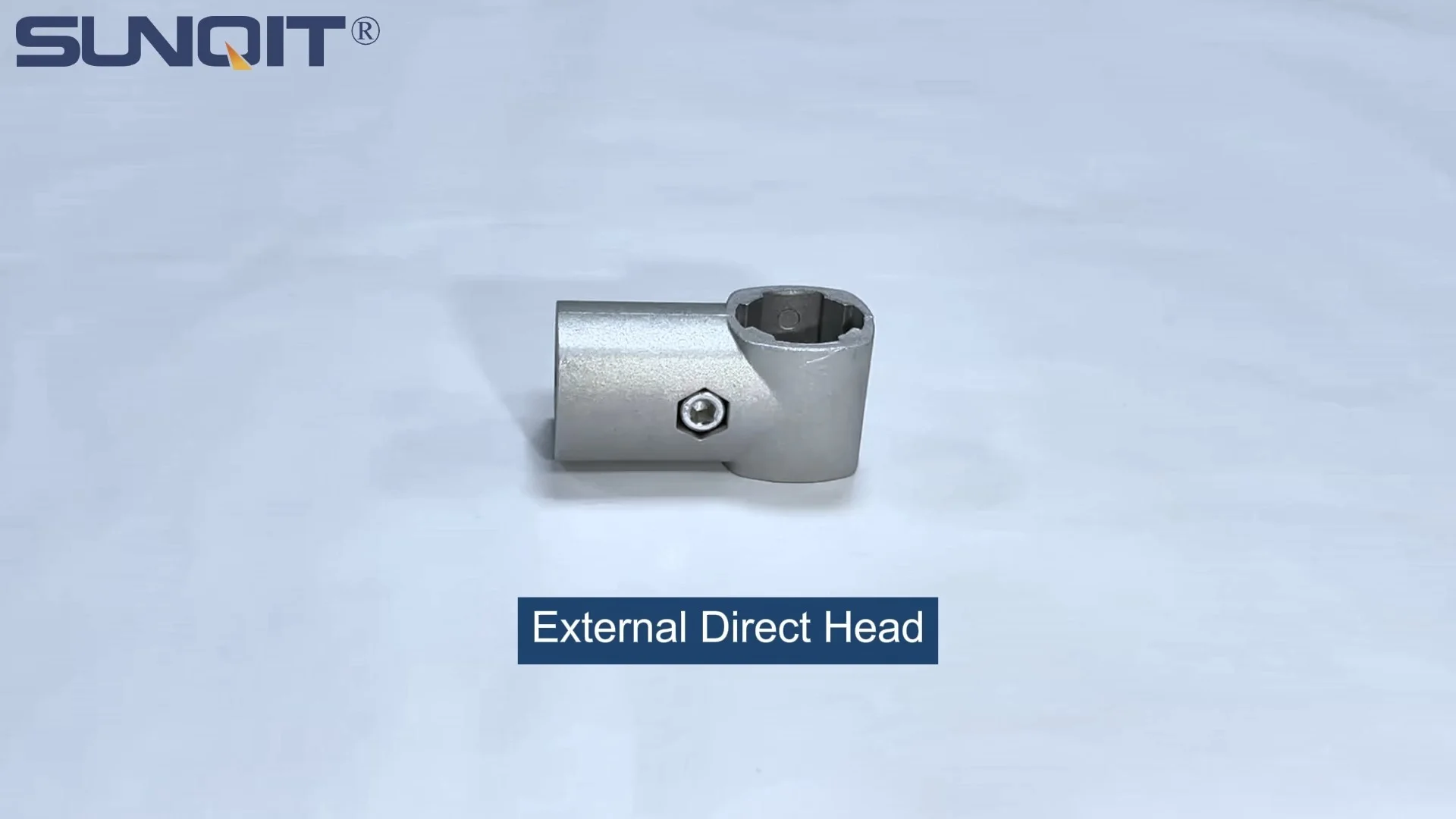
Aluminum 2 way pipe joint for 28mm aluminum pipe connection in 2 direction.
Picture this: It's a Tuesday morning in a busy electronics assembly plant. Maria, the production manager, is pacing the floor, frustration creasing her forehead. For the third time this month, a section of the material flow rack has seized up. The culprit? Rust. The steel joints connecting the pipes have corroded so badly they've fused together, bringing the line to a halt. Downtime is costing the company thousands, and her team is stretched thin replacing parts that should have lasted years. "There's got to be a better way," she mutters, staring at the flaky, orange-brown mess where the joints once held strong.
If Maria's story sounds familiar, you're not alone. Corrosion is the silent enemy of manufacturing facilities, warehouses, and workshops worldwide. It eats away at equipment, disrupts workflows, and drains budgets. And when it comes to systems built on interconnected pipes—like lean manufacturing setups, workbenches, or material racks—the joints are often the first to fail. They're the weak link, exposed to moisture from spills, humidity, and cleaning routines, plus harsh chemicals from coolants, solvents, and industrial cleaners.
But what if there was a joint designed to fight back? Enter the two way aluminum pipe joint. These unassuming components are quietly revolutionizing how we build durable, long-lasting systems. In this article, we'll dive into how these joints stand up to moisture and chemicals, why they're a game-changer for lean systems, and how they can save you from the headaches (and costs) of corrosion. Let's start by getting to know the star of the show.
What Are Two Way Aluminum Pipe Joints, Anyway?
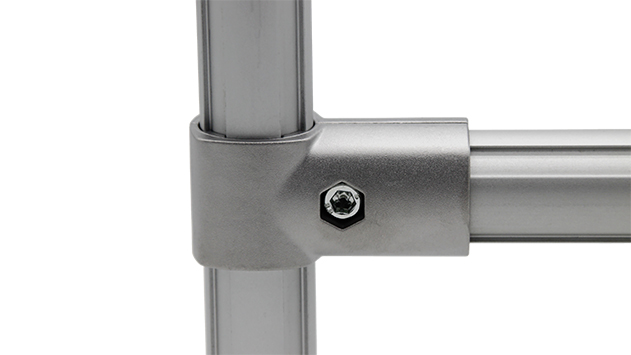
Before we jump into their superpowers, let's clarify what two way aluminum pipe joints are. Simply put, they're the connectors that bring aluminum pipes together at a 90-degree angle, forming the backbone of structures like workbenches, flow racks, and assembly lines. Think of them as the "elbows" of the industrial world—small but essential for directing the flow of materials and supporting the weight of tools, parts, and products.
What makes them different from, say, steel or plastic joints? For starters, they're made from aluminum—lightweight, strong, and naturally resistant to corrosion. But it's not just the material; it's the design. Most two way aluminum pipe joints feature a precision-engineered slot or clamp that grips the aluminum profile tightly, creating a secure, gap-free connection. This tight fit isn't just for stability; it also plays a big role in keeping moisture and chemicals out.
You'll often find these joints paired with aluminum pipe accessories like gaskets, end caps, or protective sleeves, which add an extra layer of defense. Together, they form a system that's not just about holding pipes together—it's about creating a barrier against the elements that would otherwise break down lesser materials.
But why aluminum? Let's take a quick detour. Aluminum has a unique trick up its sleeve: when it's exposed to oxygen, it forms a thin, invisible layer of aluminum oxide on its surface. This layer acts like a shield, preventing further oxidation (the chemical reaction that causes rust in steel). Unlike steel, which can rust through entirely if the protective layer is scratched, aluminum's oxide layer self-heals. Scratch it, and the exposed aluminum reacts with oxygen again to rebuild the shield. It's like having a self-repairing coat of armor—handy, right?
The Corrosion Challenge: Why Joints Fail (and What That Costs You)
To appreciate why two way aluminum pipe joints are so effective, let's first understand why corrosion is such a nightmare for traditional joints. Let's break it down into two main villains: moisture and chemicals.
Moisture: The Silent Saboteur
Moisture is everywhere in industrial settings. It could be high humidity in a warehouse, a spilled water bottle near a workbench, or condensation from refrigerated areas. Even a little moisture can spell trouble for metal joints. When water seeps into the tiny gaps between a joint and a pipe, it creates the perfect environment for corrosion. Add oxygen from the air, and you've got a chemical reaction that eats away at the metal from the inside out.
Steel joints are particularly vulnerable here. When steel rusts, it expands, creating cracks that let in more moisture and the process. Before long, the joint weakens, the structure wobbles, and you're looking at repairs or replacements. And it's not just the cost of the part itself—think about the downtime while your team replaces a rusted joint, the overtime to catch up on production, and the risk of accidents if a weakened structure collapses.
Chemicals: The Aggressive Attackers
Then there are the chemicals. Manufacturing plants are full of them: degreasers to clean parts, coolants to keep machinery from overheating, solvents to remove adhesives, and even acidic or alkaline cleaners used to sanitize work areas. Many of these chemicals are corrosive by nature, and they love to target joints. Why? Because joints often have small crevices where chemicals can pool, eating away at the material over time.
Plastic joints might seem like a solution, but they have their own issues. Some plastics degrade when exposed to harsh solvents, becoming brittle or warping. They also don't always hold up to high temperatures or heavy loads, making them a poor fit for industrial environments. Steel joints, as we've seen, rust. So what's left? Aluminum—and specifically, two way aluminum pipe joints.
Fighting Moisture: How Aluminum Joints Keep Water at Bay
Now, let's get to the good stuff: how two way aluminum pipe joints actually resist moisture. It starts with that oxide layer we mentioned earlier, but there's more to it than that. Let's break down their moisture-fighting strategies:
1. The Tight Seal: No Gaps, No Moisture
Remember that precision design we talked about? Two way aluminum pipe joints are engineered to fit snugly around aluminum profile, leaving little to no gap between the joint and the pipe. This tight seal means there's nowhere for water to pool or seep in. Unlike threaded steel joints, which can loosen over time (creating gaps for moisture), aluminum joints often use a friction-based clamp or a T-slot design that stays tight even with vibration or heavy use.
Some joints even come with rubber gaskets or O-rings as part of their aluminum pipe accessories package. These soft, flexible materials compress when the joint is tightened, filling any microscopic gaps and creating a waterproof barrier. It's like adding weatherstripping to a window—simple, but incredibly effective at keeping the elements out.
2. Self-Healing Oxide Layer: A Shield That Rebuilds Itself
As we touched on earlier, aluminum's oxide layer is a game-changer. Let's say a joint gets scratched during installation or from a falling tool. The scratch exposes fresh aluminum, but within seconds, that aluminum reacts with oxygen in the air to form a new oxide layer. This layer is only a few nanometers thick, but it's dense enough to block water and oxygen from reaching the underlying metal. Steel, on the other hand, forms iron oxide (rust) when scratched, which is porous and flakes off, exposing more steel to corrosion. It's a losing battle for steel; aluminum, though, keeps fighting.
3. Resistance to Salt and Humidity
In coastal areas or facilities with high humidity (like food processing plants or greenhouses), salt in the air can accelerate corrosion. Steel joints in these environments might start rusting within months. Aluminum? It laughs in the face of salt. The oxide layer is impervious to saltwater and salt spray, making two way aluminum pipe joints ideal for marine, agricultural, or coastal industrial settings. Even in humid warehouses, where condensation is a daily occurrence, these joints hold their own, showing little to no signs of degradation over time.

Standing Up to Chemicals: The Science of Aluminum's Resistance
Moisture is tough, but chemicals can be even more aggressive. Let's talk about how two way aluminum pipe joints handle the harsh stuff—from industrial solvents to acidic cleaners.
Aluminum vs. Chemicals: A Matchup
Aluminum is naturally resistant to many common industrial chemicals, thanks to its oxide layer. This layer is stable in a wide range of pH levels, from slightly acidic to slightly alkaline. That means it can stand up to:
- Water-based coolants used in machining
- Isopropyl alcohol and other mild solvents
- Diluted acids (like those used in metal cleaning)
- Alkaline detergents for sanitizing workbenches
Of course, no material is invincible. Strong acids (like hydrochloric acid) or highly caustic solutions can dissolve the oxide layer, but those are rare in most manufacturing settings. For the everyday chemicals, aluminum holds its ground.
Design Matters: Keeping Chemicals Out of Crevices
Even if a chemical does come into contact with the joint, the design helps minimize damage. Unlike steel joints with threaded connections (which have tiny grooves where chemicals can hide and concentrate), two way aluminum pipe joints have smooth, rounded surfaces. This makes them easy to clean—wipe them down, and the chemical is gone, with no lingering residue to eat away at the material.
Some manufacturers take it a step further by anodizing the joints. Anodization is an electrochemical process that thickens the oxide layer, making it even more resistant to chemicals and wear. Anodized joints have a matte, durable finish that's not just for looks—it's an extra armor plate against the elements.

Real-World Impact: Two Way Aluminum Pipe Joints in Lean Systems
Okay, so we know these joints resist moisture and chemicals—but how does that translate to real benefits for your operation? Let's zoom out to the bigger picture: lean systems. Lean manufacturing is all about minimizing waste, maximizing efficiency, and keeping production flowing smoothly. Corroded joints? They're the ultimate waste generator—wasting time on repairs, wasting money on replacements, and wasting space when systems have to be taken offline.
Take flow racks, for example. These are the sloped racks that let materials "flow" from the back to the front, ensuring workers always have easy access to parts. The joints holding the roller tracks in place are critical—if they corrode, the tracks misalign, parts get stuck, and the entire line slows down. With two way aluminum pipe joints, that risk disappears. They stay strong, keeping the tracks aligned and materials moving, even in humid warehouses or areas where cleaning crews use chemical disinfectants.
Or consider workbenches in electronics assembly. These workstations often use ESD (electrostatic discharge) materials to protect sensitive components, but they're also cleaned regularly with alcohol-based solvents. Steel joints here would corrode quickly, but aluminum joints? They shrug off the alcohol, maintaining their integrity and keeping the workbench stable for years.
Let's look at a real case study. A automotive parts supplier in Michigan was struggling with their steel-based flow racks. The plant had high humidity in the summer and used a water-based coolant that often spilled onto the racks. Every six months, they had to replace rusted joints, costing $10,000 in parts and 40 hours of downtime annually. They switched to two way aluminum pipe joints and aluminum profile, and guess what? Three years later, those joints still look brand new. No replacements, no downtime, and the racks are still running smoothly. That's a return on investment that speaks for itself.
How Do They Compare? A Look at Joint Materials
Still not convinced aluminum is the way to go? Let's put it head-to-head with the competition. Below is a comparison table of common joint materials, focusing on their resistance to moisture and chemicals, plus other key factors like cost and durability.
| Material | Moisture Resistance | Chemical Resistance | Cost (Per Joint) | Durability (Expected Lifespan) | Best For |
|---|---|---|---|---|---|
| Two Way Aluminum Pipe Joint | Excellent (self-healing oxide layer, tight seal) | Very Good (resists mild acids, solvents, detergents) | Moderate ($5–$15) | 10–15 years | Lean systems, humid environments, chemical-exposed areas |
| Steel Joint | Poor (rusts quickly in moisture) | Poor (corrodes in acids, salt, and many chemicals) | Low ($2–$8) | 1–3 years (in harsh environments) | Dry, indoor settings with no chemical exposure |
| Plastic Joint | Good (no rust, but can absorb moisture) | Fair (resists water-based chemicals, but degrades in solvents) | Low ($3–$10) | 3–5 years (prone to brittleness over time) | Light-duty applications, dry environments |
| Stainless Steel Joint | Very Good (resists rust, but not self-healing) | Excellent (resists most chemicals) | High ($15–$30) | 15–20 years | Highly corrosive environments (e.g., marine, chemical plants) |
As you can see, two way aluminum pipe joints strike a sweet spot: better moisture and chemical resistance than steel or plastic, at a fraction of the cost of stainless steel. For most industrial settings, they're the practical, cost-effective choice.
Maintenance Tips: Keeping Your Aluminum Joints in Top Shape
Aluminum joints are tough, but they're not maintenance-free. A little care goes a long way in maximizing their lifespan. Here are some simple tips:
1. Clean Them Regularly
Wipe down joints with a damp cloth to remove dirt, dust, and chemical residues. For stubborn grime, use a mild detergent (avoid harsh solvents unless necessary). This prevents buildup that could trap moisture or chemicals against the surface.
2. Inspect for Damage
Every few months, check joints for scratches, dents, or loose connections. A deep scratch might expose fresh aluminum, but remember—the oxide layer will self-heal. If a joint is bent or cracked, replace it immediately to avoid structural issues.
3. Use the Right Accessories
Invest in quality aluminum pipe accessories like end caps (to keep water out of pipe ends) and gaskets (for extra sealing). These small additions can extend the life of your joints significantly.
4. Avoid Extreme Conditions When Possible
While aluminum handles most chemicals, try to minimize exposure to strong acids or bases. If a spill happens, clean it up quickly to prevent prolonged contact.
The Future of Aluminum Joints: What's Next?
As manufacturing evolves, so do the tools we use. Two way aluminum pipe joints are no exception. Here are a few trends to watch:
1. Smart Coatings
Researchers are developing nanocoatings that enhance aluminum's corrosion resistance even further. These coatings could make joints nearly impervious to all but the most extreme chemicals.
2. Lightweight yet Stronger Alloys
New aluminum alloys are being engineered to be lighter and stronger, making joints even more versatile for applications where weight is a concern (like automated systems or mobile workstations).
3. Modular Designs
Manufacturers are creating joints that can be easily reconfigured, allowing workers to adapt systems on the fly without replacing entire sections. This not only saves time but also reduces waste—aligning perfectly with lean principles.
Wrapping Up: Say Goodbye to Corrosion Headaches
Back to Maria, our production manager. After swapping out her steel joints for two way aluminum pipe joints, she hasn't had a single corrosion-related breakdown in over a year. The flow racks run smoothly, the workbenches stay stable, and her team can focus on production instead of repairs. "I wish I'd switched sooner," she says, grinning as she watches parts glide down the aluminum flow rack without a hitch.
Corrosion doesn't have to be the bane of your operation. With two way aluminum pipe joints, you're not just buying a connector—you're investing in peace of mind. They're durable, cost-effective, and built to stand up to the moisture and chemicals that would destroy other materials. Paired with aluminum profile and the right accessories, they form a system that works as hard as you do, day in and day out.
So the next time you're building or upgrading a lean system, ask yourself: Do I want to be replacing joints every few months, or do I want to set it and forget it? The answer is clear. Two way aluminum pipe joints aren't just a solution—they're the future of corrosion-resistant industrial design.