- Company Articles
- Products and Technology
- Product knowledge
- Preventing Rust: Why Chrome Matters for Vertical Lean Pipe Joints

Preventing Rust: Why Chrome Matters for Vertical Lean Pipe Joints
Related Product
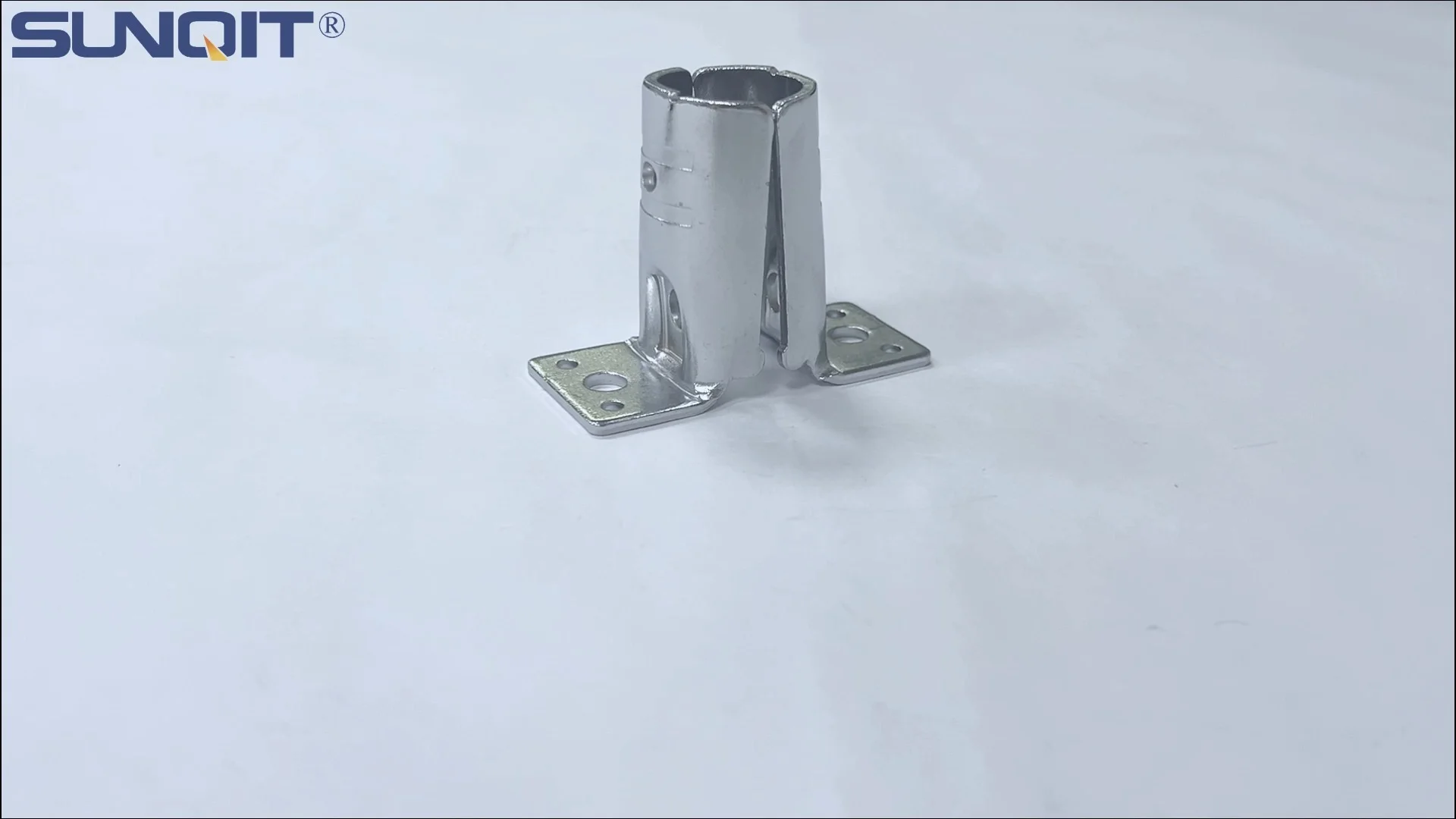
Vertical Lean Pipe Joint
Vertical lean pipe joint is used for 28mm lean pipe fixed on ground and keep it stable.
Imagine walking through a busy manufacturing plant on a Monday morning. The air hums with the sound of machinery, and workers move with purpose, assembling components, loading materials, and keeping the production line flowing. But as you glance at the nearest workbench—a sturdy structure built from lean pipes and joints—something catches your eye: a faint orange tinge at the base of one of the vertical pipes. Upon closer inspection, you realize it's rust. Not just a little spot, but a spreading patch that's starting to flake off the metal. By the end of the week, that small patch could weaken the joint holding the vertical pipe in place, making the entire workbench wobbly. A month later, it might even lead to a collapse, halting production and putting workers at risk.
Rust might seem like a minor annoyance, but in the world of lean manufacturing, where efficiency, safety, and durability are paramount, it's a silent enemy. And when it comes to lean pipe systems—those versatile, modular structures used in workbenches, flow racks, conveyors, and material carts—one component is particularly vulnerable: the vertical lean pipe joint. These unassuming connectors bear the weight of the entire system, keep pipes aligned, and ensure stability. But when they rust, the consequences can ripple through an entire operation. That's where chrome comes in. In this article, we'll explore why chrome-plated vertical lean pipe joints are a game-changer for preventing rust, and why they should be a top consideration for anyone building or maintaining a lean pipe system.
What Are Lean Pipe Systems, and Why Do Vertical Joints Matter?
First, let's get clear on what a lean pipe system is. If you've ever worked in a factory, warehouse, or even a workshop, you've likely seen them: structures made from lightweight metal pipes (often aluminum, steel, or stainless steel) connected by joints. These systems are the backbone of lean manufacturing, designed to be flexible, easy to assemble, and adaptable to changing needs. Need a new workbench for a new product line? Build it with lean pipes. Want to rearrange your flow rack to speed up material handling? Disassemble the joints, reconfigure the pipes, and you're good to go. They're cost-effective, reusable, and endlessly customizable—no wonder they're a staple in modern production environments.
At the heart of every lean pipe system are the joints. These small, often unglamorous components are what hold the pipes together. And among all the joints in a typical setup, vertical lean pipe joints are the unsung heroes. Think about a workbench: the vertical pipes stand tall, supporting the horizontal shelves, tools, and equipment placed on top. The vertical joints are the ones connecting those vertical pipes to the base (or to other horizontal pipes), ensuring they stay upright and stable. They're under constant stress—bearing weight, absorbing vibrations from machinery, and enduring the daily wear and tear of a busy workspace. And unlike horizontal joints, which might be sheltered by shelves or materials, vertical joints are often exposed: close to the floor, where mopping, spills, and humidity linger; within reach of hands (and the sweat, oils, and dirt they carry); and vulnerable to condensation in temperature-fluctuating environments.
In short, vertical lean pipe joints are the critical link between a stable, functional lean system and a rickety, unreliable one. And when they rust, that link weakens. So why does rust happen in the first place?
The Enemy: Understanding Rust and Its Impact on Vertical Lean Pipe Joints
Rust is the common name for iron oxide, a chemical reaction that occurs when iron (or steel, which contains iron) comes into contact with oxygen and moisture. It's a slow, gradual process, but once it starts, it's hard to stop. Here's how it works: when metal is exposed to water (even just humidity in the air), the water molecules react with the iron in the metal, forming iron hydroxide. Over time, that iron hydroxide reacts with oxygen to form iron oxide—rust. And unlike other metals, which might form a protective layer when they oxidize (aluminum, for example, forms a thin oxide layer that stops further corrosion), rust is porous and flaky. It doesn't protect the underlying metal; instead, it peels away, exposing fresh metal to more oxygen and moisture, and the cycle repeats. Left unchecked, rust can eat through a metal joint entirely, turning a solid connector into a brittle shell.
For vertical lean pipe joints, the risk of rust is especially high. Let's break down the factors that make them so vulnerable:
- Proximity to the floor: Vertical joints are often mounted near or on the ground, where moisture from mopping, rain tracked in on shoes, or spilled liquids can pool. Even a small amount of standing water can kickstart rust formation.
- Human contact: Workers lean on workbenches, adjust pipes, or move carts, and in the process, their hands (which are naturally oily and sweaty) come into contact with vertical joints. The salts and acids in sweat accelerate corrosion, especially on unprotected metal.
- Environmental conditions: Many manufacturing environments are not climate-controlled. High humidity in the summer, condensation in the winter, or exposure to chemicals (like cleaning agents or coolants) can all speed up rust.
- Stress and wear: Vertical joints bear the brunt of the system's weight, which can cause micro-cracks in the metal over time. These cracks trap moisture, creating ideal conditions for rust to take hold.
The impact of rust on a vertical lean pipe joint isn't just cosmetic. A rusted joint loses strength: the metal becomes brittle, and the fit between the joint and the pipe loosens. This can lead to wobbling workbenches, sagging flow racks, or unstable carts—all of which slow down production and increase the risk of accidents. In industries where cleanliness is critical (like food processing or electronics manufacturing), rust flakes can even contaminate products, leading to defects or regulatory violations. And let's not forget the cost: replacing rusted joints, repairing damaged systems, and dealing with downtime all add up. For a small business, those costs can eat into profits; for a large operation, they can derail entire projects.

Enter Chrome: A Time-Tested Solution for Corrosion Resistance
So, how do you protect vertical lean pipe joints from rust? There are plenty of options: painting, powder coating, stainless steel, or even plastic coatings. But none offer the same combination of protection, durability, and affordability as chrome plating. Chrome-plated vertical lean pipe joints—often referred to as vertical lean pipe joint chrome—are a simple yet effective way to shield metal from rust, and they've been trusted in industrial settings for decades.
How Chrome Plating Works: A Simple Breakdown
Chrome plating is a process called electroplating, where a thin layer of chromium (a hard, silvery metal) is deposited onto the surface of another metal (usually steel, which is prone to rust). Here's a simplified version of how it works: first, the vertical lean pipe joint is cleaned thoroughly to remove any dirt, oil, or rust (this is crucial—if there's debris on the metal, the chrome won't adhere properly). Then, the joint is submerged in a bath of chromic acid solution, along with a piece of pure chromium (the "anode"). An electric current is passed through the bath, causing chromium ions in the solution to be attracted to the joint (the "cathode"). Over time, these ions bond to the surface of the joint, forming a thin, uniform layer of chromium—usually between 5 and 20 microns thick (for reference, a human hair is about 50 microns thick).
The result? A surface that's completely different from the underlying steel. Chrome is hard, smooth, and—most importantly—resistant to corrosion. But how exactly does it prevent rust?
The Science Behind Chrome's Rust-Fighting Power
Chrome's secret weapon is its ability to form a passive protective layer. When chromium is exposed to oxygen (which it is, as soon as it's plated), it reacts to form chromium oxide—a thin, invisible film that covers the entire surface of the joint. Unlike rust, which is porous and flaky, chromium oxide is dense and tightly bonded to the metal. It acts like a shield, blocking oxygen and moisture from reaching the steel underneath. Even if the chrome layer gets scratched (which is hard to do, thanks to its hardness), the chromium oxide film quickly reforms, healing the scratch and preventing rust from taking hold.
But that's not all. Chrome is also naturally resistant to many chemicals, including the acids and salts found in sweat, cleaning agents, and industrial coolants. That means even in harsh environments, a chrome-plated joint will hold up better than an uncoated one. And because the chrome layer is so smooth, it's harder for dirt, moisture, and bacteria to cling to the surface—making the joints easier to clean and reducing the risk of contamination.

Beyond Rust: Additional Benefits of Chrome-Plated Vertical Joints
Preventing rust is the biggest reason to choose vertical lean pipe joint chrome, but it's far from the only one. Chrome-plated joints offer a host of other benefits that make them a smart investment for any lean pipe system.
Durability and Wear Resistance
Chrome is one of the hardest metals on the planet, with a hardness rating of 70-80 on the Rockwell C scale (for comparison, steel is around 50-60, and aluminum is 20-30). That means chrome-plated joints can withstand scratches, dents, and impacts that would damage painted or powder-coated surfaces. In a busy workshop, where tools are dropped, carts are bumped, and pipes are adjusted regularly, this durability is a lifesaver. A chrome-plated joint might last 5-10 years in a high-traffic area, while an uncoated joint could start rusting within months. That longevity translates to fewer replacements, less maintenance, and lower long-term costs.
Aesthetics and Workplace Morale
Let's be honest: appearance matters. A workshop filled with rusty, dented equipment doesn't exactly inspire confidence or pride. Chrome-plated joints, on the other hand, have a bright, reflective finish that makes lean pipe systems look clean, professional, and well-maintained. This might seem like a small detail, but studies have shown that a tidy, visually appealing workspace can boost employee morale and productivity. When workers see that their employer invests in quality equipment, they're more likely to take pride in their work—and that leads to better results.
Cost-Effectiveness Over Time
It's true: chrome-plated vertical lean pipe joints cost more upfront than uncoated steel joints. But when you factor in their longevity and low maintenance needs, they're actually more affordable in the long run. Let's do the math: an uncoated steel joint might cost $5, but if it rusts and needs replacement every year, you're looking at $50 over a decade. A chrome-plated joint might cost $10, but if it lasts 10 years without rusting, you've saved $40. And that doesn't include the cost of downtime, repairs, or product contamination from rust. For businesses that rely on their lean pipe systems day in and day out, the investment in chrome pays off.

Chrome vs. Other Coatings: Why It Stands Out
We've established that chrome is great, but how does it stack up against other common coatings for vertical lean pipe joints? Let's take a closer look with a side-by-side comparison:
| Coating Type | Corrosion Resistance | Durability (Scratch/Wear) | Cost (Initial/long-term) | Best For |
|---|---|---|---|---|
| Chrome Plating (Vertical Lean Pipe Joint Chrome) | High – Forms a protective oxide layer; resists moisture, oils, and mild chemicals. | High – Extremely hard surface resists scratches and impacts. | Medium initial cost; low long-term cost (lasts 5-10+ years). | General industrial use, high-moisture environments, workbenches, flow racks. |
| Stainless Steel | Very High – Naturally corrosion-resistant; ideal for harsh chemicals. | High – Strong and durable, but prone to scratches (softer than chrome). | Very high initial cost; high long-term cost (expensive to replace). | Food processing, marine environments, or extreme chemical exposure. |
| Powder Coating | Medium – Resists moisture but chips easily; once chipped, rust forms under the coating. | Medium – Durable but prone to cracking or peeling with heavy use. | Low initial cost; high long-term cost (needs re-coating every 2-3 years). | Low-traffic areas, decorative applications, or temporary setups. |
| Uncoated Steel | Low – Rusts quickly in humid or wet environments. | Medium – Hard but unprotected; scratches expose metal to corrosion. | Very low initial cost; very high long-term cost (replaced yearly). | Budget projects with short lifespans or dry, indoor-only use. |
As the table shows, chrome strikes the perfect balance between corrosion resistance, durability, and cost. Stainless steel might offer slightly better corrosion resistance, but it's significantly more expensive—often 2-3 times the cost of chrome. Powder coating is cheaper upfront, but it doesn't hold up to heavy use, and once it chips, you're back to square one with rust. Uncoated steel is the cheapest, but it's a false economy—you'll be replacing joints constantly. For most lean pipe systems, chrome is the sweet spot: reliable, long-lasting, and affordable.
Real-World Applications: How Chrome-Plated Joints Improve Operations
To truly understand the value of vertical lean pipe joint chrome, let's look at some real-world examples of how it's made a difference in industrial settings.
Automotive Manufacturing: Resisting Oil and Coolant
A mid-sized automotive parts manufacturer in Michigan was struggling with rust on the vertical joints of their assembly line workbenches. The workbenches were used to assemble engine components, and they were constantly exposed to oil, coolant, and cleaning solvents. The company initially used powder-coated joints, but within six months, the coating would chip from tool impacts, and rust would form underneath. Replacing the joints every few months was costing them $5,000+ per year in parts and labor. After switching to chrome-plated vertical lean pipe joints, they saw immediate results: the joints resisted oil and coolant, didn't chip, and showed no signs of rust after two years. The maintenance team estimated they saved over $20,000 in the first three years alone.
Electronics Assembly: Cleanliness and Static Control
An electronics factory in California produces circuit boards for medical devices, where even tiny contaminants can ruin a product. They used lean pipe workbenches with ESD (electrostatic discharge) protection, but the vertical joints were uncoated steel. Over time, rust flakes from the joints were falling onto the circuit boards, causing defects. The factory tried stainless steel joints, but the cost was prohibitive. Then they switched to chrome-plated vertical lean pipe joints. The smooth, non-porous surface of the chrome prevented rust, and the reflective finish made it easier to spot dust or debris during cleaning. Defect rates dropped by 30%, and the factory avoided costly recalls. Plus, the chrome joints were compatible with their ESD system, so they didn't have to sacrifice safety for cleanliness.
Warehousing: Heavy-Duty Performance in High-Traffic Areas
A large distribution center in Texas uses hundreds of lean pipe flow racks to store packages and speed up order fulfillment. The vertical joints on these racks are constantly bumped by forklifts, hit by pallets, and exposed to humidity (Texas summers are no joke). The center previously used powder-coated joints, but they'd chip after a few months of use, leading to rust and wobbly racks. After switching to chrome-plated joints, the racks stayed stable, and the joints showed no signs of rust or damage even after a year of heavy use. The warehouse manager reported a 50% reduction in rack repairs and a 20% improvement in order picking speed (thanks to fewer wobbly shelves slowing down workers).
Maintaining Your Chrome-Plated Vertical Joints: Tips for Longevity
Chrome-plated vertical lean pipe joints are tough, but they're not indestructible. With a little maintenance, you can extend their lifespan even further and ensure they keep protecting your lean pipe system from rust for years to come.
Keep Them Clean
Chrome's smooth surface makes it easy to clean—simply wipe down the joints with a soft, damp cloth once a week. For stubborn dirt or oil, use a mild soap (like dish soap) and water, then dry thoroughly. Avoid harsh chemicals like bleach, ammonia, or abrasive cleaners (steel wool, scouring pads), as these can strip away the chrome layer or scratch the surface.
Inspect for Damage
Every month, take a few minutes to inspect your vertical lean pipe joints for chips, cracks, or scratches in the chrome. Even small damage can expose the underlying steel to moisture, so it's important to address it quickly. For tiny chips, you can touch them up with a chrome-plating repair kit (available at most hardware stores). For larger damage, replace the joint—better to spend a few dollars on a new joint than risk a rust-related failure.
Lubricate Moving Parts (If Applicable)
Some vertical lean pipe joints have moving parts (like swivel joints or adjustable connectors). For these, apply a small amount of lubricant (like machine oil or silicone spray) every few months to keep them moving smoothly. This prevents friction-related wear, which can scratch the chrome and expose the metal.
Control the Environment
While chrome is resistant to moisture, it's not invincible. If possible, keep your lean pipe system away from standing water, high humidity, or direct exposure to rain. Use dehumidifiers in damp areas, and clean up spills immediately. Small steps like these can go a long way in extending the life of your chrome-plated joints.
Conclusion: Why Chrome-Plated Vertical Lean Pipe Joints Are Worth the Investment
Rust is a persistent threat to lean pipe systems, and vertical lean pipe joints are on the front lines of that battle. These critical components bear weight, endure wear, and face constant exposure to moisture and contaminants—making them prime targets for corrosion. But with chrome-plated vertical lean pipe joints—vertical lean pipe joint chrome—you can turn the tide. Chrome's ability to form a protective oxide layer, resist scratches, and stand up to industrial abuse makes it the ideal solution for preventing rust, ensuring safety, and reducing long-term costs.
Whether you're building a new lean pipe system or upgrading an existing one, choosing chrome-plated joints is a decision that pays off in reliability, durability, and peace of mind. They're not the cheapest option upfront, but their longevity and low maintenance needs make them the most cost-effective choice over time. And in industries where efficiency and safety are non-negotiable, they're not just an upgrade—they're a necessity.
So, the next time you're sourcing components for your lean pipe system, remember: a vertical lean pipe joint chrome isn't just a joint. It's a shield against rust, a guardian of stability, and a partner in keeping your operation running smoothly. Invest in chrome, and you'll be investing in a stronger, more resilient, and more productive workspace for years to come.