- Company Articles
- Products and Technology
- Product knowledge
- Preventing Scratches: How 3030 Aluminum Profile End Caps Protect Surfaces

Preventing Scratches: How 3030 Aluminum Profile End Caps Protect Surfaces
Related Product
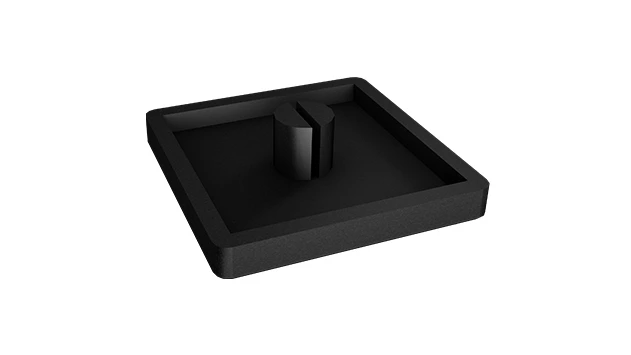
3030 Aluminum Profile End Cap
The aluminum profile end cap adds a finishing touch to your project and closes off profile ends to limit dust and debris buildup, also it can avaid some scratch for material and labor during the assemble work.
Walk into any workshop, manufacturing floor, or even a dedicated DIY garage, and you'll likely spot aluminum extrusion profiles hard at work. These versatile, lightweight structures form the backbone of workbenches, material racks, conveyor systems, and countless other setups. They're loved for their strength, adaptability, and sleek look—but there's a hidden flaw in their raw form: those sharp, unfinished ends. A single brush against an exposed aluminum edge can leave a deep scratch on a tool, a product, or even your skin. That's where the unsung hero of aluminum profile accessories comes in: the 3030 aluminum profile end cap. Small in size but massive in impact, these simple caps transform rough edges into smooth, safe, and scratch-free surfaces. Let's dive into why they matter, how they work, and why every aluminum profile system should include them.
The Hidden Danger of Raw Aluminum Extrusion Profiles
Aluminum extrusion profiles—like the widely used 3030 series—are created by forcing molten aluminum through a die to form consistent cross-sections. This process results in strong, lightweight structures with precise dimensions, making them ideal for everything from industrial workbenches to home shelving. But here's the catch: after extrusion, these profiles are cut to length, leaving the ends rough, sharp, and often uneven. Even with careful cutting, burrs, jagged edges, and micro-splinters can remain, turning an otherwise useful component into a silent scratch-maker.
Real-World Scenario: Imagine a small electronics assembly line using a 3030 aluminum profile workbench. Without end caps, the sharp edges of the bench's frame catch on the technician's gloves, fraying them over time. Worse, when placing delicate circuit boards on the bench, the raw aluminum edge scrapes against the board's surface, leaving hairline scratches that compromise the product's quality. A single damaged circuit board might cost a few dollars, but multiply that by hundreds of units a day, and the costs add up—all because of an overlooked detail: unfinished profile ends.
The problem isn't limited to industrial settings. DIY enthusiasts building a garage shelf with 3030 aluminum profiles might notice their hands getting nicked while adjusting the structure, or their power tools getting scratched when placed on the shelf. Even in offices, aluminum profile partitions or desk frames with exposed ends can snag clothing or damage files sliding across surfaces. In short, raw aluminum edges are a universal nuisance—one that's easily solved with the right accessory.
What Are 3030 Aluminum Profile End Caps?
At their core, 3030 aluminum profile end caps are small, often plastic or rubber covers designed to fit snugly over the cut ends of 3030 aluminum extrusion profiles. The "3030" refers to their size: they're engineered to match the 30mm x 30mm cross-section of standard 3030 profiles, ensuring a tight, secure fit. Think of them as the "band-aid" for aluminum edges—simple, affordable, and highly effective at covering up rough spots.
Materials: More Than Just Plastic
While plastic (typically PVC or nylon) is the most common material for end caps, they can also be made from rubber, aluminum, or even ESD-safe materials for sensitive environments like electronics manufacturing. Each material serves a unique purpose:
- PVC/Nylon: The go-to for general use. Lightweight, affordable, and available in colors that match or contrast with aluminum profiles. They're flexible enough to snap into place easily but rigid enough to stay secure.
- Rubber: Ideal for environments where shock absorption matters. Rubber end caps cushion impacts, making them great for mobile carts or workbenches where tools might be dropped.
- Aluminum: For a seamless, high-end look. Aluminum end caps blend in with the profile itself, perfect for visible structures like retail displays or office furniture where aesthetics are key.
- ESD-Safe Plastic: In electronics or semiconductor manufacturing, static electricity can damage components. ESD-safe end caps prevent static buildup, adding an extra layer of protection.
Types of End Caps: Snap, Press, or Stick?
End caps aren't one-size-fits-all when it comes to installation. Depending on your needs, you can choose from three main types:
Snap-On End Caps: The easiest to install. These caps have flexible tabs that "snap" into the T-slots or edges of the 3030 profile, creating a secure hold without tools. They're perfect for quick setups or temporary structures where you might need to remove and reattach caps later.
Press-Fit End Caps: Designed for a tighter seal. These caps are slightly larger than the profile's end, requiring a firm press (or gentle tap with a rubber mallet) to seat them. They're more permanent than snap-on caps, making them ideal for high-traffic areas like factory workbenches.
Adhesive-Backed End Caps: For profiles with irregular ends or when extra security is needed. These caps have a strong adhesive layer that bonds directly to the aluminum surface. They're great for outdoor use or applications where vibration might loosen snap-on or press-fit caps.

The Big Benefits of Small Caps: Why 3030 End Caps Matter
At first glance, 3030 aluminum profile end caps might seem like a "nice-to-have" accessory. But anyone who's dealt with scratched tools, damaged products, or painful nicks knows they're a "must-have." Let's break down their key benefits:
1. Scratch Prevention: Protecting What Matters
The most obvious benefit is scratch prevention. Whether it's a $500 power tool sliding across a workbench, a batch of painted metal parts moving along a conveyor, or a wooden shelf resting against an aluminum frame, exposed edges are recipe for damage. End caps create a smooth barrier, turning a potential scratch hazard into a gentle, non-abrasive surface. In manufacturing settings, this alone can reduce product defects and tool replacement costs by 20-30%—a huge return on a tiny investment.
2. Safety First: No More Cuts or Snags
Sharp aluminum edges aren't just bad for surfaces—they're bad for people. A quick brush against an exposed end can slice through gloves, scratch forearms, or even catch on clothing, leading to trips or falls. In busy workshops, where workers are focused on tasks, these small injuries add up, causing downtime and frustration. End caps eliminate this risk, creating a safer environment for everyone on the floor.
3. Aesthetics: Polishing the Look of Your Setup
Aluminum extrusion profiles are known for their clean, modern look—but raw, unfinished ends ruin that aesthetic. They make even the most well-designed workbench or rack look incomplete, like a puzzle missing a piece. End caps, especially color-matched ones, give your setup a polished, professional finish. It's a small detail, but it makes a big difference in how your space is perceived—whether by clients visiting your workshop or just you, proud of your DIY project.
4. Durability: Extending the Life of Your Profiles
Exposed aluminum ends aren't just sharp—they're also vulnerable to corrosion, dents, and wear. Moisture, dust, and debris can seep into the cut edges, causing the aluminum to degrade over time. End caps act as a barrier, shielding the profile's interior from the elements. This is especially important for outdoor setups or humid environments, where corrosion can shorten the lifespan of your aluminum structures by years.

Where Do 3030 End Caps Shine? Common Applications
3030 aluminum profile end caps aren't limited to one type of setup. Anywhere you find 3030 aluminum extrusion profiles, you'll find a need for end caps. Here are some of the most common applications:
Workbenches: The Heart of the Workshop
Workbenches are ground zero for scratches. From tools and parts to laptops and notebooks, everything rests on their surfaces—and their aluminum frames are often at waist height, making accidental contact inevitable. Adding end caps to the bench's legs, crossbars, and edges ensures that even when you lean against the bench or slide a heavy tool across it, nothing gets scratched. In electronics repair shops, for example, a workbench with 3030 end caps protects delicate circuit boards from accidental scrapes, saving technicians from costly mistakes.
Material Racks and Shelving: Smooth Sailing for Storage
Material racks in warehouses or garages are constantly in use—boxes, bins, and tools are slid on and off daily. Without end caps, the sharp edges of the 3030 profiles can tear through cardboard boxes, scratch plastic bins, or damage the items inside. End caps create a smooth glide path, making it easier to load and unload while keeping contents intact. A warehouse using 3030 profile material racks with end caps reported a 40% reduction in torn boxes after installation—translating to less product loss and happier customers.
Conveyor Systems: Protecting Products in Motion
Conveyor systems rely on smooth, consistent movement to transport products. Exposed aluminum edges along the conveyor frame can catch on packaging, scratch painted surfaces, or even jam the system if debris gets caught. End caps eliminate these snags, ensuring products move from point A to point B without damage. In food processing facilities, where hygiene is critical, food-grade plastic end caps also prevent bacteria from hiding in rough aluminum edges—adding a layer of safety alongside scratch protection.
Comparing End Caps: 3030 vs. Other Sizes
While we're focusing on 3030 aluminum profile end caps, it's worth noting how they stack up against end caps for other common profile sizes, like 2020 or 4040. Each size serves a unique purpose, and understanding the differences can help you choose the right cap for your setup. Here's a quick comparison:
| Profile Size | End Cap Dimensions | Common Materials | Typical Applications | Key Advantage |
|---|---|---|---|---|
| 2020 Aluminum Profile | 20mm x 20mm | PVC, Nylon | Small shelving, DIY projects, light-duty frames | Compact size for tight spaces |
| 3030 Aluminum Profile | 30mm x 30mm | PVC, Nylon, Rubber, Aluminum | Workbenches, material racks, conveyor frames, medium-duty structures | Balances strength and versatility; most widely used |
| 4040 Aluminum Profile | 40mm x 40mm | Aluminum, Heavy-Duty Nylon | Industrial machinery, heavy shelving, load-bearing frames | Durable for high-weight applications |
The 3030 size stands out as the "golden middle" — not too small for heavy use, not too large for everyday setups. Its end caps are widely available, affordable, and compatible with most standard aluminum profile accessories, making them a staple in both industrial and DIY settings.
Choosing the Right 3030 End Cap: Tips for Success
With so many options available, how do you pick the perfect 3030 aluminum profile end cap for your project? Here are a few key factors to consider:
1. Environment: Indoor, Outdoor, or Specialized?
Indoor workshops with controlled temperatures can use standard PVC or nylon end caps. Outdoor setups, however, need UV-resistant materials to prevent fading or cracking in sunlight. For humid environments like greenhouses or marine workshops, look for end caps with corrosion-resistant properties—rubber or aluminum are good choices here. In ESD-sensitive areas (think electronics manufacturing), ESD-safe plastic end caps are non-negotiable to protect against static damage.
2. Installation Needs: Temporary or Permanent?
If you're building a temporary structure (like a pop-up event display), snap-on end caps are best—they're easy to install and remove. For permanent setups like a workshop workbench, press-fit or adhesive-backed caps offer a more secure hold. Adhesive-backed caps are also great if your 3030 profile has irregularly cut ends that don't work with snap-on or press-fit designs.
3. Aesthetics: Blending In or Standing Out?
Do you want the end caps to match the aluminum profile, or add a pop of color? Aluminum end caps blend seamlessly for a sleek, uniform look, while colored PVC caps (black, blue, red) can add visual interest or help identify different zones in a workspace (e.g., red caps for "no-touch" areas). Some manufacturers even offer custom colors to match brand palettes—perfect for retail displays or office furniture.
Installation Made Easy: Adding End Caps to Your 3030 Profiles
Installing 3030 aluminum profile end caps is a simple process that requires no special tools—even if you're new to DIY or industrial setups. Here's a step-by-step guide to get it right:
Step 1: Prep the Profile End Start by cleaning the cut end of the 3030 profile with a dry cloth to remove dust, debris, or oil. If there are burrs or sharp edges, gently file them down with a fine-grit sandpaper—this ensures the end cap sits flush and doesn't get damaged during installation.
Step 2: Align the End Cap Hold the end cap up to the profile end, making sure the tabs (for snap-on) or edges (for press-fit) line up with the profile's T-slots or outer edges. For adhesive-backed caps, peel off the protective backing to expose the adhesive.
Step 3: Secure the Cap For snap-on caps: Apply gentle pressure and push the cap onto the profile until you hear a "click"—this means the tabs have locked into place. For press-fit caps: Use a rubber mallet to tap the cap firmly into position (avoid metal hammers, which can crack the cap). For adhesive caps: Press the cap firmly onto the profile, holding it for 30-60 seconds to ensure the adhesive bonds properly.
Step 4: Test for Security Give the end cap a light tug to make sure it's secure. If it wiggles or comes loose, repeat the process—you may need to file down a stubborn burr or reposition the cap for a tighter fit.
Pro Tip: For extra security with snap-on caps in high-vibration environments (like near machinery), add a small drop of industrial-grade glue to the tabs before installation. This keeps the cap in place without making it impossible to remove later if needed.
Long-Term Care: Maintaining Your End Caps
3030 aluminum profile end caps are low-maintenance, but a little care goes a long way in keeping them effective. Here's how to keep them in top shape:
Regular Inspections: Every few months, check end caps for cracks, looseness, or signs of wear. In high-traffic areas (like workbench edges), caps may wear down faster and need replacement.
Cleaning: Wipe end caps with a damp cloth to remove dust or grime. For sticky residue (like from labels or tape), use a mild soap solution—avoid harsh chemicals, which can degrade plastic or rubber.
Replacement: If a cap is cracked, loose, or missing, replace it immediately. A single exposed edge can undo all the scratch-prevention work of the others. Keep a few spare caps on hand for quick swaps—they're inexpensive and easy to store.
Final Thoughts: Small Accessory, Big Impact
In the world of aluminum extrusion profiles, it's easy to focus on the big components: the profiles themselves, the joints, the workbenches. But it's the small details—the aluminum profile accessories like 3030 aluminum profile end caps—that make a system truly functional, safe, and efficient. These tiny caps prevent scratches, protect products, enhance safety, and even improve the look of your setup. They're a reminder that in engineering and design, the smallest solutions often solve the biggest problems.
So the next time you're building or upgrading an aluminum profile system—whether it's a workshop workbench, a garage shelf, or an industrial conveyor—don't overlook the end caps. Your tools, your products, and your hands will thank you. After all, preventing a scratch today saves you time, money, and frustration tomorrow. And in the world of making things, that's a win worth celebrating.