- Company Articles
- Products and Technology
- Product knowledge
- Preventing Wear & Tear: Three Way Lean Pipe Joint Long-Term Use

Preventing Wear & Tear: Three Way Lean Pipe Joint Long-Term Use
Related Product
Three Way Lean Pipe Joint
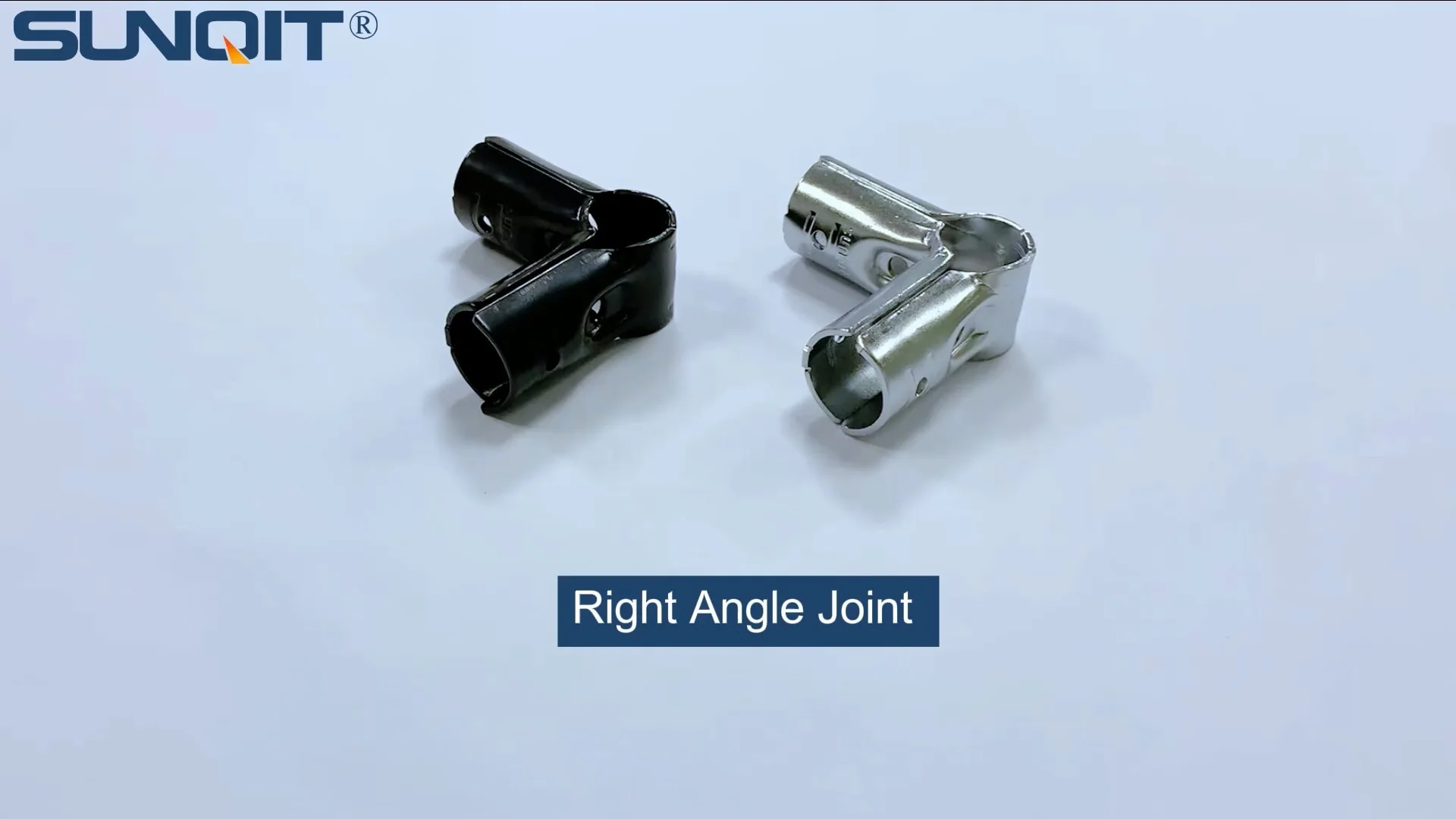
Three way lean pipe joint for 3 pcs 28MM lean pipe connection in straight angle, which used widely in workbench, flow rack, hand trolley frame connection.
Walk into any well-run manufacturing facility, and you'll notice a silent hero holding everything together: the lean system. From the workbench where assemblers piece together components to the flow racks that keep materials moving, every part plays a role in keeping operations smooth. But if there's one component that often flies under the radar—until it fails—it's the three way lean pipe joint. These small, unassuming connectors are the glue of your lean setup, linking pipes, supporting workbenches, and ensuring that conveyors and material racks stay stable. When they wear out, the ripple effects are real: production delays, increased downtime, and unexpected replacement costs. So, how do you keep these critical joints working like new for years? Let's dive in.
First: What Even Is a Three Way Lean Pipe Joint?
Before we talk about keeping them intact, let's make sure we're on the same page. A three way lean pipe joint is exactly what it sounds like: a connector designed to join three lean pipes at once, forming stable, multi-directional structures. Think of it as the intersection where your workflow branches—maybe a workbench that connects to a material rack, or a conveyor that splits into two paths. These joints come in various materials, from aluminum to stainless steel, and they're built to handle the daily grind of factories, warehouses, and assembly lines. But here's the catch: even the sturdiest joint can wear down if neglected. Let's break down why that happens.
Why Do Three Way Lean Pipe Joints Wear Out? The Hidden Culprits
Wear and tear doesn't happen overnight. It's a slow, cumulative process driven by a handful of common issues. Let's unpack the biggest offenders:
1. Misalignment During Installation
Imagine installing a joint where two pipes are slightly off-kilter. Every time materials pass through or workers lean on the structure, that misalignment puts extra stress on the joint's connection points. Over weeks and months, those tiny strains add up—cracks start forming, bolts loosen, and suddenly, your once-sturdy workbench wobbles. It's like building a house with a crooked foundation: everything looks fine at first, but eventually, the walls start to creak.
2. Overloading: When "Just a Little Extra" Breaks the Camel's Back
Three way lean pipe joints are rated for specific weight limits, but it's easy to push those boundaries. Maybe you stack one too many boxes on a flow rack, or a worker sets a heavy tool on the edge of a workbench. That extra load isn't just hard on the pipes—its pressure on the joint, where the three pipes meet. Plastic or aluminum components can warp; metal joints might bend or strip threads. And once a joint is compromised, it can't distribute weight evenly anymore, creating a domino effect of stress on nearby components.
3. Neglected Maintenance: Dust, Grime, and Dry Connections
Factories aren't clean rooms. Dust, oil, and metal shavings find their way into every nook and cranny—including the crevices of your three way joints. Over time, that buildup acts like sandpaper, wearing down the joint's moving parts (if it has any) or corroding metal surfaces. Even worse? Forgetting to lubricate joints with rotating components. A dry joint doesn't just squeak; it grinds, increasing friction and heat until the connection weakens. It's the mechanical equivalent of never oiling a bike chain—eventually, it'll lock up.
4. Environmental Factors: Moisture, Chemicals, and Temperature Swings
If your facility deals with liquids, humidity, or harsh cleaning agents, your joints are in a battle. Aluminum joints might corrode in damp environments; stainless steel can still rust if exposed to certain chemicals. Even temperature extremes matter—heat can expand metal, making joints tighter, while cold can make plastic components brittle. A joint that works perfectly in a climate-controlled plant might fail in a warehouse with unregulated heat and humidity.

The Fix: Proactive Maintenance to Extend Joint Life
The good news? Most wear and tear is preventable with a little regular care. Think of it like maintaining a car: skip the oil changes, and you'll be stuck on the side of the road. But stay on top of it, and your engine (or in this case, your lean system) runs smoothly for years. Here's a breakdown of the essential tasks:
| Maintenance Task | Frequency | Tools Needed | Why It Matters |
|---|---|---|---|
| Visual Inspection | Weekly | Flashlight, gloves | Catch cracks, rust, or loose bolts early before they worsen. |
| Cleaning | Bi-weekly (or weekly in dusty/damp areas) | Soft brush, lint-free cloth, mild degreaser | Remove debris that causes friction and corrosion. |
| Lubrication (for moving joints) | Monthly | Silicone-based lubricant, small brush | Reduce friction in rotating parts; prevent squeaking and grinding. |
| Torque Check | Quarterly | Torque wrench (set to manufacturer specs) | Ensure bolts stay tight but not over-tightened (which can strip threads). |
| Load Testing | Semi-annually | Weight bags (matching max load rating) | Verify joints still handle rated weight without bending or shifting. |
Let's dig deeper into a few of these. When inspecting, pay attention to the joint's "weak spots": the area where the three pipes meet, any plastic or rubber gaskets (which can degrade), and the threads on bolts. If you see even a hairline crack in a metal joint, replace it immediately—metal fatigue spreads fast. For cleaning, avoid harsh chemicals like bleach or industrial solvents; they can eat away at coatings (like the ESD protection on some joints) or damage plastic components. A mix of warm water and mild dish soap works wonders.
Lubrication is trickier than it sounds. Not all joints need it—fixed joints (no moving parts) just need to stay clean. But if your three way joint has rotating elements (like those used in roller track systems), use a lubricant that's compatible with the material. For example, silicone-based lubes are safe for plastic and aluminum, while lithium grease works well for steel. And don't overdo it—too much lubricant attracts dust, creating a gritty paste that does more harm than good.

Material Matters: Choosing the Right Three Way Lean Pipe Joint for Your Space
Not all three way lean pipe joints are created equal. The material they're made from plays a huge role in how long they last. Let's compare the most common options:
Aluminum Joints
Aluminum is lightweight, corrosion-resistant, and perfect for environments where moisture is a concern (like food processing or pharmaceutical plants). It's also easier to handle during installation, which reduces the risk of misalignment from heavy lifting. However, aluminum is softer than steel, so it's not ideal for high-load applications—think twice before using it on a flow rack that carries metal parts all day. Look for "aluminum lean pipe" joints if you need a balance of durability and rust resistance.
Stainless Steel Joints
Stainless steel is the workhorse of lean systems. It's strong, scratch-resistant, and holds up to heavy loads—great for manufacturing lines with constant use. It's also more temperature-resistant than aluminum, making it a good fit for facilities with hot or cold zones. The downside? It's heavier, which can make installation trickier, and it's prone to fingerprints and smudges (though that's more of a cosmetic issue). If you're using "stainless steel pipe series" components, pairing them with stainless steel joints ensures compatibility and uniform strength.
Plastic/Composite Joints
Plastic joints are affordable and lightweight, often used in temporary setups or low-load applications (like small parts storage racks). They're also non-conductive, which is a plus in electronics manufacturing (look for "ESD workstation" compatible joints). But they're the least durable—exposure to UV light (from overhead lights) can make them brittle, and they can't handle heavy impacts. Save these for environments where weight and cost are bigger priorities than longevity.
Pro tip: If you're unsure which material to choose, ask your lean pipe supplier about your specific use case. A supplier who specializes in "lean pipe and accessories" can recommend joints rated for your facility's unique conditions—whether that's high humidity, constant vibration, or extreme temperatures.

Installation 101: Do It Right the First Time
Even the best joint will fail if installed poorly. Here's how to set yourself up for success:
1. Start with a Level Base
Whether you're building a workbench or a flow rack, the foundation matters. Use a spirit level to ensure the pipes connected to the three way joint are straight and even. If one pipe is higher than the others, the joint will bear uneven weight from day one. For floor-mounted setups, check that the caster wheels (if using) are locked and the base is stable—no rocking allowed.
2. Use the Right Accessories
Joints don't work alone. If your three way joint connects to a roller track, use the proper "roller track connector" and "end support" to reinforce the structure. Skipping these accessories is like using a screwdriver as a hammer—you might get the job done, but it won't hold. Your lean pipe supplier should provide a compatibility chart for joints, pipes, and accessories—keep it handy during setup.
3. Torque Bolts to Spec (Not "As Tight As Possible")
It's tempting to crank bolts until they won't turn, but over-tightening is a common mistake. Most joints have recommended torque settings (e.g., 15-20 Nm for aluminum, 25-30 Nm for steel). Too much torque can strip threads or warp the joint; too little, and bolts loosen over time. Invest in a quality torque wrench—it's a small tool that saves big headaches later.
4. Test Before Full Deployment
Once installed, give the structure a gentle shake. Does it wobble? Check for loose joints. Load it with a test weight (slightly below max capacity) and let it sit for 24 hours. If the joint shifts or the pipes bend, you've got an issue. Better to fix it in the workshop than during a busy production run.
Real-World Impact: How One Factory Cut Downtime by 40%
Let's ground this in reality. A mid-sized electronics manufacturer I worked with a few years back was struggling with frequent breakdowns on their assembly line. Their workbenches and flow racks—held together with three way lean pipe joints—were failing every 3-4 months, costing them hours of downtime and thousands in replacements. When we dug into it, three issues stood out: they were using plastic joints on metal pipe (a mismatch in strength), skipping lubrication, and never torque-checking bolts.
We switched them to stainless steel joints (matching their "stainless steel pipe series"), implemented a weekly cleaning and monthly lubrication schedule, and trained their maintenance team on torque specs. Six months later, joint failures dropped by 40%. The production manager told me, "It's like night and day—we used to have a guy fixing racks every other week; now, he's focusing on bigger projects." The lesson? Small, consistent care for components like three way joints adds up to massive gains in efficiency.
Wrapping Up: Your Joints Deserve Attention
Three way lean pipe joints might not be the flashiest part of your lean system, but they're the backbone. Neglect them, and you're looking at downtime, repairs, and frustrated teams. But with regular maintenance, smart material choices, and careful installation, they'll keep your operations running smoothly for years. Remember: a little time spent inspecting, cleaning, and lubricating today saves hours of panic when a joint fails tomorrow.
So, the next time you walk past a workbench or flow rack, take a second to look at the joints holding it all together. They're quiet, but they're working hard—make sure you return the favor.