- Company Articles
- Products and Technology
- Installation And Maintenance
- Quick Disassembly with Vertical Lean Pipe Joint Chrome: Time-Saving Tips

Quick Disassembly with Vertical Lean Pipe Joint Chrome: Time-Saving Tips
Related Product
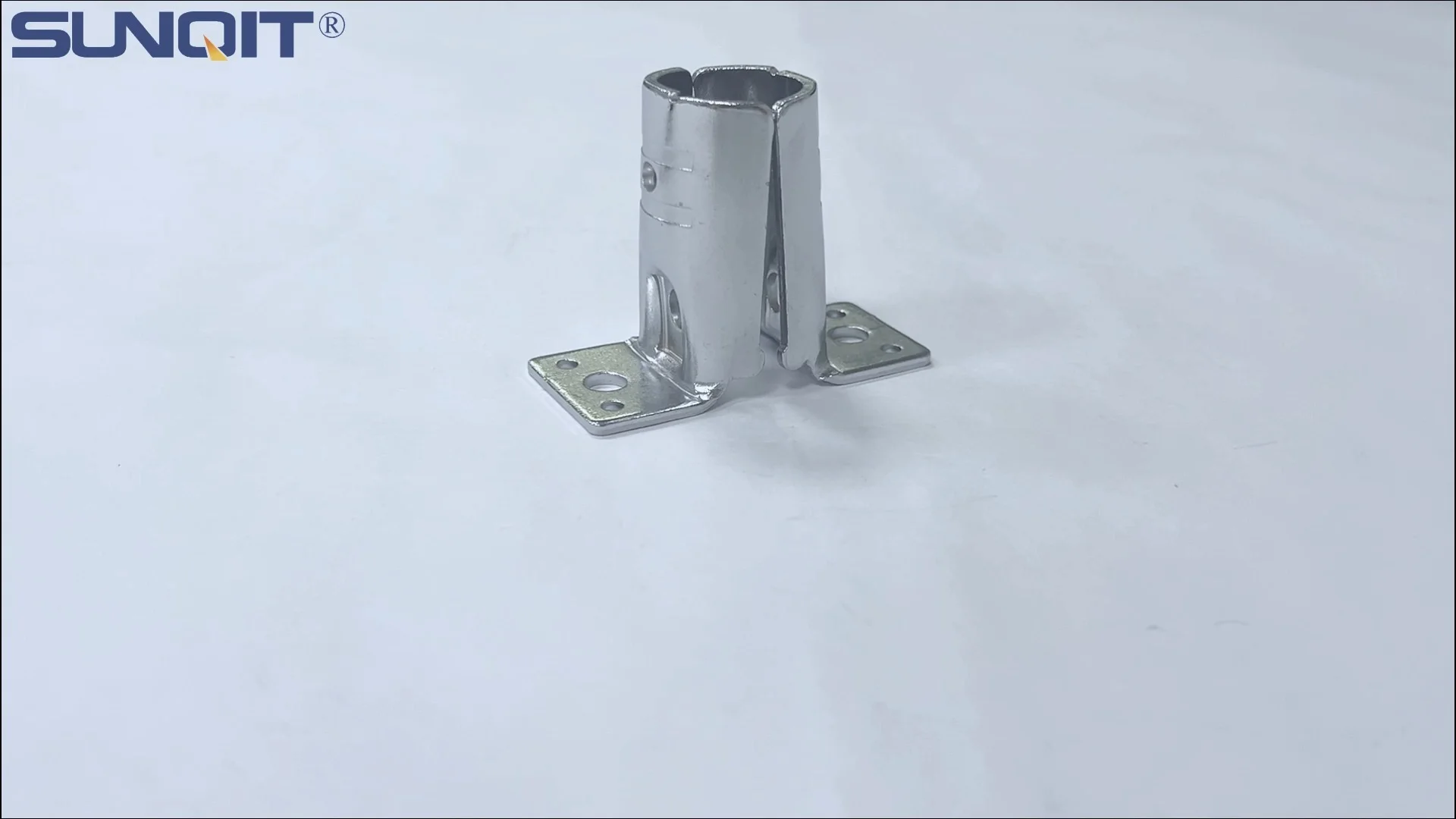
Vertical Lean Pipe Joint Chrome
Vertical lean pipe joint is used for 28mm lean pipe fixed on ground and keep it stable.
The Hidden Cost of Downtime in Modern Workspaces
Walk into any manufacturing plant, warehouse, or assembly facility, and you'll quickly realize that every second counts. Whether it's reconfiguring a production line to accommodate a new product, adjusting a workbench to fit a taller operator, or repurposing a flow rack to handle seasonal inventory spikes, downtime isn't just an inconvenience—it's a direct hit to the bottom line. Traditional workspace setups, with their rigid metal frames, welded joints, and tool-heavy assembly processes, often turn these necessary adjustments into all-day projects. What if there was a way to cut that downtime from hours to minutes? Enter the vertical lean pipe joint chrome—a small but mighty component that's quietly revolutionizing how teams build, modify, and dismantle their workspaces.
In the world of lean manufacturing, where efficiency and adaptability are king, the right tools can make or break a team's ability to stay agile. Lean pipe systems, known for their modularity and versatility, have long been a staple in creating customizable workbenches, flow racks, and material handling solutions. But even the most modular systems can fall short if their joints—the critical connectors that hold everything together—are cumbersome to work with. That's where the vertical lean pipe joint chrome stands out. Designed with quick disassembly in mind, this unassuming component is changing the game for teams that can't afford to waste time on complicated reconfigurations.
What Is a Vertical Lean Pipe Joint Chrome, Anyway?
Before diving into the time-saving benefits, let's start with the basics: What exactly is a vertical lean pipe joint chrome? At its core, it's a specialized connector used in lean pipe systems—those flexible setups made from metal pipes (often steel or aluminum) and joints that let you build everything from simple workbenches to complex assembly lines. Unlike generic pipe joints, the vertical lean pipe joint chrome is engineered with two key priorities: durability and ease of use.
First, the "chrome" in its name isn't just for show. The chrome plating adds a layer of protection against rust, corrosion, and wear, making it ideal for high-traffic industrial environments where moisture, oils, or debris are common. This durability ensures that even after repeated disassembly and reassembly—something that happens often in dynamic workspaces—the joint maintains its grip and structural integrity. Second, the "vertical" design is a game-changer. Unlike traditional T-shaped or L-shaped joints that require tools to loosen bolts from awkward angles, vertical joints are oriented to allow quick access to their locking mechanisms. This means you don't have to contort yourself under a workbench or behind a flow rack to make adjustments.
But what really sets this joint apart is its locking mechanism. Most vertical lean pipe joint chrome models use a cam-lock or lever-based system, which means you can tighten or loosen them with a simple twist or flip—no wrenches, screwdrivers, or power tools required. Imagine needing to lower the height of a lean pipe workbench to accommodate a new operator: with a traditional joint, you'd need to grab a socket set, spend 10 minutes fumbling with bolts, and risk stripping threads. With a vertical chrome joint? You flip the lever, adjust the pipe, and lock it back in place—all in under a minute. That's the difference between a minor tweak and a major production delay.

Why Quick Disassembly Matters: Beyond Just Saving Time
At first glance, "quick disassembly" might sound like a niche feature—nice to have, but not essential. But in reality, it touches nearly every aspect of a workspace's efficiency. Let's break down the ripple effects:
- Reduced Downtime: The most obvious benefit. If reconfiguring a flow rack takes 15 minutes instead of 2 hours, that's 105 minutes back in the day for your team to focus on actual production.
- Flexibility for Small-Batch Production: Many modern facilities shift between product lines daily or weekly. Quick disassembly means you can retool a lean pipe workbench to handle a new part size in between shifts, not over the weekend.
- Improved Ergonomics: Operators come in all shapes and sizes. Being able to adjust workbench heights or flow rack angles on the fly ensures everyone can work comfortably, reducing fatigue and injury risks.
- Cost Savings: Less downtime means more output. Fewer tools needed for adjustments mean lower tooling costs. And because vertical chrome joints are reusable, you can repurpose components instead of buying new ones for every project.
To put this in perspective, let's look at a real-world example. A mid-sized electronics manufacturer was struggling with seasonal demand spikes. Every holiday season, they needed to double their assembly line capacity, which meant reconfiguring 12 lean pipe workbenches and 8 flow racks. With traditional joints, the process took two full days of work from their maintenance team, requiring specialized tools and disrupting production. After switching to vertical lean pipe joint chrome, the same team completed the reconfiguration in just 4 hours—without any tools beyond their hands. The result? They avoided two days of lost production, saving an estimated $40,000 in downtime costs alone.

Traditional Joints vs. Vertical Lean Pipe Joint Chrome: A Head-to-Head Comparison
Still not convinced? Let's stack up the vertical lean pipe joint chrome against common alternatives. The table below compares key factors that matter most when it comes to disassembly speed and usability:
| Feature | Traditional Welded Joints | Bolted Steel Joints | Plastic Lean Pipe Joints | Vertical Lean Pipe Joint Chrome |
|---|---|---|---|---|
| Disassembly Time (per joint) | Not (permanent) | 10–15 minutes (requires tools) | 5–8 minutes (prone to stripping) | 30–60 seconds (tool-free) |
| Tools Required | Grinder/cutting torch (destructive) | Wrench, socket set, or screwdriver | Manual wrench (risk of breaking plastic) | None (hand-operated lever/cam) |
| Reusability | Not reusable (destroyed during disassembly) | Reusable (but threads wear over time) | Limited (plastic weakens with use) | Highly reusable (chrome plating resists wear) |
| Weight Capacity | High (but fixed) | High (but requires tight bolts) | Low to medium (risk of cracking under load) | Medium to high (cam-lock ensures secure grip) |
| Best For | Permanent, never-changing setups | Heavy-duty, rarely adjusted systems | Light-duty, budget-focused projects | Dynamic workspaces with frequent reconfigurations |
The data speaks for itself. When it comes to disassembly speed, tool requirements, and long-term usability, vertical lean pipe joint chrome outperforms traditional options by a wide margin. It's not just about saving time—it's about empowering teams to adapt without barriers.
5 Time-Saving Tips for Mastering Quick Disassembly with Vertical Chrome Joints
Even the best tools need the right techniques to deliver maximum value. Here are five practical tips to make the most of your vertical lean pipe joint chrome and turn every disassembly into a breeze:
Tip 1: Label Components for "Blind" Reassembly
When disassembling a lean system (like a workbench or flow rack), it's easy to forget which pipe goes where—especially if you're working with multiple joints. Before you start, use colored tape or small labels to mark pipes and corresponding joints (e.g., "Left Leg – Joint A" or "Flow Rack Tier 2 – Joint B"). This eliminates guesswork when reassembling, cutting down on trial-and-error time. Pro tip: Take a quick photo of the setup before disassembly for reference—your future self will thank you.
Tip 2: Train Teams on "One-Touch" Locking
Vertical chrome joints are tool-free, but that doesn't mean everyone on your team will intuitively know how to use them. Spend 10 minutes training operators and maintenance staff on the joint's locking mechanism—whether it's a lever, cam, or twist-lock. Emphasize the "sweet spot" for locking: over-tightening can wear out the mechanism, while under-tightening risks instability. A quick demo (e.g., "Flip the lever until you feel a firm click") ensures everyone can adjust joints confidently, without second-guessing.
Tip 3: Pre-Assemble "Sub-Modules" for Fast Swaps
If your team frequently switches between setups (e.g., morning and afternoon production runs), pre-assemble sub-modules using vertical chrome joints. For example, build two sets of side rails for a flow rack—one for small boxes and one for large—and keep them stored nearby. When it's time to switch, you can swap the entire sub-module in minutes instead of rebuilding from scratch. This works especially well for lean pipe workbenches, where adding or removing shelves is a common task.
Tip 4: Keep a "Quick Adjustment Kit" Handy
Even with tool-free joints, small issues can slow you down: a stuck lever, a pipe with debris in the end, or a joint that needs a quick clean. Put together a portable kit with essentials: a soft-bristle brush (to clean pipe ends), a silicone spray (to lubricate stiff levers), and a rubber mallet (for gently tapping pipes into place). Stash this kit near your most frequently adjusted workspaces—like the assembly line or shipping area—and you'll never waste time hunting for tools.
Tip 5: Leverage Partial Disassembly for Small Changes
You don't always need to take apart an entire system to make a change. Vertical chrome joints let you disassemble only what you need . For example, if you need to raise the top shelf of a lean pipe workbench, you don't have to disassemble the entire bench—just loosen the joints connecting the shelf to the legs, adjust, and re-lock. This "partial disassembly" approach cuts down on disruption and keeps the rest of the workspace functional while you make tweaks.
Beyond Workbenches: Creative Uses for Vertical Lean Pipe Joint Chrome
While lean pipe workbenches and flow racks are the most common applications, vertical chrome joints shine in any scenario where quick reconfiguration is key. Here are a few creative ways teams are using them:
- Mobile Workstations: Attach casters to a lean pipe frame with vertical joints, and you've got a workstation that can roll to where it's needed—then lock in place. When the project ends, disassemble it for compact storage.
- Seasonal Storage Racks: Retail warehouses often need extra racking during peak seasons. With vertical joints, you can build temporary racks in fall, disassemble them in winter, and reuse the pipes for spring displays.
- Prototype Assembly Lines: R&D teams frequently test new product assembly processes. Quick-disconnect joints let them tweak line layouts daily without disrupting testing timelines.
- Ergonomic "Hot Desks": In offices or labs, adjustable-height desks made with lean pipes and vertical joints let employees switch between sitting and standing positions in seconds—no electric motors required.
The key here is modularity. Vertical lean pipe joint chrome turns rigid structures into flexible building blocks, limited only by your team's creativity.
Choosing the Right Vertical Lean Pipe Joint Chrome: What to Look For
Not all vertical chrome joints are created equal. When shopping for suppliers, keep these factors in mind to ensure you're getting a product that delivers on its time-saving promises:
- Material Quality: Opt for joints made from high-grade steel with thick chrome plating—this ensures resistance to rust and wear, even in humid or oily environments.
- Locking Mechanism Type: Cam-lock or lever-based systems are generally faster to use than screw-based ones. Look for joints with a "positive lock" feel (you'll know it's secure when you hear/feel a click).
- Compatibility: Make sure the joint fits your existing lean pipes (most are designed for 28mm or 30mm pipes, but double-check). Some suppliers offer adapters for mixed pipe sizes.
- Weight Rating: Don't skimp on load capacity. If you're building a workbench that holds heavy tools, choose joints rated for at least 200kg per connection.
- Warranty: A reputable supplier will back their joints with a warranty (1–5 years is standard). This protects you from defects that could derail your efficiency gains.
When in doubt, ask for samples. Testing a few joints in your actual workspace will help you gauge how they perform with your team's typical tasks and tools.
Final Thoughts: Time Is Your Most Valuable Resource—Don't Waste It on Disassembly
In a world where markets change overnight and customer demands shift by the hour, adaptability isn't optional—it's survival. Vertical lean pipe joint chrome isn't just a component; it's a mindset shift. It says, "We refuse to let our workspace hold us back." It turns "We can't do that until next week" into "We can do that before lunch."
Whether you're running a small workshop or a large manufacturing plant, the message is clear: quick disassembly isn't a luxury. It's a competitive advantage. And with the right tools—like vertical lean pipe joint chrome—and the tips we've shared, you can turn every reconfiguration into an opportunity to outpace the competition.
So the next time you're staring at a workspace that needs to change, remember: the clock is ticking. But with vertical chrome joints, you'll be the one controlling the timer.