- Company Articles
- Products and Technology
- Installation And Maintenance
- Quick-Install Aluminum Pipe Clamps: Saving Time in Lean Setups

Quick-Install Aluminum Pipe Clamps: Saving Time in Lean Setups
Related Product
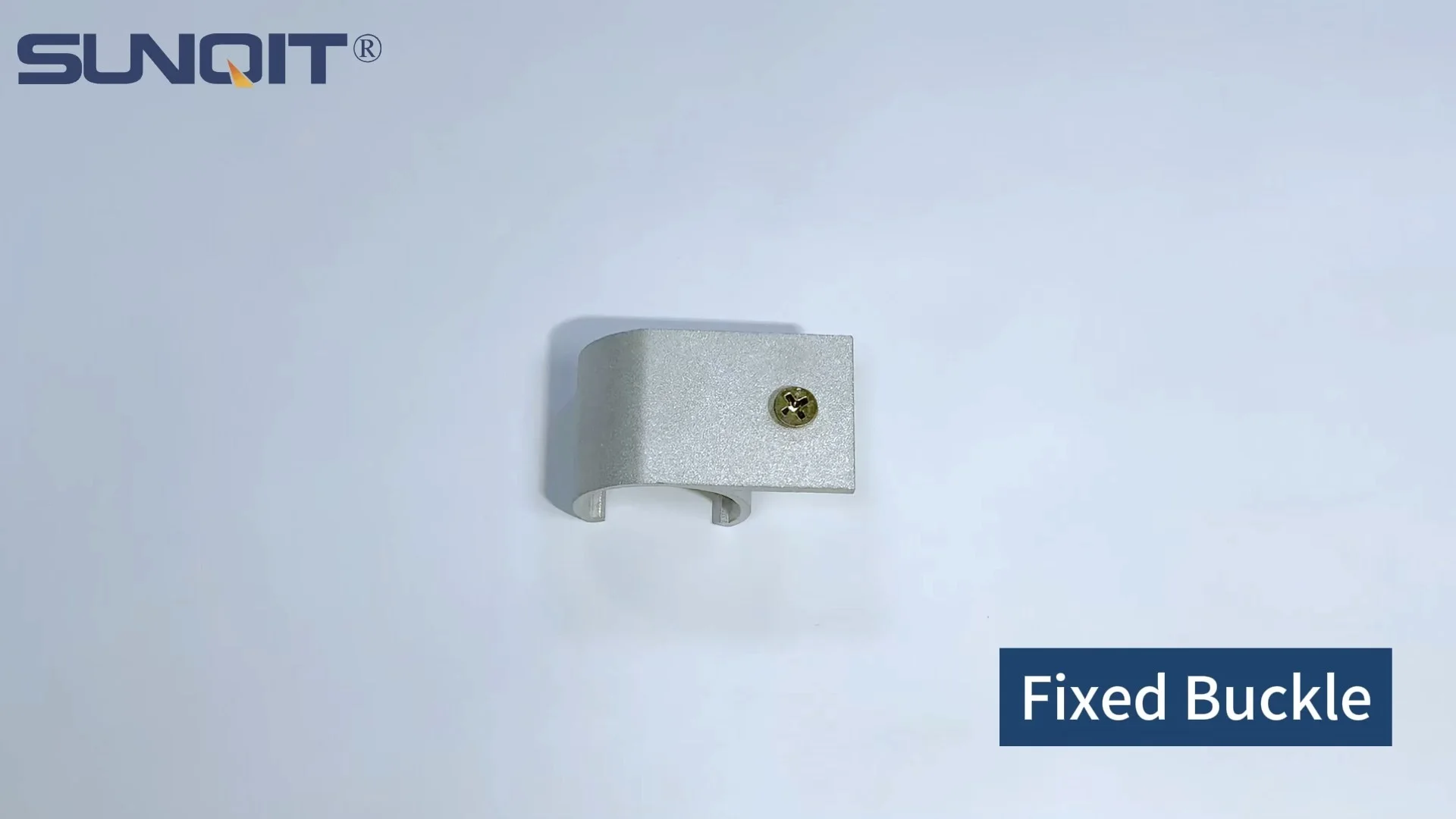
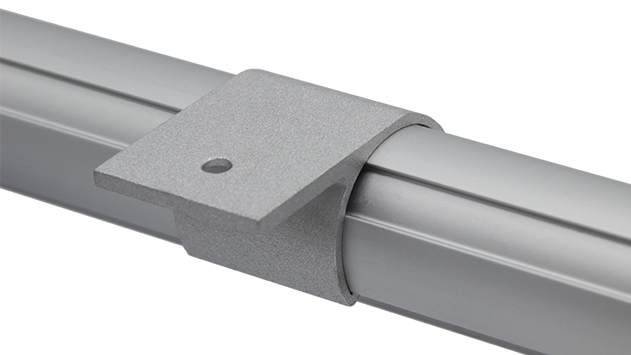
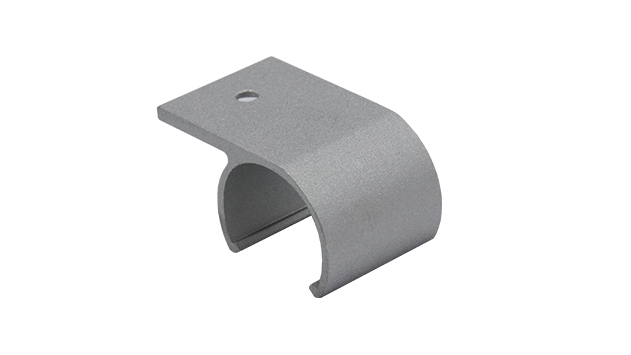
Aluminum Pipe Clamp
Aluminum pipe side clamp used for 28mm aluminum pipe connect with table top, or other accessories.
The Hidden Cost of Slow Setup in Lean Manufacturing
Think about the last time you walked through a manufacturing floor. Chances are, you noticed the buzz of productivity—machines humming, teams collaborating, products moving smoothly from one station to the next. But behind that seamless flow lies a critical, often overlooked detail: how quickly teams can adapt their workspace to meet shifting demands. In lean manufacturing, where efficiency is king, setup time isn't just a minor inconvenience—it's a silent drain on resources, morale, and ultimately, profitability.
Take Maria, a production supervisor at a mid-sized electronics plant I spoke with last year. Her team was tasked with reconfiguring a lean pipe workbench line to accommodate a new product launch. The old system relied on traditional steel clamps and bolts; what should have been a half-day project stretched into two full days. Workers grumbled as they fumbled with wrenches, stripped bolts, and adjusted misaligned pipes. By the end, the delay pushed back the product launch, and Maria found herself explaining to upper management why "simple setup" had turned into a costly bottleneck.
Stories like Maria's are far too common. Lean manufacturing thrives on flexibility—being able to pivot quickly, reduce waste, and respond to customer needs. But when the tools meant to enable that flexibility become the problem, the entire system suffers. That's where quick-install aluminum pipe clamps step in. These unassuming components are quietly revolutionizing how teams build, adjust, and maintain their workspaces—turning hours of frustration into minutes of focus.
What Are Quick-Install Aluminum Pipe Clamps, Anyway?
At first glance, aluminum pipe clamps might seem like just another piece of hardware. But they're actually the unsung heroes of modular workspace design. Unlike traditional steel clamps that require tools, threading, or even welding, these clamps are engineered for speed. Made from lightweight, corrosion-resistant aluminum, they feature intuitive locking mechanisms—think push-button releases, snap-on joints, or twist-to-tighten designs—that let workers assemble or reconfigure structures in a fraction of the time.
But it's not just about speed. These clamps are built to work seamlessly with other aluminum profile accessories —joints, brackets, and rails that form the backbone of lean setups. Whether you're building a material rack, a conveyor system, or that lean pipe workbench Maria struggled with, aluminum clamps act as the glue that holds everything together—without the hassle. They're also surprisingly durable: aluminum's natural resistance to rust means they hold up in harsh factory environments, from dusty warehouses to humidity-controlled electronics labs.
Here's the kicker: they're designed with the worker in mind. No more sore wrists from wrestling with heavy tools or squinting to align bolt holes. Most models can be adjusted with one hand, letting teams focus on the bigger picture—like optimizing workflow or troubleshooting production issues—instead of fighting with hardware.
The Time-Saving Revolution: By the Numbers
"Saves time" is a nice slogan, but in manufacturing, numbers speak louder. Let's break down exactly how much time quick-install aluminum pipe clamps can reclaim for your team. A recent study by the Lean Manufacturing Institute compared setup times for common workspace configurations using traditional steel clamps versus modern aluminum quick-clamps. The results? Staggering.
| Task | Traditional Steel Clamps | Quick-Install Aluminum Clamps | Time Saved |
|---|---|---|---|
| Assemble a basic lean pipe workbench (4x6 ft) | 2 hours 15 minutes | 35 minutes | 70% |
| Reconfigure a 10-ft roller track system | 3 hours 40 minutes | 55 minutes | 78% |
| Add caster wheels to a turnover trolley | 45 minutes | 12 minutes | 73% |
| Build a 3-tier material rack (with shelves) | 5 hours 20 minutes | 1 hour 40 minutes | 70% |
Let that sink in. For a single lean pipe workbench , your team could save over an hour and a half. Multiply that by a full production line, or a quarterly reconfiguration, and the hours add up to days—even weeks—of reclaimed productivity annually. And it's not just about time. When workers spend less time wrestling with tools, they have more energy to focus on what matters: quality control, process improvement, and collaboration. As one foreman put it: "We used to dread reconfig days. Now? It's just another task we knock out before lunch."
Beyond Speed: Flexibility That Fuels Lean Principles
Time savings are the headline, but the true power of quick-install aluminum pipe clamps lies in how they enable lean manufacturing's core principles: flexibility, adaptability, and waste reduction. Let's unpack how these clamps transform each of these areas.
Flexibility: From "Set It and Forget It" to "Adjust on the Fly"
Traditional clamps lock your workspace into rigidity. Once bolted down, repositioning a shelf or adjusting a roller track requires (dismantling) and rebuilding—hardly "lean." Aluminum quick-clamps, by contrast, let teams make micro-adjustments in seconds. Need to raise a workbench by 2 inches to reduce worker strain? Loosen a clamp, adjust, and lock it back in place. Testing a new material flow path? Snap apart a section of roller track , reposition, and keep the line moving. This isn't just convenience; it's the ability to experiment, iterate, and optimize in real time—without halting production.
Adaptability: Ready for Whatever the Day Brings
Manufacturing schedules are rarely static. A sudden rush order, a last-minute design change, or even a shift in team size can upend your workflow. Quick-install clamps turn chaos into control. Take the example of a medical device manufacturer I worked with last quarter. Their team needed to convert a standard assembly line into an esd workstation zone overnight to handle a sensitive component order. With aluminum clamps, they swapped out regular workbench tops for ESD-safe surfaces, added grounding clips, and reconfigured the roller track to include anti-static guards—all in under 3 hours. With traditional clamps, that same project would have required a full day's shutdown.
Waste Reduction: Less Material, Less Effort, Less Stress
Lean manufacturing defines waste as anything that doesn't add value to the customer. That includes excess materials, unnecessary movement, and even worker frustration. Aluminum clamps check all three boxes: they're lighter than steel (reducing shipping and handling waste), require no extra hardware (no more lost bolts or stripped screws), and eliminate the need for specialized tools (so workers aren't hunting for wrenches or drills). The result? A workspace that's not just efficient, but sustainable—for your bottom line and your team's morale.

Beyond the Clamp: Building a Complete Lean Ecosystem
Quick-install aluminum pipe clamps are powerful on their own, but their true potential shines when paired with complementary components. Think of them as the "glue" that holds together a lean ecosystem—one where every part works in harmony to maximize efficiency. Let's explore how these clamps integrate with key tools in your workspace.
Aluminum Profile Accessories: The Perfect Partners
Aluminum clamps are designed to work seamlessly with aluminum profile accessories —joints, brackets, and connectors that extend their functionality. For example, internal rotary aluminum joints let you pivot pipes 360 degrees without disconnecting, while parallel fixation joints keep multiple pipes aligned perfectly. When paired with quick-clamps, these accessories turn a basic structure into a modular powerhouse. A client in the automotive parts industry recently told me they use this combo to build custom workstations that can be reconfigured for 12 different product lines—all with the same base components.
Roller Tracks: Smooth Flow, No Fuss
Roller tracks are the arteries of material flow, moving parts from station to station with minimal effort. But installing them traditionally? A nightmare of alignment and (tightening). Quick-install clamps simplify this process by letting you secure tracks to frames in seconds. The clamps' precision-engineered design ensures tracks stay level and aligned, reducing jams and ensuring smooth movement. One food packaging plant reported a 40% reduction in line stoppages after switching to aluminum clamps for their roller systems—all because the tracks stayed put, even under heavy loads.
Caster Wheels: Mobility Without the Headache
Mobility is key in lean setups—workbenches, trolleys, and racks need to move where they're needed, when they're needed. Caster wheels make this possible, but attaching them to frames traditionally requires drilling holes and tightening bolts. Aluminum clamps eliminate this step: simply slide the caster mount into place, lock the clamp, and you're done. The result? A trolley that can be assembled, moved, and repositioned in minutes. A logistics team I spoke with uses this setup for their order-picking carts; during peak seasons, they can add 10 new carts in under an hour, then disassemble and store them just as quickly when demand slows.
ESD Workstations: Safety Meets Speed
In electronics manufacturing, esd workstations are non-negotiable—static electricity can fry sensitive components in an instant. But building ESD-safe setups used to mean sacrificing speed for safety. Not anymore. Aluminum clamps, when paired with ESD-rated accessories (like conductive joints and grounding clips), let teams build or reconfigure ESD zones without compromising on either. A semiconductor plant in Texas reported that their ESD workstation setup time dropped from 8 hours to 90 minutes after switching to quick-clamps—all while maintaining strict compliance with ANSI/ESD S20.20 standards.
Real-World Impact: Stories from the Factory Floor
Numbers and features tell part of the story, but the real test of any tool is how it changes the day-to-day lives of the people using it. Let's dive into a few stories from teams that've made the switch to quick-install aluminum pipe clamps—and never looked back.
Case Study 1: A Furniture Manufacturer's 50% Setup Time Cut
WoodCraft, a mid-sized furniture maker in North Carolina, was struggling with seasonal demand swings. Their traditional steel clamp system meant reconfiguring assembly lines for outdoor furniture in spring took 3 full days—time they couldn't afford. After switching to aluminum quick-clamps, they reduced that setup to 1.5 days. "The difference was night and day," says Tom, their production manager. "Our team used to dread setup weeks; now, they joke that we could do it during lunch. We've since expanded our product line by 30% because we're not wasting time on reconfigurations."
Case Study 2: A Medical Device Plant's Morale Boost
Morale might not show up on a balance sheet, but it directly impacts productivity. At MediTech, a medical device manufacturer in California, workers were frustrated by the constant delays caused by traditional clamps. "People were showing up to shifts already stressed, knowing they'd spend half the day fighting with tools," recalls HR director Lisa. After implementing aluminum quick-clamps, turnover in their assembly team dropped by 22%. "It sounds small, but when you remove that daily frustration, people feel valued. They're more engaged, more collaborative, and mistakes have gone down too."
Case Study 3: A Startup's Scrappy Growth
Startups don't have the luxury of large budgets or sprawling facilities. For GreenWave, a sustainable packaging startup, every dollar and minute counts. They needed a workspace that could grow with them—from a 500 sq ft garage to a 10,000 sq ft warehouse. Quick-install aluminum clamps let them do just that. "We started with one lean pipe workbench ," says founder Jake. "As we scaled, we added more pipes, clamps, and aluminum profile accessories —no need to buy new systems. We've saved over $40,000 in equipment costs alone, just by reusing and reconfiguring what we already have."
Choosing the Right Clamps: What to Look For
Not all quick-install aluminum pipe clamps are created equal. To maximize time savings and durability, keep these key factors in mind when selecting clamps for your setup:
Material Quality: Aluminum Grade Matters
Aluminum comes in different grades, and not all are built for industrial use. Look for clamps made from 6061-T6 aluminum—this alloy offers the perfect balance of strength, lightweight, and corrosion resistance. Avoid cheaper 3003-grade aluminum, which can bend under heavy loads. A good rule of thumb: if the clamp feels flimsy in your hand, it probably is.
Size Compatibility: Match Your Pipes
Clamps are designed to fit specific pipe diameters (common sizes include 28mm, 30mm, and 40mm). Mismatched sizes lead to slippage, instability, and frustration. Most manufacturers list compatible pipe sizes clearly, but when in doubt, test a sample clamp with your existing pipes before ordering in bulk.
Locking Mechanism: Smooth and Secure
The best clamps lock with a satisfying "click" and stay put under pressure. Look for designs with cam-action or lever locks—these are easier to operate with one hand and provide consistent tension. Avoid clamps with plastic locking components; over time, they can wear down and fail. Metal-to-metal locking mechanisms are always more reliable.
Load Capacity: Know Your Limits
Every clamp has a maximum load rating (e.g., 50kg, 100kg). Exceeding this leads to bending or breaking, which is dangerous and costly. When in doubt, overestimate—if your lean pipe workbench typically holds 80kg, choose clamps rated for 120kg to be safe. Most manufacturers provide load-testing data; don't hesitate to ask for it.
Environment: Corrosion, ESD, and Beyond
Consider your workspace conditions. If you're in a humid or chemical-heavy environment (like food processing or automotive painting), look for clamps with anodized or powder-coated finishes to resist corrosion. For esd workstations , opt for clamps with conductive coatings to dissipate static electricity safely.
The Future of Lean Setups: More Than Tools, but Partners in Progress
Quick-install aluminum pipe clamps are more than just a "better mousetrap"—they're a shift in how we think about workspace design. In lean manufacturing, the goal isn't just to build products; it's to build systems that empower people to do their best work. When setup time shrinks from hours to minutes, something remarkable happens: teams stop dreading change and start embracing it. They experiment more, collaborate freely, and find joy in the process of creation.
Maria, the production supervisor I mentioned earlier, recently reached out to share an update. Her plant has now fully transitioned to aluminum quick-clamps, and the difference is transformative. "Last month, we reconfigured three lean pipe workbench lines in a single day to meet a rush order," she said. "The team was high-fiving at the end of the shift—can you imagine that? High-fiving over a setup project!"
At the end of the day, lean manufacturing is about respect—for your customers, your bottom line, and most importantly, your people. Quick-install aluminum pipe clamps don't just save time; they show your team that you value their expertise, their time, and their ability to adapt. And in a world where agility is everything, that's the ultimate competitive advantage.
So, the next time you're evaluating your lean setup, don't overlook the small stuff. The right clamps might just be the key to unlocking the efficiency, flexibility, and morale your team deserves.