- Company Articles
- Products and Technology
- Product knowledge
- Quick-Release Mechanism in Roller Track Placon Mount Center Support Bracket: Benefits for Maintenance

Quick-Release Mechanism in Roller Track Placon Mount Center Support Bracket: Benefits for Maintenance
Related Product
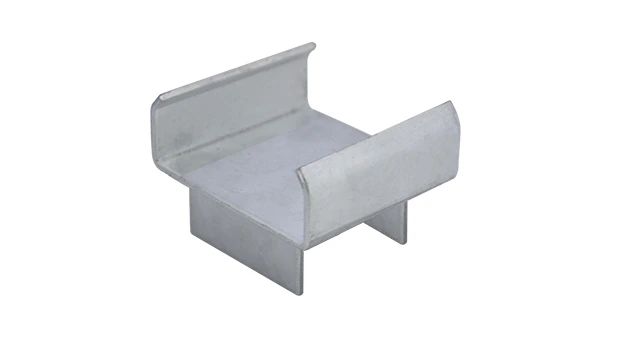
Roller Track Placon Mount Center Support Bracket
Roller track placon mount work as a connector for roller track and pipe or aluminum profile in rack syetem, it is a necessary parts in rack system which widely used in industrial plant and logistic,warehouse storage.
How a Simple Design Upgrade Transforms Manufacturing Line Efficiency and Worker Experience
The Hidden Cost of Downtime: Why Maintenance Matters in Modern Manufacturing
In the heart of every manufacturing facility—whether it's a bustling 3C assembly line churning out smartphones or a precision medical device workshop—there's a silent clock ticking. Every minute a production line pauses for maintenance, every hour spent wrestling with stubborn brackets or corroded fasteners, eats into profits, delays deliveries, and frays the nerves of teams racing to meet deadlines. For maintenance technicians, these moments are more than just frustrating; they're physical: kneeling under conveyor belts, straining to reach tight spaces, and fumbling with a handful of tools just to replace a single roller track component. It's a scenario that feels all too familiar in an industry where "lean" is often talked about but rarely felt in the day-to-day grind of upkeep.
Enter the roller track placon mount center support bracket—a yet critical part of material handling systems. Traditionally, these brackets have been designed with durability in mind, but not always with the humans behind the maintenance in mind. Welded joints, multiple bolts, and rigid structures made them reliable for holding heavy loads, but a nightmare when a roller needed replacing or a track required realignment. This is where the quick-release mechanism changes the game. More than just a technical upgrade, it's a shift in mindset: designing equipment that works with maintenance teams, not against them. At its core, it's about respecting the time, effort, and expertise of the people who keep production lines moving.
What Makes a Quick-Release Mechanism Different? Breaking Down the Design
To understand the value of a quick-release mechanism, let's start with the basics: what is a roller track placon mount center support bracket, anyway? In simple terms, it's the backbone of roller track systems—those gravity-fed or powered lines that smoothly transport components from one workstation to the next. Think of it as the "spine" that holds the rollers, guides, and frames in place, ensuring materials glide without jams or misalignment. In traditional designs, this spine is often fixed rigidly: bolts drilled into aluminum profiles, welded joints, or multi-piece clamps that require a toolkit just to access.
The quick-release version flips this script. At its heart is a clever combination of two key elements from modern lean manufacturing design: internal rotatary aluminum joints and lightweight, high-strength aluminum profiles. The internal rotatary joint— a staple in flexible production systems—allows for 180-degree rotation, meaning the bracket can be unlocked and pivoted open with minimal force. Instead of unscrewing 4-6 bolts, technicians can release the joint with a simple twist of a wrench (or even by hand, in some cases), swing the bracket aside, and access the roller track components directly. The aluminum profile, meanwhile, reduces weight without sacrificing durability, making the bracket easy to maneuver even in tight spaces.
But the design genius goes beyond just "easy to open." It's in the details: pre-calibrated tension settings that prevent accidental release during operation, yet still allow smooth unlocking; corrosion-resistant materials that stand up to the oil, dust, and humidity of factory floors; and modularity that lets the same bracket adapt to different roller track sizes (from 40mm steel roller tracks to 85mm staggered roller tracks). This isn't just about "quick release"—it's about smart release : safe, reliable, and tailored to the chaos of real-world manufacturing.

5 Ways Quick-Release Mechanisms Revolutionize Maintenance Workflows
It's one thing to talk about design, but the real impact of quick-release brackets shines through in the daily workflows of maintenance teams. Let's break down how this simple upgrade transforms everything from routine repairs to emergency fixes.
1. From Hours to Minutes: Slashing Downtime During Repairs
Imagine a scenario: a plastic roller track guide rail (the yellow or grey ones that keep materials aligned) cracks on a busy consumer electronics line. With a traditional bracket, the technician would need to: locate a socket set, crawl under the conveyor, unscrew 6 bolts (each potentially rusted or stripped), remove the bracket, replace the guide rail, reattach the bracket, and retighten the bolts—all while the line is down. Total time? Easily 45 minutes to an hour.
With a quick-release mechanism? The process shrinks to 10 minutes. No crawling (the bracket swings up and out of the way), no hunting for tools (a single hex wrench suffices), and no struggling with stuck bolts. The internal rotatary joint unlocks with a quarter-turn, the bracket pivots upward, the guide rail slides out, and the new one clicks into place. The line is back up before the next batch of components even arrives. For a factory running two shifts a day, that's a potential savings of 50+ hours of downtime per year for a single roller track section alone.
2. Reducing Physical Strain: A Win for Technician Wellbeing
Maintenance work is tough enough without adding unnecessary physical stress. Traditional brackets often require technicians to contort into awkward positions—kneeling, bending, or reaching overhead—while applying force to loosen bolts. Over time, this leads to repetitive strain injuries, chronic back pain, and high turnover in maintenance teams. Quick-release brackets change this by prioritizing ergonomics: the lightweight aluminum profile cuts bracket weight by up to 30% compared to steel alternatives, and the pivot design means technicians can work at waist height, not on the floor. "I used to come home with a sore back after replacing rollers," one technician at a major manufacturer told us. "Now, I can do the same job standing up, and it takes half the effort."
3. Minimizing Tool Dependency: Less Fumbling, More Doing
Walk into any maintenance workshop, and you'll see toolboxes overflowing with wrenches, screwdrivers, and specialty bits—each for a specific fastener. Traditional brackets often require 3-4 different tools just to disassemble, and losing even one can bring work to a halt. Quick-release mechanisms simplify this to a single tool (usually a standard hex wrench or adjustable spanner) or, in some cases, no tools at all. This not only speeds up repairs but also reduces the risk of errors: fewer tools mean fewer chances of using the wrong size and stripping bolts, or leaving tools behind in the machinery (a common safety hazard).
4. Enabling Predictive Maintenance: From "Break-Fix" to "Prevent-Fix"
One of the biggest barriers to predictive maintenance (scheduling checks before parts fail) is the time it takes to inspect equipment. With traditional brackets, opening up a roller track for inspection means the same tedious disassembly as a repair—so teams often skip routine checks, waiting for a breakdown instead. Quick-release brackets turn inspections into a 5-minute task: pop open the bracket, visually check for worn rollers or misaligned guides, and close it back up. This shift from "break-fix" to "prevent-fix" catches small issues before they become big problems, slashing the number of emergency shutdowns.
5. Aligning with Lean Principles: Waste Reduction at Its Core
At the end of the day, manufacturing thrives on lean principles: eliminating waste, optimizing flow, and continuous improvement. Quick-release brackets embody this philosophy by cutting down on three major wastes: time waste (less downtime), motion waste (less technician movement), and inventory waste (no need to stockpile spare brackets, since the same unit can be reused across multiple track types). For facilities aiming to adopt lean solutions , this isn't just a "nice-to-have"—it's a foundational building block that makes other lean practices (like rapid line changeovers or cellular manufacturing) possible.

Real-World Impact: Case Studies from the Factory Floor
Numbers and theory tell part of the story, but real change is measured in the experiences of teams on the ground. Let's look at two examples of how quick-release roller track brackets have transformed maintenance workflows in different manufacturing settings.
Case Study 1: 3C Assembly Plant Cuts Maintenance Time by 65%
A leading 3C (computers, communications, consumer electronics) manufacturer in Southern China was struggling with frequent roller track jams on its smartphone assembly line. The culprit? Worn plastic roller track guide rails, which needed replacing every 2-3 months. With traditional brackets, each replacement took 45 minutes, and the line had to shut down completely—costing the plant ~$2,000 per hour in lost production. Worse, the maintenance team of 8 was spending 12+ hours per week just on roller track upkeep, leaving little time for other critical tasks.
After upgrading to quick-release placon mount brackets, the results were immediate: replacement time dropped to 15 minutes per guide rail, and the line could stay partially operational during repairs (since the bracket only blocked a small section). Over six months, maintenance hours fell by 65%, and the plant avoided 12 unplanned shutdowns—saving an estimated $144,000 in downtime costs alone. "We used to dread roller track days," said the plant's maintenance supervisor. "Now, it's just another quick task on the checklist. The team's morale has even improved—less stress, more time to focus on proactive work."
Case Study 2: Medical Device Manufacturer Boosts Compliance and Safety
For medical device manufacturers, maintenance isn't just about efficiency—it's about compliance. Strict FDA and ISO regulations require regular cleaning and inspection of production equipment, including roller tracks that transport sterile components. A mid-sized medical device plant in Jiangsu was struggling to meet these standards with traditional brackets: disassembly took so long that cleaning schedules often fell behind, risking non-compliance fines. Technicians also complained about sharp edges on the old steel brackets, which posed a safety risk when handling delicate parts.
Switching to aluminum quick-release brackets solved both issues. The lightweight design made weekly deep cleaning feasible (inspection time dropped from 2 hours to 45 minutes), and the smooth, rounded edges of the aluminum profile eliminated safety hazards. Perhaps most importantly, the plant passed its next FDA audit with zero findings related to equipment maintenance—a first in three years. "Compliance used to feel like a burden," noted the quality manager. "Now, the brackets make it easy to stay on track."
"It's not just about saving time. It's about respecting the people who keep the line running. When you give a technician a tool that makes their job easier, they take more pride in their work—and that's when real efficiency happens." — Maintenance Director, Automotive Parts Supplier
Traditional vs. Quick-Release: A Side-by-Side Comparison
| Aspect | Traditional Roller Track Bracket | Quick-Release Roller Track Bracket |
|---|---|---|
| Disassembly Time | 30-45 minutes (4-6 bolts, multiple tools) | 5-15 minutes (1 tool, twist-to-release joint) |
| Required Tools | Socket set, wrench, screwdriver (3+ tools) | Hex wrench or adjustable spanner (1 tool) |
| Physical Strain | High (kneeling, bending, heavy lifting) | Low (waist-height access, lightweight materials) |
| Downtime Impact | Full line shutdown | Partial or no shutdown (sectional access) |
| Reusability | Low (bolts strip, welding weakens over time) | High (modular design, compatible with multiple track sizes) |
| Safety Risk | Higher (sharp edges, dropped tools in tight spaces) | Lower (smooth aluminum edges, secure locking mechanism) |
| Long-Term Cost* | Higher (downtime, tool replacement, labor) | 30-40% lower (reduced downtime, less labor, fewer replacements) |
*Based on 3-year lifecycle analysis for a mid-sized manufacturing line
Why Choose a Customized Quick-Release Solution? The Role of Lean System Expertise
Not all quick-release brackets are created equal. While generic versions might offer basic "quick release" functionality, they often fall short in real-world manufacturing environments—failing to fit unique roller track configurations, struggling with heavy loads, or corroding quickly in harsh conditions. This is where partnering with a supplier that specializes in lean system wholesale and customization makes all the difference.
Experienced suppliers don't just sell brackets—they design solutions tailored to your specific line. For example, a food packaging plant might need stainless steel components to resist washdowns, while a 3C assembly line could benefit from ESD (electrostatic discharge) protection in the bracket material. A good supplier will start by understanding your pain points: What's your biggest maintenance headache? How often do you need to access the roller track? What loads and speeds are you dealing with? From there, they'll engineer a bracket that solves your problems, not just checks a "quick release" box.
Customization also extends to compatibility with existing systems. Many manufacturers worry about the cost of replacing entire roller tracks to upgrade brackets—but the best solutions integrate seamlessly with your current setup, whether you're using 40 steel roller tracks, aluminum guide rails, or even older stainless steel pipe series. This "retrofit-friendly" approach cuts upgrade costs and minimizes downtime during installation.
The Future of Manufacturing: Where Quick-Release Design Fits Into Industry 4.0
As manufacturing moves toward Industry 4.0—smart factories with connected equipment and data-driven efficiency—quick-release mechanisms are more than just a "nice upgrade." They're a foundational element of flexible, adaptable production lines. Imagine a future where your roller track system sends real-time alerts when a roller is wearing thin, and a maintenance technician arrives with a tablet showing step-by-step instructions to unlock the quick-release bracket, replace the part, and get back to work—all in minutes. This isn't science fiction; it's the intersection of smart sensors and human-centered design.
Even today, quick-release brackets lay the groundwork for this future by making data collection easier. When maintenance is fast and non-disruptive, teams can gather more detailed data on equipment performance: How often do certain rollers wear out? Are jams more common in specific sections? This data, in turn, feeds into predictive maintenance algorithms, making your line smarter and more efficient over time.
Conclusion: Small Design, Big Impact—Investing in the Human Side of Manufacturing
At the end of the day, manufacturing isn't just about machines and materials—it's about people, and the quick-release roller track placon mount center support bracket is a testament to that truth. It's a reminder that the most powerful innovations aren't always the flashiest (no robots or AI required)—sometimes, they're the ones that make a technician's job a little easier, a little faster, and a little less frustrating. In doing so, they don't just save money or cut downtime; they build better, more resilient teams.
For manufacturers looking to stay competitive in a fast-paced global market, the message is clear: efficiency and humanity don't have to be trade-offs. By investing in tools and designs that respect your team's time and effort, you're not just upgrading equipment—you're upgrading your entire operation. And in the race to deliver quality products faster, that's the ultimate advantage.