- Company Articles
- Products and Technology
- Solution
- Rapid Production Line Adjustments: T-Groove Aluminum Pipe for Lean Manufacturing

Rapid Production Line Adjustments: T-Groove Aluminum Pipe for Lean Manufacturing
Related Product
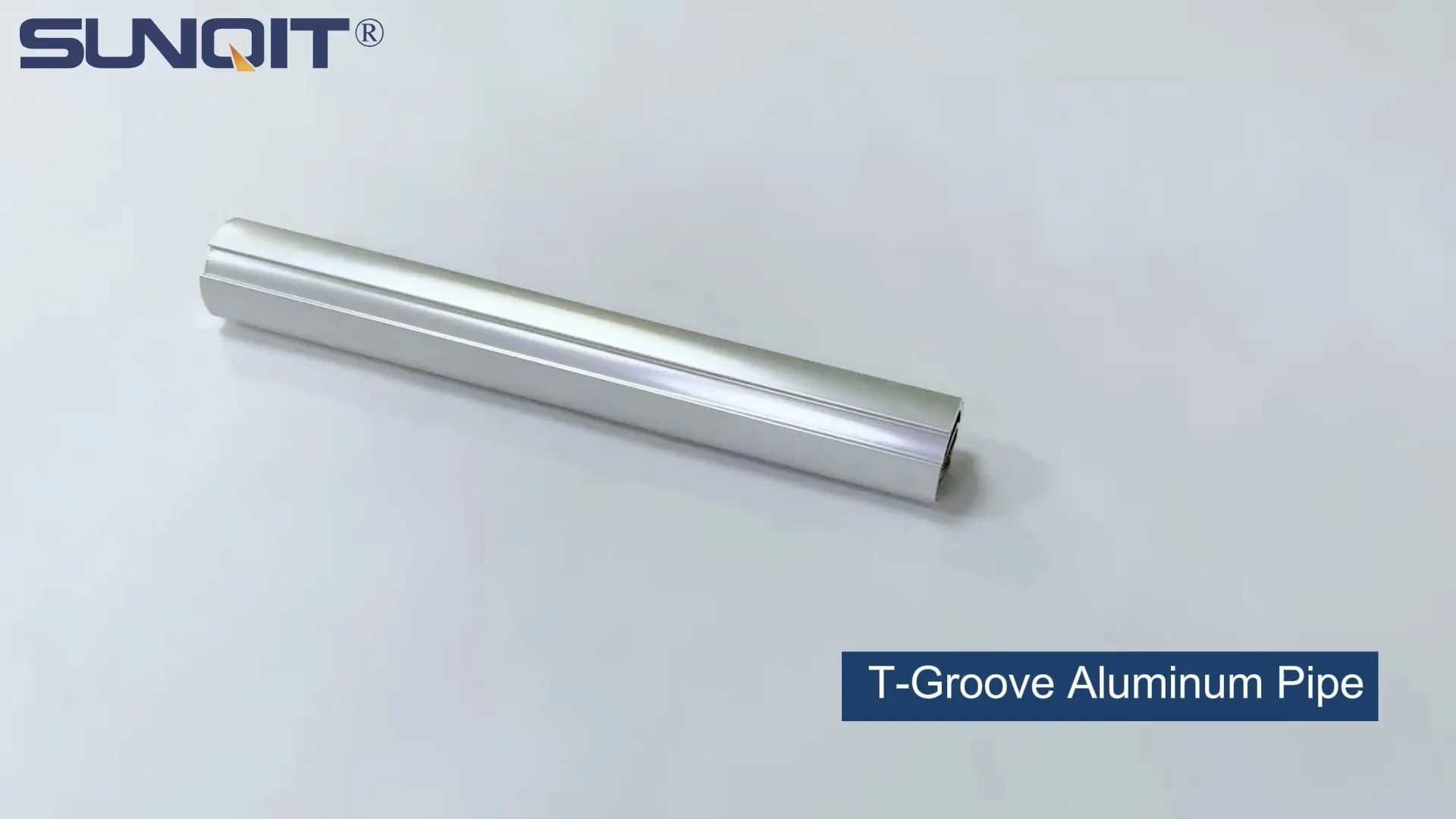
T-Groove Aluminum Pipe
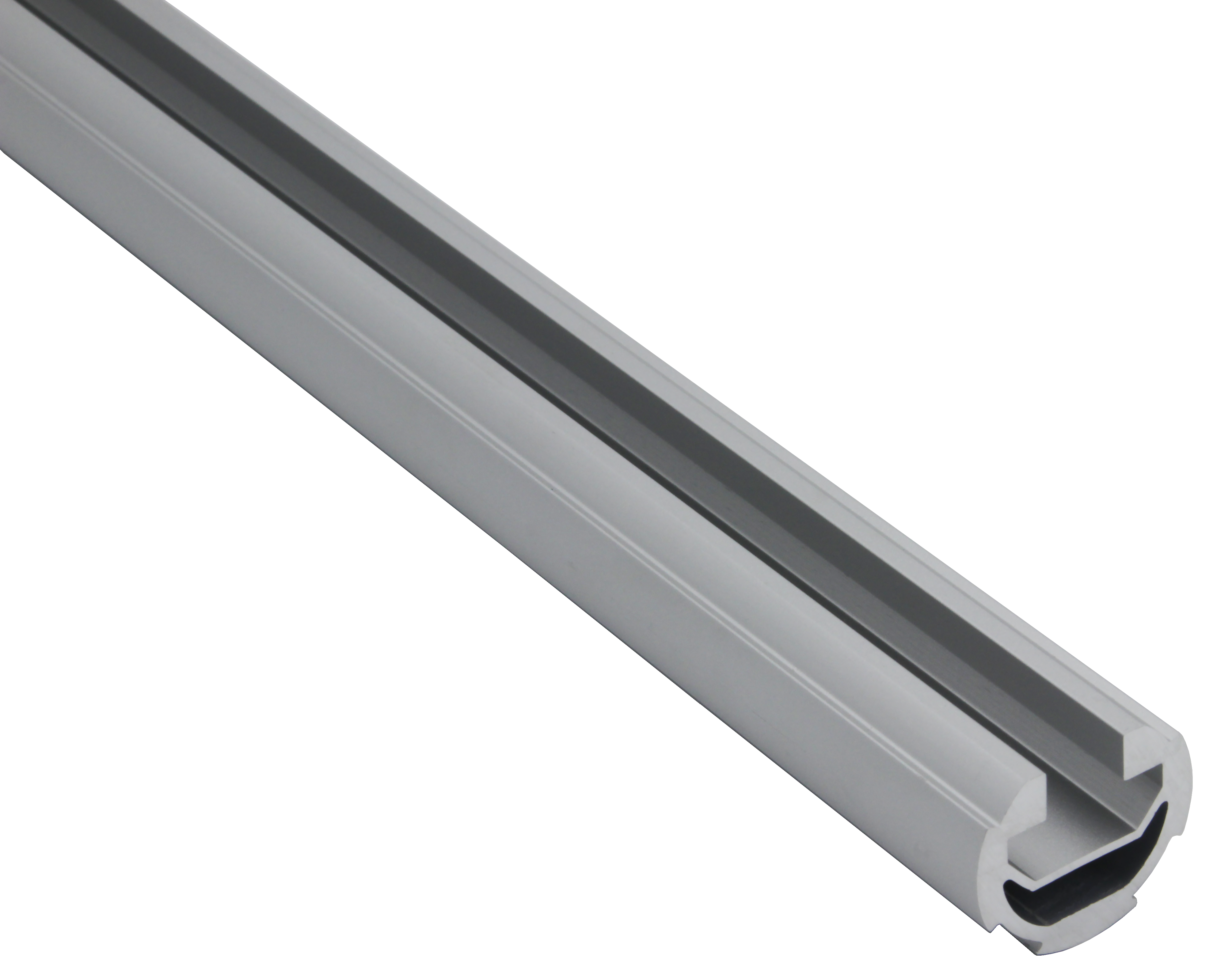
The aluminum pipe opening 10mm is installed into the T-shaped slider, which can be installed with casters or other matching functional parts. The groove can be used for positioning and is used for the track of the roller.
How modular aluminum solutions are transforming flexibility, efficiency, and waste reduction on the factory floor
The Inflexible Factory: Why Traditional Production Lines Are Struggling
Let's face it: the manufacturing world isn't what it used to be. A decade ago, a production line might churn out the same product for years—maybe even decades—with minimal changes. Today? It's a different story. Consumer demands shift overnight, new regulations pop up without warning, and competitors launch innovative products faster than ever. Factories that can't keep up with these rapid changes aren't just falling behind—they're risking obsolescence.
The problem often starts with the production line itself. Traditional setups rely on rigid, welded steel structures: heavy workbenches bolted to the floor, fixed conveyor belts, and custom-built material racks that take weeks to modify. When a new product comes in or a process needs tweaking, the entire line grinds to a halt. Welders are called in, parts are cut and reattached, and workers stand idle while the factory retools. It's not just time-consuming—it's wasteful. And in lean manufacturing, waste is the enemy.
Consider this: A mid-sized electronics manufacturer recently shared that reconfiguring their production line for a new smartphone model used to take four full days . During that time, their factory sat empty, costing them over $100,000 in lost productivity. Worse, by the time the line was ready, customer demand had already shifted, and they were left with excess inventory of the old model. Sound familiar? This isn't an isolated incident—it's the norm for factories stuck with inflexible infrastructure.
The core issue? Traditional systems are designed for stability, not adaptability. They're built to last decades, but in today's market, "last decades" might as well be "last century." What factories need now is a way to pivot quickly—without sacrificing strength, safety, or efficiency. That's where T-groove aluminum pipe comes in.
Meet T-Groove Aluminum Pipe: The Backbone of Modern Lean Systems
If traditional production lines are like stone monuments—permanent, heavy, and hard to change—T-groove aluminum pipe is more like a set of high-quality building blocks. Lightweight, modular, and infinitely reconfigurable, it's become the go-to solution for manufacturers embracing lean principles. But what exactly is it, and why is it revolutionizing factory floors?
At its core, T-groove aluminum pipe (often called aluminum profile or aluminum extrusion profile) is exactly what it sounds like: aluminum alloy extruded into long, hollow tubes with a T-shaped groove running along their length. This groove isn't just a design quirk—it's the secret to its flexibility. The T-shape allows accessories like brackets, joints, caster wheels, and roller tracks to slide into place and lock securely with a simple bolt or clamp. No welding, no drilling, no specialized tools. Just quick, tool-free assembly and disassembly.
But T-groove aluminum isn't just about convenience. It's engineered to be strong. Thanks to aluminum's impressive strength-to-weight ratio, these profiles can support heavy loads—think 200+ pounds per linear foot—while remaining light enough for two workers to carry and reposition. And unlike steel, aluminum resists corrosion, making it ideal for clean environments like food processing plants or electronics manufacturing facilities where rust and contamination are major concerns.
What really sets T-groove aluminum apart, though, is its compatibility with a vast ecosystem of accessories. From internal rotary aluminum joints that let structures pivot 360 degrees to plastic roller track guide rails that ensure smooth material flow, every component is designed to work together seamlessly. Need to add a shelf to a workbench? Slide a bracket into the T-groove and tighten a screw. Want to turn a stationary material rack into a mobile trolley? Swap out fixed feet for caster wheels. It's customization without the hassle—and that's a game-changer for lean systems.
Why Lean Systems Thrive with T-Groove Aluminum: 5 Key Benefits
Lean manufacturing is all about eliminating waste—whether it's time, materials, or motion. T-groove aluminum pipe aligns perfectly with this philosophy, addressing five critical pain points that plague traditional setups. Let's break down how it transforms lean systems from theory to practice.
1. Reduced Setup and Changeover Time
In lean terms, "setup time" is the enemy of agility. The longer it takes to reconfigure a line, the more waste (or muda , as it's known in lean) is generated. T-groove aluminum slashes setup time by up to 90% compared to welded steel. How? Because it's modular. Instead of cutting and welding new structures, workers can simply disassemble existing components and reassemble them in a new layout.
Take workbenches, for example. A traditional steel workbench might take 8 hours to build from scratch and another 4 hours to modify. With T-groove aluminum, a similar workbench can be assembled in under an hour using pre-cut profiles and T-groove joints. Need to adjust the height? Loosen the joints, slide the legs up or down, and retighten. Done. No welding, no grinding, no mess.
2. Flexibility to Scale (Up or Down)
Market demand isn't just fast—it's unpredictable. One month, you might need to ramp up production to meet a sudden surge; the next, you might need to scale back to avoid overstock. T-groove aluminum adapts to both scenarios effortlessly. Since components are lightweight and easy to connect, you can add new sections to a roller track or expand a workbench line in hours, not days. And when demand drops? Disassemble the extra components and store them compactly until you need them again.
This scalability is a lifesaver for small to mid-sized manufacturers with limited space. A factory with 5,000 square feet can reconfigure its layout to produce three different product lines in a single day—something that would be impossible with fixed steel structures.
3. Improved Material Flow with Roller Tracks and Caster Wheels
Lean systems live and die by material flow. If parts get stuck in transit, workers waste time walking back and forth, and production bottlenecks form. T-groove aluminum solves this with roller tracks—modular, gravity-fed systems that move materials smoothly from one workstation to the next. Unlike traditional conveyor belts, which require power and complex installation, roller tracks use simple physics: just slope the track slightly, and parts glide along plastic or steel wheels to their destination.
Pair roller tracks with caster wheels, and you've got a mobile material handling system that adapts to your workflow. Need to move a rack of components from the warehouse to the assembly line? Attach lockable caster wheels to the base (via the T-groove, of course) and roll it into place. No more forklifts, no more manual lifting, and no more wasted steps. It's lean material flow at its finest.
4. Durability Without the Weight
Skeptics often ask: "Aluminum? Isn't that too flimsy for factory work?" The short answer: No. Modern aluminum alloys (like 6063-T5, commonly used in T-groove profiles) are surprisingly strong. A 40mm x 40mm aluminum profile can support up to 500 pounds per linear foot—more than enough for most assembly tasks, material racks, or workbenches. And because aluminum resists corrosion, it holds up in harsh environments, from humid warehouses to cleanrooms.
The best part? It's lightweight . A 10-foot length of 40mm aluminum profile weighs just 8 pounds, compared to 30 pounds for a similar steel pipe. This makes it easy for workers to handle without heavy machinery, reducing the risk of injury and making reconfigurations a one- or two-person job.
5. Cost Savings Over Time
At first glance, T-groove aluminum might seem pricier than welded steel. After all, aluminum costs more per pound than steel, and the initial investment in profiles and accessories adds up. But lean manufacturing is about long-term value—and T-groove aluminum delivers. Let's crunch the numbers:
| Cost Factor | Traditional Steel Setup | T-Groove Aluminum Setup |
|---|---|---|
| Initial construction (per workstation) | $1,200 (welding, cutting, labor) | $1,500 (profiles, joints, tools) |
| Changeover cost (per reconfiguration) | $3,000 (welders, downtime, materials) | $200 (labor, no new materials) |
| Annual maintenance | $500 (rust removal, repainting, repairs) | $100 (tightening joints, replacing wear parts) |
| 5-year total cost | $17,500 (assuming 3 reconfigurations/year) | $4,500 (same reconfigurations) |
The numbers speak for themselves. While aluminum has a higher upfront cost, the savings from faster changeovers, lower maintenance, and reusability make it far cheaper over time. And when you factor in reduced downtime and increased productivity? The ROI often comes within the first year.

From Workbenches to Roller Tracks: Real-World Applications in Action
T-groove aluminum isn't just a theoretical solution—it's transforming factories across industries. Let's dive into some of the most common applications and see how they're making lean systems more efficient, flexible, and worker-friendly.
Workbenches: The Heart of the Assembly Line
The workbench is where the magic happens—where workers assemble, test, and inspect products. Traditional workbenches are static: fixed height, limited storage, and no room for customization. T-groove aluminum workbenches? They're designed to adapt to the worker, not the other way around.
Take the "Workbench E (Single Deck—Without Caster)" from many aluminum profile suppliers. Built with 40mm aluminum profiles and a durable plywood or steel top, it's sturdy enough to support heavy tools but light enough to move (just add caster wheels later if needed). The T-groove sides let workers attach accessories on the fly: tool holders, LED task lights, ESD mats for electronics assembly, or even small roller tracks to feed parts directly onto the bench.
One automotive parts manufacturer we worked with recently replaced all their steel workbenches with aluminum models. The results? Workers could adjust the height to reduce back strain, cutting ergonomic injuries by 35%. They also added modular shelves above the benches using T-groove joints, freeing up floor space and reducing time spent searching for tools. "It's like having a custom workbench for every task," one supervisor noted. "And when we need to switch tasks? We just reconfigure the accessories—no more building new benches from scratch."
Roller Tracks: Smooth Material Flow, No Power Required
In lean manufacturing, material should flow like water—steadily, without interruptions, and exactly where it's needed. Roller tracks, built with T-groove aluminum profiles and plastic or steel roller track guide rails, make this possible. Unlike powered conveyors, they use gravity to move parts, reducing energy costs and maintenance headaches.
Consider the "38 Aluminum Roller Track Yellow with Side Guide." This popular model features lightweight aluminum rails with yellow plastic wheels (highly visible for safety) and side guides to keep parts from slipping off. It's often used in assembly lines where parts need to glide from one workstation to the next—say, from a soldering station to a testing bench. Because it's modular, you can add curves, splits, or merges using roller track connectors, creating a material flow path that matches your exact process.
A food packaging plant in the Midwest recently installed 200 feet of aluminum roller track to move plastic containers between filling and sealing stations. Previously, workers had to carry containers in bins, leading to spills and repetitive motion injuries. Now, the containers glide smoothly along the track, and the line can be reconfigured in 20 minutes when they switch between bottle sizes. "We used to have two people dedicated to moving materials," the plant manager told us. "Now? Those workers are focused on quality control, and our error rate has dropped by 20%."
Mobile Trolleys and Racks: Material Where You Need It, When You Need It
Wasted motion is one of the biggest hidden costs in factories. Workers walking back and forth to fetch materials, searching for tools, or moving heavy loads—these are all forms of muda that eat into productivity. Mobile trolleys and racks, built with T-groove aluminum and caster wheels, solve this by bringing materials directly to the point of use.
Take the "Turnover Trolley and Rack" system. Made with lightweight aluminum profiles and equipped with heavy-duty caster wheels (often with brakes for stability), it can carry hundreds of pounds of parts but is easy to push by hand. The T-groove sides let you add dividers, shelves, or even small roller tracks to organize parts by SKU, ensuring workers can grab what they need without rummaging.
A medical device manufacturer implemented these trolleys to deliver sterilized components to assembly stations. Before, workers spent 2 hours per shift walking to the sterilization room and back. With the mobile racks, the components come to them, freeing up time for more value-added tasks. "We used to have to stop assembly when we ran out of parts," a production lead explained. "Now the trolley is always there, stocked with exactly what we need. It's like having a mini warehouse on wheels."
Lean Systems: Building a Factory That Adapts as Fast as You Do
The real power of T-groove aluminum lies in how its components work together to create a complete lean system. A single aluminum profile can be part of a workbench today, a roller track tomorrow, and a mobile trolley next week. This modularity means your entire factory becomes a flexible ecosystem, not a collection of fixed structures.
Consider a typical lean system setup: Aluminum profile workbenches line one side of the floor, each equipped with small roller tracks to feed parts. These connect to larger main roller tracks that run down the center, moving materials between stations. Mobile turnover trolleys, with caster wheels and adjustable shelves, ferry bulk materials from the warehouse to the main tracks. When a new product is introduced, workers disassemble the old roller track layout, reposition the workbenches, and reassemble everything in a new configuration—all in a fraction of the time it would take with steel.
A electronics contract manufacturer in Asia recently built an entire "lean cell" using T-groove aluminum. The cell produces custom circuit boards for clients, and each client has unique requirements. With aluminum profiles, they can reconfigure the cell for a new client in 4 hours instead of 4 days. "We used to turn down small orders because reconfiguring was too expensive," the operations director said. "Now? We take on any order, big or small. The aluminum system pays for itself in new business alone."
Case Study: How a Furniture Manufacturer Cut Changeover Time by 90% with T-Groove Aluminum
The Challenge: A mid-sized furniture manufacturer in North Carolina specialized in custom office chairs. Their production line was a maze of fixed steel workbenches, welded conveyor belts, and custom material racks. When a client ordered a new chair model with different armrests and upholstery, the line had to shut down for 3 days. Welders would cut apart the old workbenches, build new ones, and rewire the conveyors—all while workers stood idle. Changeover costs averaged $25,000 per order, and they were losing clients to competitors with faster turnaround times.
The Solution: The manufacturer invested in a T-groove aluminum system, including workbenches, roller tracks, and mobile trolleys. They replaced their steel workbenches with adjustable aluminum models (using 4040 EU standard aluminum profiles) and installed 150 feet of 38mm aluminum roller track with yellow plastic wheels to move chair frames between stations. They also added caster wheels to their material racks, turning them into mobile units that could be positioned next to each workstation.
The Results: The first changeover with the new system took just 2.5 hours —down from 3 days. Workers disassembled the old roller track layout, repositioned the aluminum workbenches (adjusting heights to fit the new chair dimensions), and reassembled the tracks with new plastic roller track guide rails. The mobile material racks were wheeled into place, stocked with the new armrests and upholstery, and locked down with caster brakes.
Over the next six months, the manufacturer handled 12 new client orders—each with a changeover time of under 3 hours. They reduced downtime by 90%, cut changeover costs to $1,500 per order, and increased their client base by 40%. Perhaps most importantly, worker morale improved: "We used to dread changeovers," one assembler noted. "Now? It's just another part of the day. We actually look forward to new orders because the system makes it so easy."

Choosing the Right T-Groove Aluminum Components: A Buyer's Guide
Ready to make the switch to T-groove aluminum? Great—but with so many components on the market, it's easy to feel overwhelmed. From aluminum profiles and joints to roller tracks and caster wheels, each part plays a role in your system's performance. Here's how to choose the right components for your needs.
1. Start with the Aluminum Profile: Size Matters
Aluminum profiles come in various sizes, typically measured by their width and height (e.g., 20x20mm, 30x30mm, 40x40mm, or 40x80mm). The size you choose depends on the load your structure will bear. For light-duty applications like small workbenches or shelving, 20x20mm or 30x30mm profiles work well. For heavier loads—think industrial workbenches, material racks, or roller tracks supporting metal parts—go with 40x40mm or larger. The "4040A EU Standard Aluminum Profile" is a popular choice for general manufacturing; it's strong, versatile, and compatible with most accessories.
Also, pay attention to the wall thickness. Thicker walls (e.g., 2.0mm) offer more strength but add weight. For mobile structures like trolleys, a 1.5mm wall might be preferable to keep things lightweight.
2. Joints: The Glue That Holds It All Together
Joints connect your aluminum profiles, and the right joint can make or break your system's flexibility. Here are the most common types:
For most applications, a mix of fixed and rotary joints gives the best balance of stability and flexibility. Look for joints with corrosion-resistant finishes (like anodized aluminum) to ensure longevity.
3. Roller Tracks: Wheels and Rails for Smooth Flow
When selecting roller tracks, consider the type of material you'll be moving. For lightweight parts (e.g., plastic components), plastic roller track guide rails (yellow or grey) are affordable and quiet. For heavier metal parts, steel wheels or aluminum roller tracks with steel flanges are more durable. The "38 Aluminum Roller Track Black ESD with Wheel Flange" is a top pick for electronics manufacturing, as it dissipates static electricity to protect sensitive components.
Also, check the roller spacing. Closer spacing (e.g., wheels every 2 inches) works better for small, irregularly shaped parts, while wider spacing (every 4 inches) is fine for larger, flat items like boxes.
4. Caster Wheels: Mobility Without Compromise
Caster wheels turn stationary structures into mobile workhorses, but not all casters are created equal. For smooth factory floors, light-duty caster wheels (2-3 inches) with polyurethane tires work well—they're quiet and won't scratch floors. For rough surfaces or heavy loads, go with larger, rubber-tired casters (4-5 inches) with ball bearings for easier rolling. Always choose casters with brakes for safety; the "360° Swivel Expanding Stem Casters Wheel with Brake" is a reliable option, offering both mobility and stability when locked.
5. Accessories: The Little Things That Make a Big Difference
Don't overlook accessories—they're what turn a basic aluminum frame into a fully functional lean system. Must-haves include:
The Future of Lean Manufacturing: T-Groove Aluminum and Industry 4.0
As factories move toward Industry 4.0—smart, connected manufacturing—T-groove aluminum is poised to play an even bigger role. Its modularity makes it the perfect platform for integrating new technologies, from IoT sensors to collaborative robots (cobots).
Imagine a workbench built with aluminum profiles that has embedded sensors in the T-groove, monitoring tool usage and alerting managers when supplies run low. Or cobots moving along aluminum roller tracks, delivering parts to workers exactly when needed. Because T-groove aluminum is easy to modify, adding these smart technologies doesn't require a complete overhaul of your production line—just a few new accessories.
Sustainability is another growing trend, and aluminum fits the bill here too. It's 100% recyclable, and most T-groove profiles are made from recycled aluminum, reducing your factory's carbon footprint. Plus, since aluminum systems are reusable, you'll generate less waste than with disposable steel structures.
Final Thoughts: Your Factory, Reimagined
The days of rigid, wasteful production lines are numbered. In their place are flexible, modular systems built on T-groove aluminum pipe—systems that adapt as fast as your business does, reduce waste, and empower workers to do their best. Whether you're building a new line from scratch or retrofitting an existing one, the benefits are clear: faster changeovers, lower costs, and a lean system that can keep up with the demands of modern manufacturing.
So why wait? The factory of the future isn't coming—it's here. And it's built on aluminum profiles, roller tracks, and a whole lot of flexibility. Your next production line adjustment could be your last stressful one. All it takes is a set of building blocks—and the vision to reimagine what your factory can be.