- Company Articles
- Products and Technology
- Product knowledge
- Recyclability of T Slot Aluminum Pipe: Closing the Circular Economy Loop

Recyclability of T Slot Aluminum Pipe: Closing the Circular Economy Loop
Related Product
T Slot Aluminum Pipe
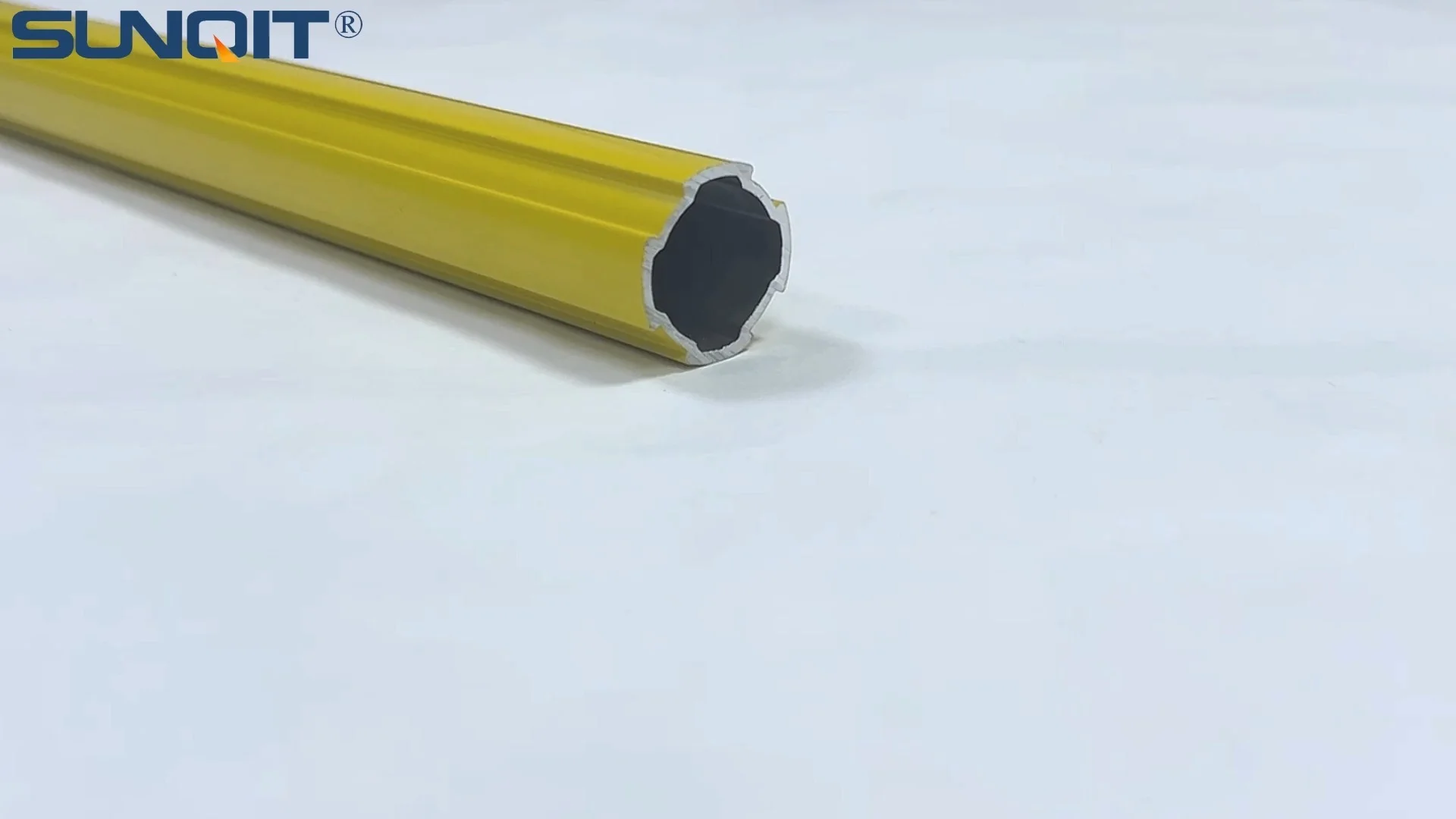
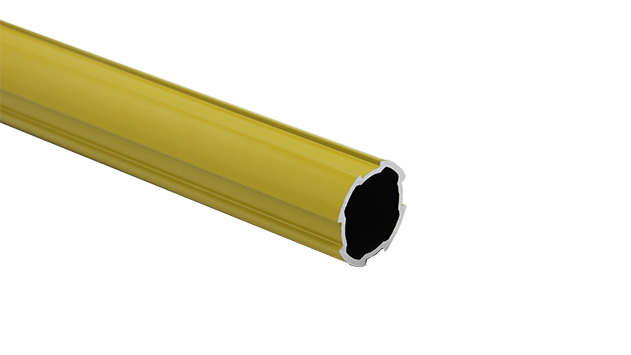
Aluminum pipe, it is used for workbench, flow rack,hand trolley assemble work with advantage of flexible and durable, yellow color makes it more attactive as a caution remind.
Walk into any modern manufacturing plant, warehouse, or even a tech startup's workshop, and you'll likely encounter a familiar sight: sleek, modular structures—workbenches, material racks, conveyor systems—assembled from shiny, silver-gray components. Chances are, those components are made from
T slot aluminum pipe
. It's the unsung hero of industrial design, quietly enabling the flexibility and efficiency that today's businesses rely on. But beyond its practicality, there's a deeper story here—one about sustainability, responsibility, and closing the loop on waste. In a world grappling with climate change and resource depletion, the recyclability of materials like T slot aluminum pipe isn't just a "nice-to-have"; it's a critical piece of the circular economy puzzle. Let's dive into why this unassuming material matters, how it's recycled, and the impact it can have on businesses and the planet.
The Circular Economy: Why "Take-Make-Waste" Isn't Working Anymore
For decades, industries have operated on a linear model: extract raw materials, manufacture products, use them, then discard them as waste. It's a system that's simple but unsustainable. The numbers tell the story: global waste generation is projected to reach 3.4 billion tons by 2050, and only 9% of the world's plastics are recycled. Meanwhile, extracting and processing virgin materials accounts for 40% of global greenhouse gas emissions.
The circular economy offers an alternative. Instead of a one-way street, it's a closed loop where resources are reused, recycled, and repurposed. Products are designed for durability and recyclability, waste is minimized, and materials retain their value long after their initial use. And in this model, aluminum—especially in forms like
aluminum extrusion profile
—shines brighter than almost any other material.
Aluminum: The Original Circular Material
Aluminum has been called the "forever metal," and for good reason. Unlike plastics or even some metals, it doesn't degrade during recycling. You can melt down an aluminum can, a car part, or a T slot aluminum pipe, reprocess it, and turn it into a new product with the same quality as the original. This infinite recyclability is a game-changer.
Let's start with the basics: how aluminum is made. Primary aluminum production starts with bauxite ore, which is mined, refined into alumina, then smelted in massive electrolytic cells to produce pure aluminum. It's an energy-intensive process—smelting alone accounts for about 2% of global electricity use. But here's the kicker: recycling aluminum requires just 5% of the energy needed to produce it from bauxite. That's a 95% energy savings. To put it in perspective: recycling one ton of aluminum saves 14,000 kWh of electricity—enough to power a home for over a year—and prevents 9 tons of carbon dioxide emissions.
This isn't theoretical. Aluminum has been recycled for over a century, and today, 75% of all aluminum ever produced is still in use. That's a track record few materials can match. And when you shape aluminum into forms like T slot extrusion profiles—hollow, lightweight, and designed for easy assembly—the recyclability story gets even better.
T Slot Aluminum Pipe: More Than Just a Building Block
So, what exactly is T slot aluminum pipe? At its core, it's an
aluminum extrusion profile
—a length of aluminum shaped by forcing heated aluminum billets through a die to create a specific cross-section. The "T slot" refers to the T-shaped groove running along the length of the pipe, which allows for easy attachment of brackets, shelves, panels, and other components. This design makes it incredibly versatile: a single length of T slot pipe can be part of a workbench today, a material rack next month, and a conveyor guard next year.
But it's not just the pipe itself that matters. The system relies on
aluminum profile accessories
—connectors, end caps, hinges, and brackets—that snap or bolt into those T slots, turning basic pipes into custom structures. This modularity is key to its sustainability. Unlike welded steel or glued plastic systems, T slot aluminum structures are easy to disassemble. Need to reconfigure a production line? Unbolt the accessories, rearrange the pipes, and reassemble. Outgrow a workbench? Take it apart and reuse the components elsewhere. When a structure finally reaches the end of its useful life, those pipes and accessories don't become waste—they become feedstock for the next generation of products.

How T Slot Aluminum Pipe is Recycled: From Workshop to Smelter
Let's walk through the recycling journey of a T slot aluminum pipe. Imagine a manufacturing plant that's upgrading its production line. The old workbenches, made from T slot aluminum, are no longer needed. Instead of hauling them to a landfill, the plant contacts a metal recycler. Here's what happens next:
1. Collection and Sorting:
The disassembled pipes and accessories are collected and transported to a recycling facility. Aluminum is magnetic? No—but it's easy to separate from other materials. Recyclers use density tests (aluminum is lighter than steel) or eddy current separators, which create a magnetic field to repel aluminum, making it jump off a conveyor belt into a separate bin. Any non-aluminum parts—like plastic end caps or rubber gaskets—are removed manually or via air separation.
2. Cleaning and Shredding:
The sorted aluminum is cleaned to remove dirt, oil, or paint. Then it's shredded into small pieces (think: aluminum confetti) to increase surface area for melting. Shredding also helps remove any remaining contaminants.
3. Melting:
The shredded aluminum is loaded into a furnace and heated to about 700°C (1,292°F)—hot enough to melt it but far cooler than the 2,000°C needed for primary production. During melting, any remaining impurities rise to the surface as dross (a slag-like material), which is skimmed off.
4. Alloying and Casting:
Depending on the desired end product, alloys (like copper or magnesium) are added to the molten aluminum to adjust its strength or flexibility. The molten metal is then cast into ingots, billets, or slabs—ready to be rolled, extruded, or forged into new products. A T slot aluminum pipe that once held circuit boards on a workbench might become part of a bicycle frame, a window frame, or even another T slot pipe.
The beauty of this process? It's repeatable, infinitely. There's no loss of quality, no degradation. That aluminum pipe could theoretically be recycled hundreds of times, each time saving energy and reducing emissions.

Aluminum vs. the Competition: A Recyclability Showdown
To truly appreciate aluminum's recyclability, let's compare it to other common materials used in industrial applications. The table below breaks down how T slot aluminum pipe stacks up against steel, plastic, and wood in key sustainability metrics:
| Material | Recyclability Rate | Energy Savings vs. Virgin Production | Lifecycle Durability | End-of-Life Options |
|---|---|---|---|---|
| T Slot Aluminum Pipe (Extrusion Profile) | 95%+ (globally) | 95% | 50+ years (with proper care) | Infinitely recyclable; no degradation |
| Steel (Carbon) | 70-80% | 70% | 30-40 years | Recyclable, but quality degrades over time |
| Plastic (PVC/ABS) | 9% (global average) | 10-15% (mechanical recycling) | 10-15 years (prone to cracking/UV damage) | Mostly landfilled/incinerated; limited recycling |
| Wood (Hardwood) | Biodegradable, but not "recyclable" as wood | N/A (renewable but requires deforestation) | 20-30 years (prone to rot/insects) | Composting, energy recovery, or landfill |
The numbers speak for themselves. Aluminum's recyclability rate is unmatched, and its energy savings are staggering. Even steel, often hailed as a "green" metal, can't compete with aluminum's infinite loop. And plastics? Their low recyclability rate and short lifespan make them a poor choice for sustainable design. For businesses looking to reduce their environmental footprint, T slot aluminum pipe isn't just a practical option—it's the responsible one.
The Business Case: Why Recyclability Matters for Your Bottom Line
Sustainability isn't just about saving the planet—it's about saving money, too. For manufacturers, warehouses, and businesses that rely on industrial infrastructure, choosing T slot aluminum pipe and
aluminum profile accessories
can boost the bottom line in surprising ways:
Lower Material Costs:
Recycled aluminum costs 20-30% less than virgin aluminum. As recycling infrastructure improves, this gap is widening. By choosing recycled-content aluminum extrusion profiles, businesses can cut raw material expenses without sacrificing quality.
Reduced Waste Disposal Fees:
Landfilling industrial waste isn't cheap. In the U.S., landfill tipping fees average $50-$100 per ton. Recycling aluminum not only avoids these fees but can even generate revenue—scrap aluminum prices hover around $0.50-$1.00 per pound, turning "waste" into a small profit stream.
Brand Reputation and Compliance:
Consumers and investors are increasingly prioritizing sustainability. A 2023 Nielsen study found that 78% of consumers are more likely to buy from brands with strong environmental credentials. Additionally, regulations like the EU's Circular Economy Action Plan or California's SB 54 (mandating recycled content in packaging) are pushing businesses to adopt greener practices. Using recyclable materials like T slot aluminum pipe helps meet these standards and build trust.
Long-Term Flexibility:
The modularity of T slot aluminum systems means they adapt as your business grows. Instead of buying new equipment, you can reconfigure existing structures using the same pipes and accessories. When you do need to upgrade, recycling the old system recoups value and reduces waste.
Take the example of a mid-sized electronics manufacturer in Ohio. A few years ago, they replaced their steel workbenches with T slot aluminum ones. Initially, the upfront cost was slightly higher, but over time, they saved by reusing components during a factory redesign. When they finally recycled the old aluminum pipes, they earned $2,500 from scrap sales—enough to offset a quarter of the cost of their new accessories. "It wasn't just about being green," says their operations manager. "It was about being smart with our resources."
Beyond the Pipe: The Role of Accessories in Closing the Loop
We've talked a lot about the pipe itself, but
aluminum profile accessories
deserve a spotlight, too. These small components—connectors, hinges, end caps, brackets—are the glue that holds T slot systems together. And when designed with recyclability in mind, they extend the circular economy loop even further.
Many aluminum profile accessories are made from the same recyclable aluminum as the pipes. Take a 90-degree connector: it's die-cast or machined from aluminum, so when the system is disassembled, it can be recycled alongside the pipe. Even accessories with mixed materials—like a plastic roller track guide rail—are designed for easy separation. The plastic part can be removed, and the aluminum base recycled.
Some manufacturers are taking this a step further. For example, companies now offer "mono-material" accessories, where even the fasteners are aluminum, eliminating the need to sort different metals. Others use recycled plastic for non-aluminum components, closing the loop on plastic waste, too. It's a reminder that sustainability isn't just about the main material—it's about the entire ecosystem of parts.
The Future: Innovations in Aluminum Recycling and Design
The recyclability of T slot aluminum pipe is already impressive, but the future looks even brighter. Here are three trends shaping the next chapter:
1. "Design for Recycling" (DfR):
Engineers are now designing products with recycling in mind from the start. For T slot aluminum systems, this means minimizing mixed materials, using standardized fasteners, and labeling components for easy sorting. Some companies are even embedding QR codes in pipes to tell recyclers exactly what alloy they are, streamlining the recycling process.
2. Advanced Recycling Technologies:
While traditional recycling (melting and reprocessing) works well, new technologies like "cold recycling" (mechanical processing without melting) are being tested for aluminum. These methods use less energy and could make recycling smaller or more complex components even more efficient.
3. Localized Recycling Networks:
Currently, much of the world's scrap aluminum is shipped to large smelters in China or the Middle East. But there's a push to build smaller, regional recycling facilities. This reduces transportation emissions and makes recycling more accessible for small and medium businesses.
Imagine a future where your local manufacturing hub has its own aluminum recycling station. You disassemble your old T slot workbench, drop off the pipes and accessories, and a week later, pick up new extrusion profiles made from that same aluminum. It's a hyper-local circular economy—and it's closer than you think.
Closing the Loop: Your Role in the Aluminum Revolution
So, what can you do to harness the recyclability of T slot aluminum pipe? Start small: audit your current equipment. Are you using steel or plastic structures that end up in landfills? Consider swapping them for aluminum extrusion profiles. When purchasing new systems, ask suppliers about the recycled content of their pipes and accessories. Look for certifications like the Aluminum Stewardship Initiative (ASI), which ensures responsible production and recycling practices.
And when it's time to retire old equipment, don't just throw it away. Contact a local scrap recycler or your aluminum supplier—many offer take-back programs. You'll reduce waste, save money, and contribute to a system where materials keep their value indefinitely.
T slot aluminum pipe may seem like a humble component, but it's a powerful symbol of how the circular economy works. It's proof that sustainability and profitability can go hand in hand, that "waste" is just a resource in the wrong place, and that every choice—even the material of a workbench—shapes the future of our planet. So the next time you see those sleek, silver structures in a factory or workshop, remember: they're not just building tools. They're building a more sustainable world.